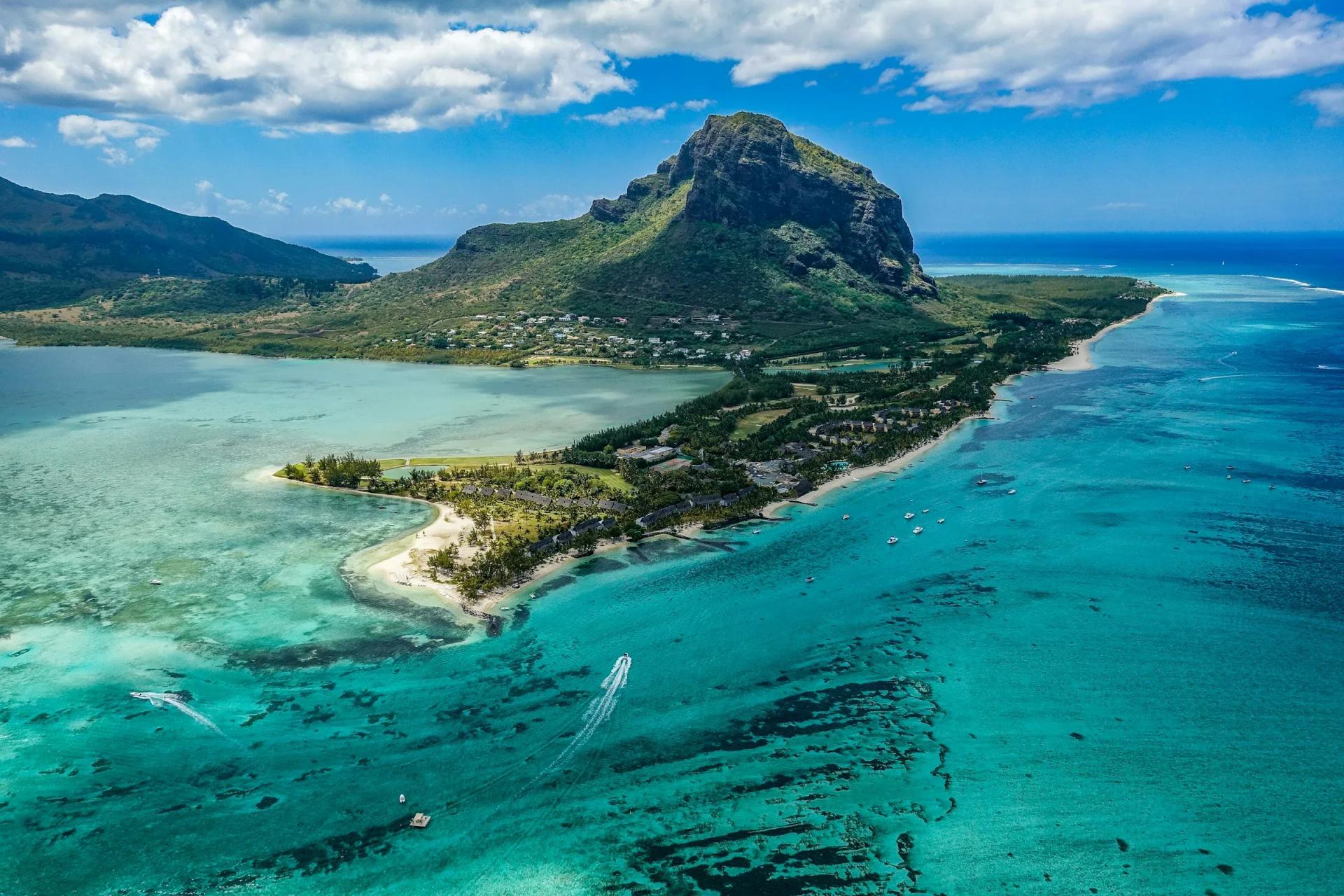
Mauritius is on your shortlist, but will the marriage count back home? In most cases, yes. A Mauritius wedding for two Australians follows the Civil Status Division's process for non-citizens. This Wedded Wonderland guide takes each step in order, from the papers you post to the certificate you bring home.
Yes. As at November 2026, the Civil Status Division sets out a dedicated process for the marriage of two non-citizens who are also non-residents, which is the route for Australian couples flying in for their wedding. A Civil Status Officer celebrates the marriage, and it can take place in the Office, a marriage hall, a hotel or any other private or non-private premises.
The full process sits on the Division's Marriage of two Non Citizens page. Read it once, together, before you sign anything with a resort. Couples who hold a Mauritian residence or work permit follow a different Civil Status Division page, so the steps below are written for visitors.
Australia has its own test. It does not recognise an overseas marriage where either person is already married to someone else, is not old enough to marry, is too closely related to the other, or is forced to marry. Outside those cases, a marriage that was valid where it took place, and would have been valid under Australian law had it happened here, is in most cases legally recognised at home.
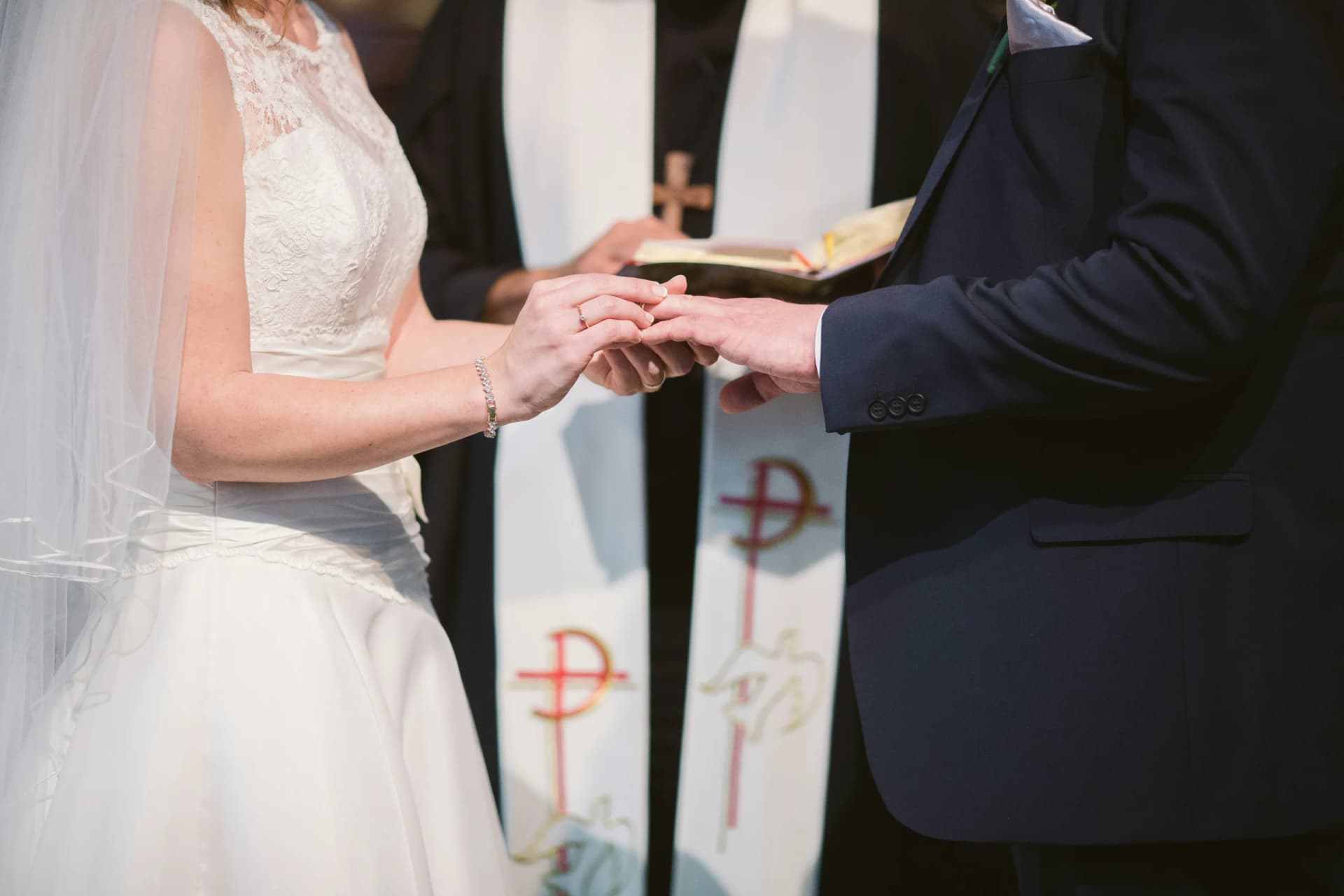
A civil ceremony is the legal route for two non-citizens on the Division's page. The Civil Status Officer celebrates the marriage once the publication has run, at the Office or at your chosen premises. This is the ceremony that puts your Mauritius date on your marriage certificate.
A religious ceremony can be added to the day, alongside the civil marriage. If faith is part of the wedding you picture, ask the Office and your celebrant how a religious service sits alongside the civil ceremony.
A symbolic ceremony is the one you write yourselves, with no legal formalities attached. Some couples keep the civil marriage small and early in the day, with only their witnesses, then gather everyone on the sand at dusk for the vows they have written.
Two sets of rules apply before you fly: the Civil Status Division's document list and Mauritius's entry requirements. Each has its own lead time, so sort both as soon as your date is set.
For two non-citizens, the Division lists these documents:
A completed coversheet.
Two photocopies of each birth certificate, drawn up in English or French and issued not more than 3 months earlier.
Two photocopies of each passport, showing the photo page and the pages with your details.
Documents for any divorce, widowhood or change of name, where they apply to either of you.
A certificate of no impediment is not on this list. The 3-month window is the detail that catches couples out, so order fresh birth certificates from your state or territory registry once the date is fixed, not a year ahead.
If either of you was married before, include your divorce or widowhood documents, and ask the Office early which documents it needs and which must be legalised. If one of you cannot produce a civil status document, the page allows an affidavit instead, sworn in your country of residence or in a form the Registrar of Civil Status approves.
Start with the travel side, because it has its own rules and they can move. Smartraveller's Mauritius advice currently sits at "Exercise normal safety precautions". Check Smartraveller before you travel, and subscribe to updates for your dates.
If you are staying less than 60 days, a visa is provided on arrival, while other types of visit need a visa before you travel. Complete the Mauritius All-in-One Travel Digital Form online before you fly or on arrival at the airport. If you are coming from, or transiting through, a country with yellow fever transmission risk, you may need a valid yellow fever certificate, so look at your guests' routes as well as your own. Entry conditions can change at short notice, so recheck them in the week you leave.
The Australian High Commission in Mauritius offers passport, consular and notarial services by appointment only, requested by email. If any document needs attention while you are on the island, book that appointment before you leave home.
The process has three important considerations: papers sent from home, a visit to Port Louis once you land, and the ceremony itself. Each has a lead time, and together they shape your itinerary.
Your application goes to the Central Civil Status Office in Port Louis. You are applying for a certificate, issued under the Prime Minister's authority, that allows the Office to publish your civil marriage as two non-citizens or non-residents. It must reach the Office at least one month before your intended wedding date, and the page asks for documents to be forwarded 6 to 8 weeks before the wedding.
Work backwards from the date. Order the birth certificates so they are no more than 3 months old, photocopy everything twice, complete the coversheet, and send the set so it lands inside that 6 to 8 week window.
Carry the originals in your hand luggage. You will need them in Port Louis.
On arrival in Mauritius, you need to visit the Office together so it can verify your original documents. Once they are verified, the Office issues a Certificate of Authority certifying that each non-citizen is also a non-resident. The marriage can then be celebrated after a publication of 24 hours.
Put this visit at the start of the trip, before the welcome drinks and the spa days. Ask the Office which days and hours to come in, and how many working days to allow between landing and the ceremony, then book your flights around the answer.

A Civil Status Officer celebrates the marriage. The ceremony can be held in the Office, a marriage hall, a hotel or any private or non-private premises.
There is no payment for a ceremony held at the Office. A fee applies for a wedding in a hotel or other premises, paid at the Central Civil Status Office, so ask the Office for the current amount when you apply. If the Officer requests it, you provide transport to and from your venue.
Treat the Officer's transport as part of the run sheet, with a car and a driver.
Two witnesses must be present at the ceremony. Choose them before you fly and make sure both are on the island on the day, ideally staying at the same resort. Ask the Office what identification your witnesses should bring.
Ask the Office, too, whether the Officer will ask you to choose a matrimonial regime (the legal arrangement for property within the marriage) and which options apply to two non-citizens.
Ask the Office for certified copies of your marriage certificate before you fly home.

You cannot register an overseas marriage in Australia. In most cases it is legally recognised anyway, provided it was valid where it took place and would have been valid under Australian law had it happened here. Our guide on registering an overseas marriage at home explains why there is nothing to lodge.
A foreign marriage certificate is usually accepted as proof of the marriage. It may not work as proof of a name change, so check with your state or territory registry of births, deaths and marriages first, and a lawyer can confirm the certificate is valid in Australia. Smartraveller's guide to getting married overseas covers the Australian side in full, and our page on your overseas marriage certificate covers how to use it.
An Apostille certifies a public document for use in another country. Whether you need one depends on who will receive the certificate, so ask that authority first. Our explainer, what is an Apostille and does my paperwork need one, walks through the decision.
In Mauritius, Apostilles are issued by the Prime Minister's Office, and only on public documents. Its list of document types includes the Marriage Certificate and the Publication of Marriage from the Civil Status Office. Documents must be originals, signed and stamped by the issuing body. Copies are not accepted unless certified by a notary and the Supreme Court, and acceptance rests with the Apostille Office.
If you think you will need an Apostille, build a spare day in Mauritius after the wedding and ask the Apostille Office how to lodge your original before you leave.
Once Australia recognises your Mauritius marriage, you cannot marry again in Australia. You may hold another type of ceremony, such as a confirmation of vows or a recommitment ceremony. A long lunch at home for the grandparents and friends who could not make the flight is one way to mark it.
The Division's page allows the marriage to be celebrated at hotels and any private or non-private premises, as well as at the Office and in a marriage hall. That is what makes a civil ceremony at your resort possible. How it works on a particular lawn, jetty or stretch of sand is a question for the venue.

Put these questions to the resort's wedding team before you sign:
Does the Civil Status Officer attend on site, and where on your grounds does the civil part take place?
Does a ceremony on the beach itself need any permission, and who arranges it?
What time can the Officer be booked for, and how does that sit with the light and the heat in our month?
Who arranges the Officer's transport if it is requested, and who meets them on arrival?
What is the covered alternative if rain or wind arrives, and when is that call made?
What exactly is included for the civil formalities, and what sits outside it?
Where can the witnesses stand, sit and sign without leaving the ceremony setting?
Can the ceremony space, or the whole property, be booked for exclusive use and closed to the public?
How does your security work alongside a private security team, and how is guest privacy handled on the day?
What deposit is required, is it refundable, in which currency is it paid, and is the contract in English?
Is there step-free access to the ceremony spot for older guests?
Get the answers in writing.
Mauritius Meteorological Services describes a mild tropical maritime climate with two seasons. Summer, from November to April, is warm and humid. Winter, from June to September, is relatively cool and dry, and October and May are transition months.

These are island-wide patterns, not readings from a single station. January and February are the warmest months, and July and August the coolest. February and March are the wettest months and October the driest, although there is no marked rainy season.
Cyclone season runs from November to May, Smartraveller says, but cyclones can occur at any time of year, bringing gale force winds, heavy rain, flooding and disruption to power and water. During a cyclone the airport may close and flights may be cancelled or delayed, so check that your travel insurance covers it, build a spare day into guest itineraries and ask every guest to check their own cover. Insect-borne diseases also occur, particularly in the warmer months from October to May, and there have been cases of dengue and chikungunya.
Where you marry on the island changes the light you marry in. Coastal areas see 7.5 to over 8 hours of bright sunshine a day in summer, against around 6 hours on the high ground. In winter the coast gets above 7.5 hours, while the Central Plateau gets around 5.

When you shortlist venues, ask each one:
Which coast does the ceremony site face, and where is the sun at our ceremony time in our month?
How does the wind sit on that coast in our month, and how sheltered is the ceremony spot?
How long is the drive to the Central Civil Status Office in Port Louis for our document visit?
Our page on African destination weddings places Mauritius among the region's island options. If you are weighing two coasts against your guest list, take those answers to Wedded Concierge.
The legal process is the same wherever you marry on the island. What changes from resort to resort is how much of the day the venue can hold: the Officer's arrival, the witnesses, the covered alternative, the dinner on the sand. Ask each resort what is included for the civil formalities and the Officer's attendance, and ask for that answer in writing.
For venues, colour and ideas, browse the Wedded Wonderland magazine.
Written by

SEO Specialist
Ayrton Christian Braga is an SEO Specialist at Wedded Wonderland, where he writes optimized articles and web pages that center on destination weddings, cultural wedding traditions, and guides for everything in between.
Search real weddings, venues and vendors from around the world.
Search Wedded Wonderland