Italy offers three main ways to say "I do": a legal civil ceremony, a Catholic rite with civil effect, or a symbolic ceremony. Your choice shapes your venue options, your timeline and how much paperwork lands on your desk. Here is how they compare.

Civil Ceremony | Catholic Rite | Symbolic Ceremony | |
Legally binding in Italy | Yes | Yes, under the Concordat | No |
Officiant | Mayor or civil registrar | Parish priest | Celebrant of your choice |
Location | Town halls and approved venues | Inside a Catholic church | Anywhere |
Language | Italian (interpreter if needed) | Italian, or English at some churches | Any language |
Key paperwork | Nulla Osta, translated documents | Church documents plus civil Nulla Osta | None in Italy |
Lead time | About 6 months | 6 to 10 months | Set by your venue |
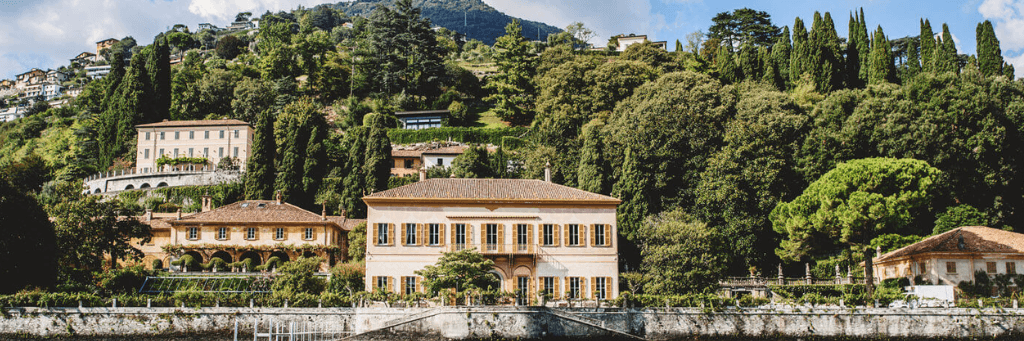
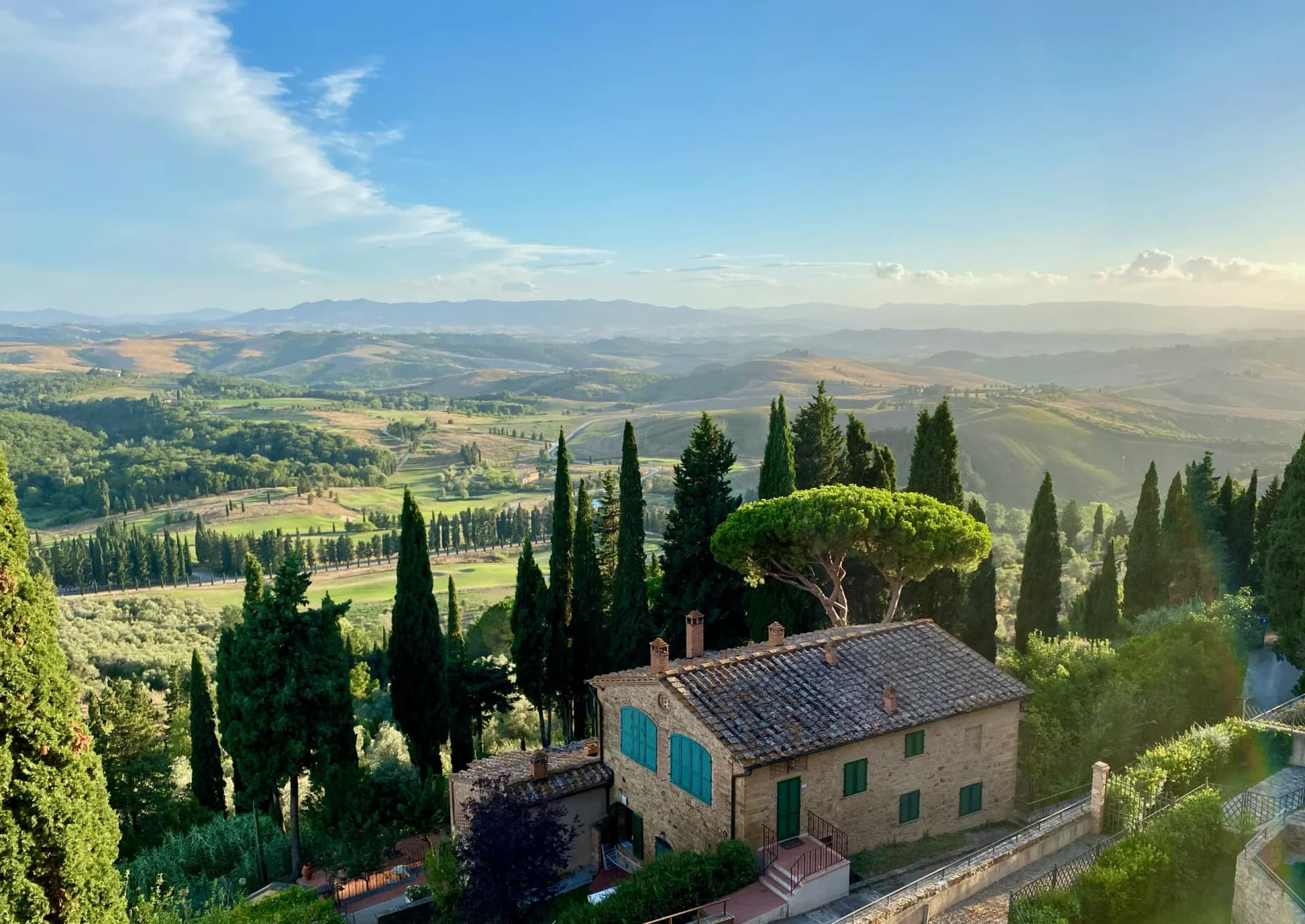
A civil ceremony in Italy is performed by the mayor or an authorised registrar in Italian, with an interpreter present if either of you doesn't speak the language. By law, it must happen in a government-approved building, and outdoor ceremonies are only possible at certain licensed locations. The good news is that many historic palazzi, castles and villas hold that approval. If you are dreaming of a villa on Lake Como or a hilltop estate in Tuscany, confirm early whether the venue is licensed for civil weddings.
The paperwork centres on the Nulla Osta, a declaration that you are
free to marry, usually issued by your embassy or consulate in Italy. Its signature is then legalised at a Prefettura with a €16 revenue stamp (marca da bollo). Any foreign documents must be officially translated into Italian, and you will make a sworn declaration before the registrar a few days before the wedding. You will also need two witnesses. Banns are generally waived when neither partner is Italian or resident in Italy.
Rules vary slightly between town halls (see the Comune di Pisa's civil
marriage requirements as one example), and some comuni only accept bookings within six months of your date. Start the paperwork about six months ahead, and check how recently each certificate must be issued, since some have validity limits.
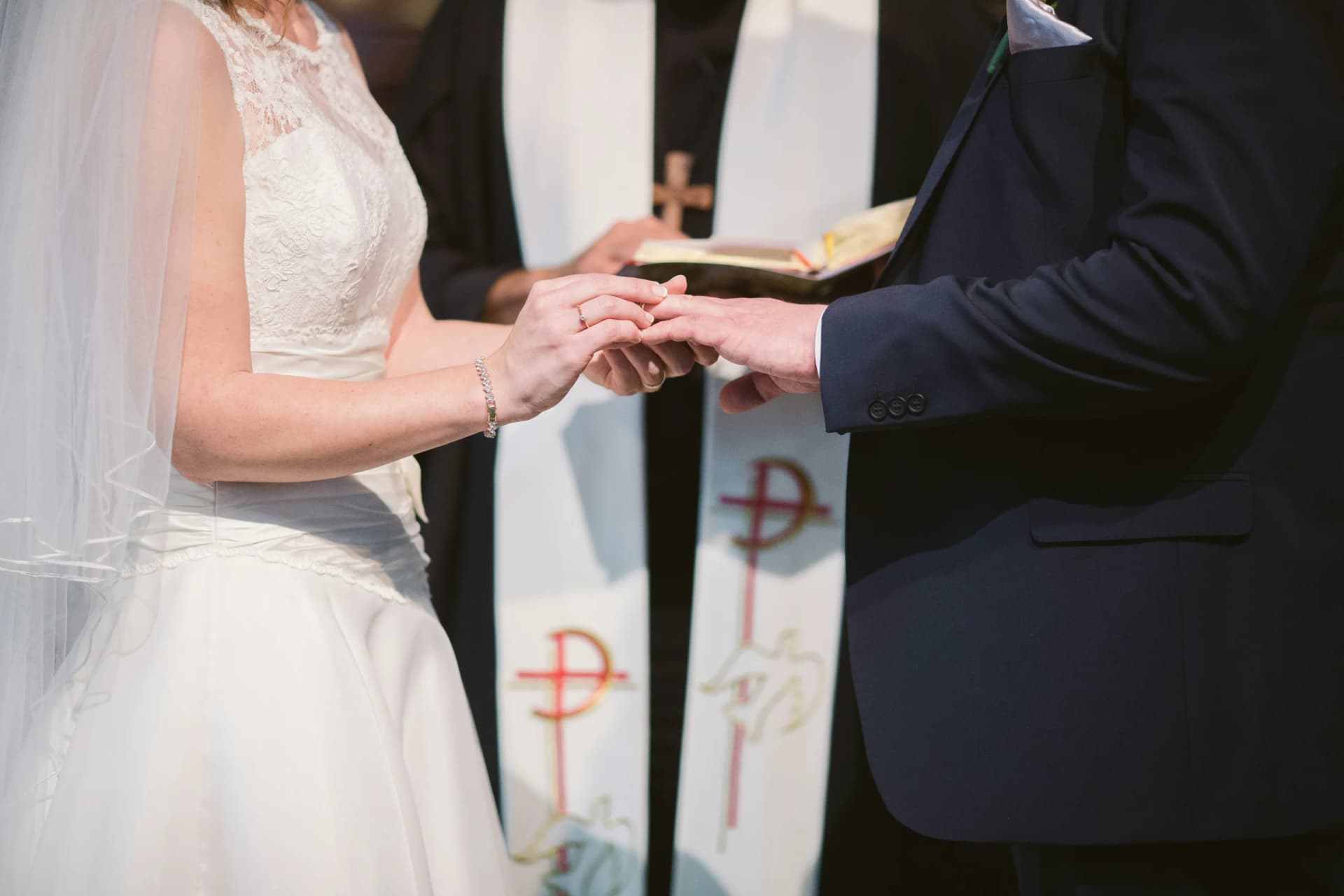
Thanks to the Concordat between Italy and the Holy See, a Catholic wedding performed in Italy can carry full civil effect, so no separate civil ceremony is needed. The priest sends the documents to the registry, and your marriage is recorded just like a civil one.
The trade-off is preparation. You will need baptism and confirmation certificates, proof of a pre-marital (Pre-Cana) course and permission from your home parish and bishop, all forwarded to the diocese in Italy. You still need the civil Nulla Osta too. Allow six to ten months.
A Catholic ceremony must take place inside a church, so no garden or terrace vows. If either partner has a previous marriage that hasn't been annulled, the Church will not usually allow a remarriage. In that case, many couples marry civilly at home and arrange a blessing in a church on the Amalfi Coast or elsewhere.
A symbolic ceremony carries no legal standing in Italy. Couples complete their legal marriage at home, often at a registry office a few days before flying out, then celebrate in Italy with family and friends.
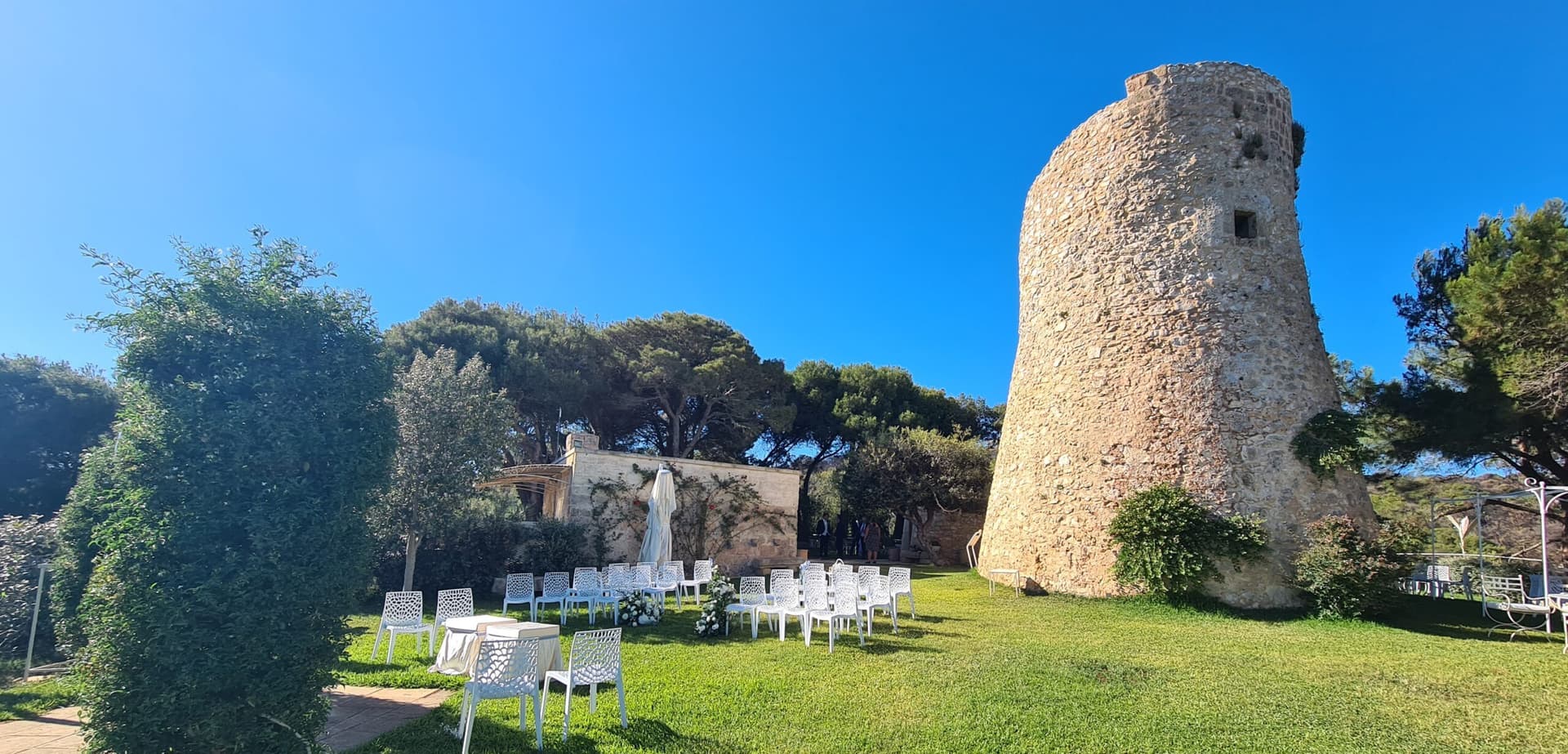
What you gain is freedom. Hold it on a clifftop terrace, beneath olive trees in Puglia or on a private villa lawn. Choose any celebrant, write personal vows, speak in any language and blend traditions from both families. It involves the least admin and suits mixed-faith couples particularly well.
Choose a civil ceremony if you want to marry legally in Italy without a
religious service and you are happy with a licensed venue. Choose a Catholic rite if your faith is central and you both meet Church requirements. Choose a symbolic ceremony if setting and personalisation matter most, or if legal or religious hurdles make the other options difficult.
Still weighing up destinations? Our Destination Wedding Location Guide compares the legal picture across 13 destinations, including Tuscany, and you can browse our wedding venues or explore all of Italy as a wedding destination. Once your date is set, Wonderland Studio keeps your guest list, RSVPs and budget in one place.
Written by

SEO Specialist
Ayrton Christian Braga is an SEO Specialist at Wedded Wonderland, where he writes optimized articles and web pages that center on destination weddings, cultural wedding traditions, and guides for everything in between.