Getting married in Italy as an Australian takes two documents, two countries and a sequence that has to run in the right order. Most guides online are written for British or American couples and talk about a Certificate of No Impediment, which Italy will not accept from you.
This is the Australian version, as of October 2026: what to prepare at home, what to sign in Rome or Milan, what happens at the town hall, and where the marriage stands once you are home. For other nationalities, see our general legal guide for couples of every nationality.
Yes, and you do not need to live there. The comune of Bagno a Ripoli, outside Florence, states that foreign citizens may marry there whether they live in Italy or abroad, in a civil, Catholic or other religious ceremony.

What you cannot do is marry at the Australian Embassy: Australian government representatives cannot perform marriage ceremonies. The legal steps are set out in the Australian Embassy in Rome's marriage in Italy guide (PDF), which it provides "for the convenience of enquirers".
The Embassy names two main documents for Australian citizens, the Atto Notorio and the Nulla Osta, and tells couples to ask the marriage office of their town for the full list.

The Atto Notorio is a sworn statement, made before witnesses, that nothing in Italian law stops you marrying. Get it before you leave, from the Italian consulate for the state where you live.
In Sydney, both of you attend with four witnesses who are not related to either of you, though they can be related to each other. Each Australian signs their own Atto Notorio, and you can share witnesses. Each consulate adds its own rules:
Melbourne books through Prenot@mi, the consulate's online booking portal, and asks for proof of address in Victoria or Tasmania.
Brisbane wants first contact at least one month before you fly, and witnesses who have known you for at least 12 months.
Adelaide needs your details at least two weeks before the appointment.
Perth takes requests by email, and witnesses must not share your surname.
If only one of you is Australian, the documents are for the Australian partner only, but four witnesses still attend. If you both also hold EU citizenship, no Atto Notorio is needed.
Living outside Australia? The Embassy points you to the Italian consulate in the state where you reside, and Melbourne asks for proof of a Victorian or Tasmanian address.
Not published: whether an Italian consulate in another country will issue the Atto Notorio for an Australian living there.
If you cannot get it in Australia, a Tribunale Civile (civil court) in Italy can issue it by appointment, with two adult witnesses and an interpreter if needed; neither of you can act as witness or interpreter. So can the marriage office of your comune. The Sydney consulate's Atto Notorio page shows how booking works.
The Nulla Osta is a sworn declaration that there is no impediment to your marriage under Australian law. Each Australian partner signs it in person before a consular officer at the Embassy in Rome or the Consulate-General in Milan. It is by appointment only, and the Embassy does not provide translations.
Not published: how far ahead Rome and Milan release appointments, and whether a non-Australian partner attends. Your Wedded Advisor confirms both in writing before you book flights.
DFAT issues Certificates of No Impediment for some countries, which is why the term fills so many guides. For Italy, the Embassy is direct: "Nulla Ostas sworn outside of Italy and Certificates of No Impediment are not valid for use in Italy."
Both last six months. The Atto Notorio runs from the day you sign it, so Sydney's consulate will not issue it more than six months before the wedding. The Nulla Osta is also valid for six months.
At home, the order that works is certificate, then an official Italian translation by a NAATI-certified translator, then a Notary Public's notarisation of the translation, then DFAT apostilles on the original and the translation.
The consulates in Sydney and Adelaide say your comune will need your original birth certificate and a Single Status Certificate from your state's Registry of Births, Deaths and Marriages, each with a NAATI Italian translation and a DFAT Apostille. Queensland residents provide a Letter of No Record of Marriage instead, and Northern Territory residents a Letter of No Impediment.
Treat this as your consulate's list, plus whatever your comune asks for.
An Apostille is DFAT's certificate that lets an Australian public document be accepted abroad. DFAT applies it only to original Australian public documents, so a translation must first be notarised by an Australian Notary Public. On Sydney's list, two Australians with two certificates and two translations each can need eight apostilles.
Lodge at any Australian Passport Office by appointment, where someone can attend on your behalf, or by registered mail. Processing times vary, with delays at the end of the school year and in holiday peaks. Smartraveller explains how DFAT apostilles Australian documents.
The officer witnessing your Nulla Osta must see the original divorce certificate, or the death certificate of a late spouse; photocopies are not accepted. A divorced woman marrying again within 300 days of her divorce needs permission from an Italian magistrate.
On the ground the order is Rome or Milan, then the Prefettura, then the comune. Rome's Prefettura legalisation office opens four mornings a week, and some comuni want your declaration three days before the wedding, so allow a working week rather than arriving two days out.

Not published: interpreter rules and declaration lead times for most comuni.
For getting married in Italy from Australia, the dates that matter are set by the documents.
When | What and where |
|---|---|
As soon as you have a date | Your comune: request the date and room. |
Before the consulate appointment | Australia: order certificates, translations, notarisation and apostilles. |
Within six months of the wedding | Australia: sign the Atto Notorio with four witnesses. |
Before you fly | Rome or Milan: book the Nulla Osta appointment. |
15 days before (Bagno a Ripoli) | Your comune: name witnesses, send the payment receipt, book your interpreter. |
First days in Italy | Rome or Milan, then a Prefettura: sign the Nulla Osta, then have it legalised. |
Same day to three days before | Your comune: lodge the Declaration of Intent. |
Wedding day | Comune or approved venue: ceremony; collect the marriage certificate. |
Before you leave Italy | Prefettura of the wedding city: apostille on the marriage certificate. |
Back home | State registry: nothing to register; for a surname change, see below. |
Bagno a Ripoli asks for at least 90 days' notice, and appointments are harder to get from May to September. DFAT publishes no set turnaround for apostilles. Adelaide wants your details two weeks before the Atto Notorio; Brisbane wants contact a month before you fly. Rome and Milan do not publish Nulla Osta lead times, and declaration timing varies by comune.
The squeeze is in the middle. Both documents expire six months after signing, so a date that moves late can mean signing again.
Some steps are yours alone. In Sydney, both of you attend the Atto Notorio with your witnesses, and each Australian signs the Nulla Osta in person in Rome or Milan.
For most Australian couples, the legal route is a civil ceremony before the comune or a Catholic ceremony with civil effect. A symbolic ceremony without those steps is not a legal marriage.

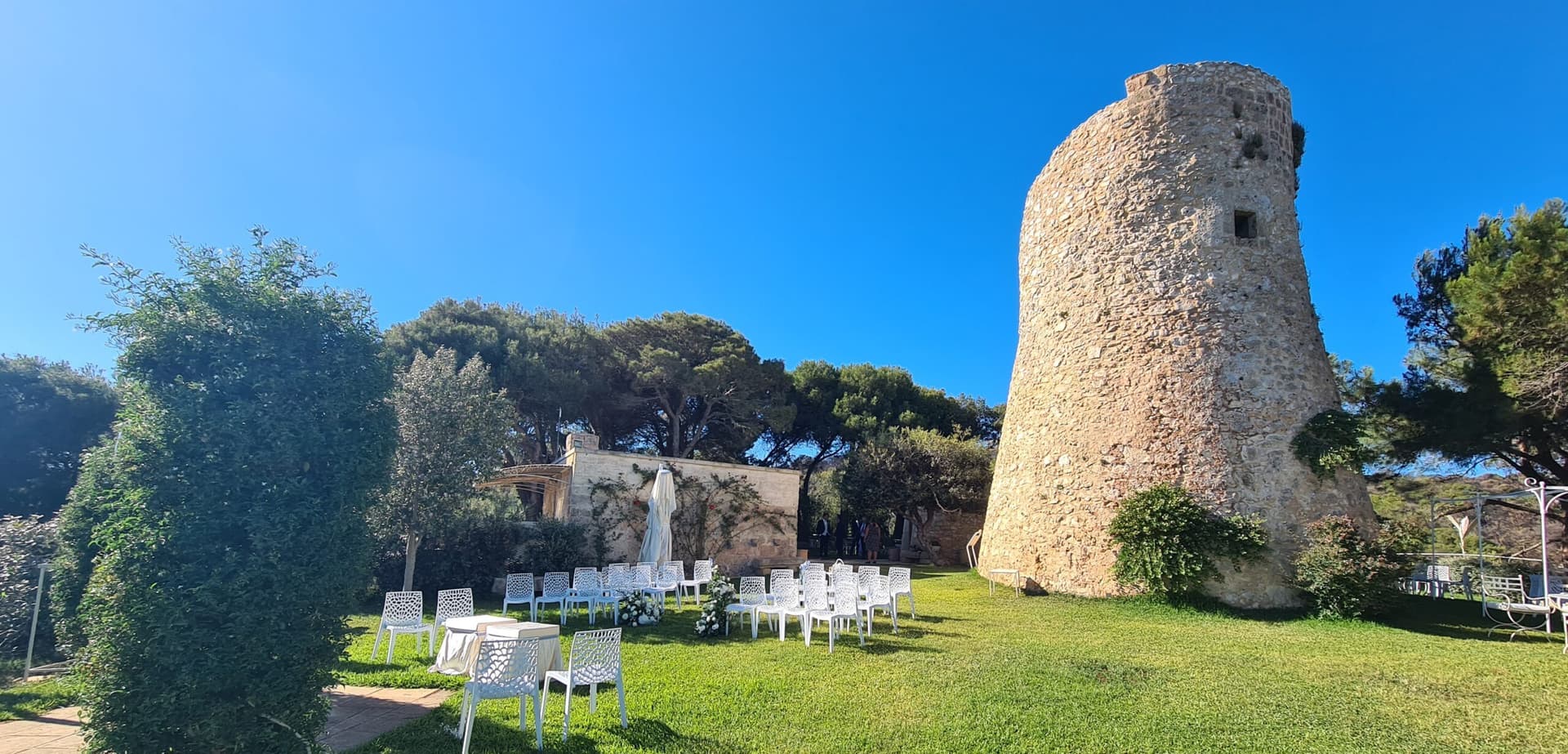
In Bagno a Ripoli, a civil ceremony can be held in the town hall council chamber or at external locations on the comune's own list, with the cost varying by location.
Not published: which private villas your comune approves for civil ceremonies. Your Wedded Advisor confirms in writing whether your venue qualifies before you sign with it.
A concordat marriage is celebrated by a Catholic priest and takes civil effect once transcribed in the civil register, after publications at the parish and the comune. The priest sends the act to the registrar within five days, and the civil effects run from the day of the ceremony.
A civil wedding works differently: where both partners are foreign and neither lives in Italy, Bagno a Ripoli takes a sworn declaration instead of banns. Not published: what parish and comune publications make public.
You can also sign the legal papers at home. You give a Notice of Intended Marriage to an authorised celebrant at least one month and no more than 18 months before, and it can be completed from overseas; an Australian celebrant cannot marry you abroad. The trade-off is fewer steps in Italy, but the legal wedding happens at home before an authorised celebrant and two witnesses, and the day in Italy is symbolic. Weigh whether to marry legally abroad or hold a symbolic ceremony before you commit.
In most cases, yes. Smartraveller puts it plainly: "You can't register an overseas marriage in Australia. But in most cases, your marriage is legally recognised here." Part VA of the Marriage Act 1961 recognises foreign marriages as valid, with exceptions such as a party already being married or not truly consenting.

The marriage must be valid in Italy and would have been valid in Australia. Smartraveller's advice on getting married overseas also suggests a lawyer confirm your certificate is valid here. Read why you can't register an overseas marriage in Australia.
One catch if you are changing your name. In NSW and Victoria, an overseas marriage certificate cannot be used to take your spouse's surname, so you apply for a change of name instead. That does not mean the marriage is not recognised.
Italy's legal option for same-sex couples is the civil union (unione civile), created by Law 76 of 20 May 2016. Two adults form it by declaration before the civil registrar, with two witnesses. It is a civil union, not a marriage.

Florence's comune says that where a foreign partner's country cannot issue a nulla osta for a civil union, a certificate of free status or a substitute declaration can replace it. Parma's comune notes that multilingual civil status extracts are not issued for civil unions.
Australia has generally recognised same-sex marriages performed overseas since 9 December 2017. How it treats an Italian civil union is less clear. One option is to marry legally in Australia first and celebrate in Italy. See also where same-sex couples can legally marry abroad.
Most official steps carry a fee, and amounts move with exchange rates or annual indexation.
Atto Notorio: a consular fee applies, set by each consulate's tariff. Sydney takes EFTPOS or cash, Melbourne takes cards, and Brisbane advises the fee after reviewing your documents and accepts cash only.
DFAT apostilles: a fee applies per document, rising with CPI each 1 January. See DFAT's current notarial fees.
Nulla Osta: a consular fee applies per Australian citizen, by card only.
Prefettura: a fee applies as a revenue stamp (marca da bollo), bought at a tabaccaio before you go.
Comune: a fee applies for the marriage hall and varies by location. In Bagno a Ripoli, the sworn declaration itself has no cost.
Not published: interpreter and translation rates. Your Wedded Advisor confirms the current requirements for your comune and costs the full paperwork in AUD.
The documents are straightforward. What takes care is the sequence: a six-month window, four witnesses in the right city, appointments in Rome or Milan, and a comune with its own rules. For where to marry, browse weddings across Italy, from Lake Como to the Amalfi Coast.
Written by

SEO Specialist
Ayrton Christian Braga is an SEO Specialist at Wedded Wonderland, where he writes optimized articles and web pages that center on destination weddings, cultural wedding traditions, and guides for everything in between.