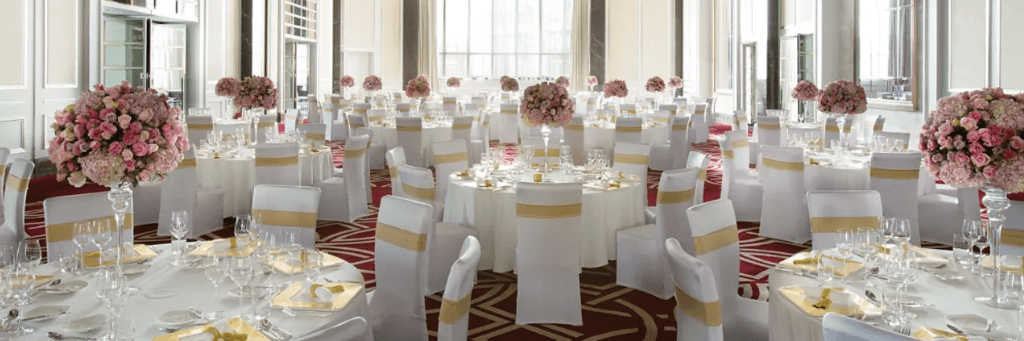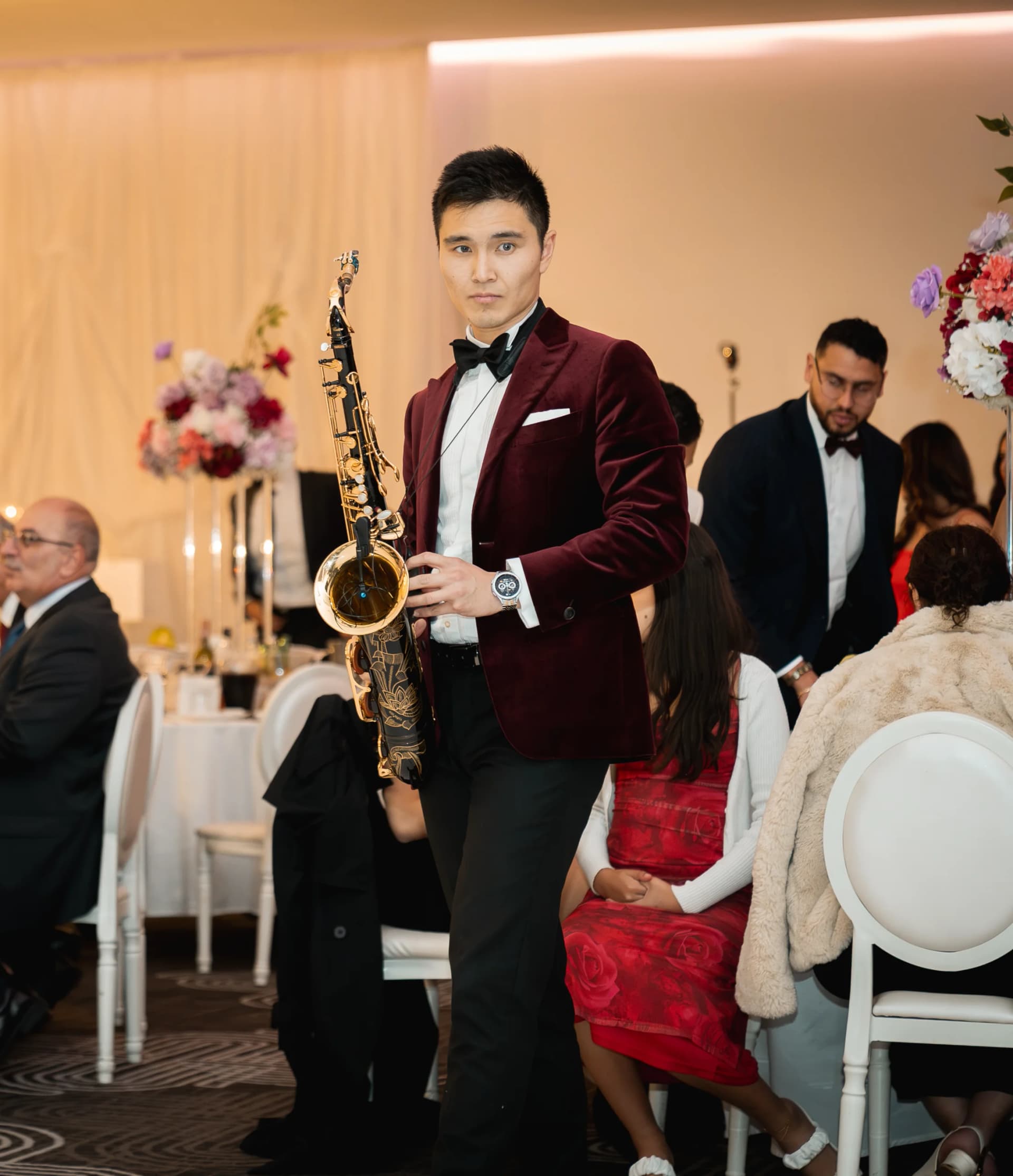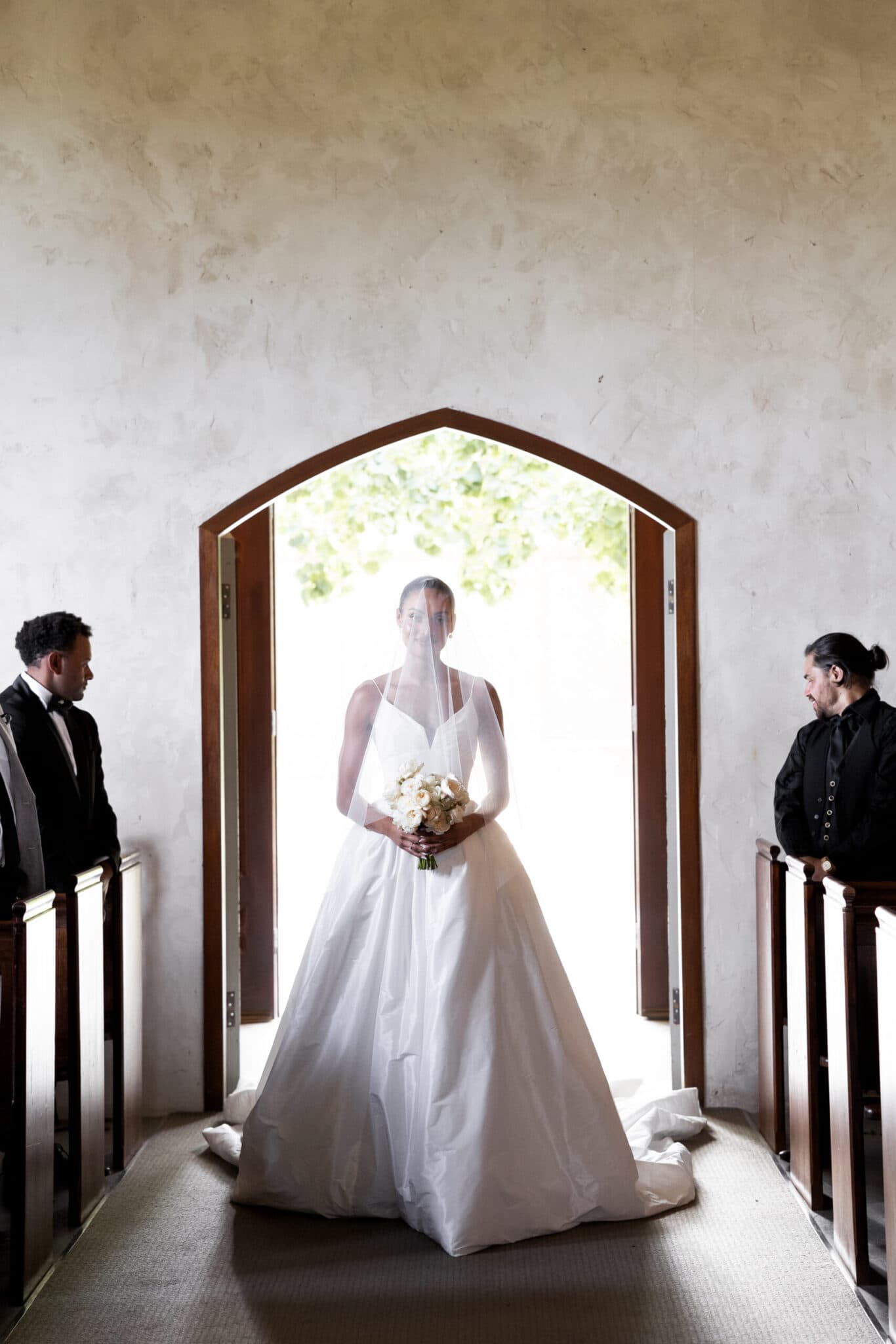
Simran and Anselm began their wedding guest list in Sydney, and as the numbers kept climbing, the ballrooms they toured stopped feeling like the wedding they wanted. Their planner, Sunaina Goyal of Sealed With A Kiss, took them to AYANA Bali, where 200 travelling guests spent a full wedding week with them, after an intimate Catholic ceremony at St John's Church and a dinner at SÁLA overlooking Sydney Harbour, as their real wedding story tells it. Once they knew how many people they wanted with them, they stopped touring ballrooms and looked for a resort with room for a week of events.
A wedding guest list is everyone you invite, sorted by how essential each person is to the day. Etiquette expects you to invite immediate family, your wedding party, the partners of married, engaged or live-in guests, and anyone already invited to an engagement party or shower. Everyone else is your choice, and Australian law asks only for an authorised celebrant and two witnesses aged 18 or over. Agree the number first, then fill it in tiers, with one rule for both families.
Four groups are fixed names on any wedding guest list, and leaving them off is what causes lasting hurt. The rest of the list is a matter of choice, however strongly someone hints otherwise.

Parents, siblings and grandparents come first, along with step-parents and step-siblings who are part of your family life. Everyone standing beside you on the day is invited too, and so are child attendants, such as a flower girl or page boy, with their parents, even at an adults-only wedding. If you invite some aunts, uncles or cousins, invite them by household or by whole branch of the family, so no one is singled out.
If a guest is married, engaged or living with someone, the invitation goes to both of them, even if you have never met the partner. A long relationship deserves the same courtesy, though where you draw that line is yours to decide. Write the line down once and hold it for everyone.
Anyone invited to your engagement party, bridal shower, or hens or bucks celebration expects to be invited to the wedding, because one invitation signals the next. If the wedding will be small, keep those earlier lists small as well. Your celebrant is there to work, yet an invitation to the reception with their partner is a warm courtesy many will politely decline.
Under the Marriage Act 1961, a marriage in Australia is solemnised in front of an authorised celebrant and two witnesses who appear to be over 18. Witnesses need not be family or Australian citizens, and couples who elope often ask their photographer to sign. The Attorney-General's Department sets out the Notice of Intended Marriage, which you lodge at least one month and no more than 18 months before the day.
Abroad, witness numbers, residency periods and documents vary by country, so confirm them with the registry or embassy before you set the date. Many couples marry legally at home first, which leaves the destination guest list entirely theirs to shape.
You don't owe an invitation to plus-ones for single guests, children outside the wedding party, colleagues, friends whose weddings you attended, or relatives you no longer see. Most of the strain around a wedding guest list comes from assuming a seat is owed.

Colleagues are where that assumption bites hardest. One bride posted on Reddit that a co-worker she only made small talk with filed an HR complaint after hearing the wedding was close friends and family only, and HR closed the matter as a private, personal event, as we reported. Invite colleagues you see outside work, and if most of your team is coming, include your manager too.
Attending someone's wedding years ago places you under no obligation, and a relative you haven't spoken to in a year or two can sit on an optional list. If you wouldn't feel their absence on the day, give the place to someone you would.
The order matters more than the method, because every name written before the number is agreed becomes a name you later have to argue off:

When a couple sits down with me, I ask for the number before a single name, because a private dining room for 40 and a garden terrace for 120 are two different weddings, and the room you love will quietly decide how many people you can have. I've sat in enough of these conversations to know that the kindest thing you can give a generous parent is a set number of places and the freedom to fill them. An open invitation to send names only means editing their list, name by name, a month later.
Tiers turn one long list into an order of priority, so the cuts and the second round are decided before anyone is hurt. They don't rank anyone's worth; they show which yeses you can count on before you sign a venue contract that assumes them.

Parents, siblings, grandparents, your own children, the wedding party and your closest friends. These are the people you would move the date for, and they confirm first.
Closest aunts and uncles, nieces and nephews, and the wider circle of close friends. This is the tier that moves, so watch its replies closely.
Extended family and cousins, old friends you would like to see again, close colleagues and your parents' friends. These names come off first when the list is over, and on first when declines come in.
A second round of invitations is only unkind when it shows. Send it early enough that the invitation reads as genuine, ideally as soon as your A-list replies are in, and keep the wording identical to the first round. For a large wedding at home I'm comfortable with a quiet second round, but for a micro wedding or a villa weekend abroad I'd never use one, because at a table of thirty everyone can tell who was asked later.
Plus-ones and children are the two decisions that cause the most offence when they bend for one guest. Settle each once, write it down, and apply it to both sides of the family.

For plus-ones, the rule most couples choose is married, engaged and long-term partners, with an extra seat for a guest who would otherwise know no one. Our plus-one etiquette guide covers where to draw the line and how to word it. A partner you have never met is the guest who ends up beside your grandmother at a long table, and I'd rather see that seat go to a friend you have known for ten years.
Adults-only weddings are widely accepted, and Zola's 2026 survey of more than 11,500 couples found 87% see them as standard practice. The harder part is the reply.
When one bride's friend said she couldn't pay for a babysitter, the bride texted that the friend's husband could stay home with the children, and the exchange ended badly, a Reddit thread we covered shows. One reply from a couple who had done it put the rule plainly: "We had a child-free wedding. Some people couldn't make it. That's okay."
Put the rule on the invitation by naming exactly who is invited, and repeat it on your wedding website. Our child-free wedding wording gives lines that read as a policy rather than a judgement on anyone's children.
When the list runs over, cut whole groups in this order. Removing a category is far easier to explain than why one colleague made it and another didn't:
other people's children, if you have set an adults-only rule
plus-ones neither of you has met
people invited because they once invited you
colleagues you wouldn't see without the job
names neither of you can justify out loud to the other

For any name still in doubt, ask whether you have both met them, whether you have seen them in the last year, whether you would have them to dinner at home, and whether they will be in your lives in five years. Two or more answers of no means the name comes off.
You rarely need to tell anyone they aren't invited, and volunteering it makes it worse. If it comes up, keep it warm and short, and give the size of the day as the reason: "We're keeping it very small, only immediate family and a few close friends, and we'd love to celebrate with you afterwards." If a larger party is planned, say so and give a rough date.
The most delicate parts of a wedding guest list involve parents who are contributing, families with large communities, and the two of you disagreeing. Agreeing principles early keeps each conversation calm.

Parents who contribute often expect a say, and a fixed number of places per side is far easier to honour than an open-ended list. In many families a wedding belongs to the wider community as much as to the couple. Tayla and Joshua's Chilean and Lebanese wedding had 530 guests, and the couple said the number of happy faces "made the day worth all the long hours of planning". Talk to both families about expectations like these before you look at venues.
When the two of you disagree, start with the names you both agree on, then give each of you an equal number of places for the people who matter to you individually. A total you have both accepted keeps every later discussion inside it.
A micro wedding is usually up to about 30 guests and a small wedding under 50, while an elopement rarely passes 15, the ranges intimate wedding planner Emma Thurgood works to. Our guide to what a micro wedding is covers how the size changes the day.

Fill the list in order and stop when you reach your number: immediate family, then their partners and children, your closest friends, extended family, other friends and colleagues last. If you run out of places part way through a group, stop at the group before it, so you never invite one aunt and leave off her sister. Skip the B-list entirely.
The couples in our own real weddings often split the day rather than cut people out. Shannon and Kyle had immediate family and their favourite people for the ceremony and an early dinner in the Yarra Valley, then threw a big party that night, and Shannon said, "We got to speak to everyone, we got to eat, drink and dance." Elizabeth and Oscar held a lunchtime ceremony for 35 guests, then a reception for the bridal party, their partners and family.
The micro weddings I admire most are the ones where the couple chose the room after the list, a private dining room or a villa that feels full at 25 rather than a ballroom dressed down for the night. Ask the venue's events manager to walk you through the room set for your number, because a table for 25 in a space built for 150 never feels intimate.
A destination wedding guest list is usually smaller and settles earlier, because each invitation asks for flights, nights away and leave. Expect fewer acceptances than at home, and estimate your number one guest at a time, as our guide to destination wedding guest attendance explains, rather than applying a percentage.

The decline is rarely personal. In an Associated Press report, a mother outside Dallas recalled her guilt at skipping a first cousin's wedding in Guatemala when her daughter was a baby, though she and her husband "would have loved to go to support the couple". The Knot's editor in chief added in the same piece that "if you're immediate family, you should definitely try to make it happen". Respond warmly to a no, without asking for a reason, and keep those guests in mind for a gathering at home.
Build the timeline backward from the venue:
save the dates 9 to 12 months out
invitations 4 to 6 months out
your RSVP deadline 60 to 90 days before the day
your own deadline about 30 days ahead of the venue's final count, so there is time to follow up
A destination invitation is a request for someone's annual leave, so I'd call your ten most important people before the save the dates go out and ask them plainly whether they can come. Their answers tell you more than any average, and they let you choose the island, the villa and the number of rooms around people rather than hopes. Sunaina Goyal's advice after Simran and Anselm's week in Bali was to plan the whole experience, from the moment guests set off to the final farewell, rather than one event at a time.
Download the wedding guest list template (.xlsx). It is an Excel file with no sign-up, and it opens in Google Sheets through File, then Import. It has three tabs:
How to use, which sets out the sheet in six short steps and has a cell for your plus-one and children rule
Guest list, with 36 columns and room for about 500 guests, one row per person grouped under a Household ID
Summary, which counts guests, households, plus-ones, children, invitations, replies per event and travel as you type

Each guest has a reply for four events (welcome dinner, ceremony, reception and recovery brunch), set to Not invited, Invited, Attending or Declined. The destination columns record where each household is travelling from, flights booked, arrival and departure dates, accommodation, transport to the venue, and visa letters needed and sent. Visa rules belong to each guest, and Smartraveller advises checking with the destination's embassy or consulate before travel.
Names, addresses and dietary or access notes are personal information, so share the file only with the people helping you, and keep passport details out of it altogether. When the hotel's events team asks for the list, I'd send them only the columns they need, which are names, arrival dates, rooms and dietary notes, because the full file says far more about your guests than any resort should hold. Once replies start arriving from several countries, a planning app such as Wonderland Studio collects RSVPs and dietary notes without retyping.
Fix the number with your partner, fill it in tiers with one rule for both families, and keep the list in one file you both can open. If guests will be flying in, Wedded Concierge can plan the venue and guest travel around the people you have chosen.

Written by

Content and Creative Manager, Wedded Wonderland
Joseph Joshua Ngushual is Content and Creative Manager at Wedded Wonderland, part of Wonder Group, where he leads the editorial and search team behind its guides to destination weddings, honeymoons, babymoons and milestone celebrations. He works alongside the Wedded Advisors who plan those celebrations, and much of his advice comes from that side of the business: what to ask a villa before signing, which dates decide whether a babymoon is relaxing, and how to keep a wedding weekend calm when the weather turns. He oversees Wedded Wonderland's destination and honeymoon guides, the Get Wedded magazine and the planning guides inside Wonderland Studio, and covered Wedded World Melbourne at 1 Hotel Melbourne in November 2026. He has written more than 150 articles for Wedded Wonderland.
Search real weddings, venues and vendors from around the world.
Search Wedded Wonderland