A micro wedding is a full wedding with a small guest list: a real ceremony and a real celebration, usually for fewer than 50 people and most often 20 to 30. The same budget spread across fewer guests buys a better venue, better food and better photography. Below is what counts as a micro wedding, what it costs, ten venue and format ideas, and how to plan one.
A micro wedding is a complete wedding held for a deliberately small guest list: fewer than 50 people, and in practice most often 20 to 30. It has everything a wedding has: a ceremony, vows, a celebratory meal, photography, flowers, music and cake. What changes is the size of the audience, and with it the cost and feel of the day.
Use the guest count as the test. Under 20, with only your innermost circle, you are close to an elopement. Between 20 and 50 you have room for both families and close friends, and few enough guests to seat at one long table. Past 50 you have an intimate wedding, and past 80 a conventional one.
The format suits couples who want the celebration without the production, couples marrying abroad with their closest people, couples who would rather put the money towards a house deposit or a longer honeymoon, and couples from big families who need a clear reason to keep the list short.

The three small-wedding formats get used interchangeably, but vendors, venues and budgets treat them differently.
Micro wedding: under 50 guests, usually 20 to 30, with a full ceremony and a reception. You book the full set of vendors, scaled down. It suits couples who want the wedding, just smaller and better per head.
Elopement: the two of you, plus an officiant and two witnesses, sometimes up to ten people. The day is built around the two of you: a location, portraits and dinner. It suits couples for whom the marriage matters more than the event. Our guide to how to elope covers the legal steps.
Minimony: a small ceremony now, usually under ten guests, with the full celebration at a later date. It suits couples whose visas, timing or health split the legal day from the party.
If you keep adding guests to an elopement list, plan a micro wedding instead.
A micro wedding costs less than a full wedding in total and usually more per guest. What shrinks with the guest list: catering and drinks (the largest line on most wedding budgets), seating and hire, stationery, favours, transport and the size of the venue. What does not shrink: the photographer, the celebrant, your attire, the paperwork, music and most of the styling. Those fixed costs are why a 25-guest wedding costs far more than a sixth of a 150-guest one.
Decide where the money you save goes before you start booking: a venue that could not hold 150, a tasting menu, film as well as photography, or a destination. Many venues and resorts sell micro wedding packages for this range; our guide to how much it costs to elope covers the smallest end.

Pros: every guest is someone you know well, and you will talk to all of them. The per-guest budget buys a better room, menu and photography. Small venues that cannot host a big wedding become available, planning is faster, and a welcome dinner and a recovery lunch become affordable.
Cons: cutting a list from 150 to 30 means saying no to people who would have been invited to the bigger version, and each omission is more visible. Some traditions need rethinking at 25 people, like a bouquet toss to four single friends. The cost per guest can surprise couples who expect the total to fall in proportion. And if either of you wants a packed dance floor, a micro wedding will feel like a dinner party.

Under 50 guests, you can use spaces that could never host a conventional wedding.
Book a restaurant’s private dining room, or the whole restaurant, and let the chef’s menu be the reception. For 10 to 20 guests, a chef’s counter or open-kitchen table puts everyone in one row.

Book the house, not a venue: ceremony in the garden, dinner on the terrace, and guests staying on site. Guests get a weekend away, and you get time with them beyond the dinner.

A marquee for 30 in a family garden, with proper catering and styling, puts the wedding somewhere that already means something to you, and you control the timing.

Many botanic gardens and council parks take bookings for small ceremonies. Book the ceremony spot, then move to a restaurant nearby for dinner.
A beach suits a small group standing around the officiant. Check with the city, county or local council whether you need a permit, and plan for wind.

A courthouse or registry office ceremony keeps the legal part short and simple, and a long lunch or dinner afterwards becomes the celebration.
Historic chapels and churches suit small groups, and our guide to cathedral wedding venues pairs well with a private dining room nearby.
Many galleries, libraries and laneway bars host private events for 40 after hours. Ask the places you already love whether they take bookings.
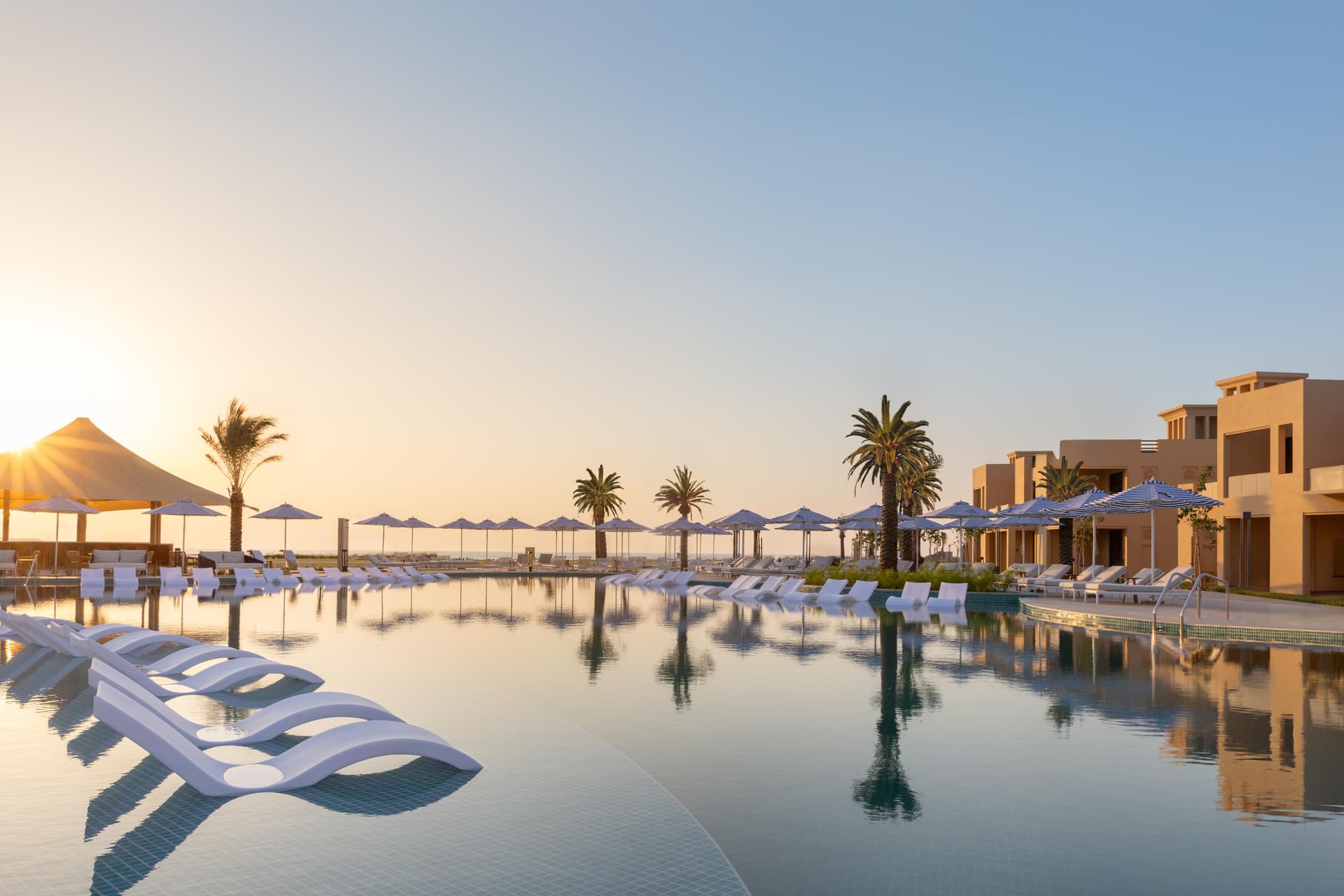
A wedding abroad for 25 guests can cost about the same as a hometown wedding for 120, because catering and hire scale with the guest list. For ideas, see the best elopement destinations, the best countries to elope, and luxurious venues in Indonesia for an intimate wedding.

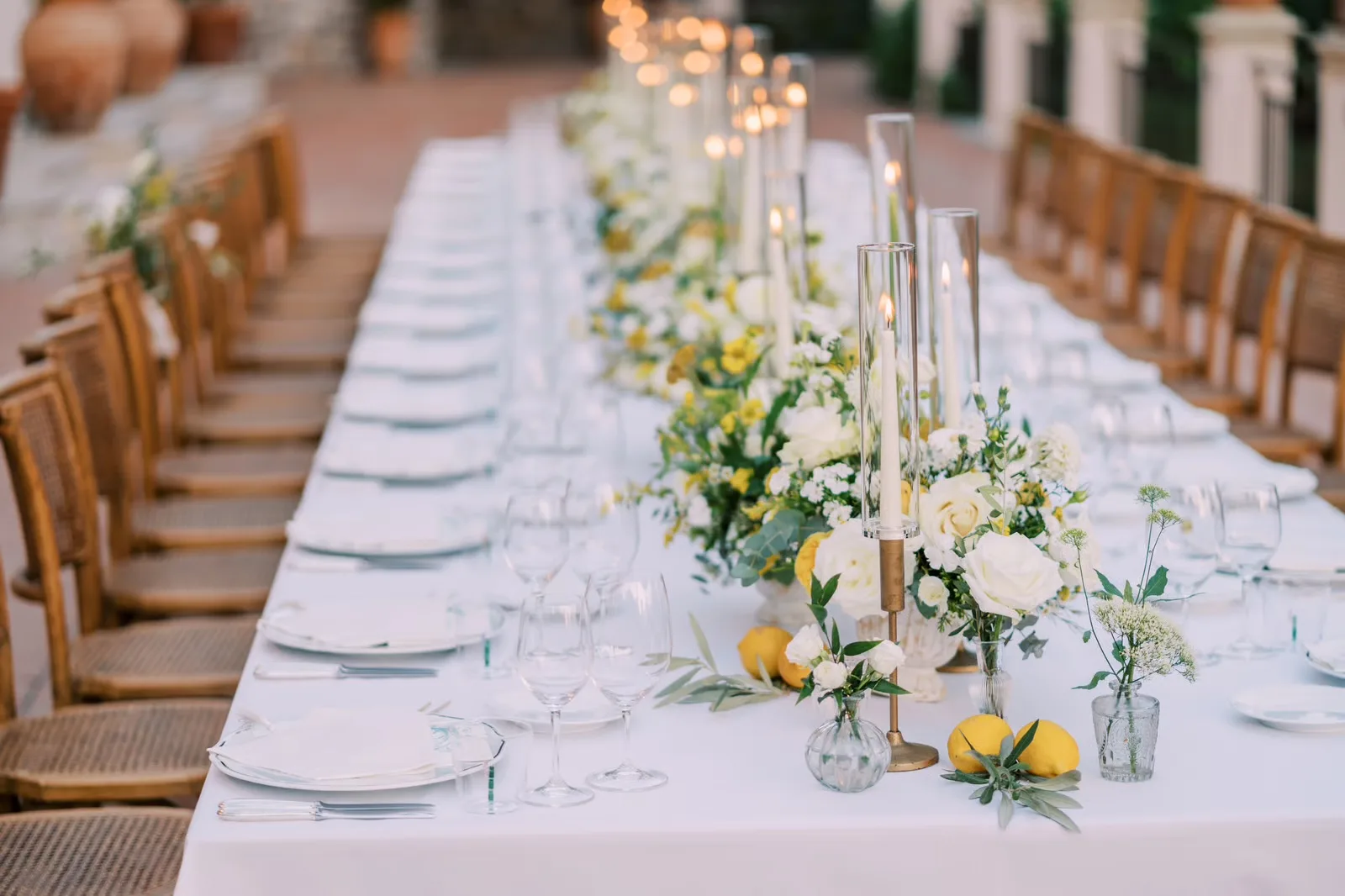
Whatever the room, seat everyone at one table. A single candlelit wedding reception table keeps every guest in the conversation.

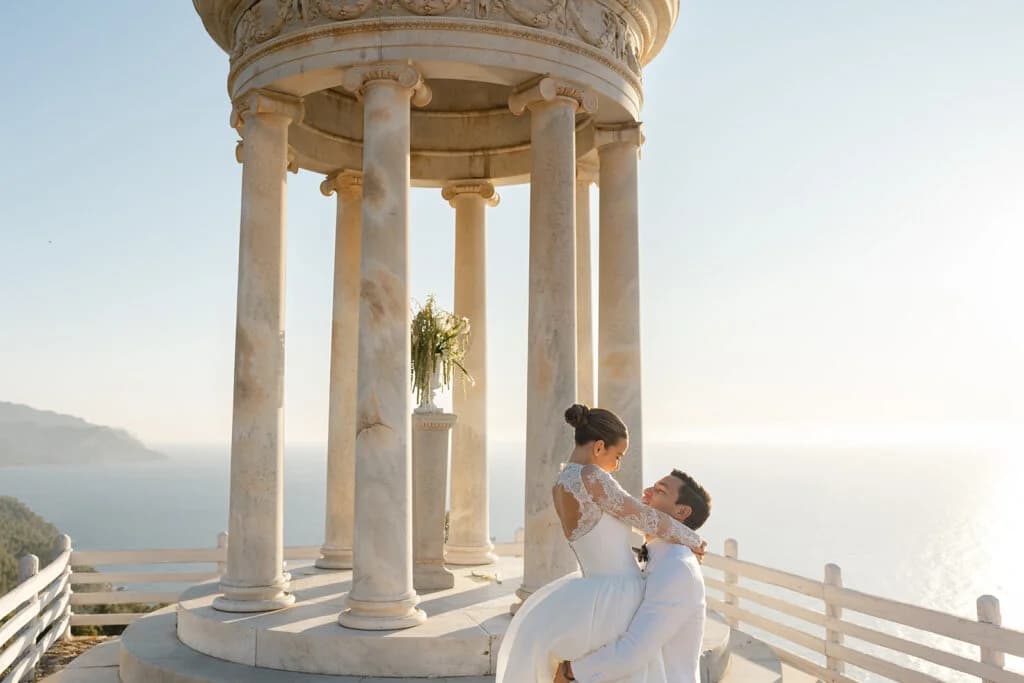
A late-afternoon ceremony, golden-hour portraits and one long dinner is the most common micro wedding shape.
Written by

Senior SEO Specialist, Wedded Wonderland
Mark Tuason is the Senior SEO Specialist at Wedded Wonderland, where he writes and refreshes the brand's guides to destination weddings and cultural wedding traditions. He starts with the questions couples search for, checks the answers against trusted sources, and shapes each guide to help them plan, compare and book with confidence. Based in the Philippines, he specialises in content strategy and on-page SEO.
Search real weddings, venues and vendors from around the world.
Search Wedded Wonderland