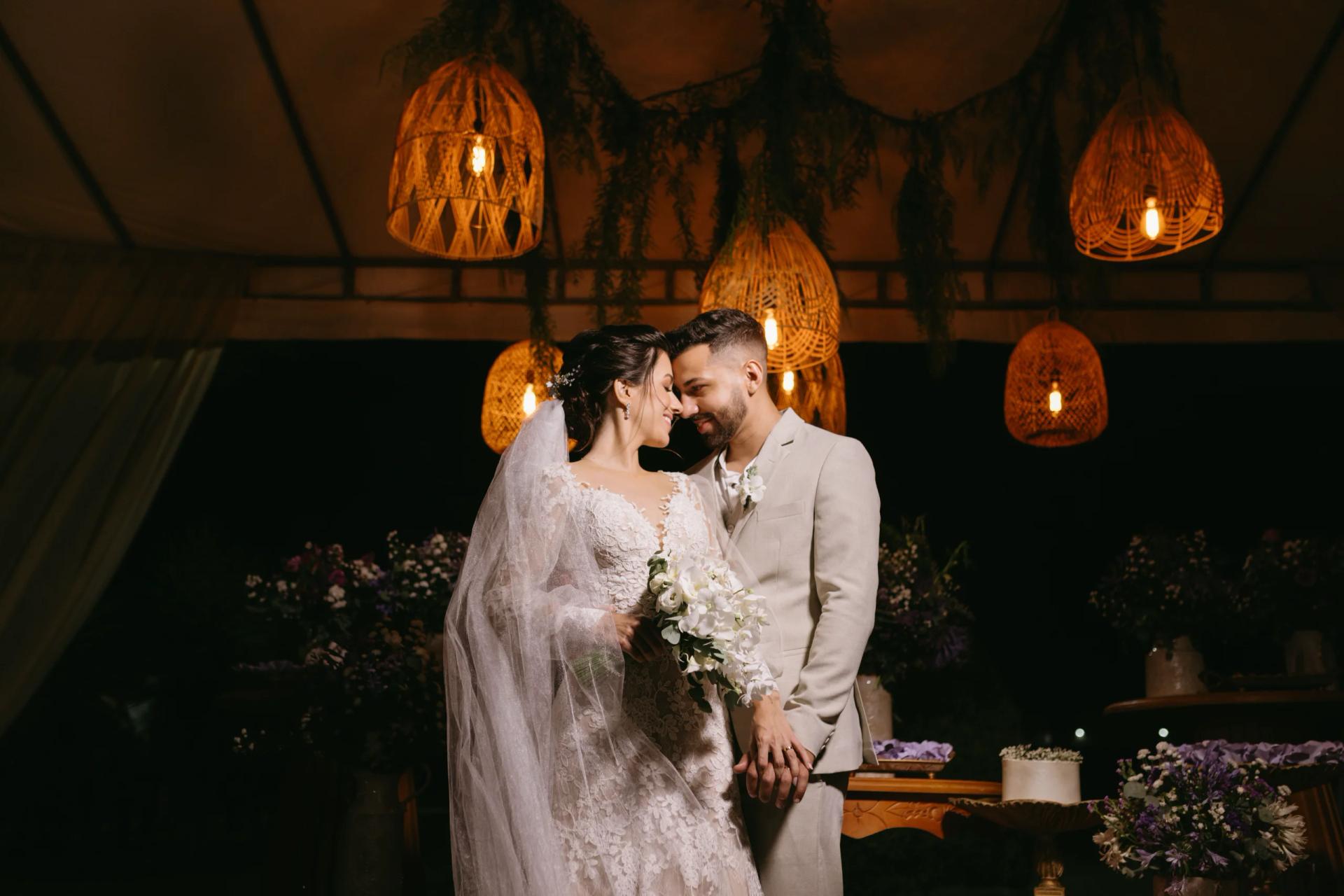
Sri Lanka wedding legal requirements for foreigners centre on lodging a notice of marriage with the relevant registrar, meeting a residence requirement and allowing time for the statutory notice period. Wedded Wonderland coordinates destination weddings across Asia, planning each celebration around its legal timeline, from Galle Fort to the hill country.
Foreign couples can generally marry under Sri Lanka's Marriage Registration Ordinance (General), provided neither party is Muslim, as Muslim marriages are governed by separate legislation. The marriage must be registered by an authorised Marriage Registrar or Additional District Registrar, with two witnesses present.
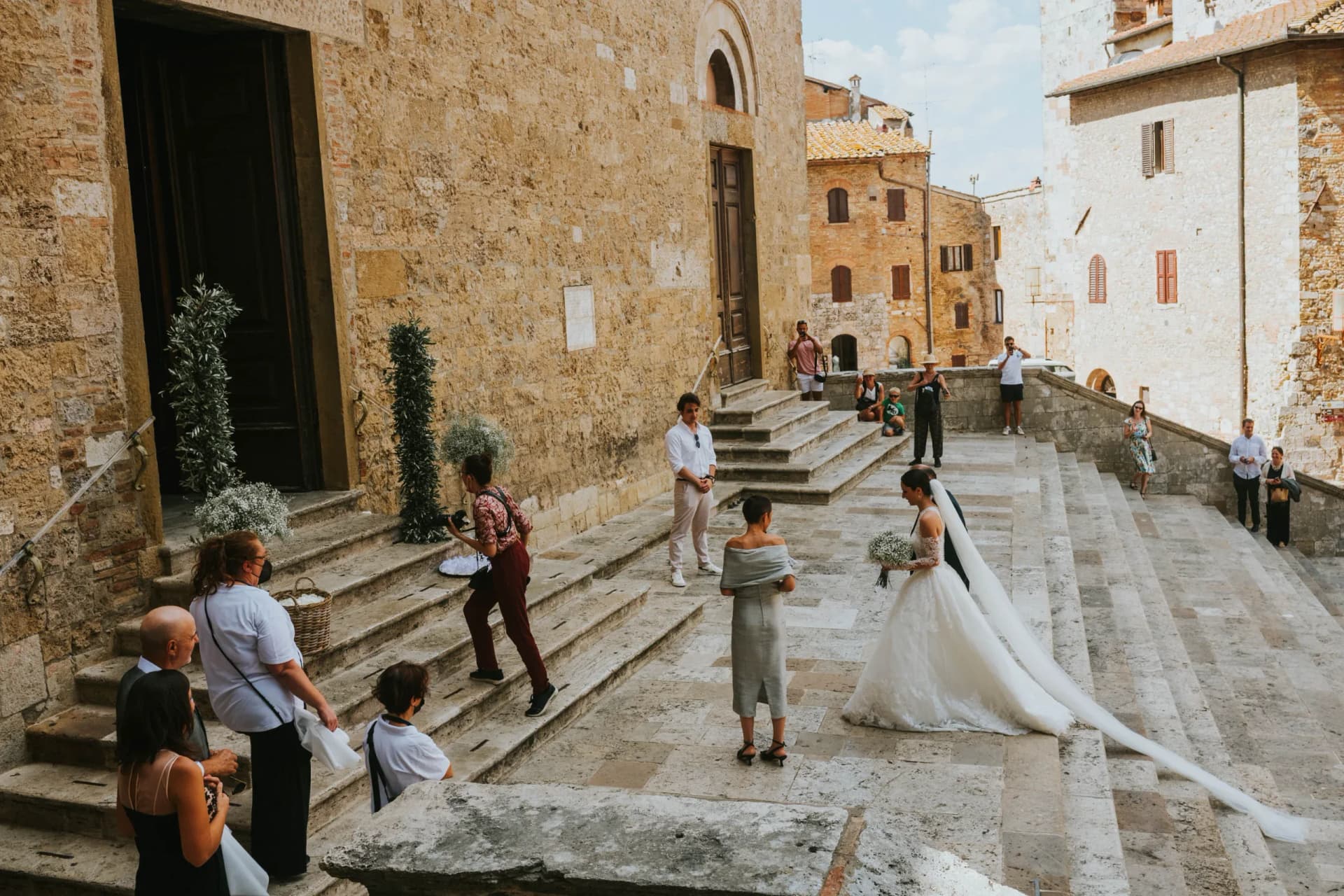
The legal registration and the wedding celebration are separate considerations. Couples can arrange a religious or cultural ceremony alongside their civil registration, but the celebrant and ceremony must meet the applicable legal requirements for the marriage to be recognised. A ceremony conducted at a hotel, estate or private property also requires the appropriate registrar's permission if the legal marriage is to be registered outside the registrar's office.
The Registrar General's Department provides the relevant marriage registration requirements. Couples planning an extended trip can also explore our Asia honeymoon guide for inspiration beyond the wedding day.
The residence requirement depends on how long either party has been in Sri Lanka before submitting the notice:
If both parties have been resident in Sri Lanka for at least 10 days, the notice can be lodged in the relevant registrar's division.
If only one party has been resident in Sri Lanka for the preceding 10 days, that party may give notice.
If neither party has been resident in Sri Lanka for 10 days, one party must have resided in the relevant division for at least four days before lodging the notice.
The four-day provision is particularly relevant to couples travelling to Sri Lanka specifically to marry. The notice may be submitted by one party in certain circumstances, including in anticipation of the other party's arrival. Confirm the applicable arrangement with the registrar before finalising flights and accommodation.
For two foreign nationals marrying under the General Marriage Ordinance, prepare the following as a starting point:
Valid passports for both parties.
Original birth certificates, with copies where requested.
An official certificate of marital status or evidence that each party is legally free to marry.
Divorce decrees or final divorce certificates, where applicable.
A previous spouse's death certificate and previous marriage certificate, where applicable.
Certified translations and document authentication, if required by the issuing country or Sri Lankan authorities.
Requirements for civil-status evidence differ between nationalities. Some Sri Lankan diplomatic missions request an affidavit or statutory declaration confirming that an applicant is unmarried and free to marry, while others specify a Certificate of No Impediment or equivalent. Check the requirements of the Sri Lankan mission responsible for your country before arranging documents.
An additional distinction applies when one party is a Sri Lankan citizen. In this situation, the Registrar General's Department requires a separate licence application. The foreign national must provide a police clearance certificate obtained within six months, civil-status documentation and, where applicable, divorce documentation. A health declaration, passport copies and other supporting paperwork are also required. The department indicates that the clearance report takes 14 working days after submission of the documents to its head office. The resulting licence is valid for up to three months.
Choose the registration location. Identify the registrar's division or Divisional Secretariat associated with the intended wedding location.
Confirm the document requirements. Contact the registrar and the relevant Sri Lankan diplomatic mission to establish which original documents, translations and certifications are required.
Meet the residence requirement. Allow at least four days of residence before lodging the notice if neither party meets the 10-day requirement.
Submit the notice of marriage. Complete the notice in duplicate, have it certified by an authorised person and lodge it with the relevant registrar.
Observe the notice period. Allow 14 days to elapse after the notice has been handed over. A special licence may be requested if the couple needs to marry sooner.
Register the marriage. Attend the registration with two witnesses and their identification documents. If the legal registration is to take place at a venue rather than the registrar's office, obtain permission in advance.
Collect the marriage certificate. Retain the original certificate and arrange any required translation and authentication for overseas use.
For the general registration route, the 14-day notice period begins after the notice has been submitted. Where neither party has met the 10-day residence requirement, the four-day residence period must also be accommodated before lodging the notice. Accordingly, couples should allow approximately three weeks or longer for the process, rather than treating this as a guaranteed completion period.
The Registrar General's Department lists a registration fee of LKR 900, with separate charges for lodging the notice and issuing the registrar's certificate. Its published fee schedule also lists a LKR 120 special-licence fee. These are government charges, not the full cost of arranging a destination wedding, and should be reconfirmed with the relevant office before travel.
For marriages between a Sri Lankan citizen and a foreign national, allow additional time for the Registrar General's clearance process, which is listed as 14 working days.
A marriage legally registered in Sri Lanka may require further documentation before it can be presented to authorities in another country. Depending on the destination country's rules, this can include an official English translation if the certificate is issued in Sinhala or Tamil, authentication by Sri Lanka's Ministry of Foreign Affairs and additional certification by the relevant diplomatic mission.
The Sri Lankan High Commission in the couple's home country can advise on the appropriate process. Couples should also check whether their home country's marriage registry requires a certified translation, legalisation or other supporting documentation.
Importantly, authentication and apostille requirements are not interchangeable. Confirm the accepted procedure with the authority that will receive the marriage certificate rather than assuming that an apostille is required.
A destination wedding in Sri Lanka involves more than selecting a beautiful setting. The registration location, arrival dates, documentation, guest travel and ceremony arrangements all need to work together.
Wedded Wonderland coordinates celebrations across Sri Lanka and the wider region, bringing together venue selection, trusted suppliers, guest experiences and the practical arrangements surrounding the wedding. Explore our destination wedding packages and Asia destination hub to discover the possibilities.
General Marriage Ordinance: The legislation governing civil marriage registration for couples who fall within its scope in Sri Lanka.
Notice of Marriage: The formal notice submitted to the relevant Marriage Registrar before the marriage can be registered.
Additional District Registrar: An official responsible for marriage registration and other civil registration matters within a designated district or Divisional Secretariat.
Certificate of No Impediment: A document issued by an authorised institution confirming that a person is legally free to marry.
Special Licence: Permission that may allow a marriage to be registered before the usual 14-day notice period has elapsed.
Authentication: Official verification of a document or signature for acceptance by another authority. The required process depends on the country in which the document will be used.
Registrar General's Department of Sri Lanka, Registration of marriages
News 1st, Lankans told to obtain security clearance report over foreign spouses
Written by

Editor & Content Writer
Jillian Arambulo is the Editorial and Content Writer at Wedded Wonderland, specialising in branded content strategy. Her writing spans luxury lifestyle, travel, culture, beauty and emerging trends, bringing together comprehensive guides and features that connect readers with the places, ideas and experiences worth discovering.
Search real weddings, venues and vendors from around the world.
Search Wedded Wonderland