Getting married in Seychelles is open to Australians aged 18 and over, and in most cases Australia recognises the marriage. The Civil Status office registers it with you both present, once the banns have run or a special licence is granted. This Wedded Wonderland guide takes each step in the order you will meet it. It runs from the papers you gather at home to the certificate you carry back.
Yes. As of November 2026, the age to marry in the Seychelles is 18 and over. The Civil Status office keeps a separate list of documents for couples where both partners are foreigners, which is where two Australians flying in for their wedding sit.
The marriage certificate the Civil Status office issues is a legal document, valid worldwide. The office sets out its process on the Getting Married page of Immigration and Civil Status Seychelles. Read it together once, before you sign anything with a resort.
Australia applies its own test when you come home. It does not recognise an overseas marriage where either person is already married to someone else, is not old enough to marry, is too closely related to the other, or is forced to marry. Outside those cases, a marriage that was valid where it took place, and would have been valid under Australian law had it happened here, is in most cases legally recognised.
A civil marriage is the one that makes you married. It is registered by the Civil Status office, and it is the ceremony that puts your Seychelles date on your marriage certificate.
A religious ceremony can sit alongside it, but not in place of it. The Australian High Commission's guidance for couples marrying in the Seychelles is that a church wedding without a civil ceremony is not legally recognised, so the civil marriage comes first. If faith is part of the day you picture, speak to your church as early as you speak to the Civil Status office.
A symbolic ceremony is the one you write yourselves, with no legal formalities attached. Some couples keep the civil marriage small and quiet, then gather everyone on the sand in the late afternoon for the vows they have written.
Most of the work happens before you board the plane. Start with the documents the Civil Status office needs, then turn to the entry and health rules for you and your guests.

For a wedding between two foreigners, the Civil Status office lists these documents:
A completed marriage application (registration) form.
The birth certificates of both of you.
Divorce certificates, where either of you has been married before.
The death certificate of a previous spouse, where either of you is widowed.
A clear copy of both passports.
All documents should be apostilled and authenticated. Every document issued overseas must also be translated into English or French. Australian documents are already in English, so for most couples the work lies in the apostille rather than the translation.
One question to settle early: whether the office accepts certified copies of your birth and divorce certificates, or wants the originals. Ask the Civil Status office directly, and keep the answer in writing.
Ask the overseas authority which documents it needs and which must be legalised. Documents that are not original Australian public documents must first be notarised by an Australian Notary Public.
The apostille is applied directly to the document. If you would rather not have your originals marked, have a notarised copy legalised instead, and check the Civil Status office accepts it. Requests use the Document Legalisation Request Form, signed in front of an authorised witness, and can be lodged by appointment at an Australian Passport Office or by registered mail. A fee applies.
Processing times vary, with delays at the end of the school year and in peak holiday periods. Lodge early, well before the Christmas rush if you plan to marry in the new year.
With the papers in hand, turn to the travel side, because it has its own rules and they can move. Smartraveller's Seychelles advice currently sits at "Exercise normal safety precautions". Subscribe to updates for your travel dates, and ask your guests to do the same.
Australians visiting as tourists do not need a visa, but must apply online for a Digital Travel Authorisation before they travel, with supporting documents such as proof of accommodation and a return or onward ticket. On arrival you receive a visitor's permit for up to three months, and you may be asked to show evidence of funds, accommodation, onward travel and travel insurance.
If you or any guest is coming from a country with yellow fever, a valid yellow fever vaccination certificate is needed to enter. Check your guests' routes as well as your own.
Medical facilities are limited outside Mahé, there is no reciprocal healthcare agreement with Australia, and tourists pay for all care. Take out travel insurance that covers medical evacuation, for the two of you and for any parents travelling with you.
Australia has no embassy, high commission or consulate in the Seychelles. The Australian High Commission in Port Louis, Mauritius is your consular contact, for passport services and if anything goes wrong while you are there.
The office answers the questions couples ask most on its Marriage Registrar FAQ. Here is the sequence in full.
Foreigners may contact the Civil Status office at Independence House in Victoria, on Mahé, or by email, or make arrangements through a local wedding agent or their hotel, to register their wedding eleven days in advance. Civil Status offices are also listed on Praslin and La Digue.
The Australian High Commission's guidance is to plan at least two months ahead to allow for the paperwork, and to be in the Seychelles at least two days before the civil ceremony.
Before the marriage can take place, the banns are published for eleven days before the date of the wedding. If you intend to marry before the full period has run, apply for a special marriage licence, subject to the approval of the Chief Officer of Civil Status. It is normally issued within two days of the application, and a fee applies.
Arrive closer to the date and the licence is the route, so ask the office what it needs with your application.
Both of you should be present for the registration, which by default takes place at the office. It need not stay there. The official wording calls this registering your marriage "at home", which means somewhere other than the office, and asks for at least a week's notice to the office. Confirm the exact location with the office before you settle the setting.

The Civil Status office registers your marriage. When both of you are foreigners, a fee applies. It applies on Mahé, Praslin and La Digue, and at a higher rate on other islands, where you also cover the officer's transport, accommodation and meals.
Put three questions to the office once your date is set. Which officer attends, at what time of day, and how long the formal part of the ceremony takes.
Witnesses are a question for the office. When you contact it, ask whether you need them, how many, whether you provide them yourselves and what identification they should bring. Settle the answer before you fly, so no one is asked on the morning.
The ceremony ends the legal formalities in the Seychelles. A few quiet errands remain before you fly, and they decide how easily the certificate works back home.

Before you leave the country, make sure your marriage certificate is apostilled by the Seychelles Supreme Court and issued with a letter of authentication by the Seychelles Ministry of Foreign Affairs. Plan a weekday morning for it in the days after the wedding, and keep the original safe in your hand luggage on the way home.
If an apostille is new to you, our guide to what an apostille is and whether your paperwork needs one explains it in plain terms. For what to do with the document itself once you land, see our guide to your overseas marriage certificate.
You cannot register an overseas marriage in Australia. In most cases it is legally recognised if it was valid in the country where it took place and would have been valid under Australian law had it happened here. We explain this in more detail in do you have to register an overseas marriage at home.
A foreign marriage certificate is usually accepted as proof of the marriage, but it may not work as proof of a change of name, so check with your state or territory registry of births, deaths and marriages before you update passports or bank accounts. Smartraveller's getting married overseas guidance is the place to start.
If Australia recognises your marriage, you cannot marry again here. You can hold another kind of ceremony, such as a confirmation of vows or a recommitment ceremony. A celebration at home is a lovely way to include anyone who could not travel.
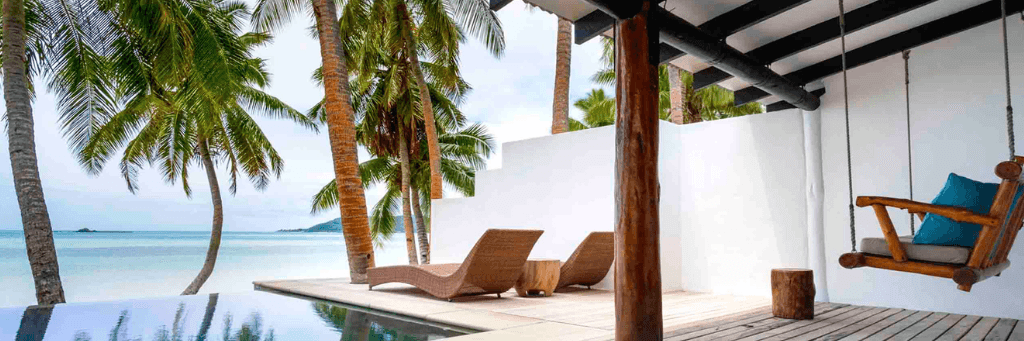
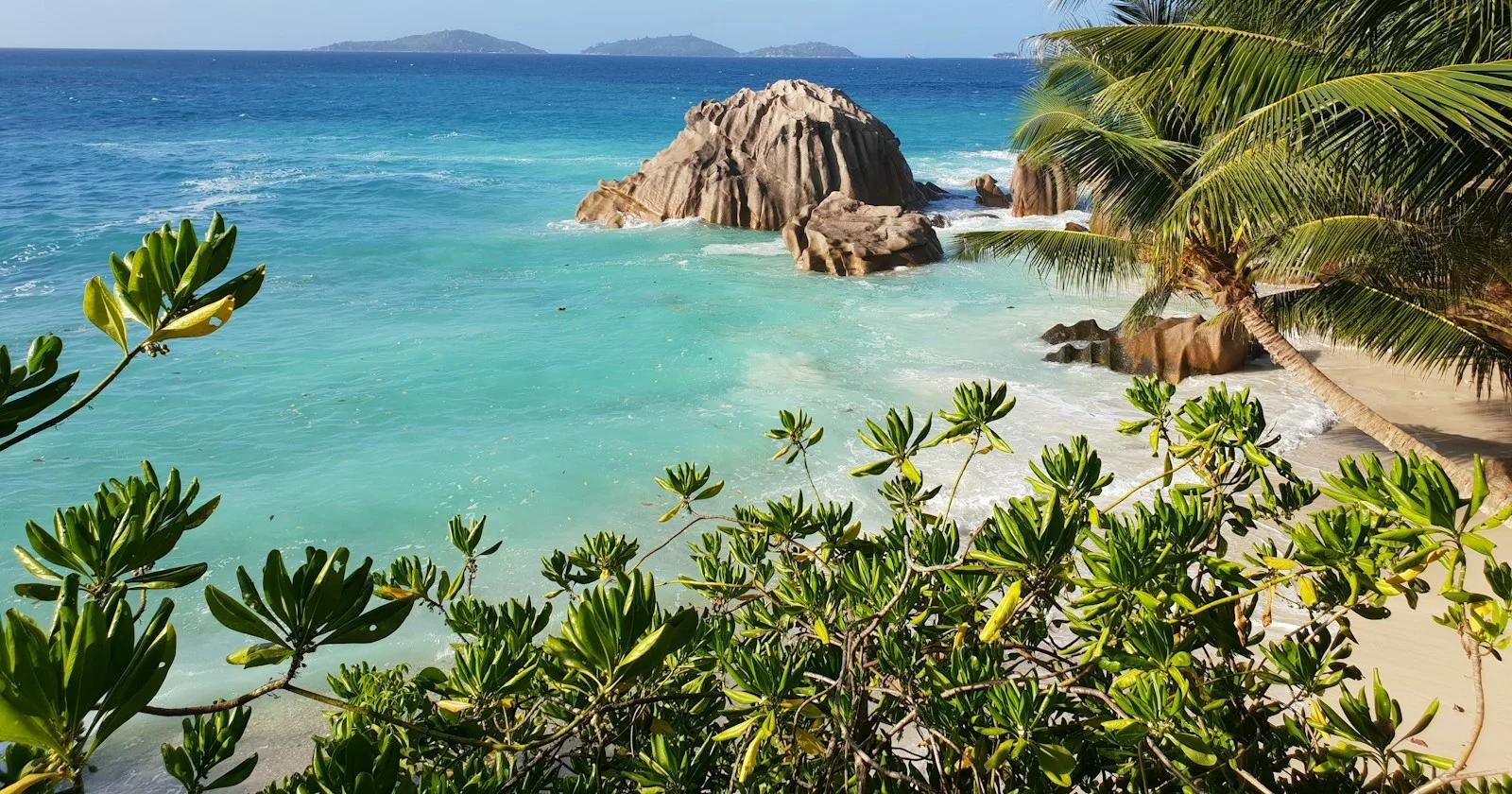
The beach is the picture most couples hold, and the legal ceremony can follow you there. The official wording allows you to register your marriage "at home", meaning somewhere other than the office, with at least a week's notice to the office. When both of you are foreigners, a fee applies.
The Australian High Commission in Port Louis says civil ceremonies may be held around the hotel property with permission from both the hotel and the Civil Registrar. Confirm the exact location with the office ahead, and keep the answer in writing.
Discretion matters here too. People in the Seychelles are usually very traditional, so avoid public displays of affection, especially in rural or traditional places. A public beach is a different setting from a private terrace, and the kiss at the end of the vows is part of the day.

For a high-profile family or a guest list with privacy needs, ask the resort:
Sole use. Can you take the whole property, or the ceremony space alone, for the hours or days you need?
Security. Who controls access to the ceremony area, how are drones and outside photographers handled, and how does the venue's security work alongside your own private team?
Privacy. Is the beach in front of the resort private to its guests, and who else can walk through during the vows?
Deposits. What is due at each stage, what is refundable, and what happens if weather moves the date? Whose name is on the contract, and in what language and currency is it written?
Step-free access. Can older guests and anyone using a wheelchair reach the ceremony space, the reception and their rooms without steps or sand?
The officer's attendance. Does the resort coordinate with the Civil Status office for an on-site ceremony, and who confirms the officer's time?
If a resort presents a wedding package, ask whether it covers the civil formalities, the officer's attendance and the certificate errands after the wedding, and ask for that list in writing.
Smartraveller notes that heavy rain can occur, especially during the monsoon season from November to March, causing flooding and landslides that damage roads. If your date falls in the wet season, check with operators whether services are running, and give your resort a covered alternative for both the ceremony and the dinner.

Outbreaks of dengue and chikungunya occur, particularly during and after the rainy season. See your doctor about health risks and vaccines before you go.
Many beaches have strong currents and rips, with few lifeguards or warning signs, and conditions change with the season. Ask your resort for local advice before a morning-after swim, and pass it on to your guests in their welcome notes.
The island you choose shapes the logistics as much as the view. Three of them hold Civil Status offices: Mahé, Praslin and La Digue.

Mahé holds the central Civil Status office at Independence House in Victoria. It is also home to Seychelles Hospital, the main public hospital. You can drive on Mahé, and public buses run from early morning to early evening.
Praslin has its own Civil Status office. It is one of the two islands where you can drive, and it has public buses and registered taxis.
La Digue has a Civil Status office too. Registered taxis run on some parts of the island, and its hospital clinic provides only very limited treatment, so plan the day with older guests in mind.
Most of the inner islands can be reached by ferry, and weather can make boat travel dangerous, so check sea and weather conditions and wear a life jacket. Marrying on an island other than Mahé, Praslin or La Digue carries a higher fee, and you cover the officer's transport, accommodation and meals. Ask the resort how it brings the officer across, and what happens if the sea is too rough on the day.
The legal process is the same wherever you marry in the Seychelles. What changes from resort to resort is how much of the day the venue can hold: the officer's arrival, the privacy of the ceremony space, the covered alternative, the dinner by the water.
One Wedded Advisor, start to finish, is your single point of contact, and confirms inclusions in writing before you commit. Speak with Wedded Concierge to start shaping yours.
Some couples turn the wedding into the honeymoon and make the Seychelles an Indian Ocean finish after safari. For venues, colour and ideas, browse the Wedded Wonderland magazine.
The paperwork has a clear order: apostilled documents from home, the banns or a special licence, registration with you both present, then the certificate apostilled and authenticated before you fly. Everything around it, from the island you choose to the hour you marry, is where the planning starts.
Your Wedded Advisor works in your time zone, quotes in AUD, and agrees the fee in writing before any work begins.
Written by

SEO Specialist
Ayrton Christian Braga is an SEO Specialist at Wedded Wonderland, where he writes optimized articles and web pages that center on destination weddings, cultural wedding traditions, and guides for everything in between.
Search real weddings, venues and vendors from around the world.
Search Wedded Wonderland