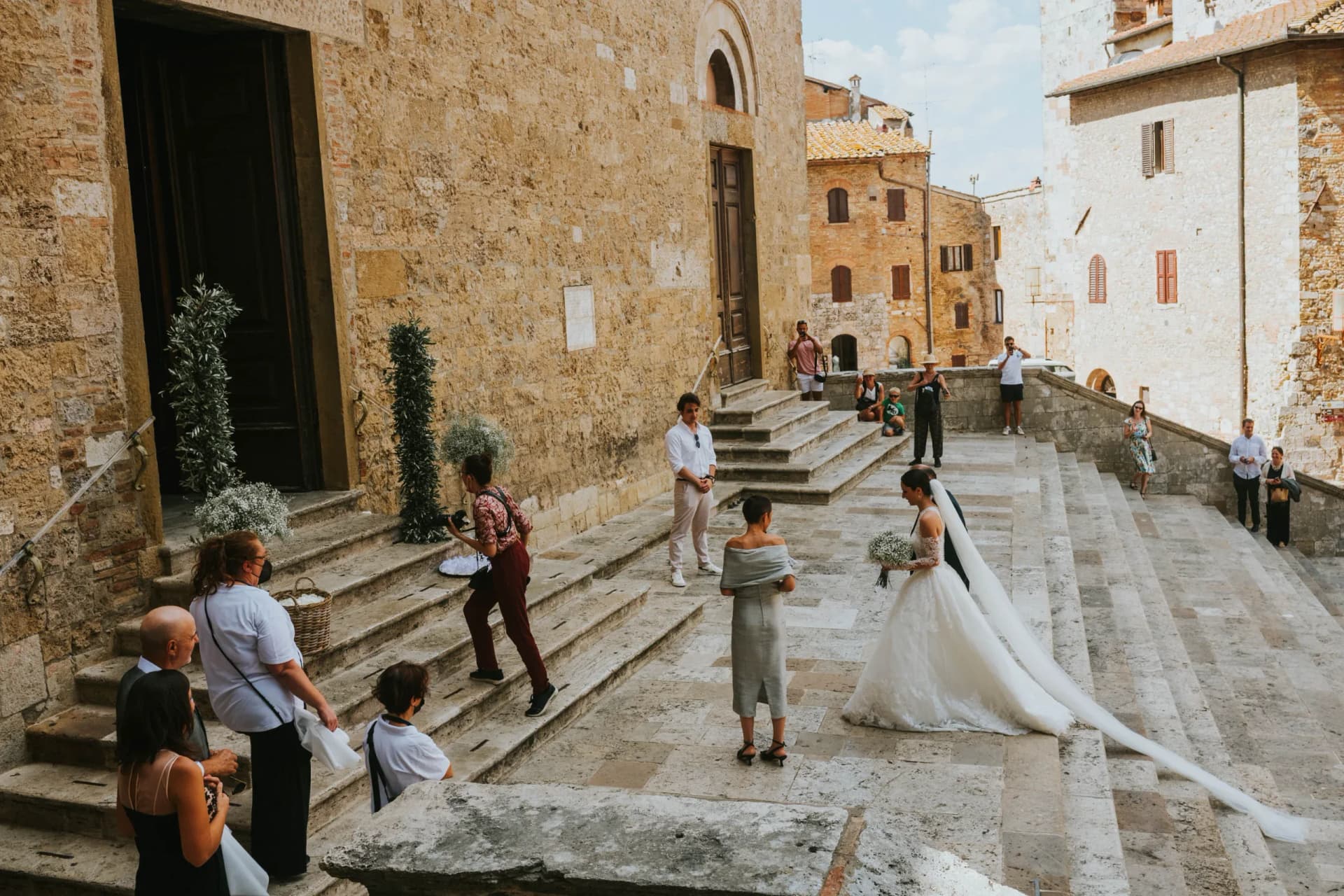
Sicily has stepped out of the shadow of Tuscany and the Amalfi Coast. A Sicily wedding brings baroque piazzas, Greek ruins, citrus groves and a coastline that runs from volcanic cliffs to old tuna-fishing villages, with some of Italy's best food at every turn. The island is large, though, and its traditions run deep. Here is what a Sicilian wedding really involves.

Sicily is several destinations in one. Most guests fly into Palermo in the northwest or Catania in the east, so let transfer times guide your shortlist.
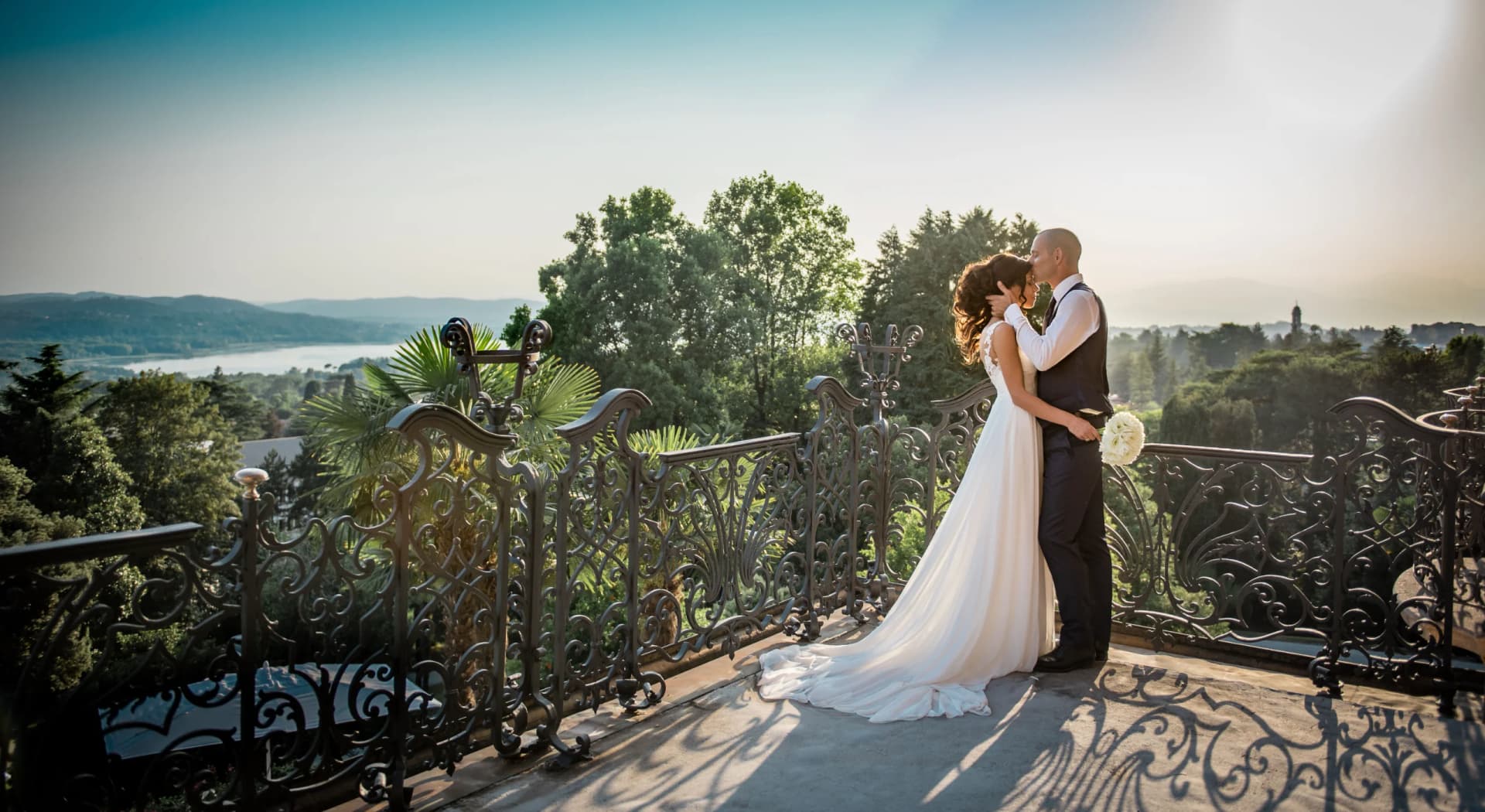
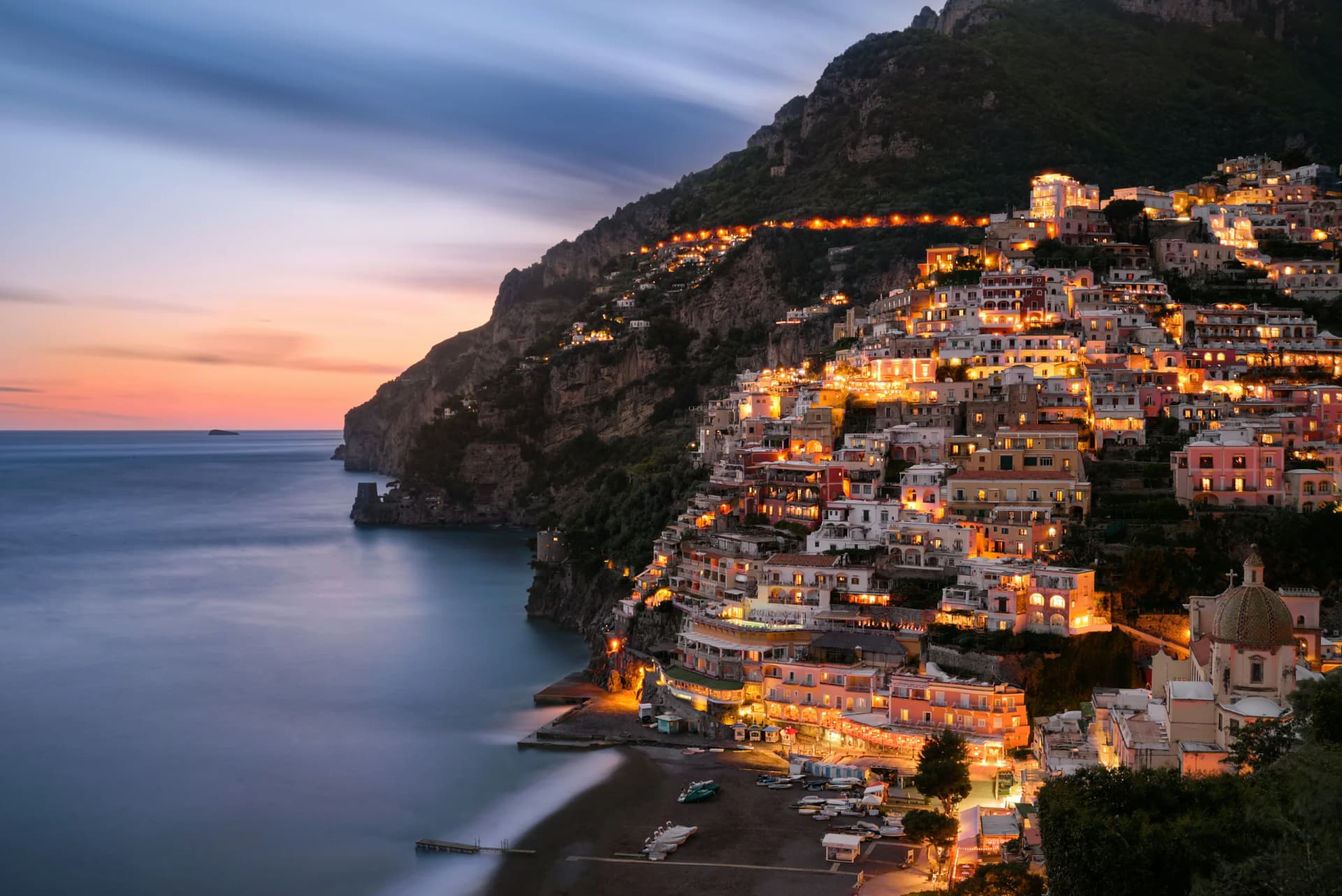
Taormina and the East Coast: Clifftop hotels look out over the Ionian Sea and toward Mount Etna, with the ancient Greek theatre a short stroll away. It is one of the island's most requested wedding towns, so prime dates go early.
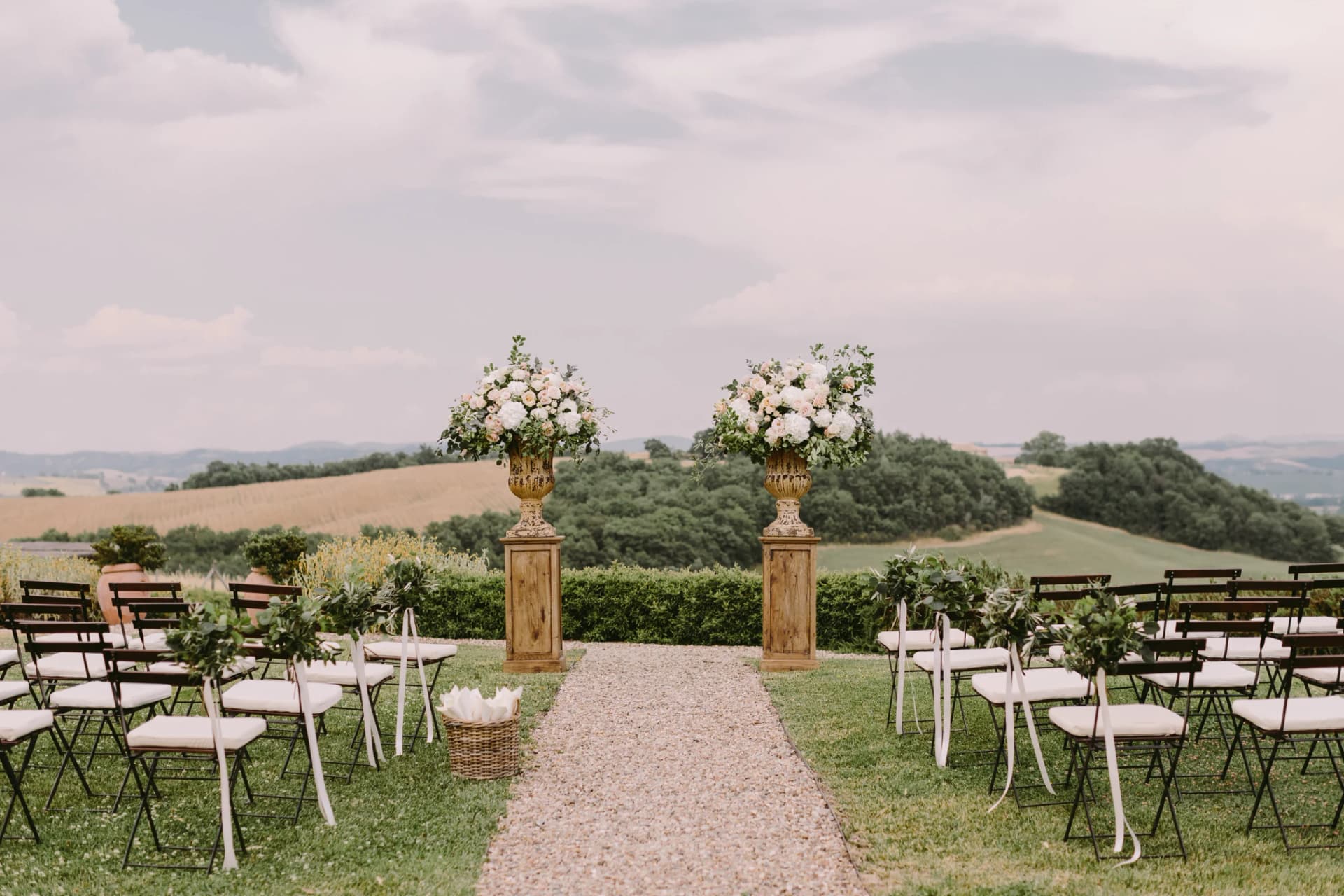
Noto and the Val di Noto: The UNESCO-listed baroque towns of the southeast pair honey-coloured churches with country estates among olive and citrus groves. Masserie inland from Noto and Ragusa often offer better value than the coast, and Syracuse's island quarter of Ortigia is close by.
Palermo and the Northwest: Expect Arab-Norman palaces, grand seafront villas and Monreale's mosaic-filled cathedral nearby, while the historic tonnaras (former tuna fisheries) near Scopello deliver raw, sea-sprayed drama.
Weighing Sicily against the mainland? Compare it with our guides to Tuscany, the Amalfi Coast and Lake Como, or browse every Italy wedding destination.
The sweet spots are mid-May to late June and September to mid-October. June and September are the busiest months, while October is gaining ground with couples drawn to the grape harvest and softer light. August highs around Catania average above 33°C, so summer ceremonies belong in the early evening, not mid-afternoon.
For peak season, book 12 to 18 months ahead. Sought-after wedding bands are often reserved close to a year out.

Italy recognises civil ceremonies, Catholic church weddings and ceremonies led by state-authorised ministers of certain other faiths as legally binding. Foreign couples typically need:
A Nulla Osta (declaration of no impediment) from their embassy or consulate, legalised at the local Prefettura and valid for six months
An Atto Notorio (a sworn statement made before witnesses), required for some nationalities, including US and Australian citizens
A sworn declaration at the town hall (comune) a few days before the wedding
Two witnesses with valid ID on the day
An interpreter if either partner or a witness does not speak Italian; a witness cannot also act as interpreter
Requirements vary by nationality and comune, so start early. If your officiant isn't authorised by the Italian state, you'll need a civil ceremony first. Many couples marry legally at home and hold a symbolic ceremony in Sicily, which gives them full freedom over the setting, since legal civil ceremonies must take place in a town hall or a venue the comune has approved.
Our destination wedding guide covers the legal basics in other countries too.

Sicilian weddings centre on family, food and a few customs that translate beautifully to a destination celebration. Here are some of those customs and traditions to look into for your wedding:
Confetti and Bomboniere: In Italy, confetti are sugared almonds, gifted in odd numbers. Five stand for health, wealth, happiness, fertility and long life. Pair them with hand-painted Caltagirone ceramics for a favour guests will keep.
La Busta: Guests traditionally give money in an envelope rather than a registry gift.
La Serenata: On the eve of the wedding, the groom serenades the bride beneath her window, often with hired musicians.
The Tarantella: Guests join hands in a circle that spins faster as the music builds.
The Feast: Expect many courses, then a dessert table of cannoli, cassata and late-night granita. No Sicily wedding would be complete without this.
Explore more wedding traditions around the world.
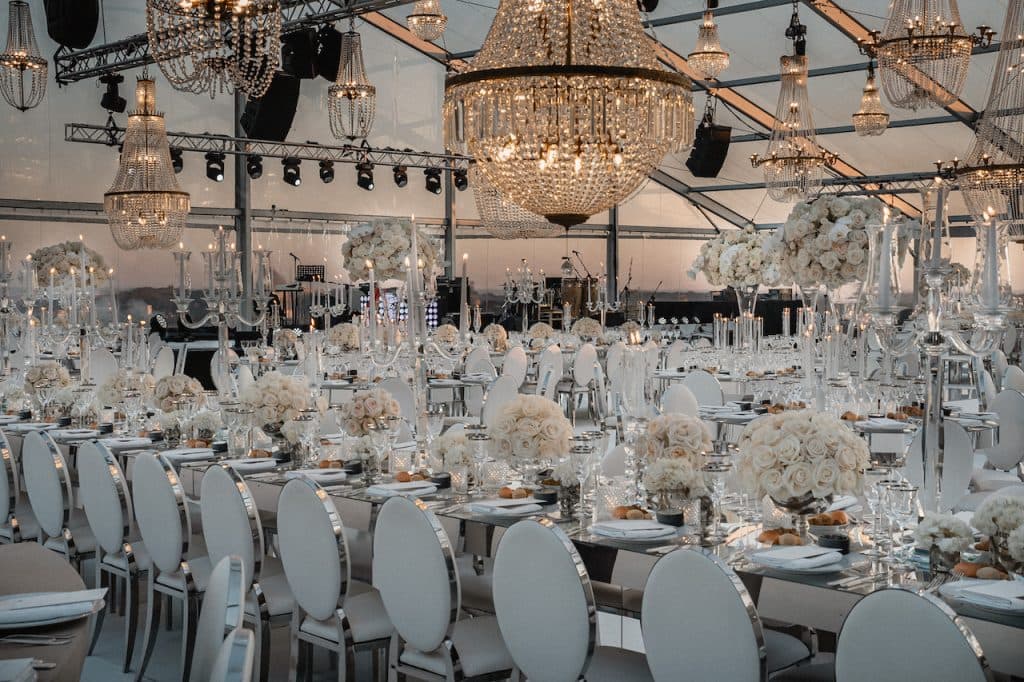
Many Sicilian venues are hired for three days, often with rooms on site, so the celebration becomes a house party. A typical weekend opens with a welcome aperitivo of arancini and Etna wine, moves to a golden-hour ceremony and a dinner that runs past midnight, then closes with a farewell lunch or a boat day along the coast.
Behind it all sits careful logistics: transfers, guest rooms and suppliers who can adapt when plans change, as Lexi Hensler's Sicily wedding proved. Share our destination wedding etiquette tips with guests, then start dreaming about the honeymoon.
Written by

SEO Specialist
Ayrton Christian Braga is an SEO Specialist at Wedded Wonderland, where he writes optimized articles and web pages that center on destination weddings, cultural wedding traditions, and guides for everything in between.