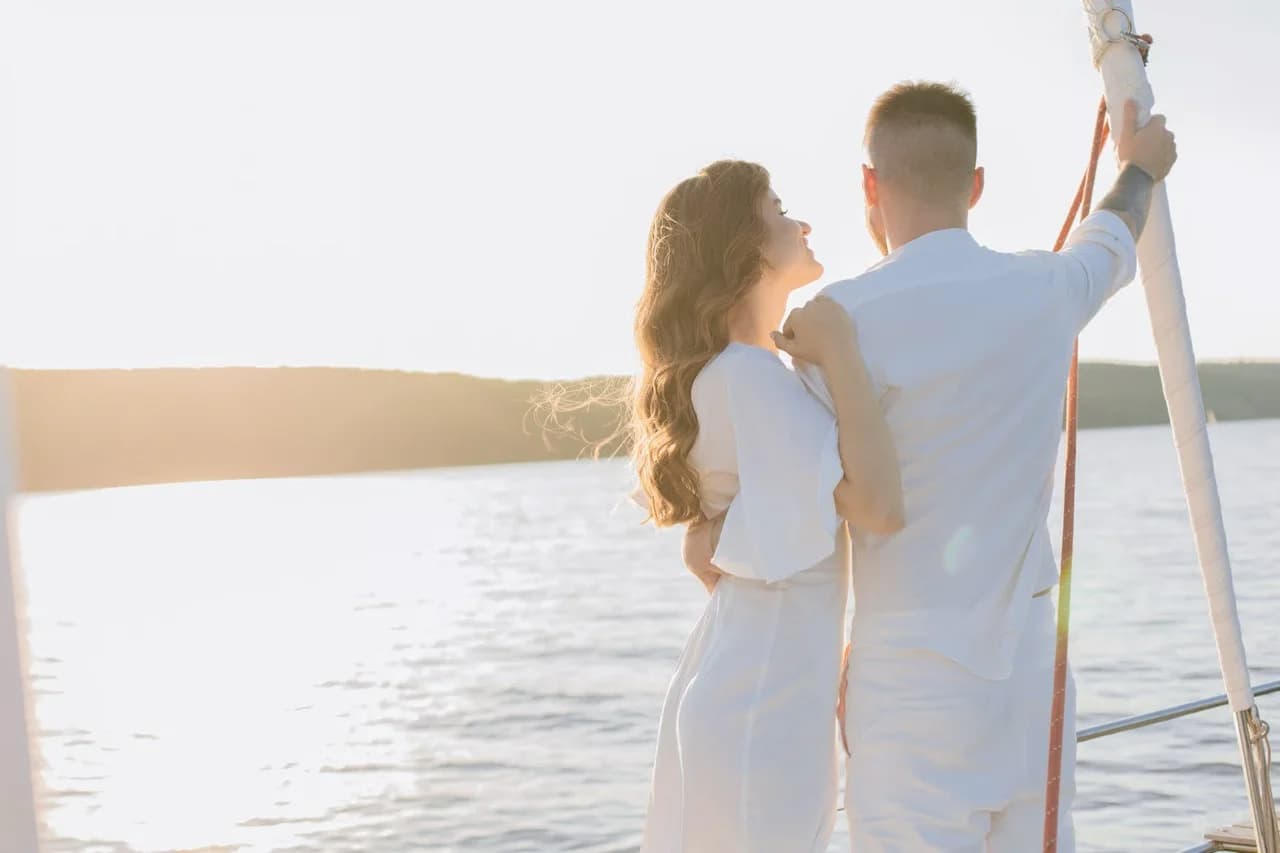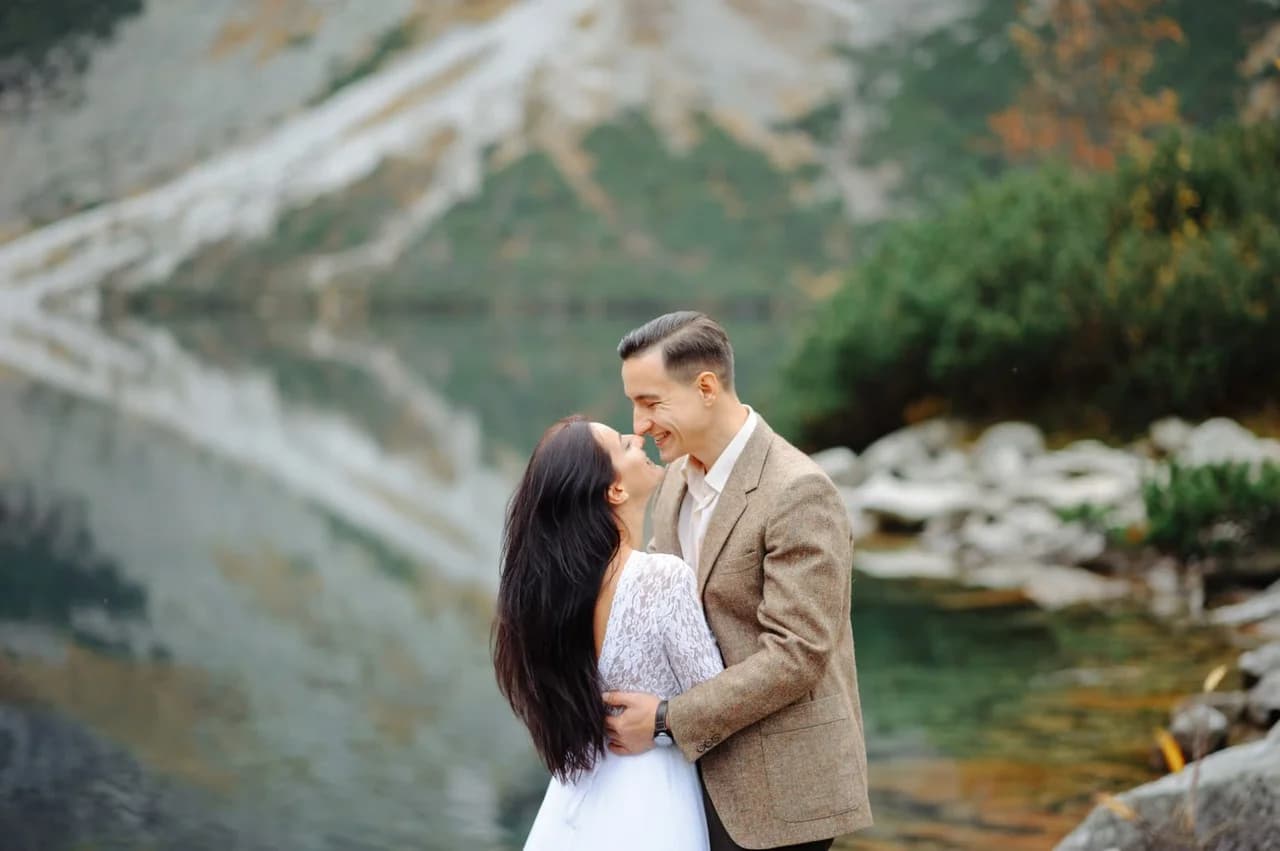
When to go on honeymoon depends on two decisions: how soon to leave after the wedding and which season suits your destination. At Wedded Wonderland, we plan celebrations from the proposal to the final evening of the honeymoon, with timing shaping how the journey unfolds. This guide covers when to leave, when to travel and which seasons lend themselves to a slower, more considered honeymoon.
Most couples begin their honeymoon within a week of the wedding, though there is no single correct interval. The choice rests on how you want to feel when you arrive and what the weeks after the wedding hold.
Leaving within a day or two carries the celebration directly into the journey. It suits couples who have planned well ahead and want the feeling of the wedding to continue somewhere quiet.
The consideration is energy. After months of planning and a long wedding day, a long-haul flight the next morning can feel demanding, so we often arrange a first night near the airport or a later departure.
A short pause gives time to rest, spend time with family who travelled for the wedding and close out the final details. Couples who wait a little tend to arrive rested and ready for the first evening.
Some couples wait several months, or travel close to their first anniversary. This works well when the wedding falls in a destination's wet or closed season, when work leave is limited, or when a particular moment matters, such as cherry blossom in Kyoto.
A delayed honeymoon also gives the planning room to breathe. The anticipation becomes part of the experience.
A few quiet nights close to home after the wedding, with the main honeymoon later in the year, offers the best of both. The first stay is for rest, and the later journey has the season and the time it deserves.
The season decides what a destination can offer, from the warmth of the water to whether its hotels are open at all. Matching your dates to a destination's best months shapes the honeymoon more than any other timing decision.
Destination | Best months for a honeymoon | Why |
|---|---|---|
Italy | May, June, September, early October | Warm days, open hotels, calmer towns |
Greek islands | May, June, September, early October | Warm sea, gentler winds, fewer visitors |
Maldives | December to April | Dry season, calm seas, clear water |
Bali | May to September | Dry season, lower humidity |
French Polynesia and Fiji | May to October | Dry season, outside the cyclone months |
Seychelles | April, May, October, November | Calm seas between the trade winds |
Japan | Late March to early April, October to November | Cherry blossom, then autumn colour |
Kenya and Tanzania | July to October | The Great Migration in the Serengeti and Maasai Mara |
Lapland and northern Norway | Late September to March | Long nights for the Northern Lights |
The months either side of peak season bring warm days, quieter towns and more attentive service. In the Mediterranean, that means May, June, September and early October.
Terraces and beaches have more space, tables at the most sought-after restaurants are easier to secure, and the pace of each day eases with the season.
In the tropics, rainfall and cyclone patterns set the calendar. The South Pacific cyclone season runs from November to April, which is why May to October suits Fiji and French Polynesia.
Travelling outside the dry season can still be rewarding, with green landscapes and fewer guests. Brief downpours and rougher seas are part of the trade.
Some journeys are defined by a natural event. Cherry blossom in Japan usually peaks in late March and early April, and the Great Migration moves through East Africa from about July to October.
The best properties for these weeks fill quickly, so we set the dates before anything else.
Seasons reverse across the equator, which can work in a couple's favour. An early spring wedding in Australia leads naturally into a European September, while a December wedding aligns with the Maldives at its most settled.

Our signature destinations share a season that runs from about April to October. Within it, a few weeks in late spring and early autumn stand out for each, and they reward couples who choose one setting and stay.
The lake's grand hotels and villas generally open from late March or April to early November. May, June and September bring mild days on the water, gardens in bloom early in the season and a quieter lake than in August.
We favour a single villa or lakeside hotel here, with the days arranged around a private boat and long lunches in the villages.
Tuscany rewards late spring and early autumn. May and June bring wildflowers and long evenings, while September and October bring the vendemmia and the start of truffle season.
A restored estate in the Val d'Orcia or Chianti makes an ideal single base, close enough to Florence and Siena for a day without ever needing to move.
Many of the coast's finest hotels open from around April to late October and close through winter. Late May, June and September offer warm water and easier days on the coastal road, which is at its busiest in July and August.
Positano or Ravello can hold the whole honeymoon, with Capri reached by private boat for a day.
Puglia is warm from May to October, with June and September the most comfortable months. Around Ferragosto in mid-August, the coast fills with Italian families on their own summer break.
A masseria among the olive groves suits an unhurried week, with the trulli towns of the Valle d'Itria a short drive away.
Santorini is at its most rewarding in May, June, September and early October. July and August bring strong meltemi winds and the island's busiest days, particularly when cruise ships are in port.
A caldera suite with its own terrace means each sunset is watched in private, far from the crowds of Oia's lanes.
Good timing gives a honeymoon room to breathe. When a destination is visited in its best season, one or two places can carry the whole journey, and each day can take its shape from the setting.
The honeymoons couples remember most are rarely the busiest. A villa on Lake Como or an estate in Tuscany in its finest month can hold a week or more with ease, and each extra night reveals more of the place.
We generally suggest one base for a week, or two for ten nights or longer, with the journey between them treated as part of the experience. Our guide to how long a honeymoon should be explains how length and pacing work together.
After a long-haul flight, the first day is best left open, with nothing booked beyond dinner. A private transfer from the airport and an early check-in let the honeymoon begin with rest.
Work leave often decides the dates as much as the season does. Confirming leave early, and keeping a quiet day at home before returning to work, keeps the end of the honeymoon as gentle as its beginning.

The best rooms in the best months are reserved long before the wedding. Booking 9 to 12 months ahead for peak periods, and around six months ahead for shoulder season, keeps the choice of suite and villa open.
For May, June and September in Europe, or December to April in the Maldives, we begin securing accommodation 9 to 12 months ahead. Signature suites, private villas and hotels with only a handful of rooms are the first to be reserved.
Airlines typically release seats around 11 months before departure, so premium cabins on popular routes reward early planning too.
Peak weeks carry the highest nightly rates and often a minimum stay, while the shoulder months can bring the same suite at a gentler rate. Our luxury honeymoon budget guide shows how the spend shifts across each destination's year.
Once the main bookings are confirmed, travel insurance with cancellation cover should follow promptly. Reading each property's deposit and cancellation terms before committing keeps the plan secure if the dates need to move.
For couples marrying abroad, the honeymoon can begin where the celebration ends. The long-haul flight is already behind you, the guests depart, and the journey continues at a slower pace.
Our work spans proposals, engagements and weddings across Italy, Greece and beyond, and many of the couples we plan for carry one straight into the other. After a wedding on Lake Como, a few nights on a quiet Tuscan estate or along the Amalfi Coast feel like a natural next chapter.
We suggest allowing a day between the final guest farewell and the first honeymoon night. A change of setting, even a short drive away, helps the honeymoon feel like its own beginning.
For couples deciding which setting suits this approach, our guide to what each level of honeymoon spend buys pairs our signature destinations with the stays that suit them.
Deciding when to go on honeymoon touches every other choice, from the destination to the number of nights. Discover Wedded Concierge, where we begin every wedding, honeymoon, or celebration with a conversation.
We talk through your wedding date, work commitments, preferred seasons and the kind of days you hope to spend together. From there, we shape a honeymoon with the right dates, the right setting and time to slow down.
Shoulder season: The months either side of peak season, with warm weather and fewer visitors.
Dry season: The months of lowest rainfall in a tropical destination, usually the most settled time to travel.
Delayed honeymoon: A honeymoon taken months after the wedding, often timed to a season or the first anniversary.
Mini-moon: A short stay soon after the wedding, with a longer honeymoon to follow.
Minimum stay: The fewest nights a property accepts in one booking, common in peak weeks.
Vendemmia: The Italian grape harvest, usually in September and October.
Ferragosto: Italy's public holiday on 15 August, at the centre of the national summer break.
Meltemi: The strong, dry northerly wind of the Aegean, most frequent in July and August.
Written by

Editor & Content Writer
Jillian Arambulo is the Editorial and Content Writer at Wedded Wonderland, specialising in branded content and editorial strategy. Her writing spans travel, lifestyle, culture, beauty and emerging trends, bringing together comprehensive guides and features that connect readers with the places, ideas and experiences worth discovering.
Search real weddings, venues and vendors from around the world.
Search Wedded Wonderland