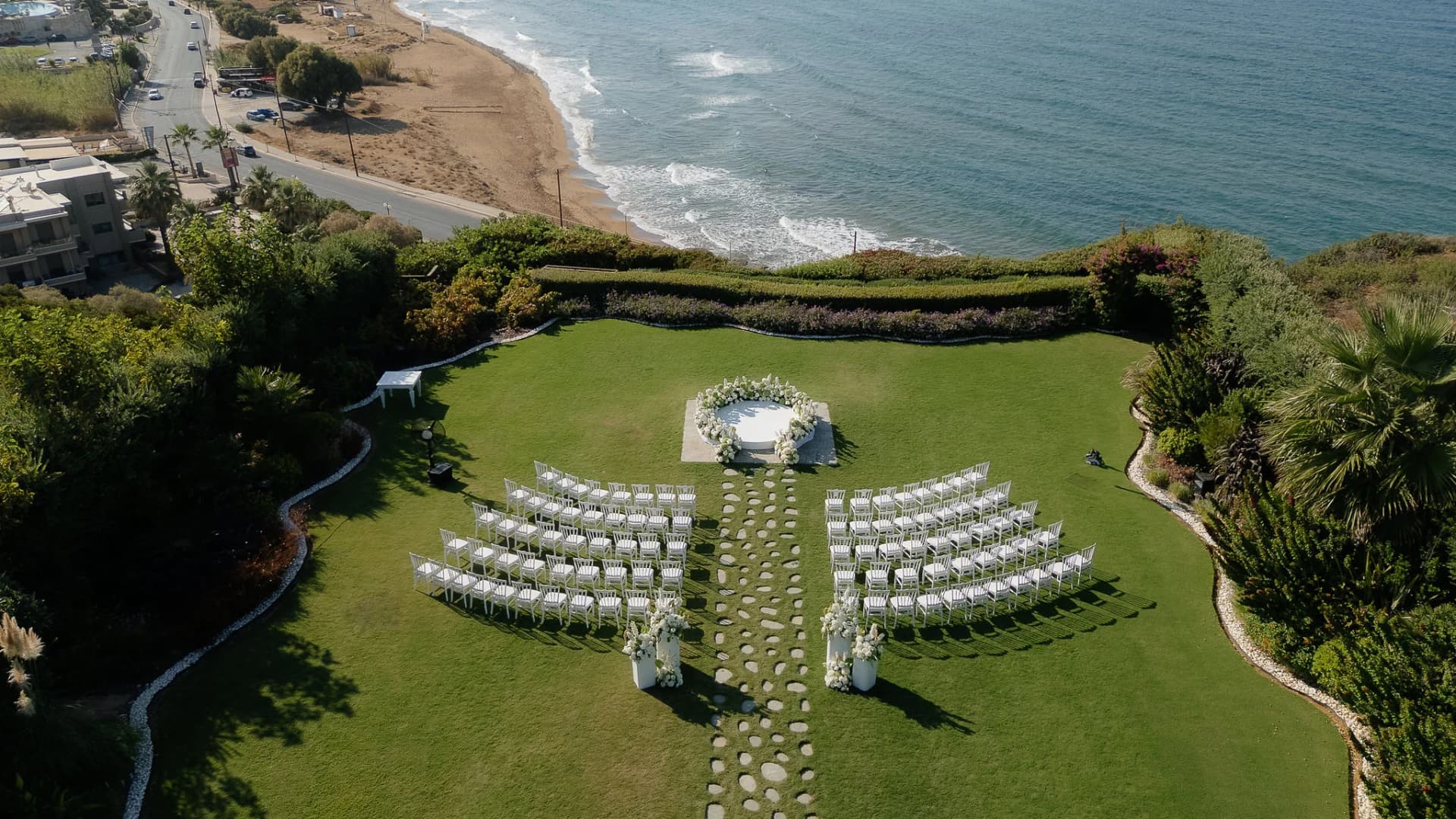
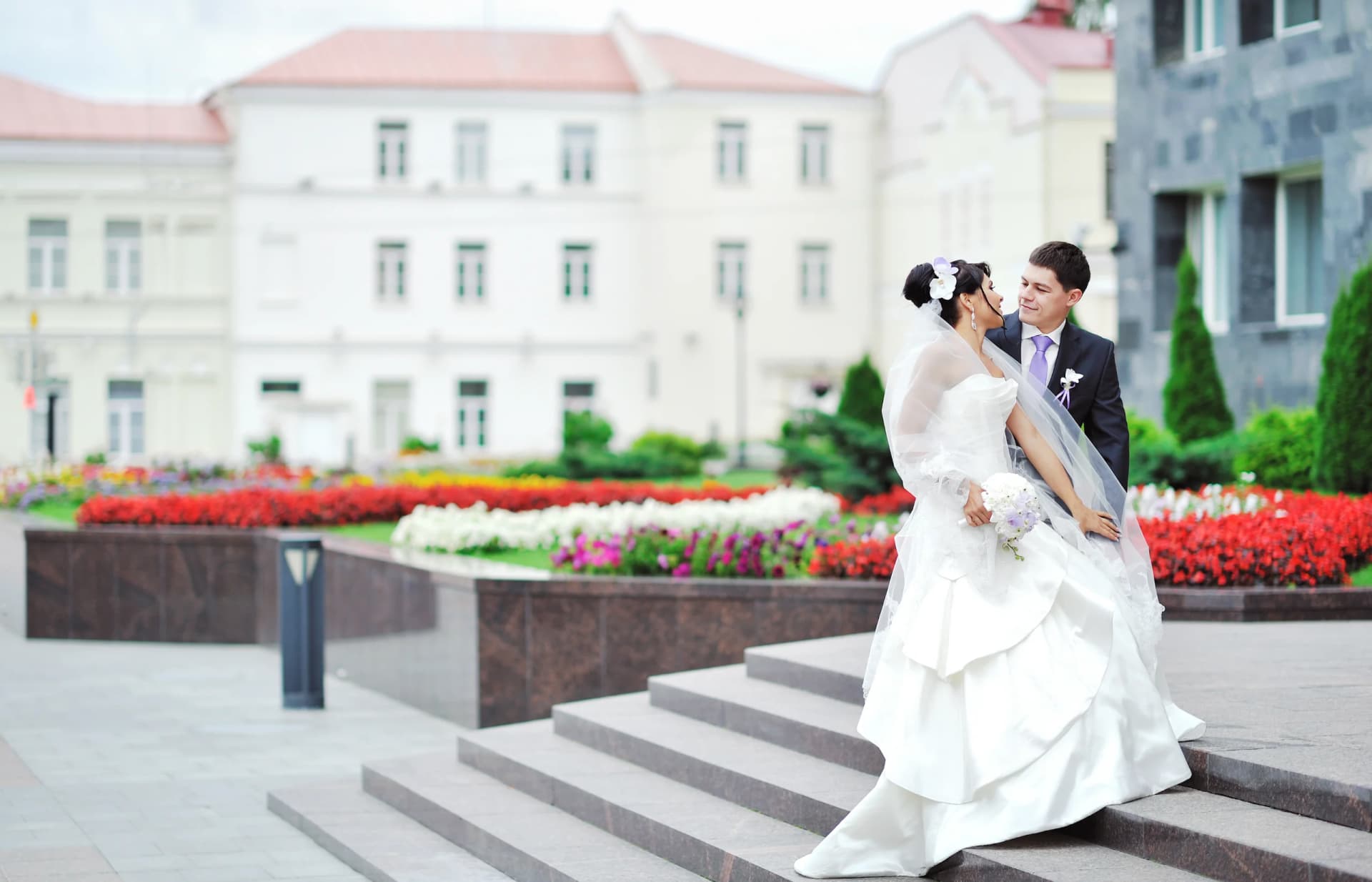
Planning weddings abroad can be exciting until you hit the first legal question: can we actually get married there? The answer isn't always yes. Some countries welcome foreign couples with a simple civil ceremony. Others require weeks of residency, a religious rite or a local official. A few don't permit legal marriage for visitors at all.
This guide explains how legal marriage works overseas, which types of destinations are typically easiest, which are more complex, and how to choose the right path for your celebration. It also links to our deeper guides so you can dig into the details that matter to you.
Important: marriage laws change, and enforcement varies
by region and even by individual registry office. Treat this guide as a
planning framework, and always confirm current requirements with the
destination's official authorities, your embassy or consulate or a qualified
local lawyer.
Before choosing a country, decide what kind of ceremony you want, because it changes everything else.
A legal ceremony is conducted under local law and registered with the authorities, and it produces an official record of your marriage. You'll typically receive a government-issued marriage certificate, which you can then use at home.
A symbolic ceremony is a blessing or commitment ceremony with no legal effect. You have complete creative freedom, and there are no residency rules, notice periods or paperwork. Your legal marriage is completed separately, usually at home.
Many couples choose the "two-step" approach: a quick registry wedding at home, followed by a dream ceremony abroad. It removes most legal risk, and it works in almost every destination on earth. Go this route and the rest of this guide is less critical, though the "Choosing Your Destination" section still helps with practical planning.
For a broader comparison of the trade-offs, read our destination wedding guide.
Whether a country allows legal weddings abroad for foreign couples depends on a handful of factors. Understanding them lets you evaluate any destination, not just the ones we cover here.
Residency requirements
Some countries require one or both partners to live in the country for a minimum period before marrying. This can range from 24 hours to several weeks or, in some cases, a formal residence registration. Short requirements are common in the Caribbean, while stricter ones appear in parts of continental Europe.
Notice periods
Many countries require you to declare your intention to marry a set time before the ceremony. This might be a few days, or a month or more. Some allow you to shorten the period by application.
Documentation
Almost every destination asks for passports and birth certificates. Many also require proof you're free to marry, such as a certificate of no impediment, a single-status declaration, a divorce decree or a death certificate. These usually need to be recent, authenticated and translated.
Who may conduct the ceremony
In some countries, only civil officials can legally marry you. In others, licensed celebrants or religious ministers can. This is where the question of whether you need a wedding celebrant abroad comes in.
Religious and civil rules
Some countries recognise only civil marriages. Others give legal weight to religious ones. Some require a religious element for their own citizens but not for foreigners.
Who is allowed to marry
Legal marriage for same-sex couples, or for couples with particular religions, nationalities or marital histories, differs widely between countries. If this applies to you, check the destination's laws carefully and consider seeking specialist advice before booking anything.
Recognition at home
Valid weddings abroad are recognised in most countries, but there are exceptions and extra steps. Confirm with your home authorities that your overseas marriage will be recognised and what evidence they'll need.
Rather than memorise dozens of rulebooks, it helps to sort destinations into four broad groups.
Group 1: Straightforward for foreign couples. These destinations have clear processes, short or no residency requirements and experience with international couples. Examples often include parts of the Caribbean, Mexico, Cyprus, Portugal and the United States.
Group 2: Legal but more involved. These destinations allow visitors to marry but require more preparation, such as longer notice periods, heavier documentation or residency links. Italy, Greece and France often fall here, as do some Asian destinations.
Group 3: Symbolic ceremonies only in practice. In some places, legal marriage for visiting couples is either unavailable or so complex that most people opt for a symbolic ceremony. The Maldives, Spain and Bali are examples where couples commonly choose this route.
Group 4: Legal marriage possible, with major caveats. Some countries permit legal weddings but restrict them by religion, nationality or same-sex status. Examples include the United Arab Emirates, where non-Muslim visitors can marry in a civil ceremony in Abu Dhabi but same-sex marriage is not permitted, and Israel, where marriage is handled by religious authorities and there is generally no civil route for interfaith or same-sex couples.

The details below are summaries only. Requirements shift, so verify them before making decisions.
Italy is one of the most popular destinations for weddings abroad, with legal civil ceremonies held in historic town halls, palazzos and scenic venues. Foreign couples usually need to provide identity documents and proof they're free to marry, typically in the form of a declaration made at their embassy or consulate, or a certificate from their home authorities. Documents generally need an apostille and translation. Catholic and other religious weddings may carry additional requirements.
Read more on our Italy wedding destination page.
Greece welcomes foreign couples for civil ceremonies at town halls and licensed venues, and its islands are perennial favourites. Expect to provide authenticated birth certificates, proof of single status and translations. Processing times can vary by municipality, so plan your arrival dates with a buffer.
Explore ideas on our Greece wedding destination page.
France is stricter than many couples expect. Civil marriage takes place at the local town hall (the mairie), and French law generally requires that at least one partner has a residency link to the commune for a set period before the ceremony. Because of this, many couples marry legally at home and hold a symbolic or blessing ceremony in a French château or vineyard instead.
See our France wedding destination page for venue inspiration.
Spain often requires a residency or registration link for at least one partner, and the paperwork process can be lengthy, so many foreign couples choose a symbolic ceremony there. Portugal is generally more accessible for visitors, with civil registry procedures that many international couples find manageable, though documents still need authentication and translation.
Both islands are known for accessible civil ceremonies and experience with international couples. Notice periods are often shorter than in much of Europe, and packages that bundle the legal and celebratory sides are common.
Mexico, Jamaica, the Bahamas and the Dominican Republic have long been go-to choices for beach weddings. Many offer legal civil marriage for foreigners with short residency periods, but details differ significantly: some require you to be on the island for a set number of days, some require documents translated by an approved translator, and some restrict where or when ceremonies can be held. Resort wedding coordinators often handle much of the paperwork.
In the US, marriage licences are issued at state or county level, and many jurisdictions have no residency requirement or waiting period. Las Vegas and Hawaii are popular choices, since couples can often obtain a licence in person shortly before their ceremony. Requirements still vary by state and county, so check locally.
Both allow foreign couples to marry legally, and celebrants are a formal profession. Australia requires notice of intended marriage to be lodged in advance, generally at least a month, with limited exceptions. New Zealand's process is typically faster.
Indonesian law ties marriage to religion, generally requiring both partners to follow the same recognised religion, which makes legal weddings for foreigners in Bali complicated, so most couples hold a symbolic ceremony and marry legally at home. In the Maldives, legal marriage for visiting couples is generally not available, so symbolic celebrations are the norm.
Legal marriage is possible in some countries, typically at a local district office, but the process usually involves documents authenticated through your embassy and translated locally. Many couples find a symbolic ceremony simpler.
With the legal picture in mind, use these questions to narrow your list.
How much paperwork can you handle? If you'd rather keep it simple, look at destinations with short or no residency requirements. If you don't mind planning, more involved destinations open up.
How much time can you spend there? A one-week trip suits a destination with a short notice period. A destination with a residency link may need you to arrive earlier or choose the two-step approach.
How important is a legally binding ceremony abroad? If it isn't essential, a symbolic ceremony opens up almost every destination in the world.
Who's coming? Guest travel costs, visa requirements and accessibility all matter. Some destinations are easier and cheaper to reach for your guests than others.
What's your timeline? Notice periods, document processing and translation can take months, so a short engagement suits a simpler destination.
What's your budget? Fees, translations, apostilles, celebrants and travel add up. The free budget tools in Wonderland Studio can help you compare scenarios side by side.

Whichever country you choose, the process usually follows the same broad path.
Confirm the rules. Check the destination's official sources for eligibility, residency and notice periods.
Gather documents. Passports, birth certificates, proof of single status and any divorce or death records.
Authenticate and translate. Most countries ask for an apostille and a certified translation. Do this early.
Give notice or apply for a licence. Follow the destination's process, which may need an in-person visit.
Hold the ceremony. Use an authorised official or celebrant, with the required witnesses.
Register the marriage and request certified copies. Order more than you think you need.
Authenticate your certificate for home use. Get an apostille or legalisation and a certified translation if needed.
Update your records. Name changes, insurance, immigration and banking usually all require the certificate.
Step 7 is where many couples run into delays. Our guide on how to get your overseas marriage certificate walks through it in detail.
Assuming a ceremony is legally binding. Always confirm whether your ceremony creates a legal marriage.
Underestimating notice and residency rules. These are the most common reasons couples change plans late.
Relying on informal advice. Forum posts and even venue staff can be out of date, so verify with official sources.
Skipping certified translations and apostilles. Uncertified translations are often rejected.
Not checking home recognition. Confirm your country will recognise the marriage, and what it needs to see.
Booking before checking eligibility. If your situation involves a previous marriage, a different nationality or a same-sex partnership, check first, then pay deposits.
Leaving it late. The legal side often takes longer than the flowers and menus.
Beyond your venue, catering and travel, budget for the legal side too:
Marriage licence or registry fees
Certified copies of your marriage certificate
Apostille or legalisation fees
Certified translation of documents
Celebrant, official or legal fees
Courier costs for original documents
A contingency for last-minute paperwork changes
Legal ceremonies almost always cost more in fees and time than symbolic ones, though the total can be lower if you skip a separate registry wedding at home.
Local knowledge is worth more in weddings abroad than almost anywhere else. A destination wedding planner, local lawyer or experienced venue coordinator can tell you what the current rules actually mean in practice, which registry office is quickest and what the latest paperwork changes are. Browse trusted professionals in our venues and vendors directories, or talk to a Wedded Advisor who can coordinate the legal and celebratory sides for you.
Weddings abroad can be as legally simple or as complex as the country you choose. The key is knowing your options early: decide whether you want a legal or symbolic ceremony, understand the residency, notice and document rules and give yourself plenty of time to complete each step. Whichever route you take, the goal is the same: a celebration you'll remember, and a marriage that's recognised wherever you call home.
Ready to explore where your ceremony could happen? Browse our full range of wedding destinations, use our free wedding planning tools, or start planning with a Wedded Advisor.
This article is general information, not legal advice. Marriage laws change and are applied differently by region and registry. Always verify current requirements with official sources or a qualified lawyer.
Written by

SEO Specialist
Ayrton Christian Braga is an SEO Specialist at Wedded Wonderland, where he writes optimized articles and web pages that center on destination weddings, cultural wedding traditions, and guides for everything in between.
Search real weddings, venues and vendors from around the world.
Search Wedded Wonderland