A reception abroad is lit twice: first by the sun, then by everything you plan to take over from it. Wedding lighting decides how every face, flower and surface reads after dusk, and it is the hardest thing to fix on the night. This Wedded Wonderland guide builds a lighting plan in layers and adapts it to four kinds of venue. It also covers sunset timing, camera, power and the fire rules to check before you order a single candle.
Good reception lighting is three layers doing three different jobs. Plan them in order, because each one depends on the one before.
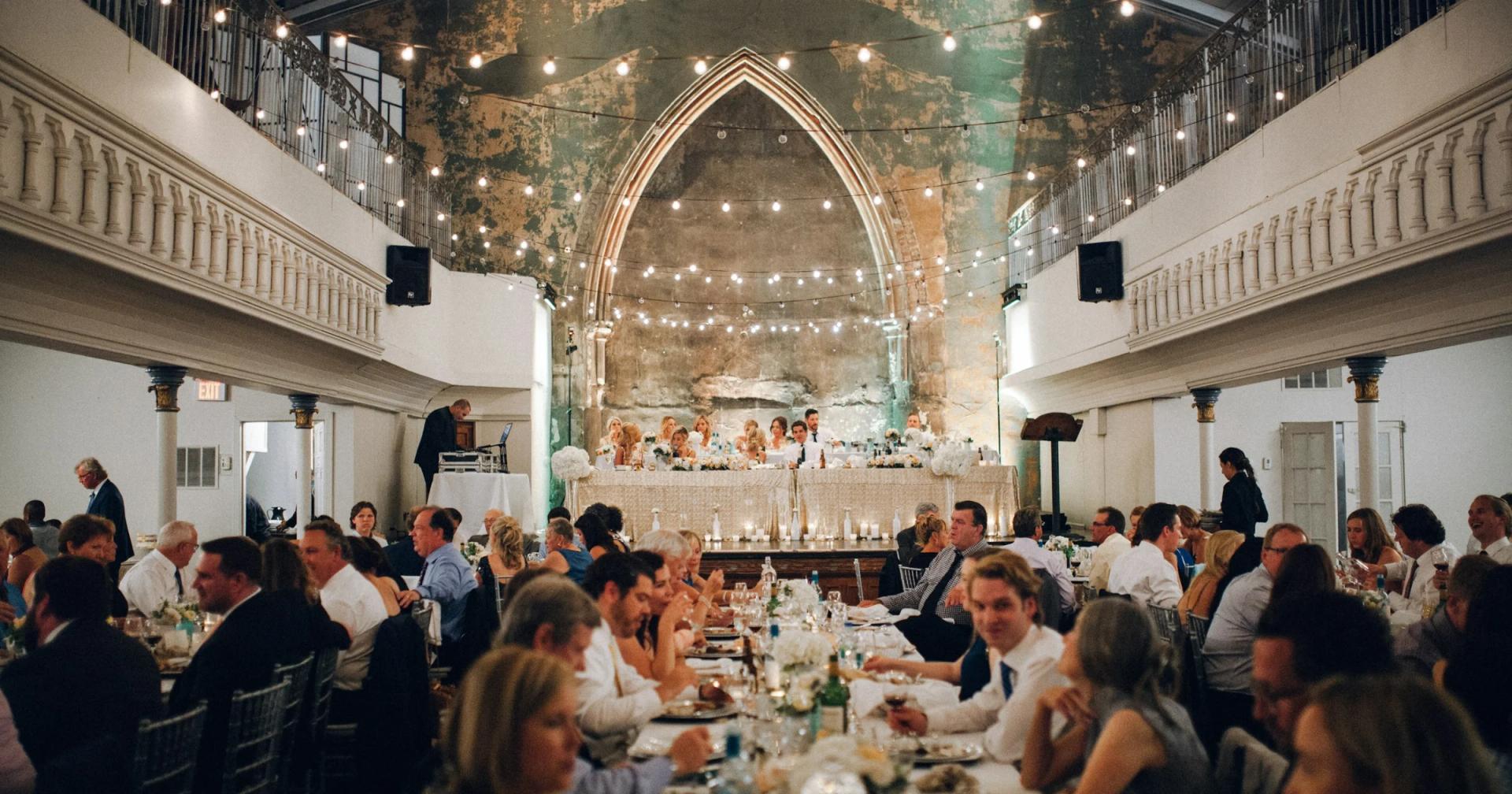
Ambient light sets the mood of the whole space. Festoons over the tables, dimmed chandeliers, warm uplight washing a wall or a row of trees, and candles in number all count.
Accent light picks out what you want people to look at: the centrepieces, the florals, the cake, the couple's table, a stone archway or an old olive tree.
Task light lets people move and work safely: the bar, the buffet, paths, stairs, the band and the spot where speeches are given.

Start with ambient, so the space reads as one room rather than bright patches. Then add accent, focal point first and guest tables second, and task light last, wherever a guest might trip, queue or squint.
Keep every source warm white. Cool white tends to make skin look grey and linen look blue, and a mix of warm and cool sources can look unplanned in photographs. Ask for dimmers wherever possible, because the light you want at dinner is not the light you want at 11pm on the dance floor.
The statement pieces change with the setting: filament bulbs, paper lanterns lit with LEDs, candelabras or a geometric chandelier all work where the venue's structure, wind and rules allow. Start from what the venue already has, then add only what the setting can safely hold.
On a villa terrace in Italy, string festoons or lanterns from the pergola, beams or trees that are already there rather than building a frame. Light the building itself with warm uplight on the stone, so the villa becomes the backdrop.
On the tables, group tapers of two or three heights in clusters about an arm's length apart, rather than spacing single candles evenly. For candles, linen and florals together, see how stylists build a table.
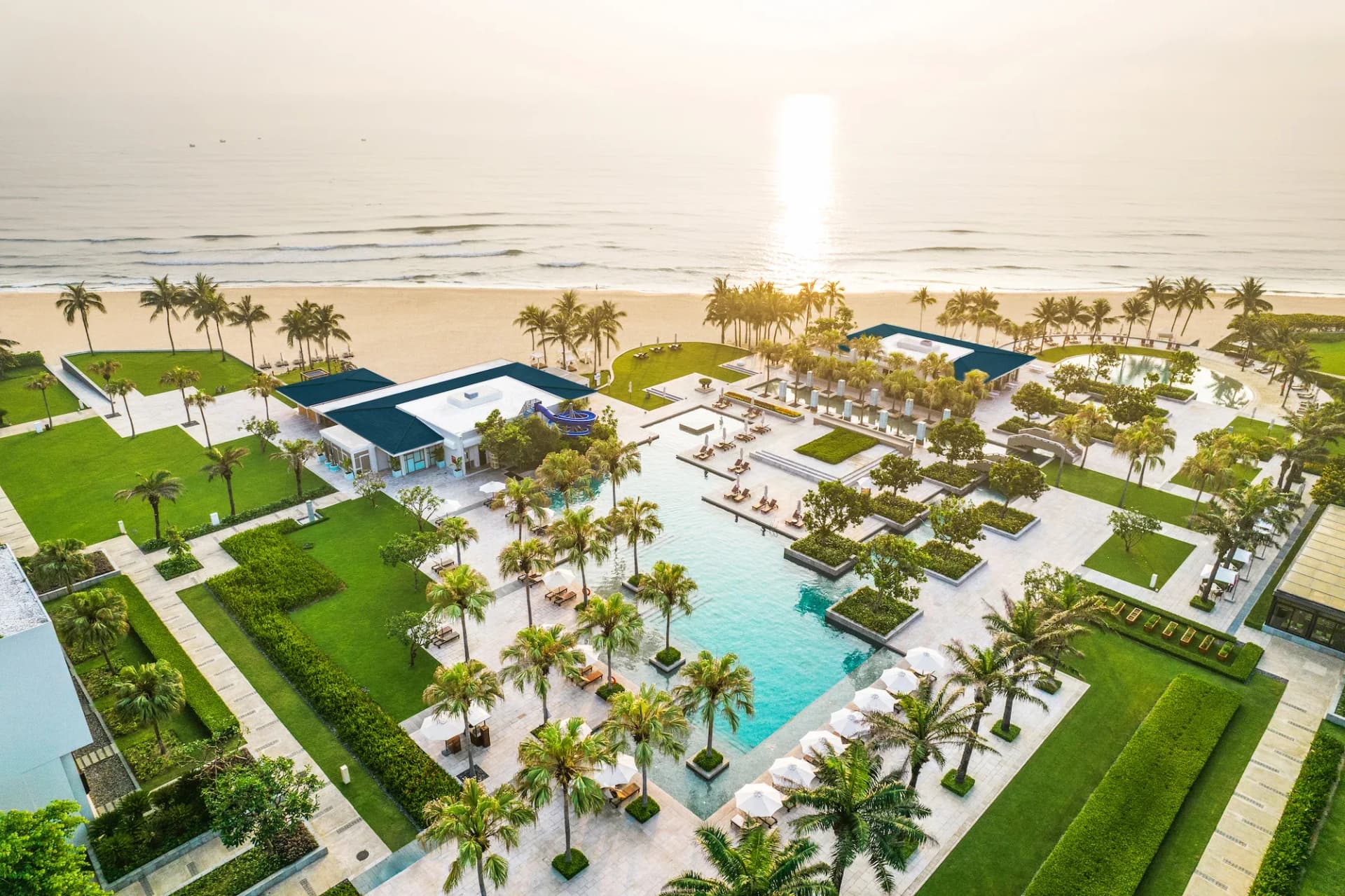
Wind is the deciding factor on a beach in Bali or an island lawn. Use hurricane lanterns or candles enclosed in glass, and low, warm path lights that guide guests without glare.
A headland is harder than a beach, because the wind comes side on and rarely drops, so tall hurricane glass is the safer choice there. Keep any loose flame off the sand unless the venue has approved it in writing.

Among the vines, festoons over long tables give the classic look, with trees and barrels uplit warm from below. If you are considering Tuscany's vineyard venues, plan to keep every flame in glass and off dry grass, and line the paths with lanterns.

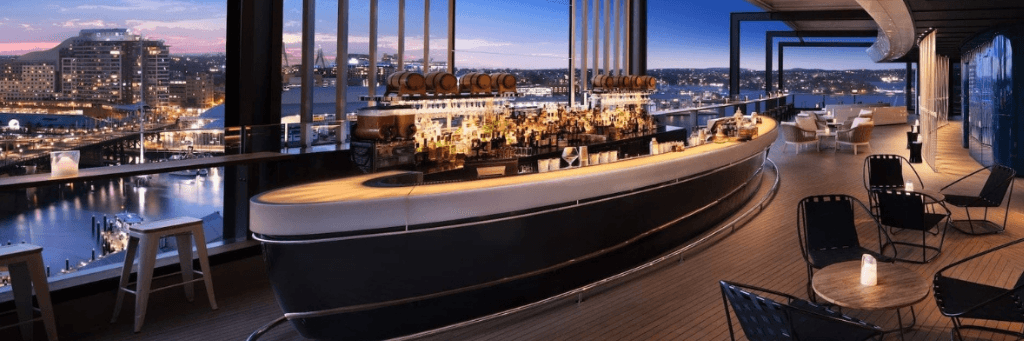
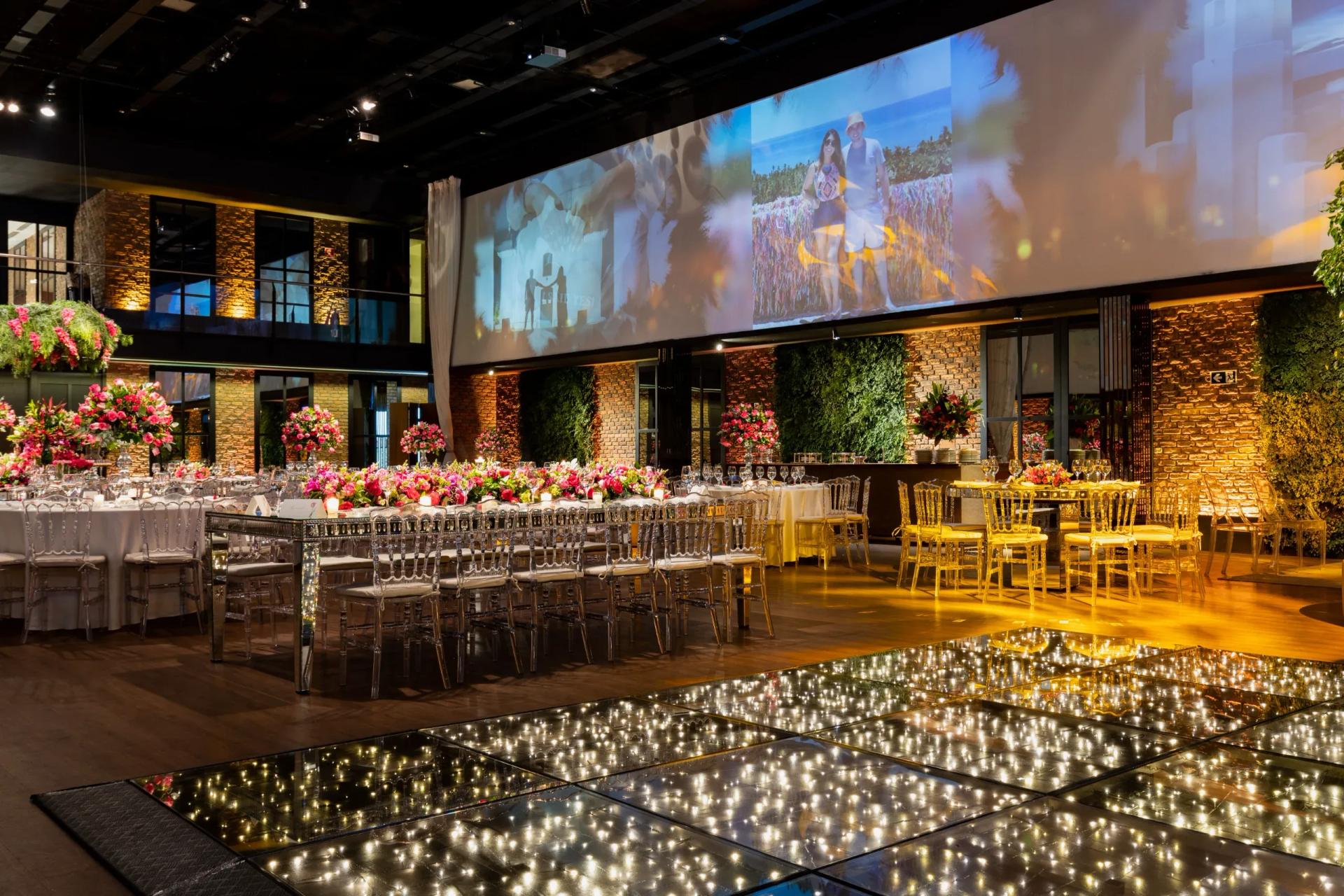
A ballroom already has its light, usually too much of it. Dim the chandeliers, keep the perimeter dark, and use pin spots and candles to bring the ceiling down to table height. In Dubai's hotel ballrooms, ask your hotel in writing whether open flame is allowed, and plan on enclosed or flameless candles until it confirms.
Fairy lights work best as one gentle layer, wound through a tree or hidden in greenery; too many and the space looks like a shopfront. With candles, mix heights and confirm the venue's rules before the florist designs around them.
A pin spot is a narrow beam aimed at a single object so it glows against the softer light of the room. Use one on each centrepiece, on the cake and on the couple's table.
Uplighting sits at floor level and aims upwards, onto a wall, a column, a tree or a facade. Choose one warm colour for every uplight. A rainbow of colours makes a heritage building look like a nightclub, and it fights the candles.
Bring the florist and lighting supplier together before either finalises the plan, because tall arrangements cast shadows across faces and tables. View a lit sample table after dark before you sign off, because tonal linen and matte ceramics can read flat under evening light. Our guide to reading a venue by its stone and light shows how to work with what is already there.
Look up the sunset time for your wedding date at the destination, not at home, using the venue or the local meteorological service. Everything else in the running order hangs from that one time.
Book portraits for golden hour, the soft light before sunset, and have the ambient layer fully on before dusk, so guests never sit in half light. On a long, light summer evening in Europe, the candles will not read until late, so the reception has to look finished in daylight. In the tropics, do not assume a long dusk: check the time for your date and plan as though the light will go quickly.

Lighting cues to fold into your sample reception running order:
Afternoon: the crew arrives to set up, tests every circuit and walks every path.
Golden hour: portraits, with festoons off.
Before dusk: ambient layer on, candles lit if permitted.
Dinner and speeches: ambient dimmed, pin spots on the tables.
Last song: house lights up gently, paths lit for the walk out.
Your photographer and videographer see the room through a lens less forgiving than the eye.
Warm, even ambient light flatters skin, so pair candlelight with a soft overhead layer.
No coloured washes on faces during speeches, the first dance and the cake cutting.
Light the speeches spot and the first dance area properly, so neither relies on flash.
Some LEDs and dimmers can flicker on video even when the room looks steady, so ask the supplier to test their fittings on camera before the day.
Share the lighting plan with the photographer and videographer well before the wedding.

This is the part of outdoor wedding lighting no guest sees, and the part to ask about first. A villa, beach club or vineyard was not necessarily built to run a band, a kitchen and a lighting rig at once.
Confirm in writing the venue's power capacity, and where the outlets are, against the combined load of lighting, band and catering. Where power is limited, plan a silent generator and a backup. Energy Safe Victoria's generator guidance says never to use portable generators indoors or in enclosed areas, because of carbon monoxide, to use heavy duty extension cords rated at least equal to the generator, and to protect connection points from the weather. That is Victorian household guidance, so our advice is to keep the generator outside and well away from any marquee or guest area, run by the hire company or a licensed electrician.
For the lights themselves, Energy Safe Victoria's guidance on decorative lights, which is Victorian household guidance, says outdoor equipment needs an IP rating of at least IP23 (its weatherproof rating), that LED or extra low voltage lights are the safest options, not to run leads over walkways, and to use a safety switch. Elsewhere, ask your lighting supplier or the venue electrician to confirm the local rules. Then plan for weather: if rain or wind arrives at dinner, which pieces come down, which move under cover, and who decides?
Fire rules are the one part of the lighting plan you cannot style around. They differ by country, state and venue, and the rules below were current as at November 2026.
Rules differ by country and by venue. Check with your venue or planner and the local fire authority, and plan enclosed candles or good flameless candles in the same holders as the fallback.
Some hotels and country houses ban naked flame outright, and some historic venues that do not permit naked flame include LED candles in their hire. Ask whether open flame is allowed, allowed only in glass or not at all, whether tapers are allowed, and whether anything can hang from beams, walls or marquee poles. Get every answer in writing before you brief the florist.
In the eastern states, check the state fire service's rules for Total Fire Ban days as well as your venue's own rule.
New South Wales. The NSW Rural Fire Service says that during a Total Fire Ban you cannot light, maintain or use a fire in the open, so ask your venue in writing whether that covers table candles. Exemptions are set by the RFS Commissioner and need at least 21 days to assess, so do not plan around one.
Victoria. The CFA counts anywhere not inside a permanent structure with a roof and fully enclosed walls as open air, so a marquee does not count as indoors. Fire pits, braziers and chimineas are banned on Total Fire Ban days.
Queensland. The Queensland Fire Department says open flame fire pits and braziers are not permitted during a fire ban, and permits are cancelled automatically.
In other states and territories, check with your venue and the local fire authority. These rules can change, so check your state fire service's page again in the week of the wedding. Sky lanterns, also called floating or flying lanterns, are permanently banned from supply in Australia.
Wherever you marry, keep table candles unscented, in stable, non-combustible holders, and name one person with a snuffer. Use dripless tapers, weight the linen and put every flame in glass where air moves. Keep candles clear of florals, drapery and guests' sleeves, and use LED for anything hung overhead.
The fear with a large styling budget is paying for something that looks like every other wedding. The answer is a lighting plan drawn for this venue and the light at the hour you marry, not a standard package. Ask for a drawing that shows where every light goes and when each one comes on. For everything beyond lighting, use our full list of venue questions.
What is the power capacity, where are the outlets, and are generators allowed?
What can be rigged from the building, what weight does each rigging point hold, and what is off limits on a heritage building?
What are the set up and pack down times, and the noise and lighting curfew?
Which lighting comes with the venue, and can the house lights be dimmed?
Will you draw a plan for this venue, timed to sunset on our date?
Is every outdoor fitting weatherproof, and what is the wind and wet weather plan?
Who stays on site to adjust the lighting between dinner, speeches and dancing?
Will you test the fittings on camera with our photographer and videographer?
Written by

SEO Specialist
Ayrton Christian Braga is an SEO Specialist at Wedded Wonderland, where he writes optimized articles and web pages that center on destination weddings, cultural wedding traditions, and guides for everything in between.
Search real weddings, venues and vendors from around the world.
Search Wedded Wonderland