A wedding makeup look is chosen in the mirror but remembered in photographs. At Wedded Wonderland, we’ve seen how a look can soften or flatten once the camera, flash or editing comes into play, from beaches and vineyards to grand ballrooms.
This guide explores the wedding makeup looks that photograph best and how to choose one for your setting, skin and photographer. For a broader guide to bridal makeup, from trials to timing, see What Should Bridal Makeup Look Like?.

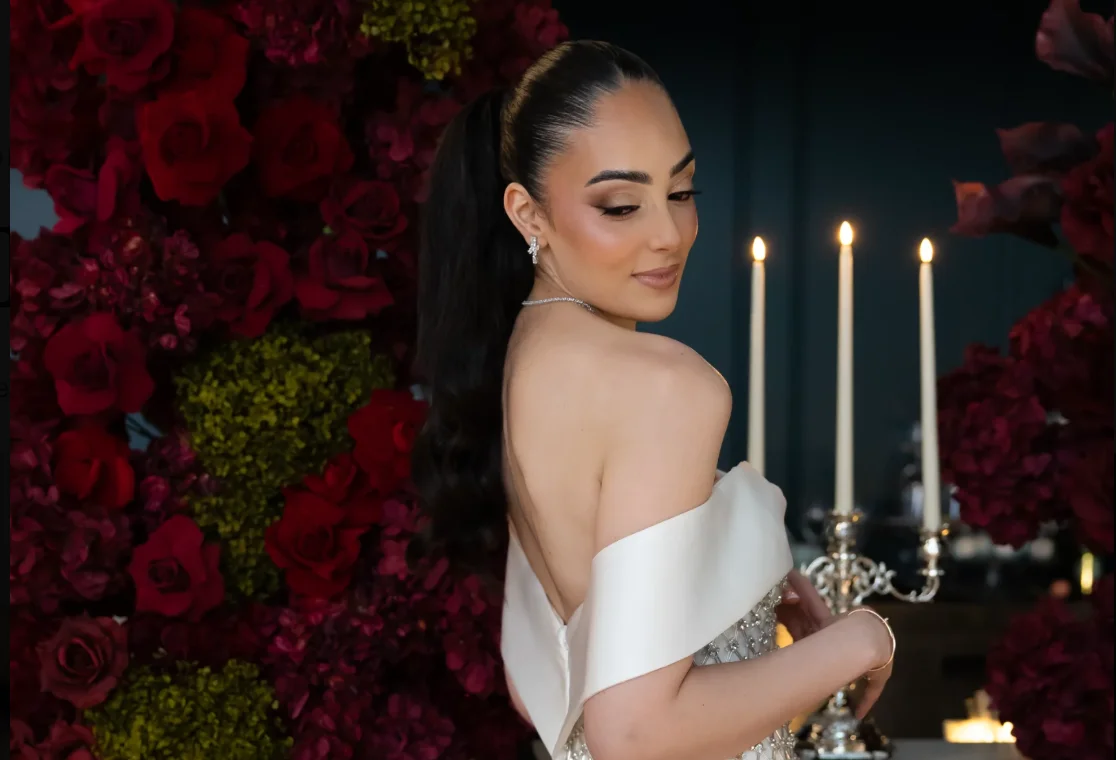
Soft glam photographs are best for most weddings. Satin skin, softly defined eyes, groomed brows, lifted lashes and a lip a shade or two deeper than your natural tone keep your features clear in every frame. The look reads as polished in close portraits and holds its shape across a room, in daylight and under flash.
The reasons come down to how a camera sees a face.
Lenses and distance flatten features and soften fine detail. Bright daylight lifts contrast from the face, and most editing brightens it further. Even the perfect wedding makeup that looks balanced at arm's length can therefore look faint in a wide shot.
The answer is a measured definition. That means slightly fuller brows, lashes that frame the eye, gentle shaping beneath the cheekbones, and a lip with a clean edge. In person it looks refined, and on camera it looks like you on your best day.
Very dewy skin can turn into shine under flash or strong sun, especially across the forehead and nose. Fully matte skin can look flat and slightly powdery in close portraits.
A satin finish sits between the two. Glow stays on the cheekbones and brow bone, and a fine layer of powder through the centre of the face keeps the highlights deliberate. It also holds up better through heat, tears and a long evening.
Fine, pearlescent shimmer catches light softly and photographs as radiance. Chunky glitter can scatter flash into bright specks that look like marks in close-ups. If you love sparkle, keep it to the centre of the lid or the inner corner, and choose finely milled formulas.
Flashback happens when flash bounces off zinc oxide, titanium dioxide or some silica-based powders, leaving a pale cast on the face.
Sun protection still matters, particularly for outdoor ceremonies. Apply it well before your makeup so it has time to settle, and ask your artist to set your skin with a powder they have tested under flash. A quick phone photo with the flash on at your trial will reveal any problem straight away.
Each look below covers how it wears, how it photographs, and where it suits best.

Soft glam pairs diffused eyeshadow in taupe, champagne or warm brown with lifted lashes, cream blush, gentle contour and a rosy or neutral lip. The skin is satin and the edges are blended.
On camera: This is the most dependable look for photographs. It has enough definition for wide shots and enough softness for close portraits.
Best for: Almost any setting, from a garden ceremony to a chandeliered ballroom. It suits brides who want to look polished without feeling heavily made up.

This look uses a sheer skin tint, with concealer only where it is needed. It adds brushed-up brows, mascara, cream blush and a balm or glossy lip. Freckles and natural texture show through.
On camera: It is beautiful in soft daylight and close portraits, but it can fade in wide shots and in evening light. Shadow liner along the lash line and a slightly deeper lip keep the features clear without changing the feel of the look.
Best for: Daytime ceremonies, intimate celebrations and elopements. It suits brides who rarely wear much makeup.

Clean, even skin forms the base for a precise winged liner, full lashes and a polished lip. The lip can be a soft neutral or a bold shade such as crimson or berry.
On camera: Graphic lines hold their shape across a room and give photographs a timeless, editorial quality. A bold lip lasts longest when a cream lipstick is layered over a long-wear liquid base.
Best for: Evening celebrations, black-tie weddings and city venues. It pairs well with structured gowns and sleek hairstyles.

Warm bronzer sweeps across the high points of the face. Blush runs over the cheeks and the bridge of the nose, the lids take bronze or copper tones, and the lip is a peachy nude.
On camera: It flatters golden-hour and outdoor light and brings warmth to every frame. Keep the bronzer close to your natural depth so it doesn't look muddy under flash.
Best for: Beach, island and summer celebrations.

Cheeks, lips and often the lids share a single colour family, such as soft rose, terracotta, caramel or mocha. The warm, tonal palettes often called latte makeup belong here. Tapping a little cream blush onto the centre of the lips ties the look together.
On camera: The effect is cohesive and calm. It flatters both close-ups and wide shots, and it suits warm and neutral editing styles.
Best for: Minimalist brides, countryside settings and autumn weddings.

Colour on the lids leads to this look. It might be soft blue, lilac, sage or a shade drawn from your florals. A smoky eye or a pearlescent wash also works. Skin and lips stay quiet so the eyes hold attention.
On camera: Well-blended colour photographs richly, and a smoky eye adds depth in evening light. Test saturated shades in daylight at your trial, since some shift on camera.
Best for: Receptions, after-parties and fashion-led brides.
Where you marry shapes how your makeup photographs. For practical advice on heat, humidity and longevity, see our bridal makeup guide. This section focuses on light.

Warm, low light flatters almost every look, especially bronzed and tonal wedding makeup look. Midday sun is harsher, particularly in Australia and around the Mediterranean in summer. It deepens shadows beneath the eyes and exposes shine.
For a midday ceremony, add brightening beneath the eyes, set the T-zone with care, and apply sun protection early enough that it settles before your makeup goes on.

In Bali and across Indonesia, humidity adds its own sheen, and cloud cover often softens the light. Satin skin, a lightweight long-wear makeup base and waterproof mascara keep the look fresh.
Some couples also wear a traditional Javanese or Balinese bridal look for the ceremony, with sculpted brows and defined eyes, and change to a softer look for the reception. Planning both with one artist from the start keeps your images consistent.

In the UAE, celebrations often begin after sunset, making sculpted skin, defined liner and fuller lashes especially striking under candlelight, chandeliers and flash. With celebrations spanning several days, maintaining the same skin base across each look keeps the full collection of images cohesive.

In France and across Europe, soft, cool daylight favours a natural glow and tonal wedding makeup look, with a touch of warmth on the cheeks to keep the complexion lively against stone and greenery.

Ballrooms and evening marquees benefit from defined eyes and brows, with setting powder tested under flash to prevent shine and flattening. For mixed lighting, check your foundation under both warm and cool light to ensure the shade remains consistent.
On camera, undertone matters as much as depth. Your foundation should match your neck and chest, and it should be checked in daylight, since indoor bulbs can hide a mismatch that photographs will reveal.
Fair and porcelain skin. Flash can wash out fair skin, so blush and brow definition do the most work.
Olive and medium skin. Bronzed and tonal looks suit this range especially well.
Deep skin. Flashback shows more readily, so choose setting powders formulated for deeper tones to avoid an ashy cast.
Highlighter. Match it to your undertone. Champagne and pearl flatter fair skin, gold suits medium tones, and bronze or copper glows on deep skin.
Every photographer has an editing style, and that edit is applied to your face in every image. Before you settle on a look, study their galleries.
Light and airy editing. This style brightens images and lifts shadows, so softer looks can fade. Add a little more depth at the lash line, brows and lips.
Moody or film-inspired editing. This style deepens contrast and warmth, so strong contour and dark lips can look heavier than intended. Softer shaping keeps the balance.
True-to-colour editing. This style shows your wedding makeup look closest to how it looked in person.
Share a few of your photographer's images with your makeup artist before your trial, and send your trial photos back to your photographer. It is also worth asking whether they plan to use flash during the reception, since that affects your powder choice.
Prepare the skin. Well-hydrated skin takes makeup evenly, and thin layers wear more gracefully than heavy ones.
Choose long-wear formulas. Use a long-wear base, waterproof mascara, and a liquid lip beneath a cream lipstick.
Set the look. Setting spray carries your makeup through heat, tears and dancing.
Pack a touch-up kit. Blotting papers, your lipstick, a pressed powder and cotton buds cover most repairs.
Plan the evening shift. Many brides schedule a quick refresh before couple portraits. Deepening the lip or adding liner moves the look from ceremony to reception in minutes.
A wedding makeup look succeeds when it is planned alongside everything around it. That includes the light at your venue, your photographer's style, the timing of your portraits and the pace of the morning.
The Wedded Concierge coordinates directly with hair and makeup stylists and nail artists. We align your look with your photographer and your schedule, so your artist has time to work and the light is right when the camera comes out.
Flashback: A pale, ghostly cast in flash photography, caused by light reflecting off mineral sunscreen or certain setting powders.
Soft glam: A polished look built on diffused eyeshadow, lifted lashes, sculpted cheeks and a satin complexion.
Satin finish: Skin with a soft sheen on the high points and a smooth, lightly set finish through the centre of the face.
Shadow liner: Eyeshadow pressed along the lash line in place of liquid liner, for softer definition.
Written by
Editor & Content Writer
Jillian Arambulo is the Editorial and Content Writer at Wedded Wonderland, specialising in branded content and editorial strategy. Her writing spans travel, lifestyle, culture, beauty and emerging trends, bringing together comprehensive guides and features that connect readers with the places, ideas and experiences worth discovering.
Search real weddings, venues and vendors from around the world.
Search Wedded Wonderland