Bridal makeup is the one part of a wedding look that will be studied up close, in person and in posts, for decades. The brides who love their photographs most tend to share one thing, how their makeup complemented their look. This guide answers the question most brides ask early in planning.

Bridal makeup should look like the bride at her most radiant. It brings her natural features forward, suits the dress and setting, photographs well in every light, and holds from the first look to the final dance.
Within that, there is room for every style, from bare, glowing skin to a lacquered red lip. Four principles hold the look together.
The bridal looks that age most gracefully begin with skin that looks like skin. Texture, freckles and natural character stay visible, with a base that evens tone and adds light.
A lightweight, buildable foundation keeps the complexion believable at close range and on camera. Giorgio Armani Luminous Silk remains a fixture in bridal kits for this reason, and its shade range spans a wide spectrum of complexions.
Start with how you already like to look, then add definition, warmth and polish. Distance, daylight and the camera soften detail, so bridal makeup often reads a touch stronger in person than it does in photographs.
The aim is recognition. When you open your wedding album years from now, you should see yourself.
Choose where the eye lands first, whether that is the eyes, the lips or a flush across the cheeks. Letting one feature lead gives the look clarity, and the rest of the face settles around it.
Treat this as a starting point. Some of the most memorable bridal looks pair a defined eye with a strong lip, balanced by restraint everywhere else.
A wedding day can run twelve hours or more, through tears, heat, embraces and dinner. Bridal makeup is built in thin, long-wear layers so it holds its shape in daylight, candlelight and under flash.

Most bridal makeup sits somewhere along a spectrum. These are the looks we are asked for most, and the settings where each one feels at home.
Skin-first makeup with softly groomed brows, a sheer flush and tinted lips. It suits morning ceremonies, garden and vineyard settings, and brides who wear little makeup day to day.
The finish looks effortless, though it takes skill to make it last. Cream textures and a light veil of setting powder through the centre of the face keep it fresh for hours.
Blended shadow in warm neutrals, lifted lashes, a radiant base and a rosy or nude lip. It is the most requested bridal look we see, largely because it moves easily from a daylight ceremony to an evening reception.
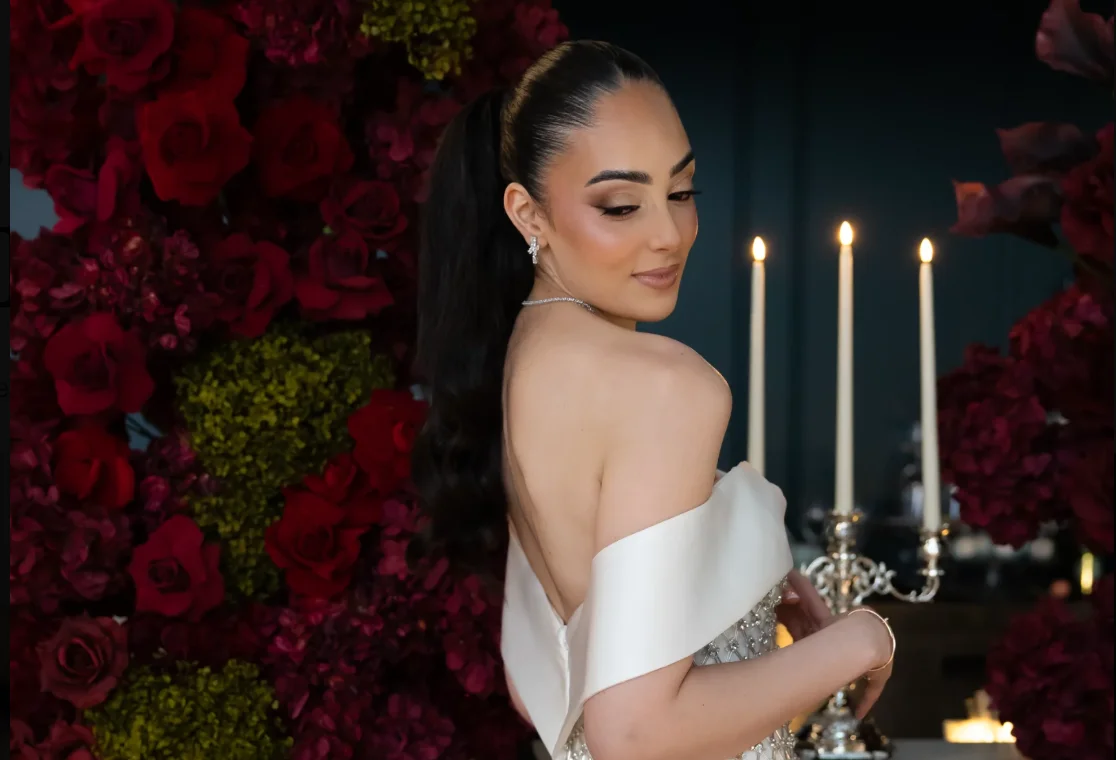
A defined lip in red, berry or deep rose, refined liner and a polished complexion. Drawn from Old Hollywood, it feels at home in city ballrooms, black-tie receptions and heritage venues.
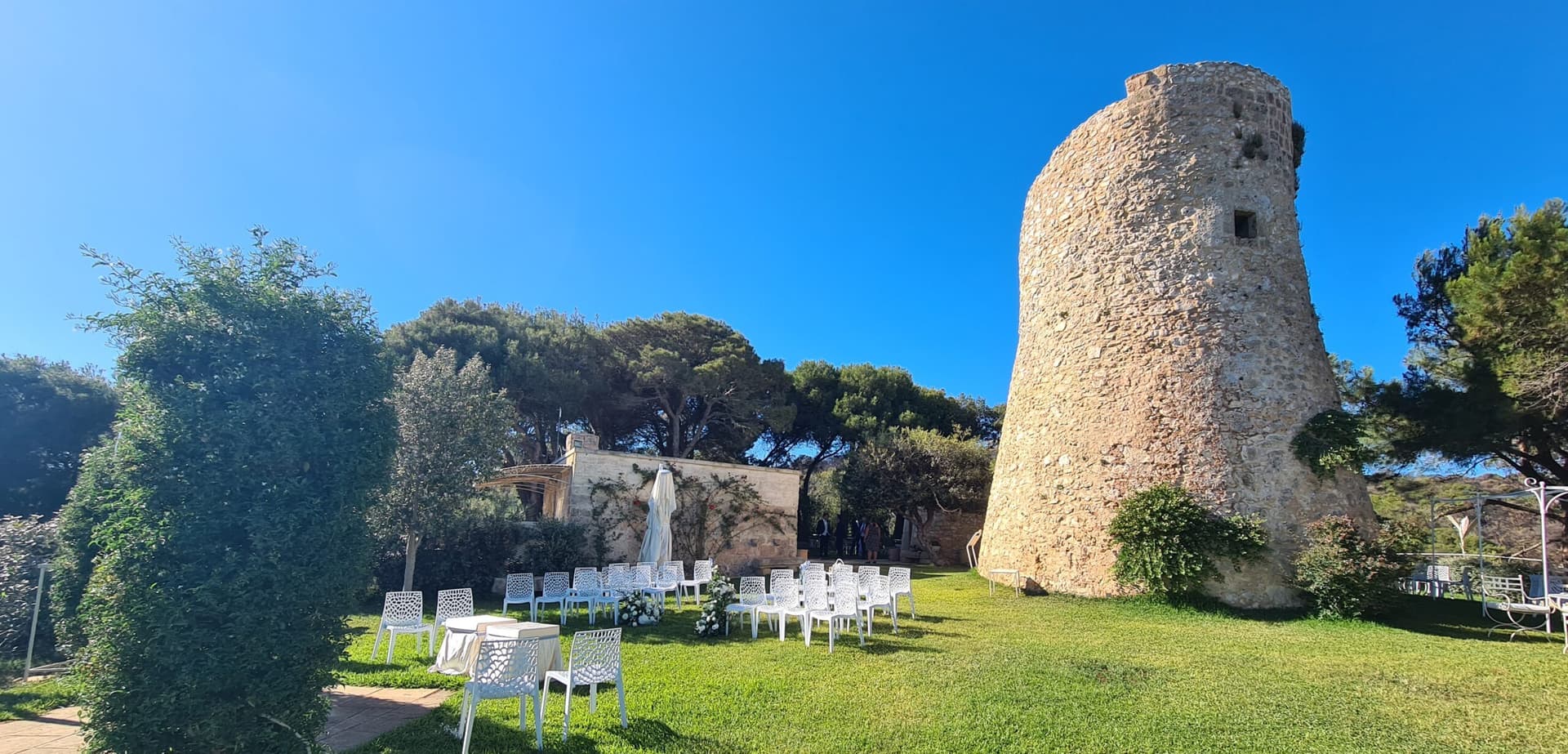
Bronze warmth through the cheeks and temples, cream blush and a glossy lip. It is a natural fit for coastal and outdoor celebrations, from Byron Bay to the Amalfi Coast.
Shimmer on the lid, a graphic liner, a smoked eye or an unexpected colour. This is for brides who see beauty as part of the wedding's creative direction, alongside the florals and the dress.

Weddings around the world carry their own rituals, colours and rhythms. Bridal makeup can honour those traditions and move with them, whatever the bride's heritage or personal style.
Many celebrations unfold over several days or several outfits. A South Asian wedding may move from mehndi to sangeet to ceremony, a Balinese couple may hold both a traditional wedding and a second wedding celebration on separate days, and a Chinese tea ceremony often precedes a gown for the reception.
Planning these looks as a sequence keeps them connected. The base can stay consistent while colour, intensity and finish shift from one event to the next.
Rich textiles, gold jewellery and headpieces change how makeup reads. A red lehenga, an embroidered veil, a Persian set in mirrors and candlelight, or the glow of a henna night can each call for a different balance of colour on the face.
Consider how metallics and deep jewel tones sit alongside your skin and your jewellery. A trial in the full outfit, or with a swatch of the fabric, shows how everything works together.
Some brides look at a mother's or grandmother's wedding portrait for directions. A signature lip colour, a way of lining the eyes or a family ritual can be reinterpreted so it feels personal and current.

Makeup is one layer of a complete look. The neckline, fabric, colour, hairstyle and metals of your jewellery all influence what sits best on the face.
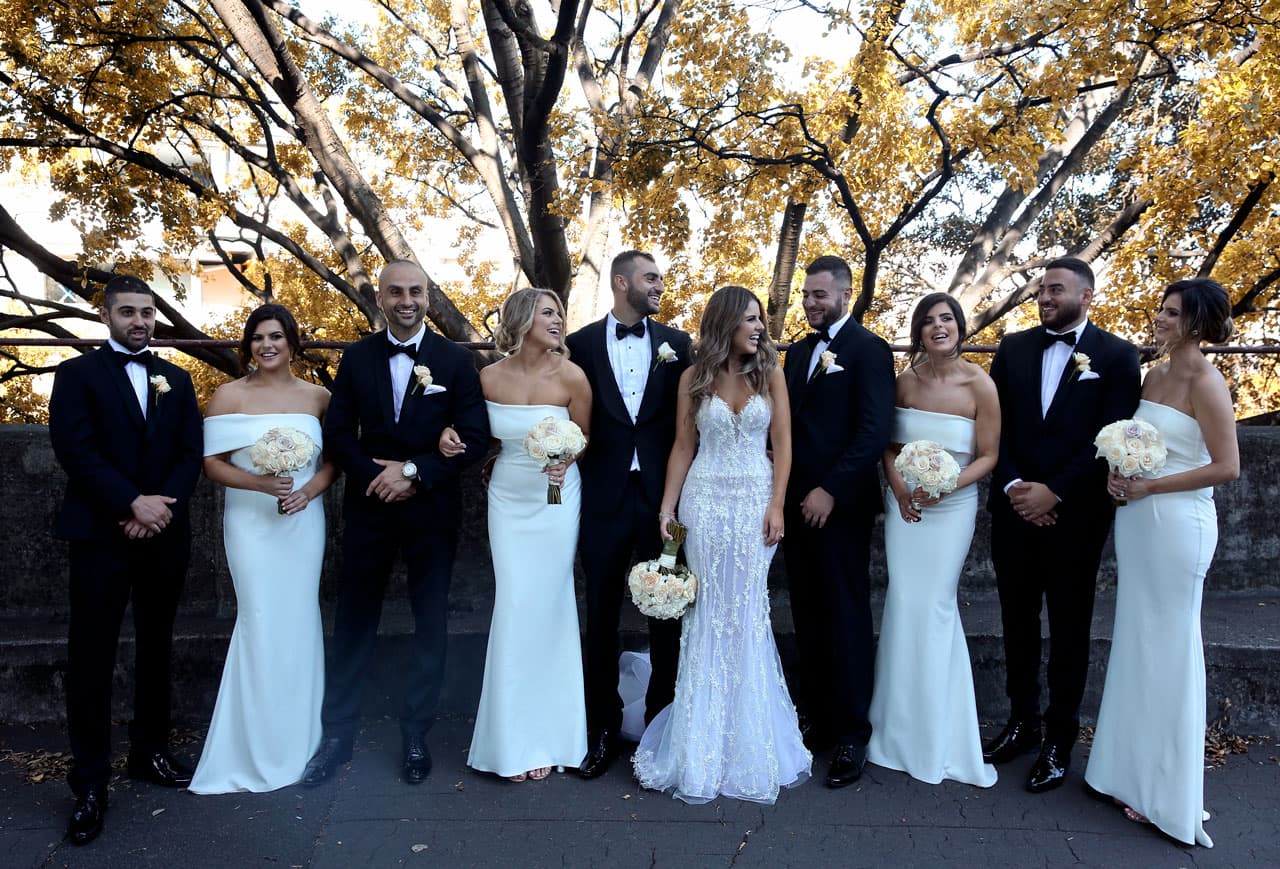
A structured satin gown and a sleek chignon might invite a polished finish, while a bias-cut slip dress and loose waves might suggest skin-first makeup. These are starting points, and your own taste decides where you land.
Morning light is soft and forgiving, golden hour adds warmth, and candlelit receptions deepen shadows. Flash photography flattens colour and can amplify shimmer, so finishes are worth testing under each.
Every complexion has an undertone, whether warm, cool, neutral or olive, and it guides foundation, blush and lip choices. A skilled artist matches shade and undertone in natural light, across the full spectrum of skin.
Finish matters as much as shade. Matte, satin and dewy textures each photograph differently, and your trial is the place to see which one feels most like you.

The setting shapes the formula. A look designed for an air-conditioned ballroom will behave differently on a clifftop in Uluwatu or a terrace above Lake Como.
In coastal Queensland, Bali, Phuket and the Gulf, lightweight layers outlast heavy coverage. Water-resistant eye makeup, blotting papers and a targeted setting powder keep the look fresh.
A setting spray formulated for heat is the final step. Urban Decay All Nighter has become a staple in destination kits for exactly this reason.
Winter weddings in the Swiss Alps, autumn celebrations in Burgundy and cool evenings in the Blue Mountains call for hydration first. Cream textures and a richer moisturiser under makeup keep skin supple in crisp, dry air.
Colour holds well in cooler light. A berry lip or a warm flush looks at home against snow and stone.
Bright sun intensifies shimmer and can turn a dewy finish reflective in photographs. Satin finishes, with shimmer placed only on the high points of the face, tend to read best.
Wind on a beach or clifftop also plays a part. Long-wear lip colour and securely applied lashes hold up to the elements.

Longevity begins weeks before the wedding. A consistent skincare routine, good sleep and hydration give makeup a smooth surface to sit on.
In the morning, makeup is built in thin layers, with primer where it is needed and set at each stage. Waterproof mascara keeps the eyes defined through the vows and the speeches.
Lip liner applied across the whole lip gives colour something to hold on to. Charlotte Tilbury Lip Cheat is a long-standing favourite among bridal artists for its staying power.
Hand a small touch-up kit to a bridesmaid, with blotting papers, your lip colour and a pressed powder. For the reception, a deeper lip or a little more definition at the eyes carries the look into evening.
Book your makeup artist six to twelve months ahead, and earlier for peak-season or destination weddings. Hold the trial one to three months before the wedding, once your dress and hair are largely decided.
Bring a small edit of inspiration images, photographs of your dress and a fabric swatch if you have one. Details of your jewellery, headpiece and hairstyle help your artist see the complete picture. Wear a top close to the colour of your dress. It shows how the makeup will sit against the gown.
Photograph the look in daylight and with flash, then wear it for several hours to see how it settles. If something doesn't feel like you, say so, because the trial exists to refine.
Keep your skincare consistent in the lead-up. New products or treatments introduced in the month or two before the wedding leave little time for your skin to settle.
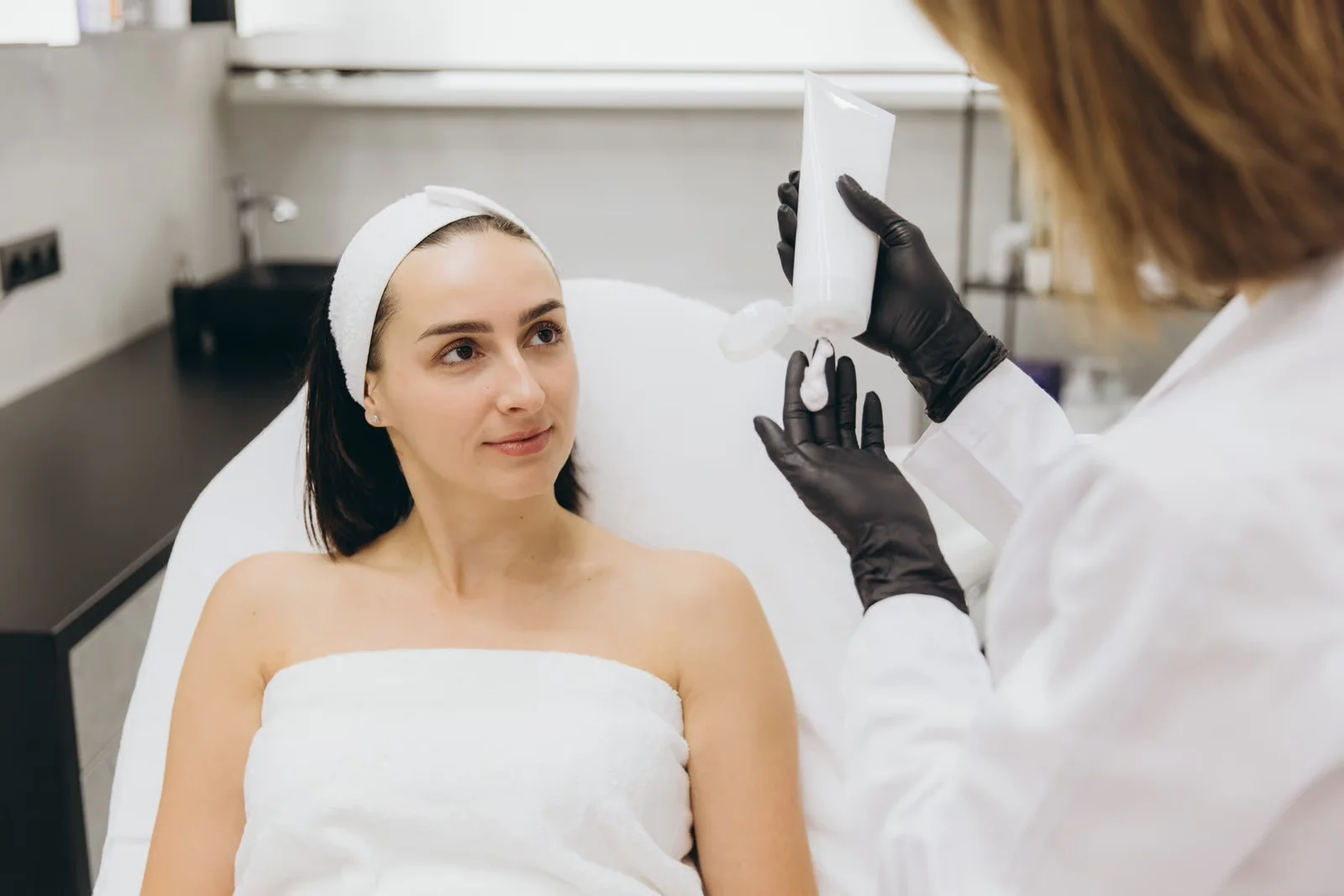
If you are planning a facial or peel, schedule it well ahead. Your skin therapist can advise on the right timing.
The most cohesive bridal looks are planned as a whole, with makeup, hair, nails, dress and setting considered together. We coordinate directly with hair and makeup stylists and nail artists, so each detail is shaped around your destination's climate, your celebration's timeline and the look you have in mind.
Soft glam: Polished, blended makeup with gentle definition and a radiant finish.
Dewy finish: Skin with a fresh, light-reflecting sheen.
Matte finish: Skin or lips with a soft, velvety surface and no shine.
Undertone: The warm, cool, neutral or olive hue beneath the skin, which guides shade matching.
Makeup trial: A rehearsal with your makeup artist in the months before the wedding.
Setting spray: A fine mist that helps makeup hold through heat, movement and emotion.
Written by
Editor & Content Writer
Jillian Arambulo is the Editorial and Content Writer at Wedded Wonderland, specialising in branded content and editorial strategy. Her writing spans travel, lifestyle, culture, beauty and emerging trends, bringing together comprehensive guides and features that connect readers with the places, ideas and experiences worth discovering.
Search real weddings, venues and vendors from around the world.
Search Wedded Wonderland