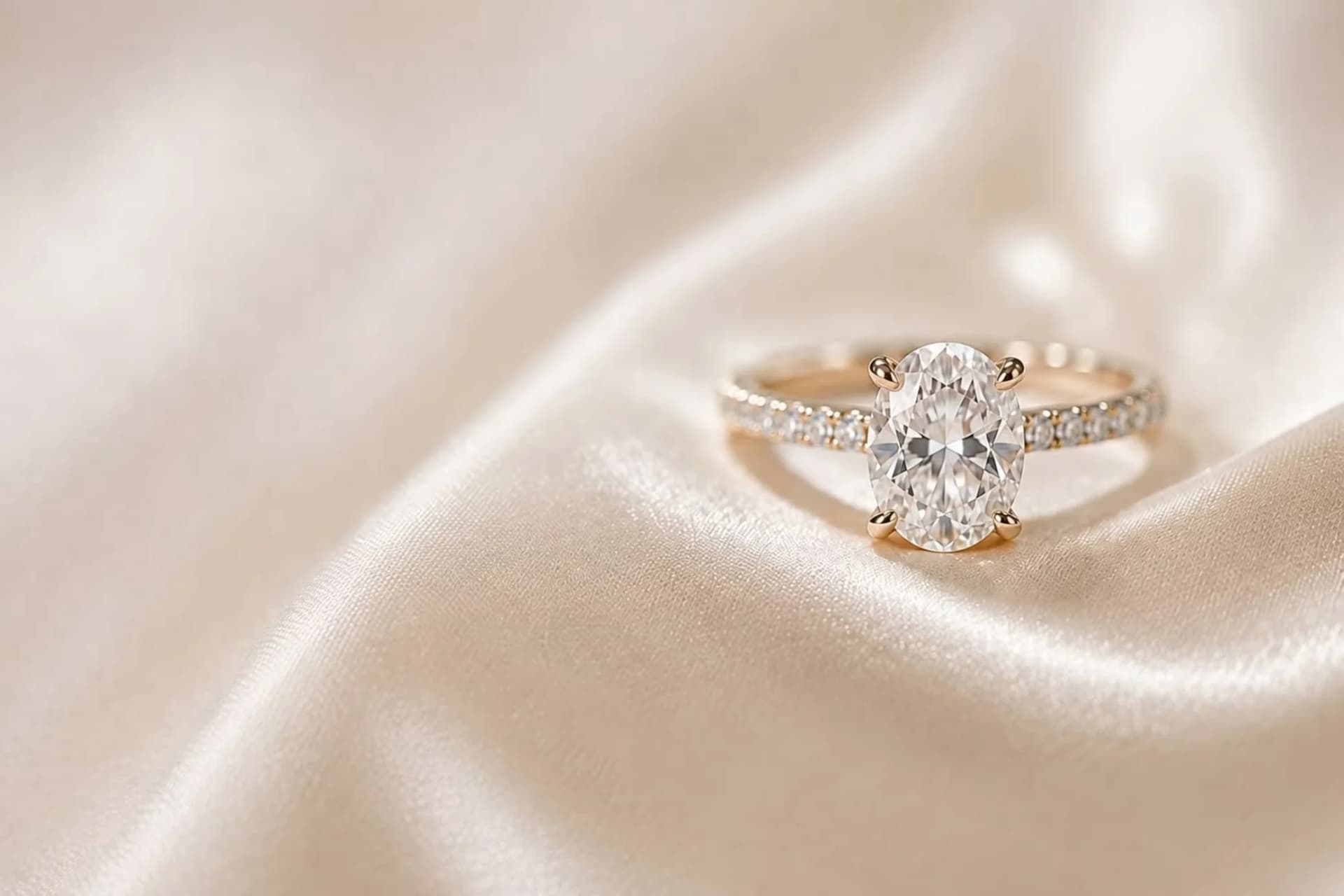
After 17 years and 120,000 celebrations, Wedded Wonderland understands that an exceptional engagement ring budget is rarely about following a particular quote. For couples accustomed to considered design and bespoke craftsmanship, the choice comes down to the stone, setting and story behind it.
There is no single accurate ballpark figure. The right engagement ring budget suits your partner's taste and the life you are building together, whether that means a refined solitaire or a stone commissioned over several months.
Spend an amount you can pay comfortably, ideally from savings, without delaying the goals you share with your partner. Most Australians spend between AU $6,000 and $7,000, and the US average sits close to US $6,500.
Engagement ring budgets well below and far above those figures are equally common, and each can be the right choice. The same thinking applies whether one partner is proposing or you are choosing the ring together.
The idea that a ring should cost a set number of months' salary began as diamond advertising in the mid-twentieth century, growing from one month to three over the following decades. Repetition turned a marketing line into perceived etiquette.
Applied today, the rule asks a great deal. At Australia's average full-time earnings, two months' salary comes to roughly AU $18,000 and three months to around AU $27,000, well above what most couples choose to spend. Salary alone also overlooks housing costs, dependants, savings goals and the wedding still to come.
Australian market data converges on an average of AU $6,000 to $7,000, with most rings falling between AU$5,000 and $10,000. Premium pieces regularly reach AU $25,000 and beyond. A one-carat natural diamond ring typically sits between AU $5,000 and $12,000.
In the US, the average engagement ring budget cost at around US $6,504 in 2025, down from a peak of US $9,025 in 2022. Natural diamond rings averaged around US $10,760 and lab-grown rings around US $5,190.
At the upper end, fancy coloured diamond rings averaged more than US $23,500. Gemstone rings averaged around US $9,400, with most buyers choosing top-grade sapphires and rubies.
Two forces are reshaping every engagement ring budget. Lab-grown stones now appear in roughly half of newly appraised US engagement rings, and record gold prices have raised the cost of settings even as many centre stones have become more accessible.

Every price point offers something distinct. US dollar figures below are approximate at current exchange rates.
Most couples choose a ring in this range. It covers natural diamonds just below a carat in classic settings, larger lab-grown stones in halo or trilogy designs, and semi-custom rings that adapt an existing design to your partner's style.
Natural diamonds of a carat and above in high grades come into reach here, alongside platinum settings and fully bespoke design. Couples at this level often prioritise craftsmanship details such as hand-finished claws and hidden accent stones.
Above AU $20,000, most rings are commissioned. Stones of two carats and more, rare gemstones and signature design come together through a slower, more personal process.

A grand ring is defined by the experience of creating it as much as by its price. At this level, the process is private, collaborative and carefully documented, and it deserves time.
A bespoke ring usually begins with a private consultation, then moves through hand sketches, a digital model and often a wax or resin prototype before the final piece is made. Allowing three to four months from first meeting to finished ring leaves room for stone sourcing and refinements.
The result is a ring no one else wears. Proportions are tuned to the wearer's hand, and details such as an engraved band or a hidden stone can hold a private meaning.
Rarity drives the upper tiers. Natural fancy coloured diamonds, untreated sapphires from celebrated origins, and antique-cut diamonds such as old European cuts command a premium because so few exist.
With rarity comes scrutiny. A significant stone should carry an independent grading report from a respected gemmological laboratory, and origin reports for coloured gemstones add further confidence.
Fine jewellers often arrange private appointments to view a curated selection of loose stones side by side, the most reliable way to compare brilliance and character. Some will source a stone to your exact brief, presenting options over several weeks.
Documentation turns a ring into an heirloom. A grading report, sourcing record, valuation and design history together tell the ring's story for generations.
Look at what you can set aside over the coming months without touching emergency funds or shared goals. That figure is a more dependable starting point than any percentage of income.
If financing is part of the plan, factor in interest and repayment terms so the full cost is clear from the outset.
Many couples now discuss the engagement ring budget openly, shop together or share a few preferences in advance. Some exchange two engagement rings, and others design one together as the first shared decision of their engagement.
If you are keeping it a surprise, a trusted friend or family member can help you learn ring size and style.
Decide on a figure, with a small margin either side, before visiting a jeweller. It keeps every conversation focused on the ring's character and craftsmanship, and helps a jeweller present the best options within your range.
The centre stone is usually the largest share of any engagement ring budget. Natural diamonds, lab-grown diamonds, sapphires and other gemstones sit at very different price points for a similar look.
Cut has the greatest effect on brilliance, so it deserves priority at every level. Carat weights just below whole numbers, such as 0.9, can look almost identical to 1.0 at a noticeably lower price, and an eye-clean clarity grade and colour often reads as beautifully as a flawless one.
Platinum is dense and durable, while gold comes in several purities and tones. Halo, trilogy and pavé designs add accent stones and hours of handwork, and higher gold prices have lifted the cost of settings across the market.

Elongated shapes such as oval, pear and marquise can appear larger than round stones of the same weight. Resetting a family stone, or choosing a sapphire or lab-grown diamond, can direct more of your spend toward design and craftsmanship.
At the upper end, value lies in the quality of the cut, the credibility of the grading report and the reputation of the maker. Investing in these details protects both the beauty and the long-term worth of a significant ring.
Wedding bands, resizing and insurance all belong in the wider plan. Specialist jewellery insurance typically costs around 1 to 2 per cent of a ring's value each year, and cover should begin on the day of purchase, before the proposal.
For grander rings, an updated valuation every few years keeps cover in step with the market.
A bespoke commission often sets the timeline for the proposal, and a destination proposal can influence which engagement ring budget feels right to carry across the world. Wedded Concierge begins with a thoughtful discovery session before anything else to help align with your plans for the ring, the setting and the timing.
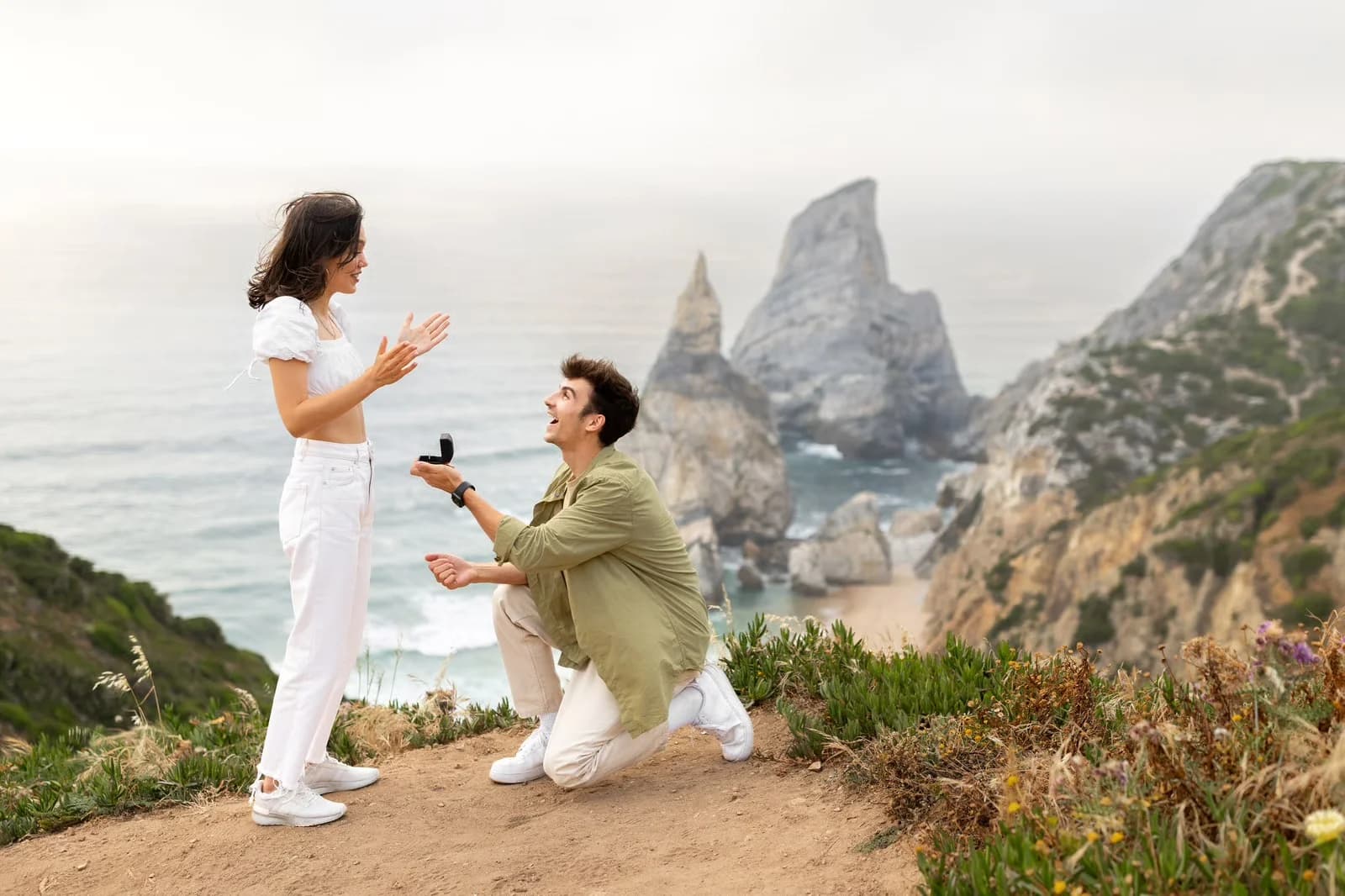
From an intimate question at home to one of the grander marriage proposal ideas abroad, our planning begins with what matters most to you both.
Written by
Editor & Content Writer
Jillian Arambulo is the Editorial and Content Writer at Wedded Wonderland, specialising in branded content and editorial strategy. Her writing spans travel, lifestyle, culture, beauty and emerging trends, bringing together comprehensive guides and features that connect readers with the places, ideas and experiences worth discovering.
Search real weddings, venues and vendors from around the world.
Search Wedded Wonderland