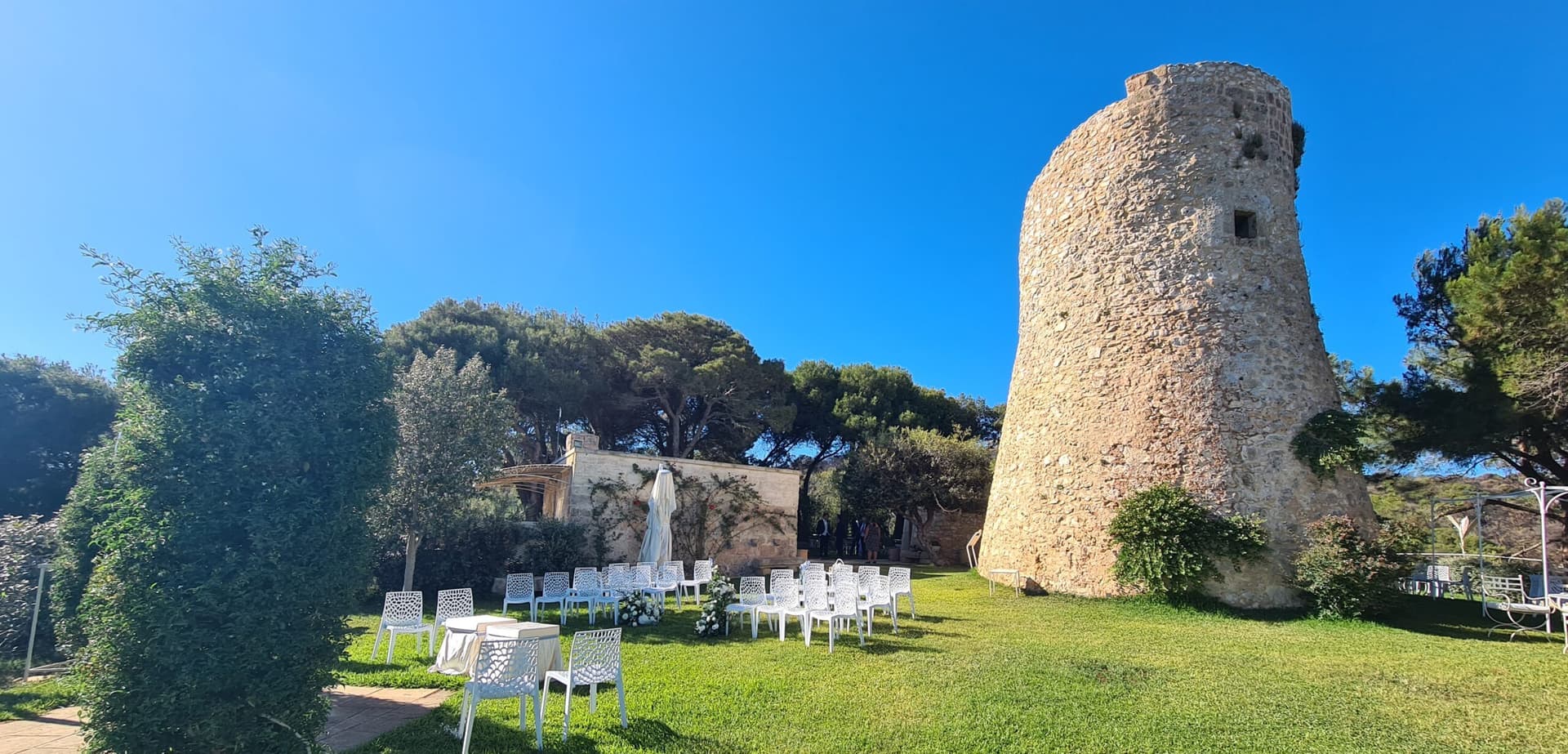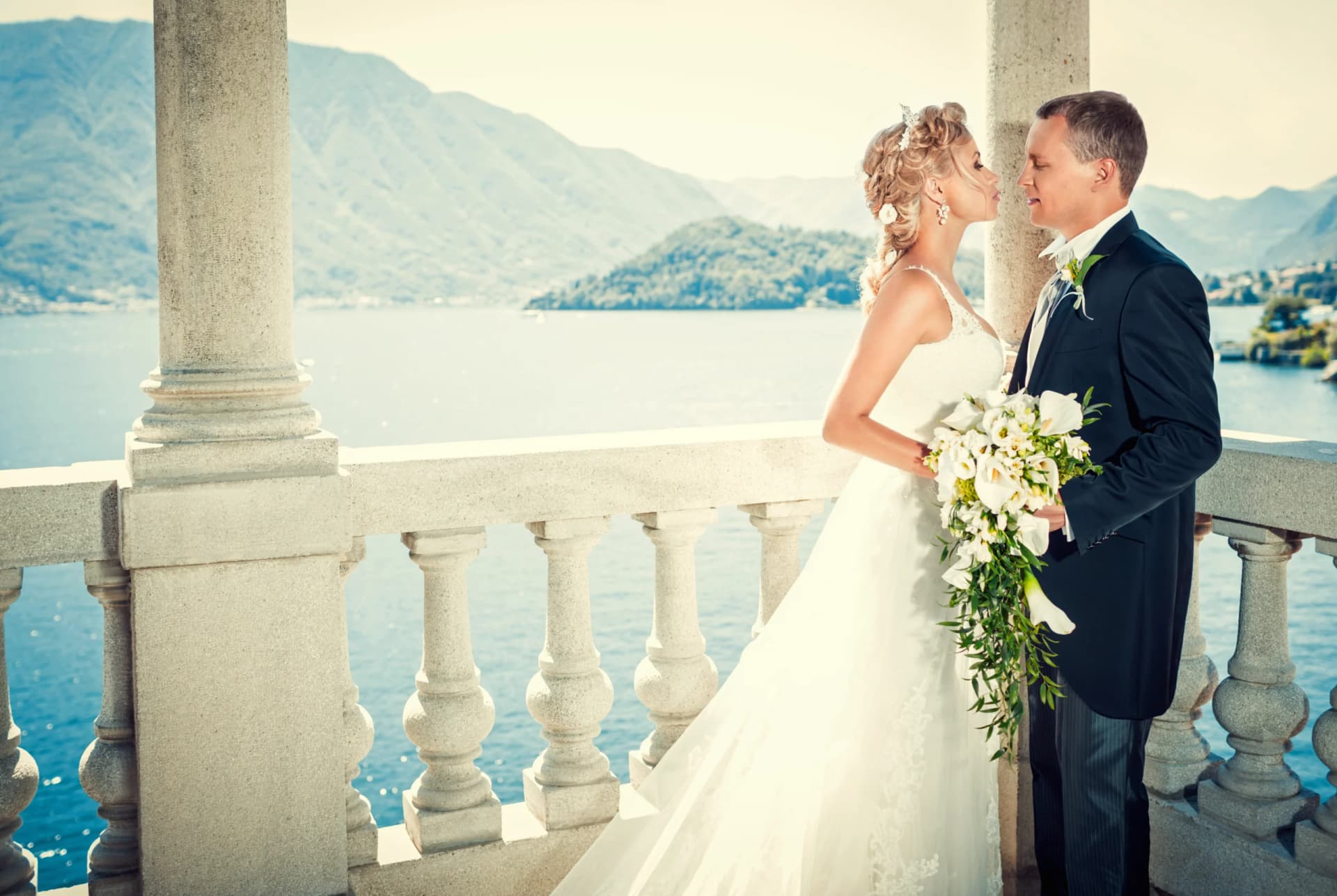
Few places say "wedding" the way Italy does. Cypress-lined estates, lakeside villas and cliffside terraces make it easy to see why couples from around the world choose it. But getting married in Italy legally is a different matter from getting married there beautifully, and the paperwork is where plans most often stumble.
The good news is that Italy welcomes foreign couples, and the process is manageable once you know the sequence. This guide covers who can marry, which ceremony types count, the documents you'll need, the step-by-step process, and when it makes sense to skip the legal side in Italy altogether.
A note before we begin: requirements vary by nationality, by comune (municipality) and sometimes by the official you speak to. Treat this guide as your map, and confirm the details with your consulate and the comune where you'll marry.
Yes. You don't need to live in Italy, hold a residence permit or spend a minimum number of days there before the ceremony. Italian civil law lets non-resident foreigners marry, provided each partner is of legal age, free to marry (not currently married to someone else) and not barred by family relationship.
What Italy asks for in return is proof. Because Italian officials can't check your marital status in your home country, you must supply a document from your own authorities, or consulate in Italy, confirming there is no legal impediment. That document, usually called a Nulla Osta or certificate of non-impediment (or an equivalent sworn declaration, depending on your country), is the heart of the process.

Choosing the right ceremony type shapes everything else, from paperwork to venue. Here's the three types for you to look into:
A civil ceremony is conducted by the mayor or a delegated civil registrar at the comune. Ceremonies take place in the town hall, often in a historic council chamber, or in a venue the comune has formally approved for civil weddings. Many villas, castles and palazzi hold that approval, depending on the comune, so you can often have a legal ceremony in a dramatic setting while still meeting the municipality's rules.
Two adult witnesses are required, and they can be any nationality. If neither of you speaks Italian, you'll need an interpreter, and the comune will typically want this arranged in advance.
A Catholic ceremony in Italy can carry civil effects, but it brings extra requirements. These typically include baptism and confirmation certificates, a pre-marriage course, a statement of freedom to marry from your home parish or diocese, and permission from the Italian diocese. The marriage must then be transcribed into the civil registry, and the civil paperwork is still required as well. If a religious ceremony matters to you, start talking to the relevant clergy early, since this route generally takes longer than a civil one.
A symbolic ceremony has no legal standing in Italy, which also means it requires no legal paperwork. You can hold it anywhere that's permitted: a hillside, a beach, a vineyard, a lakeside lawn. Couples who want more freedom over location, wording and timing often choose this path, then complete the legal marriage separately.
Ceremony Type | Legally Binding | Paperwork | Location Flexibility |
Civil | Yes | Moderate | Town hall or approved venue |
Religious | In certain cases | Heavy | Place of worship |
Symbolic | No | None | Almost anywhere |
Exact lists differ by nationality and comune, but most foreign couples should expect to gather the following:
Valid Passports: This is needed for both partners.
Full Birth Certificates: This must show the parents' names, with an apostille and a sworn Italian translation.
Nulla Osta or Equivalent: Citizens of some countries receive a certificate of capacity to marry from their own authorities. Others, including many American, Canadian and Australian couples, obtain a sworn declaration or equivalent through their embassy or consulate in Italy. Your consulate's website will explain which applies to you.
Atto Notorio or Sworn Declaration: Some consulates ask each partner to sign a declaration with witnesses (typically two to four, depending on nationality), stating that there is no impediment to the marriage. Whether it's done at home or in Italy depends on your nationality.
Proof of Ended Previous Marriages: If applicable, a final divorce decree, annulment or death certificate of former spouse must be provided, apostilled and translated.
Proof of Residence: Some comuni will request this, plus your parents' names and places of birth, which the Nulla Osta must include.
For official, country-specific guidance, start with your own government. The UK's marriage abroad guidance and the US Embassy in Italy are good places to begin, and the Italian Ministry of Foreign Affairs publishes consular information too.

Getting married in Italy does not need to be overly-difficult or complex. Below are the seven specific steps you need to follow:
Choose your region and comune first, because the comune sets the rules. Each town hall has its own process for booking dates, accepting documents and approving venues. Browsing our Italy wedding destinations is a good way to narrow your shortlist before you contact anyone.
Contact the marriage office (ufficio di stato civile) of your chosen comune, or have your planner or lawyer do so. Ask what they require from foreign couples, how far ahead they need documents, which days they celebrate civil ceremonies, and whether they charge extra for a non-resident wedding or an off-site venue.
Order birth certificates, divorce decrees or death certificates, have the originals apostilled, and then have them translated. Start early, as apostilles from some authorities can take weeks. Check the validity window on each document, since some expire if issued too far ahead of the wedding.
Follow your consulate's process. For many nationalities this means an appointment in Italy, sometimes in a different city from your wedding, so build it into your travel plans. The resulting document may also need to be legalised at the local Prefettura (the provincial government office), and your consulate or comune can tell you if this applies.
Once you arrive, you and your partner (plus an interpreter if needed) visit the marriage office to present your passports and documents and declare your intention to marry. This often happens in the days before the ceremony, though some comuni set their own timing. Confirm the schedule with your planner so it doesn't clash with your other wedding-week plans.
The civil registrar conducts the ceremony, reads the relevant articles of the Civil Code, and asks for your consent. You and your two witnesses sign the register. Italian civil ceremonies are usually short, and many couples follow them with a celebration at their reception venue.
During the process, you may be asked whether you want to choose a property regime for your marriage. The property regime that applies can depend on your nationality and residence, so it's worth speaking to a lawyer before the day if you have assets or prenuptial arrangements to consider.
The comune will issue a marriage certificate. For use abroad, request an international or multilingual extract and have it apostilled, which is often done at the Prefettura. You'll need this to register the marriage at home (where required), update your name on official documents and handle immigration or tax matters.
Plan to start the legal side 6 to 9 months out, earlier if you're pursuing a religious ceremony. A realistic timeline looks like this:
9 to 12 months out: choose your comune, venue and ceremony type; confirm the rules.
6 to 9 months out: collect and apostille birth certificates and any divorce or death documents, checking each document's validity window.
3 to 6 months out: arrange translations, book consular appointments and confirm your interpreter.
In Italy, before the wedding: obtain your Nulla Osta or equivalent and make your declaration at the comune.
After the wedding: collect and apostille your certificate.
Peak dates fill 12 to 18 months ahead, particularly on Lake Como and the Amalfi Coast, so secure your venue before you start the legal timeline. Our destination wedding planning guides can help you sequence both.

Many couples choose a simpler route: marry legally at home in a short civil ceremony, then hold a full ceremony or celebration in Italy. The advantages are real:
No foreign paperwork. No apostilles, consular appointments or sworn translations for the wedding itself.
Freedom of location. A symbolic ceremony can happen on a terrace, in a garden or on a boat, wherever your venue allows.
Less date pressure. Your Italian celebration isn't tied to a town hall's calendar.
Easier name changes. A certificate from your home country's authorities is usually simpler to use for name changes and records.
The trade-off is that your Italian ceremony won't be the "official" moment. Many couples find that matters less than they expect, especially when the legal step is a quiet one with a couple of witnesses and the celebration is the real event. Either route is valid, and we explain how to weigh them in our broader destination wedding guide.
Italy does not currently offer same-sex civil marriage. What it recognises are civil unions (unioni civili) under the Legge Cirinnà, and the country generally treats same-sex marriages peformed abroad as civil unions. What many same-sex couples do instead is complete a legal marriage in a country where they're eligible. Then, they hold symbolic ceremonies in Italy.
With that said, eligibility and procedures for non-resident foreign couples can vary by comune. Couples should check directly with their chosen comune and consulate before committing to a legal ceremony. It is also worth noting that many Italian venues and suppliers regularly host same-sex celebrations.

The comune you choose affects the process, the available dates and the setting:
Lake Como: grand villas and boat arrivals, with some villas approved for civil ceremonies and high demand in June and September.
Tuscany: private estates, outdoor dinners and a wide choice of comuni, with some estates approved for on-site civil ceremonies.
Amalfi Coast: cliffside terraces and dramatic scenery, though logistics and transport call for careful planning.
Puglia: masserie, olive groves and a quieter pace, often with better value than Italy's more famous regions.
Ask any venue you're considering whether it's approved for civil ceremonies, which comune it falls under, and what that comune charges. Confirm these early, as they vary. If you're still deciding, browse our venue marketplace to compare options by style and guest count.
Getting married in Italy may be a dream, but reality is often a harsh one for couples who overlook the following common mistakes:
Starting too late: Apostilles, translations and consular appointments take longer than people expect.
Assuming one set of rules: Your nationality and your comune can both change the requirements.
Using unofficial translations: Officials often require sworn translations.
Forgetting witnesses and an interpreter: You need two adult witnesses, and an interpreter if neither of you speaks Italian.
Not budgeting for fees: Stamps, declarations, translations and comune charges all add up.
Skipping the post-wedding paperwork: Without an apostilled certificate, registering your marriage at home can be slow or impossible, depending on the country.
Keeping on top of your guest list, budget and wedding website is far easier in one place. Our free Wonderland Studio planning tools bring them together.
The legal requirements are the least romantic part of an Italian wedding, but they're also the part you can largely settle in advance. Choose your ceremony type, pick your comune, start your documents early and confirm each requirement with the officials who will be checking them. Do that, and the rest becomes the part you came for: a ceremony in one of the world's most beautiful countries, surrounded by the people you love.
Written by

SEO Specialist
Ayrton Christian Braga is an SEO Specialist at Wedded Wonderland, where he writes optimized articles and web pages that center on destination weddings, cultural wedding traditions, and guides for everything in between.