To officiate a wedding for a friend, first find out whether the law lets you marry them or only lead the ceremony, because where they marry decides it. In Australia only an authorised marriage celebrant can marry a couple, so you lead while the celebrant says the legal words and signs. Many US states accept online ordination through bodies such as the Universal Life Church, but the rules vary by state and county, and the clerk who issues the licence is the person to ask. In England and Wales, a registrar must carry out or be present at the civil ceremony.

Everything else is craft. Build your script on the usual order of a wedding ceremony or start from our wedding ceremony script, after a proper brief from the couple. Any line the law keeps for someone else gets marked in the margin. Where the couple plan with Wedded Concierge, their Wedded Advisor holds the venue, suppliers and timeline, which leaves you the words.
Settle this before you write, because it decides which words are yours and where you hand over.
Only an authorised marriage celebrant can legally marry a couple in Australia, and registration as a celebrant needs a Certificate IV in Celebrancy or an equivalent qualification. The celebrant must be present. The couple lodge a Notice of Intended Marriage (NOIM) with them at least one month ahead, and two witnesses aged 18 or over sign the certificate (NSW Government).

The Marriage Act 1961 fixes two spoken parts. Under section 46, the celebrant states their authority and says the monitum: "Marriage, according to law in Australia, is the union of 2 people to the exclusion of all others, voluntarily entered into for life." Under section 45, each partner says the legal vow, which opens "I call upon the persons here present to witness that I" and ends "to be my lawful wedded wife (or husband, or spouse)". The Act allows "words to that effect", and how far to use that room is the celebrant's call.
The legal vow is a statement, so any "I do" question is the celebrant's addition. The standard marriage service from Births, Deaths and Marriages Victoria also has the couple declare they come "voluntarily and without reservation", a customary step beyond sections 45 and 46, and the celebrant pronounces them married before the signing. Your share sits around these lines, never in place of them: the welcome, the story, readings, any personal vows after the legal one (or the traditional vows), the rings and the close. Send the celebrant your draft with their lines left blank to fill; how to choose a wedding celebrant covers what to ask.
The Universal Life Church says its ordination is free, takes a few minutes online and is recognised in "nearly every state". Some states and counties ask officiants to register or show credentials first.

New York shows why the clerk matters. State law lets "a clergyman or minister of any religion" marry a couple (Domestic Relations Law section 11), yet a Town of Shelter Island notice cites a Department of Health opinion that online ordinations are not recognised by the State, and warns the marriage could later be challenged in court. With the point unsettled, the clerk is the person to ask, and a one-day marriage officiant licence under section 11-d removes the doubt. It costs $25, is open to anyone 18 or over with no residency needed, and covers the named couple anywhere in the state.
Apply for it at the clerk's office that issued the couple's licence, once they hold it (NYC City Clerk). Registration with the City of New York applies only to weddings within city limits, and one-day officiants are exempt from it. The law sets no form of words, only that the couple declare before you and at least one witness that they take each other as spouses (section 12). Clerks such as the Town of Victor's want the signed licence back within five days, and fees and deadlines change, so confirm both with yours.
Wherever in the US the wedding is, email the issuing clerk and ask whether they accept your ordination, whether you must register first and when the signed licence must come back.
The legal ceremony belongs to the registrar, at a register office or a venue approved by the local council. GOV.UK requires at least two witnesses, an exchange of vows and nothing religious, though readings and music are allowed. Each partner says declaratory and contracting words from set options, such as "I declare that I know of no legal reason why I, Sam, may not be joined in marriage to Alex" and "I, Sam, take you, Alex, to be my wedded wife (or husband)". The registrar confirms the forms, and any extra short vows need their approval in advance.

Notice goes in at least 29 days ahead, and the ceremony must follow within 12 months (GOV.UK). A humanist ceremony is not legally recognised in England and Wales, so the civil ceremony comes first and the humanist or friend-led celebration follows, the same day or later. Scotland has its own rules, set by National Records of Scotland.
The law of the country you marry in decides who performs the legal part, so confirm it with that country's registry; what a celebrant does, and whether you need one abroad sets out the options.

The UAE government portal lists Dubai civil marriage for non-Muslims as needing both partners to be 21 or over, with at least one living in Dubai, so confirm the conditions with the court. A friend-led ceremony in the UAE has no legal standing of its own. It celebrates a marriage registered at the court or in another country. Say so kindly in the welcome, so no guest mistakes it for the legal wedding.
Ask the couple for these early, in one email:
The couple's brief: How they met, two or three moments they return to, an off-limits list, and every name with its pronunciation.
The fixed wording: The legal script, and an email from the celebrant, registrar or clerk naming who says which lines.
A backup person: Someone named who holds a second printed script and could read it if you could not.
Work back from the date and follow this order:
The order follows the Victorian standard service, and the Marriage Act behind it applies in every state and territory. Twenty minutes sits within the usual range in how long a wedding ceremony runs. On a New York one-day licence, every line marked "authorised person" is yours:
Processional, about 1 minute: You are in place before the music starts.
Welcome, 1 minute (you): Greet the guests, ask for phones away if the couple want an unplugged ceremony, and remember anyone who could not be there.
Legal opening, about 1 minute (authorised person): In Australia, the celebrant's authority statement, the customary declaration and the monitum. New York sets no form, so a single line leading into the declaration will do.
The couple's story, about 4 minutes (you): Two or three specific moments, with the light line near the start.
Reading, 2 minutes: One reader, introduced by name.
Vows, about 3 minutes: The legal vow, led by the authorised person, then the couple's own.
Rings, 1 minute (you): One named holder hands them over; you give the line and the couple repeat it.
Pronouncement, about 1 minute (authorised person): The celebrant, or you on a one-day licence, declares the couple married.
Close, 1 minute (you): Your last words before the signing. Without legal power, never say "by the power vested in me" or "I now pronounce you".
Signing, about 5 minutes, with music: In Australia, the couple, two witnesses and the celebrant sign. Name the witnesses aloud only if the couple want it, then introduce the couple.
Where the legal marriage is already done, drop the legal opening, legal vow, pronouncement and signing for about 13 minutes in all: two for a welcome that names the marriage, three to four for the story, two for a reading, three for personal vows and one each for the rings and the close, then straight into drinks. Choose a reading for what it says about this couple (which readings work at a wedding has options), such as a passage from a book one gave the other, and add a ritual such as a handfasting only where it means something to them.
Rewrite each of these starting points in your own voice:
Welcome: "Thank you for coming. Sam and Alex asked for the people who know them best, and here you are."
Phones away: "Sam and Alex have a photographer here, so please put your phones away and be here with them."
Naming the legal ceremony: "Sam and Alex married quietly on Thursday. Today they make the same promises in front of all of you."
The light line: One true detail the whole room recognises, such as the argument about a playlist that started their first conversation. Keep exes, money and in-jokes out; a joke that needs a backstory belongs at the reception.
Hand-over to the celebrant: "Before Sam and Alex make their promises, Jo will lead the part the law asks of them."
Rings: "Sam, as you place the ring on Alex's hand, please repeat after me: I give you this ring as a sign of everything I have promised today."
Close after the pronouncement or an earlier signing: "You are married, and today we celebrate it with the people who love you."
On a New York one-day licence: Each partner says "I, Sam, take you, Alex, as my spouse" before the witness, then you close with "By the authority of the State of New York, I declare you married."
Adjust a standard script for these:
Two languages: Split by section rather than line by line, so neither half of the room waits. Put the welcome and close in both, alternating which comes first, and the story in one with a printed translation. A welcome and close said twice add about two minutes, so hold the story to three or drop the reading. Mark each section with its language and reader, such as "Welcome: English (you), then Arabic (Rana)", and have the Arabic reader write or approve their own text, in Arabic script.
Mixed faiths: Keep your own words neutral, check borrowed lines for "God" or "blessed" with the couple, and give each family one moment, such as a reading or an elder's blessing.
Two grooms or two brides: Ask how they want to arrive, whether together, each with a parent or chosen family, or already at the front. Give both the same vow wording, and name the friends who are family to them in the welcome.
Children in a second marriage: Ask them privately what they want. Offer a reading, a family ring or a short promise from the adults to them, and let a teenager stand beside the couple without speaking. In a civil ceremony, ask the registrar whether a child may give the reading.
A previous marriage: Leave it out unless the couple ask for a mention, and never frame this marriage as a correction. Where the children's other parent is a guest, welcome "everyone who loves these children" and name no one.
Write the fix for each of these into your script:
Wind or heat: Outdoors, wear a lapel microphone clipped high with a foam windscreen and keep a handheld for readers; in heat, keep to the short end of the timings, with water for the couple.
A lost line or tears: Pause, breathe and read the next line. Write "Pause" after the moments you expect to land hard, and keep tissues in the folder.
You cannot attend: The named backup reads your sections from the second copy. A one-day licence covers only you, so travel with a day to spare.
The licence after the party: Where you hold the legal power, return the signed licence yourself the next business day.
Through Wedded Concierge, a Wedded Advisor handles venue sourcing, choosing and negotiating with suppliers, the timeline and event-week support, so the sound and seating are settled before anyone stands up.
In Australia, your advisor can also line up an authorised celebrant to say the legal words, so your friend leads everything around them without the paperwork risk.
Settle who holds the legal words, then write the ceremony around them.
Written by
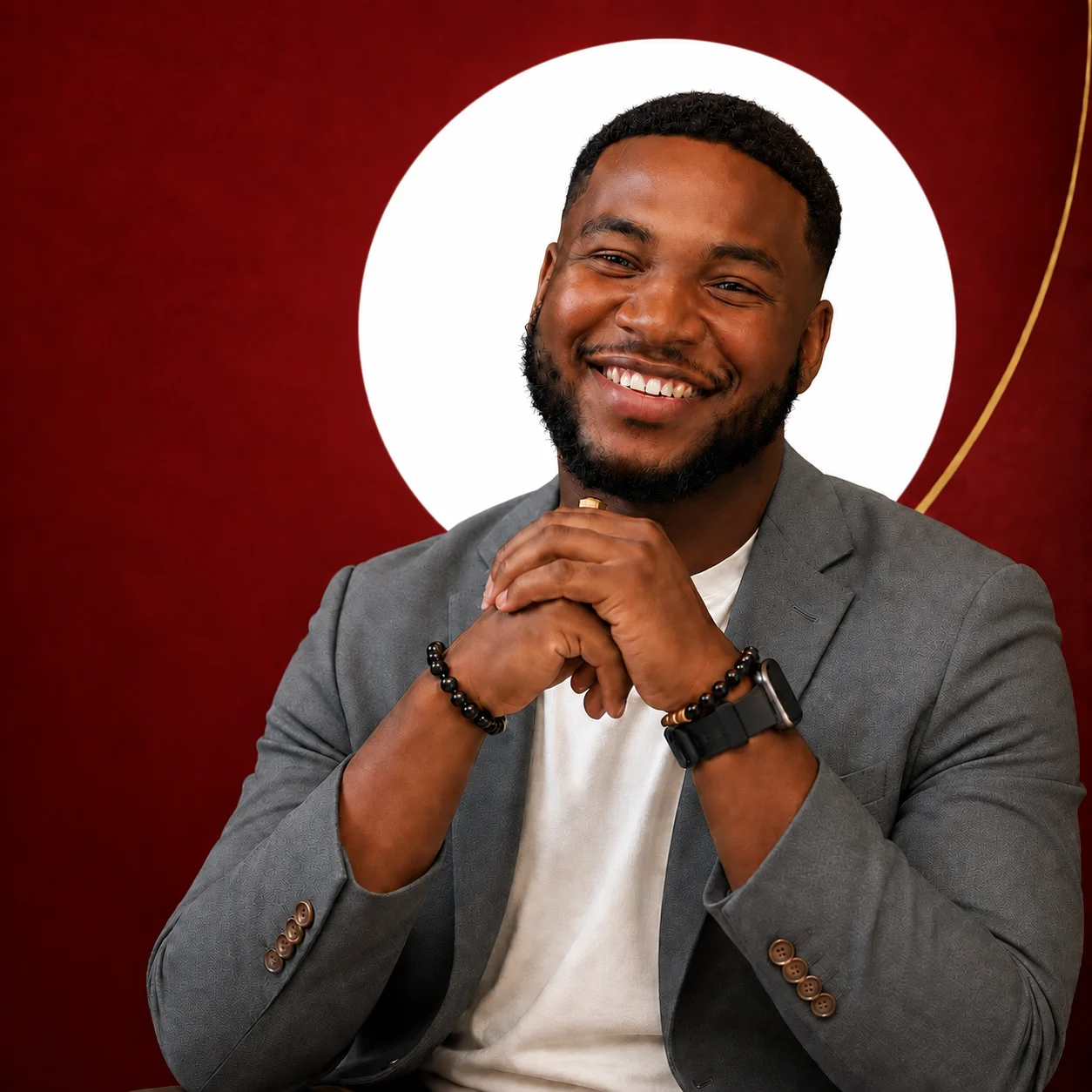
Content and Creative Manager | Wonder Group
Joseph Joshua is the SEO & Content Manager at Wedded Wonderland, bringing an editorial and search strategy perspective to the publication’s coverage of luxury weddings, destination celebrations and bridal lifestyle. His approach to content centres on helping readers move from inspiration to informed decisions, with attention to the design, craftsmanship and personal details that give a celebration its character.
Search real weddings, venues and vendors from around the world.
Search Wedded Wonderland