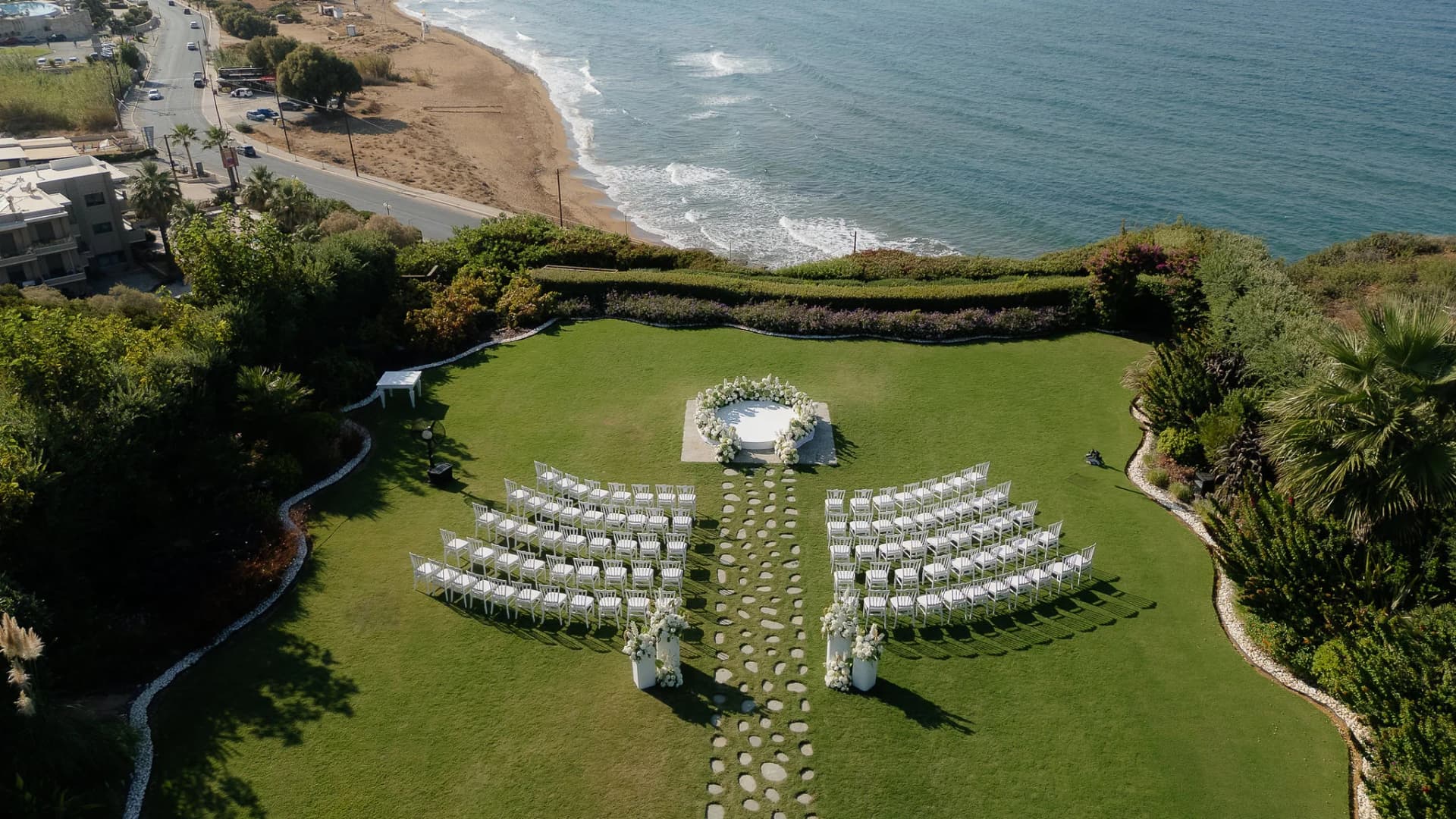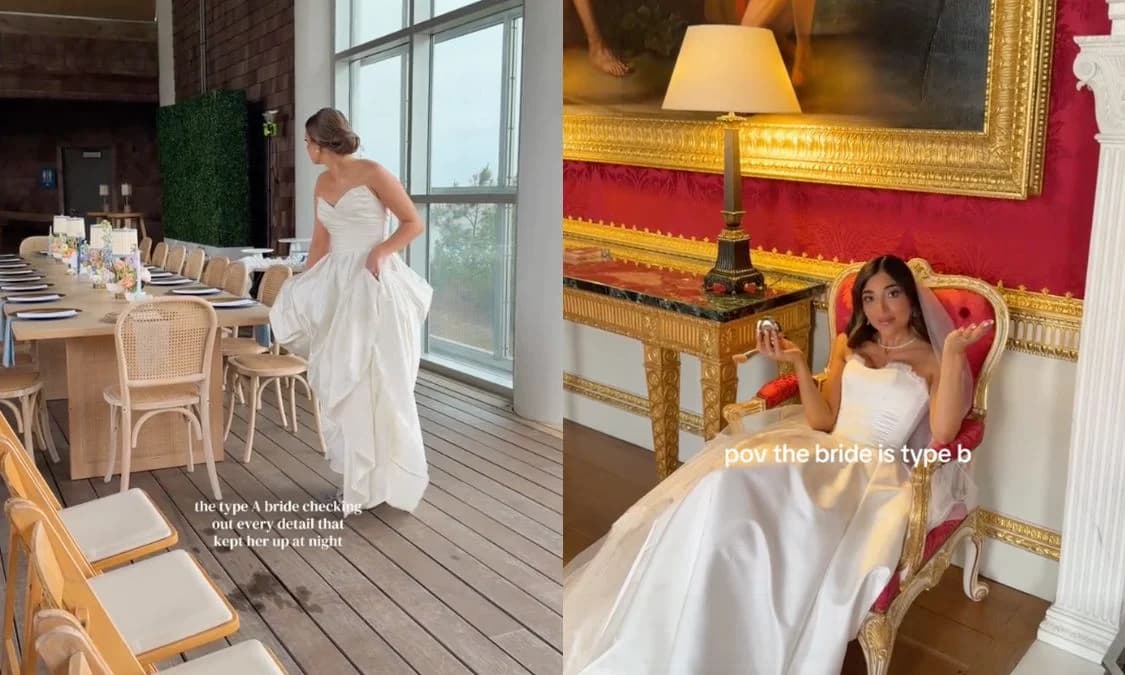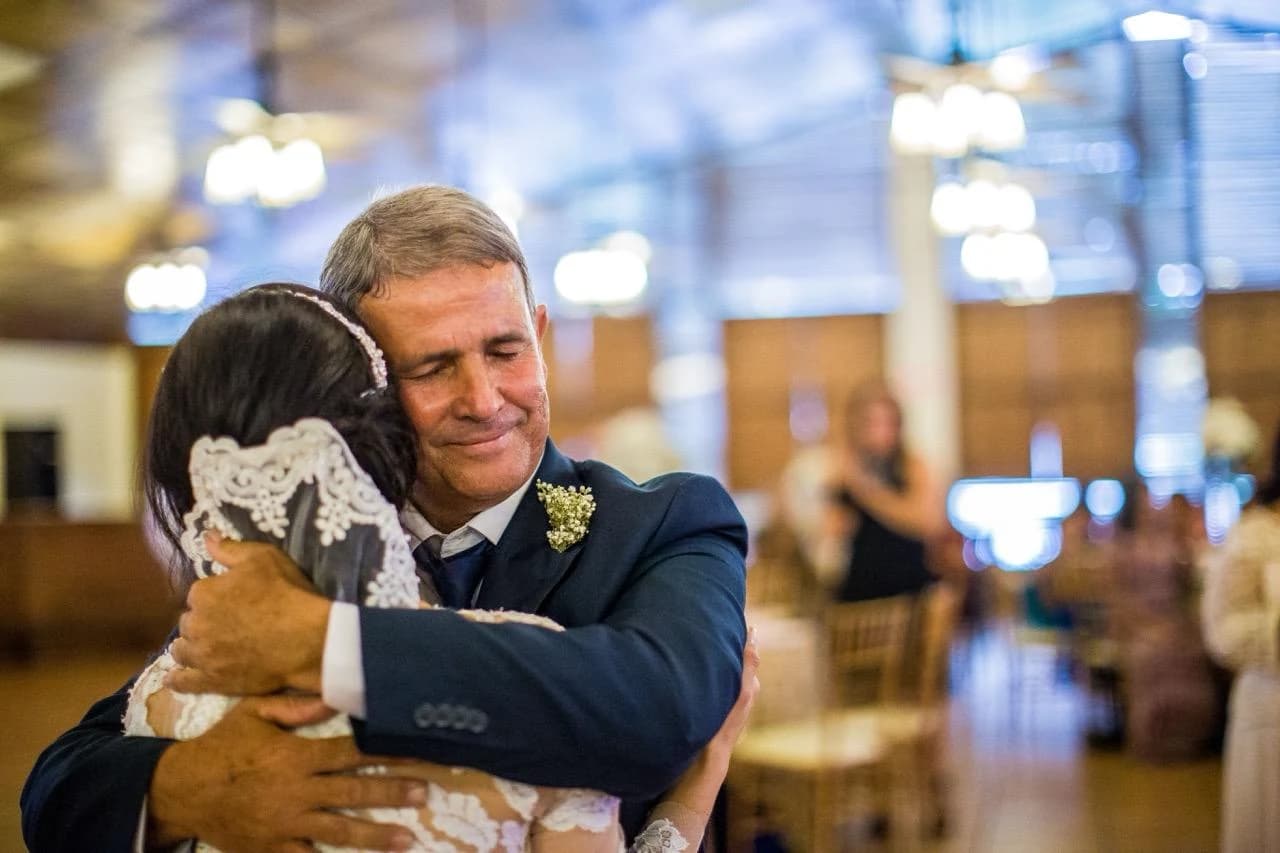
Navigating divorced parents at a wedding requires thoughtful planning, clear communication, and empathetic boundaries. At Wedded Wonderland, we believe every family dynamic can be handled with grace so that your special day remains joyful and stress-free. With the right approach to invitations, seating, and etiquette, you can ensure both parents feel honoured while keeping the focus on your celebration.
The most effective way to handle divorced parents at a wedding is to speak with each parent privately, early in the engagement, about the day you hope for. A calm and direct conversation sets expectations before the invitations, seating and photographs are decided.
Share how you imagine the celebration, whether that includes both parents in the same room, and what you would value most from each of them. Keep the request brief and warm, then allow time for it to settle. Most parents want to support their child and will rise to the occasion when they are asked with care.
It helps to agree on a few simple expectations, such as no side-taking among relatives, no remarks directed at an ex-partner and a shared focus on the couple. Repeat the same message to each parent so that neither hears a different version. Our guide to modern wedding etiquette is a useful companion as you shape these conversations.

Divorced parents are listed on separate lines with no connecting word between them, because "and" signals that two people are married. When a parent has remarried, their spouse joins that parent's line.
Customarily the mother's line appears first, and the order carries no ranking. A parent who hosts alone appears alone. Where parents have different surnames, spell out the full name of the person marrying so that guests can place the family at a glance.
The examples below use a couple named Isabella Marchetti and Oliver Grant. The date, time and venue lines follow each example as usual.
When neither parent has remarried, each is listed on a separate line.
Ms Helena Rossi
Mr Paolo Marchetti
request the pleasure of your company
at the marriage of their daughter
Isabella Marchetti
to
Oliver Grant
A remarried parent shares a line with their spouse, because the two are a married couple. A modern format drops the honorifics and softens the host line.
Helena Rossi and Daniel Whitfield
Paolo Marchetti
invite you to celebrate the marriage of
Isabella Marchetti
and
Oliver Grant
When both parents have remarried, each couple takes a line.
Helena Rossi and Daniel Whitfield
Paolo and Claudia Marchetti
request the pleasure of your company
at the marriage of their daughter
Isabella Marchetti
to
Oliver Grant
When one parent is the sole host, the wording shifts to "her daughter" or "his son".
Ms Helena Rossi
requests the pleasure of your company
at the marriage of her daughter
Isabella Marchetti
to
Oliver Grant
When the couple also contribute, they can appear as co-hosts. The "and" between Isabella and Oliver is correct, because they are marrying each other.
Helena Rossi
Paolo Marchetti
together with
Isabella Marchetti and Oliver Grant
invite you to celebrate their marriage
A host line with several parents and stepparents can feel busy on the page. "Together with their families" honours everyone without naming each person.
Together with their families
Isabella Marchetti
and
Oliver Grant
invite you to celebrate their marriage
If the family dynamics call for it, each household can issue its own invitation, with the same ceremony and reception details.
This is a considered option when parents have different guest lists or when seeing both names together would cause distress. Your stationer will set the host block with care, and our guide to luxury wedding stationery shows how finishes and typography can make a longer host line feel unhurried. Plan to send invitations on time using our notes on when to send wedding invitations.

Each divorced parents at a wedding can receive an invitation addressed to their own household, and new partners are included at the couple's discretion. Make these decisions early and share them with everyone at the same time.
A stepparent who has played a meaningful role in your life, or who is contributing to the celebration, is a natural inclusion. A newer partner is a considered choice, and there is no obligation to extend an invitation. Our wedding plus-one etiquette guide sets out how to make these calls clearly and kindly.
Giving each parent and stepparent a defined role helps them feel part of the day. That might be a reading, a seat beside a favourite relative or a moment during the toasts. Our article on questions to ask when including a stepfamily offers more to consider.

Divorced parents at a wedding can be seated on the same side of the ceremony in different rows, and each hosts a table of their own at the reception. This gives both parents a place of honour without placing them side by side.
At the ceremony, the parent you are closest to may sit in the front row and the other may sit in the second or third row, each with their partner and relatives. At the reception, seat each parent with friends and family who know them well, and place the tables close enough to the couple to feel included. A sweetheart table for the two of you removes the question of who sits at the head table.
Show each parent where they will sit before the day and present it as a settled decision. Our ceremony and reception seating etiquette guide covers the wider conventions, and a wedding seating chart helps you test arrangements before they are final.
Photograph each parent's side of the family in separate sessions, unless you would like both parents in the same frame, and give your photographer a written list ahead of time. Experienced photographers handle this regularly and will build it into the timeline.
Decide what you will want to look back on in years to come. Some couples treasure a portrait with both parents, and others prefer one photograph with each. Either choice is correct, and a brief word with each parent beforehand avoids surprises.
Ask a relative or friend who knows both families to gather people for each grouping. Our wedding photography shot list is a helpful starting point for the family formals.
Traditions such as the processional, parent dances and toasts can be adapted so that each parent has a meaningful moment without standing beside an ex-partner. There are no fixed rules, and the right choice is the one that feels most natural to you.
The processional can include both parents, one parent, a sibling or the couple entering together. For dances, consider a separate moment with each parent or a single family dance that invites everyone onto the floor. Our piece on parents' first dance at a wedding offers ideas for shaping this part of the evening.
If you would like to hear from both parents, invite each to speak in advance and agree on the order and length. A trusted friend or your master of ceremonies can review the running order so that the evening flows smoothly.

When divorced parents at a wedding are in open conflict, the priority is a clear boundary, a shared plan and a trusted person on hand throughout the day. You and your partner come first, and your plan should reflect what will keep the celebration calm.
Design the day to reduce forced contact. Separate preparation spaces, staggered arrivals and individual transport all help, as does a point person for each parent who can answer questions and step in early. Brief your officiant and master of ceremonies so that they know the family dynamics.
If a parent says they will not attend while their ex-partner is present, restate that both are warmly invited and that the decision is theirs. Agree on a response plan with your partner for the day itself, so that neither of you is left to manage a difficult moment alone. A wedding planner can hold that role discreetly and keep the timeline on course.
A small gathering before the wedding and a well-paced weekend give each parent time with the couple and ease introductions to new partners and relatives. A relaxed dinner or a morning walk is usually enough to set a warm tone.
Spreading the celebration over several days gives each parent unhurried moments with you, which can lighten the pressure on the divorced parents at a wedding day. Our guide to a wedding weekend itinerary shows how to pace the days so every guest feels looked after. For couples drawn to a smaller circle abroad, we plan destination celebrations that bring family together in one place, and you can begin with our destination wedding packages or our guide to planning a destination wedding.

Welcoming divorced parents at a wedding comes down to early conversations, thoughtful wording and a day designed with each parent in mind. When the details are settled well in advance, the celebration can centre on the two of you.
At Wedded Wonderland, we help couples bring these details together. Wonderland Studio keeps your guest list, seating plan and timeline in one place, and our wedding planning tools help you share decisions with family in a clear and consistent way.
Our Wedded Concierge service supports couples who would like guidance on planners, photographers and other specialists who understand sensitive family dynamics, and our vendor directory is a good place to begin your shortlist.
Host line: The lines at the top of an invitation that name the people hosting the celebration.
Honorific: A title such as Mr, Ms or Dr placed before a name.
Co-hosting: Two or more parties, which may include the couple, issuing an invitation together.
Sweetheart table: A table set for the couple alone at the reception.
Family formals: The posed group photographs of the couple with their families.
Written by
Editor & Content Writer
Jillian Arambulo is the Editorial and Content Writer at Wedded Wonderland, specialising in branded content strategy. Her writing spans luxury lifestyle, travel, culture, beauty and emerging trends, bringing together comprehensive guides and features that connect readers with the places, ideas and experiences worth discovering.
Search real weddings, venues and vendors from around the world.
Search Wedded Wonderland