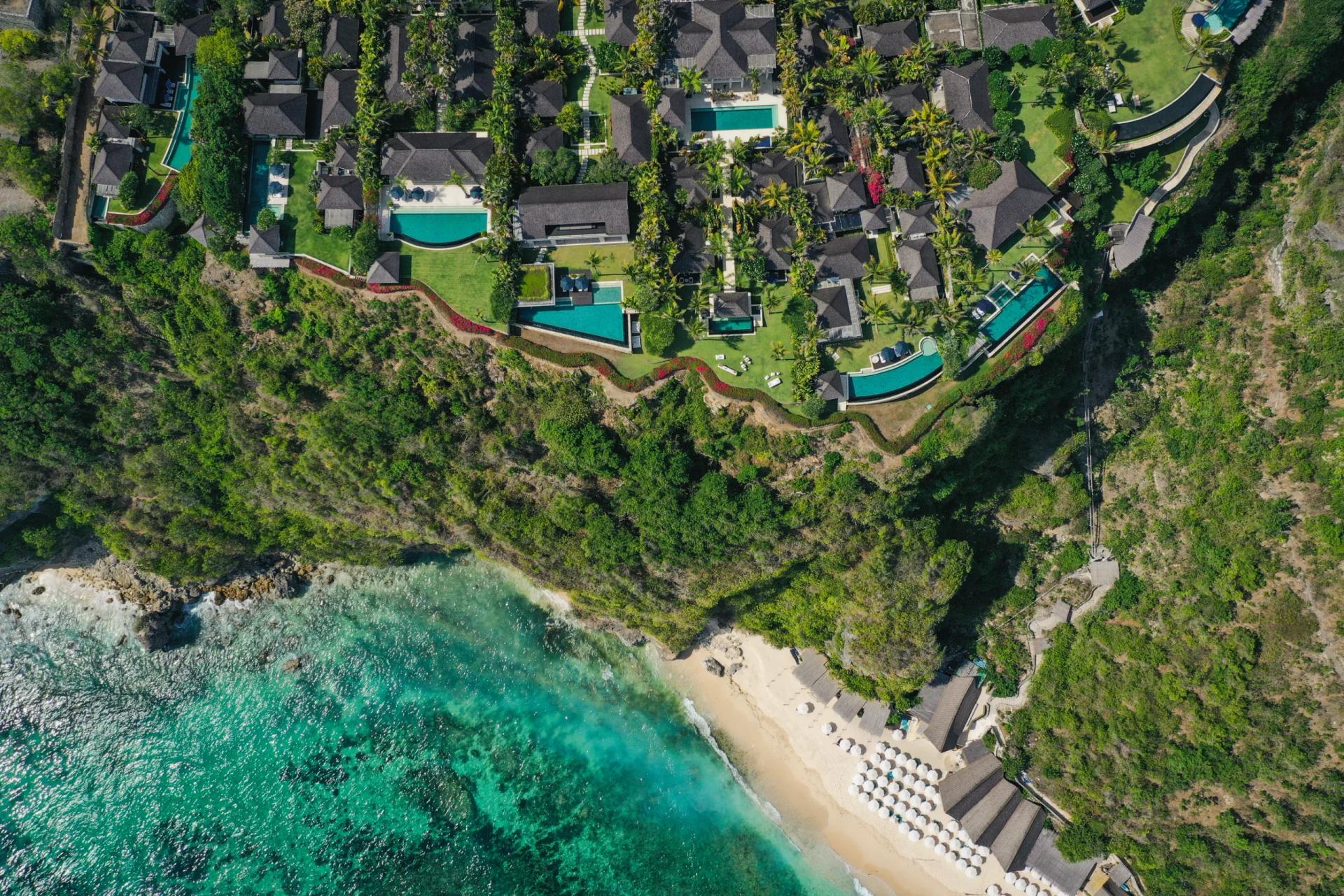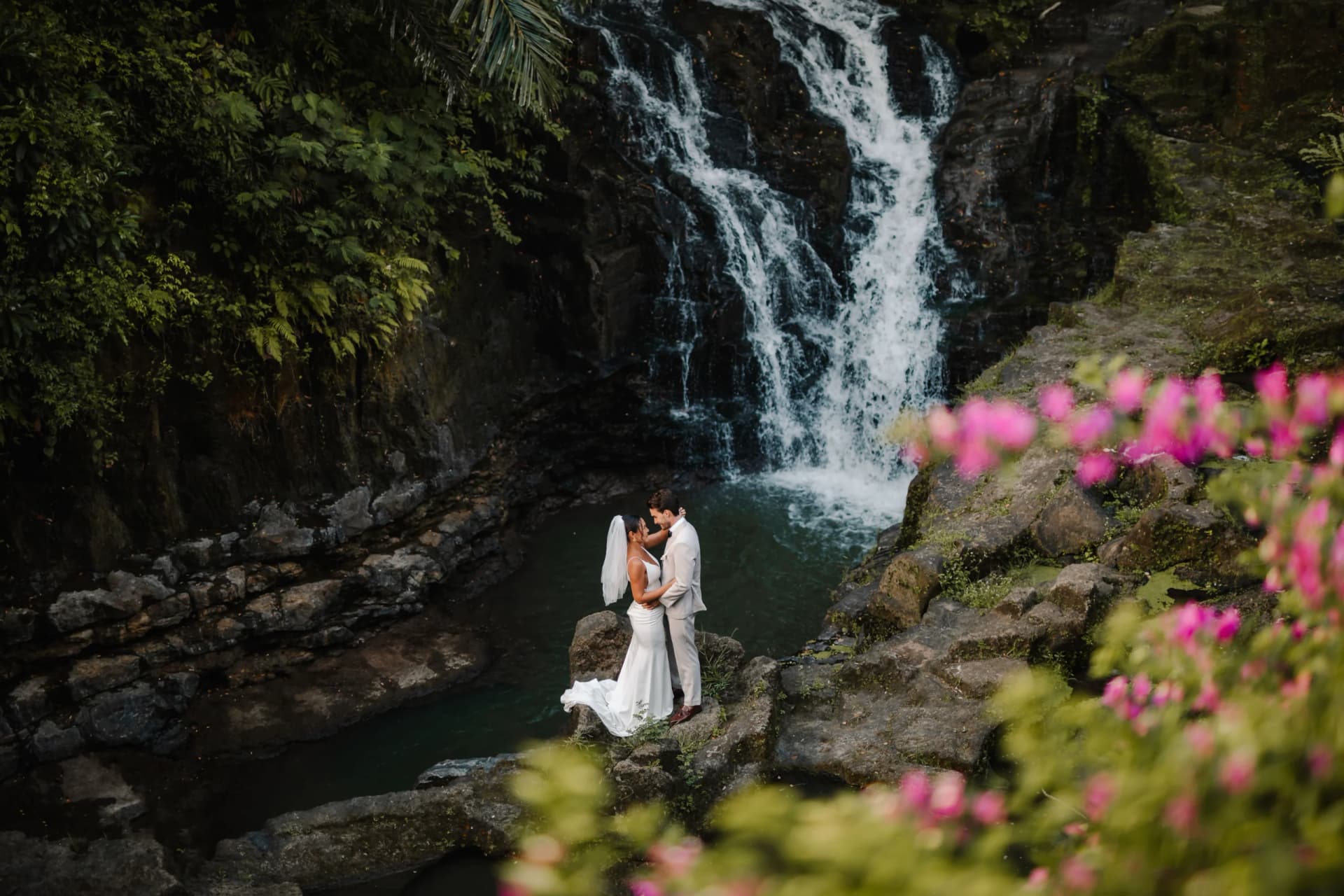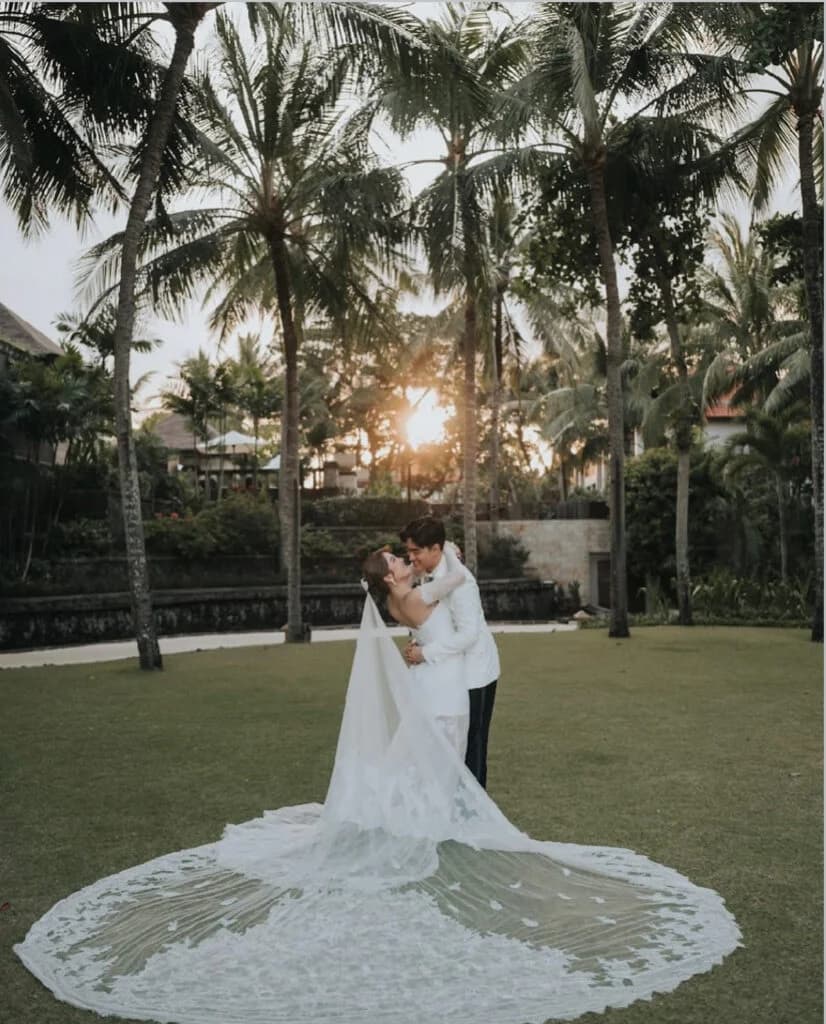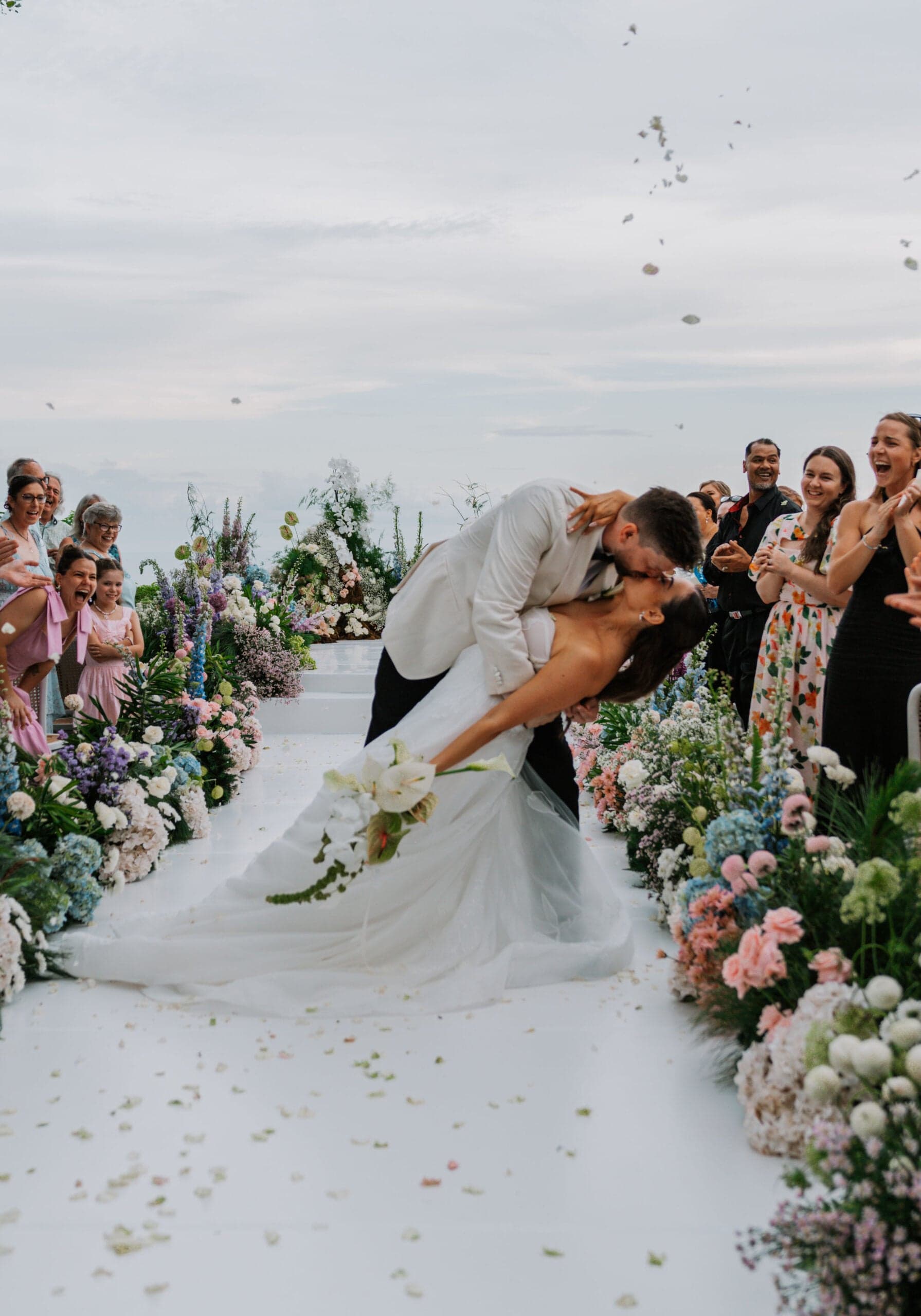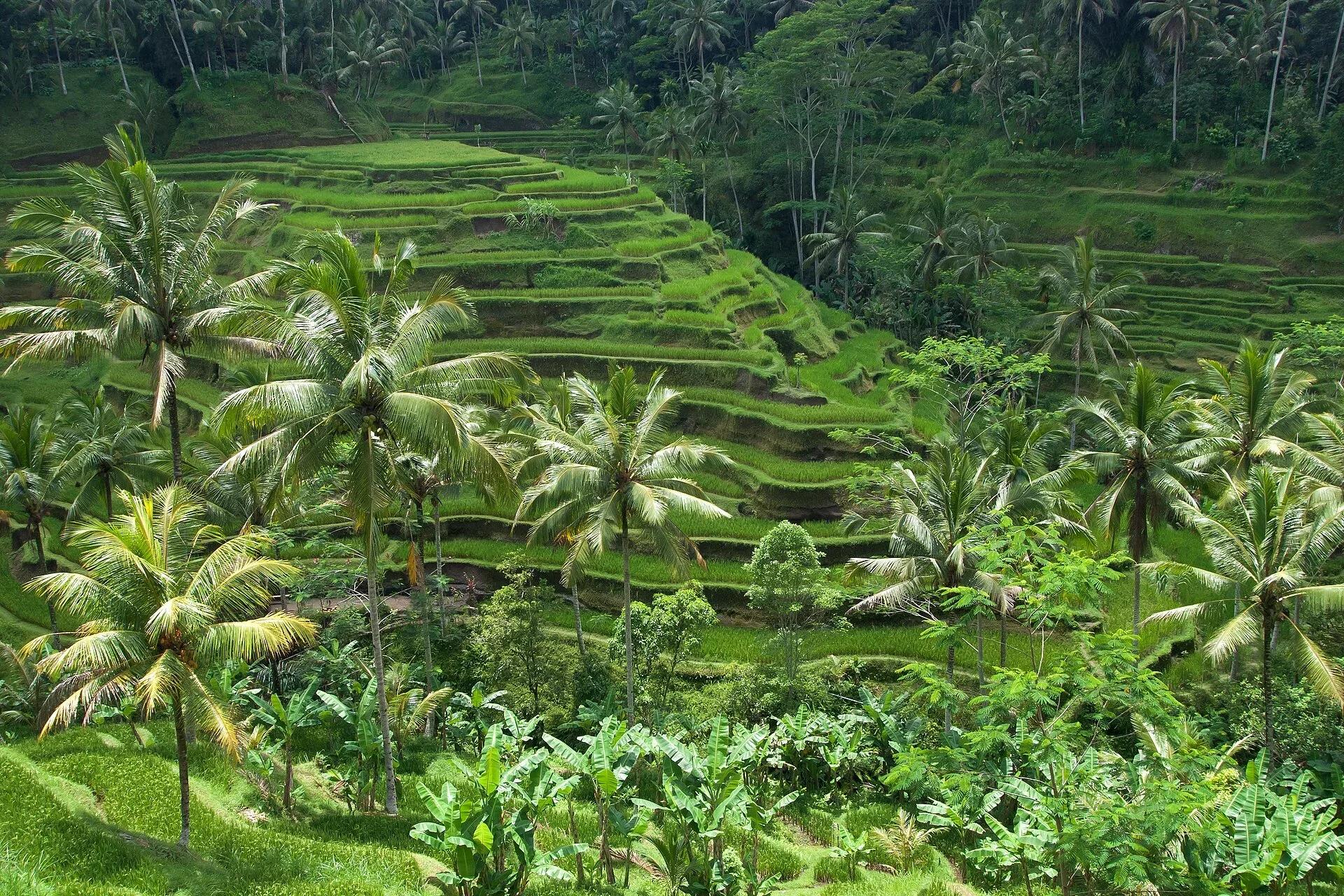
An Ubud wedding unfolds inland, in the cultural heart of Bali. Jungle canopies, river valleys and rice terraces set the scene. At Wedded Wonderland, we coordinate Ubud celebrations for couples who want a quieter, greener alternative to the coast. This guide sets out what shapes the day before you choose a venue.
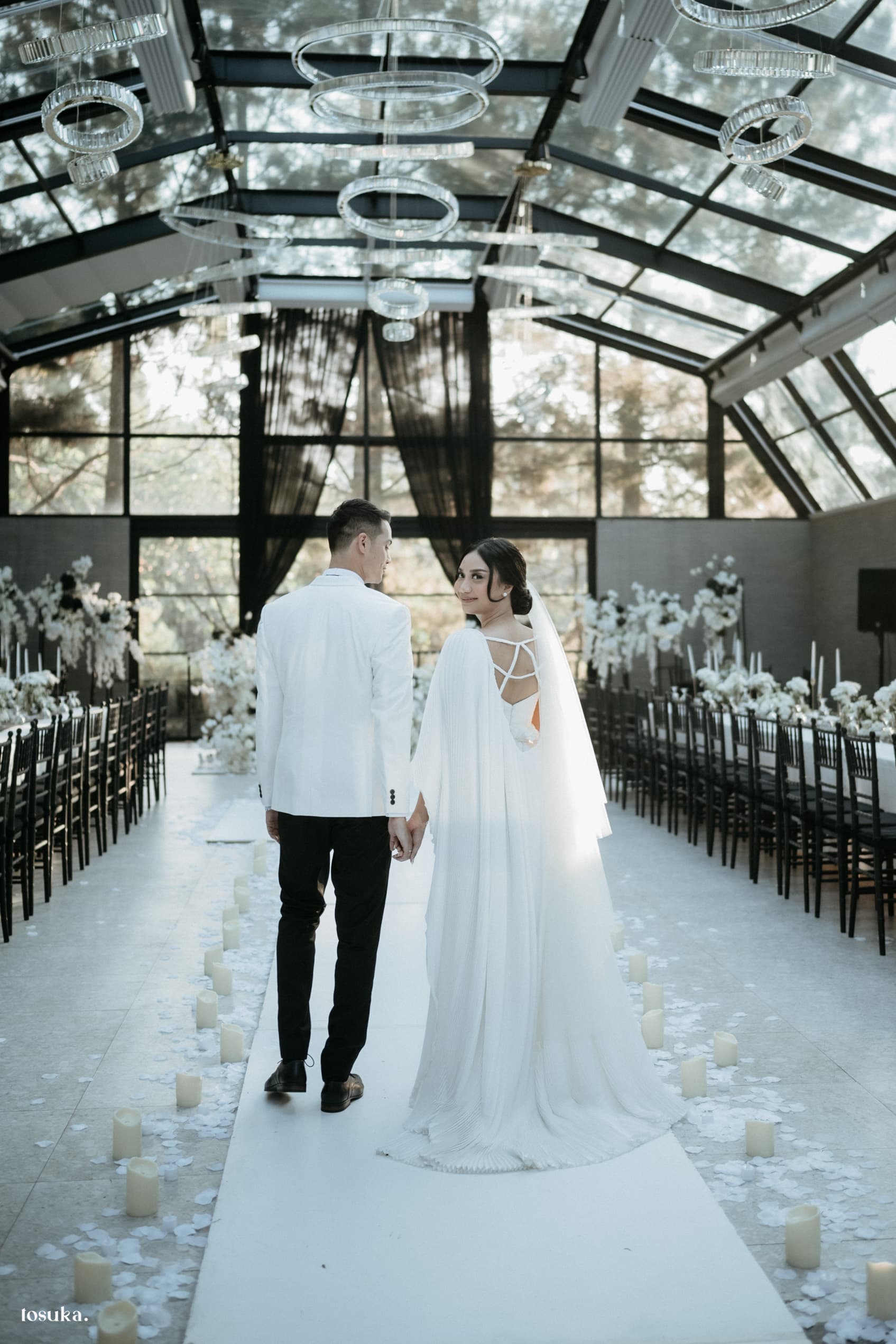
An Ubud wedding centres on landscape and culture, with the ceremony set among trees, water or rice fields and a pace that is slower than the coast. The setting does much of the styling, so florals, lighting and layout tend to be shaped around what is already there.
The area is also close to Balinese craft, temples and ritual life, which gives couples the option of weaving a blessing or a cultural moment into the day. That depth is what draws many couples inland, and it shapes how we plan everything from arrival to the final dinner.
Ubud is a destination with its own character, and a few facts help when choosing the setting and the season.
Location: Ubud sits inland in the hills of central Bali, and the drive from the airport is commonly an hour or more depending on traffic.
Landscape: The Ayung and Petanu river valleys, jungle canopy and rice terraces define the setting, and the Tegallalang terraces lie a short drive north.
Culture: Ubud is the island's cultural heart, known for temples, crafts, painting and traditional dance, which makes it a natural home for a blessing or a ritual moment.
Climate: The air is cooler and more humid than on the coast, with afternoon showers and mist in the valleys, so we plan the ceremony time and a covered option together.
Pace: The town is busy by day, and many venues sit on quiet lanes outside it, so we plan transfers and guest stays as part of the weekend.
Ubud venues fall into four broad styles, and choosing the style first narrows the search more quickly than comparing individual properties.
River valley and jungle resorts: Deep valleys along the Ayung and Petanu rivers bring cool air and the sound of water, with ceremony terraces set above the canopy.
Modern boutique hotels: Minimalist architecture meets jungle, and full-property buyouts give a close group the run of the grounds.
Private villas and estates: Villas offer privacy and on-site stays, and many need catering, lighting and sound brought in, which a coordinator manages.
Rice terrace settings: Open-air views across paddies carry the traditional Balinese landscape into the ceremony, with light that changes through the afternoon.
Our companion guide to Ubud wedding venues compares individual properties within these styles, and the Bali wedding venues roundup places Ubud beside the coast.
The dry season from April to September is the most comfortable for outdoor ceremonies, with clearer skies and lower humidity. Peak months from June to August lift venue demand, and premium properties can book out 12 to 18 months ahead, according to planner Nicky Almeida in our Bali wedding cost guide. We approach venues early for peak dates and agree the wet-weather plan alongside.
The shoulder months from November to March can lower venue pricing by 10 to 20 percent according to the same guide, in return for a higher chance of rain. Fees change, and we confirm current figures with each venue before you decide. We build a wet-weather plan you would be pleased to use, which is what makes the shoulder season work.
Ubud town carries heavy traffic, and access roads to valley and terrace venues can be narrow and winding, so we test transfer times at the hour of your ceremony. Guests typically rely on drivers, and we arrange dedicated shuttles and clear pick-up points.
River valley venues often involve steps and slopes, so we ask each venue about buggies and lift access for older guests. Higher canopy settings may mist in the late afternoon, which affects both the ceremony time and the photographs.
We build guest movements around wedding guest transfers and group travel for wedding guests, so that arrival days and ceremony day run smoothly for every guest.
Many couples add a Balinese element to the day, such as a blessing, a purification ritual or traditional music and dance, and Ubud is a natural home for these. We work with a local ceremony specialist who explains the meaning of each moment and agrees what is appropriate for guests to join.
Our guide to getting married in Bali covers the practical side of weaving local ritual into a celebration. Respect for the tradition comes first, and the timing and attire are agreed with the specialists who lead it.
Indonesian law ties a valid marriage to the religion and beliefs of the couple, and every marriage must be registered, and non-Indonesian citizens also need a Certificate of No Impediment from their embassy, according to the US Embassy in Indonesia, as explained in our guide to the Bali marriage and religion requirement. Many international couples complete the legal marriage at home and hold a symbolic ceremony in Ubud. Requirements may change, and we confirm them with the relevant authority before booking.
A clear order of decisions keeps an Ubud wedding calm. The sequence below is the one we use for destination celebrations.
12 to 18 months out: We settle the venue style, the season and the legal route with you.
12 months out: We confirm the venue and the key suppliers, starting with the celebrant, photographer and planner.
9 months out: We release accommodation and guest travel details, and you send save-the-dates.
3 to 6 months out: We finalise menus, styling and paperwork with you, and confirm transfers.
Ubud rewards a considered plan, and ours begins with the guest journey as much as the ceremony. We coordinate the venue, the celebrant, the paperwork and the suppliers as one plan, so the day feels as unhurried as the landscape around it.
Our destination wedding packages show how that coordination works, and our guide to planning your destination wedding sets out the order of decisions. For a sense of the finished result, see how one Australian couple celebrated in Bali. Whatever shape your Ubud celebration takes, we are here to arrange it with you.
Note: Figures, fees and currency amounts provided in this guide are intended as a general indication and should be treated as estimates rather than confirmed quotations. Prices, exchange rates and requirements may vary over time.
Written by

Editor & Content Writer
Jillian Arambulo is the Editorial and Content Writer at Wedded Wonderland, specialising in branded content strategy. Her writing spans luxury lifestyle, travel, culture, beauty and emerging trends, bringing together comprehensive guides and features that connect readers with the places, ideas and experiences worth discovering.