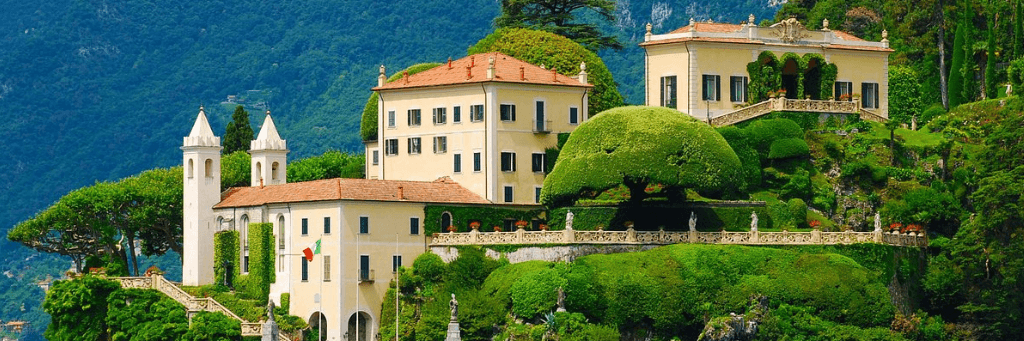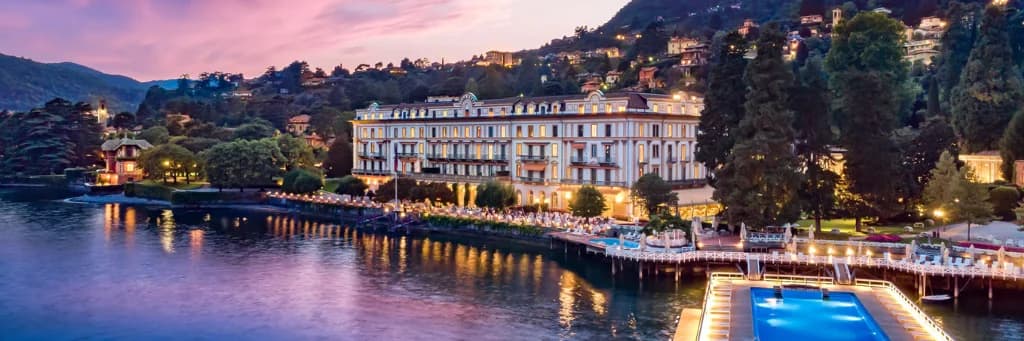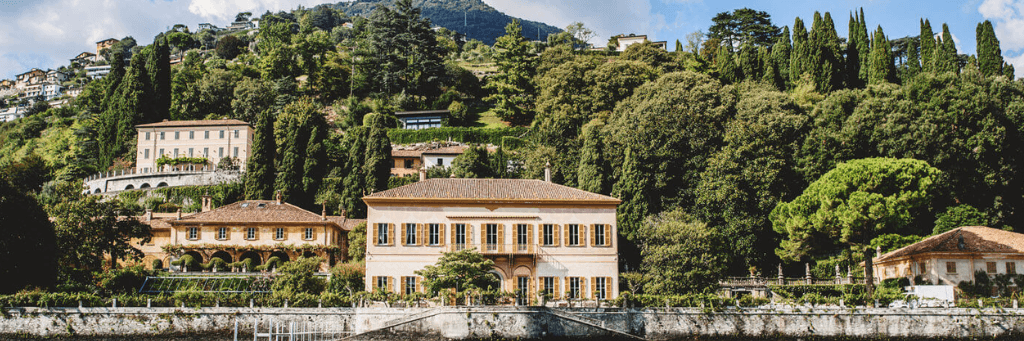
Italy is one of the most requested destination wedding locations in the world, and for good reason. Cypress-lined hills, lemon-scented coastlines, mirror-still lakes and centuries-old palazzi all sit within a few hours of each other. The catch is that each of those settings has its own weather, its own peak season and its own quirks. The best time to get married in Italy depends on which Italy you are dreaming of.
This guide walks through all twelve months, then layers on regional differences, budget seasons and booking timelines. By the end, you should be able to narrow your date down with confidence rather than guesswork.
For most couples and most regions, late May to June and September to early October offer the best balance of warm weather, long days, manageable crowds and venue availability. July and August deliver the most reliable sunshine but bring intense heat inland, peak pricing and Italy's own summer holiday closures. The cooler months from November to March are the quietest and most affordable, but many coastal and lakeside venues close for the season.
Month | Weather | Crowds and Cost | Best For |
|---|---|---|---|
January | Cold, some rain | Very low | Intimate indoor city weddings |
February | Cold, Carnevale in Venice | Low (except Venice) | Romantic winter celebrations |
March | Cool, unpredictable rain | Low | Budget weddings, southern regions |
April | Mild days, cool evenings | Rising, Easter spike | Sicily, Puglia, early spring gardens |
May | Warm, wildflowers | Moderate to high | Almost every region |
June | Warm to hot, long days | High | Countryside, lakes, coast |
July | Hot, dry | High | Lakes and coast only |
August | Very hot, Ferragosto | Peak | Italian Lakes |
September | Warm, golden light | High | Almost every region |
October | Mild, cooling late | Moderate | Tuscany harvest, Sicily, Puglia |
November | Cool, wet | Low | City weddings, off-season value |
December | Cold, festive | Low (except Christmas week) | Cozy indoor celebrations |
Weather is the obvious factor, but it is only one of five. Daylight hours matter just as much, because a June ceremony can run until nearly 9pm while an October one loses the light by around 6:30pm, and closer to 5pm once the clocks go back in late October. That difference shapes your timeline, your photography and whether an outdoor reception is realistic.
The second factor is pricing. Venues, planners and accommodation in Italy work on peak, shoulder and off-season rates, and the gap between them can be significant. The third is crowds and guest logistics, since your guests need flights, hotels and transfers at the same time as every summer tourist.
The fourth is regional climate. Sicily in April feels like Tuscany in late May, and Lake Como in August is comfortable while Rome swelters. The fifth is the Italian calendar itself, including Easter, Ferragosto on 15 August, Christmas week and Venice Carnevale, all of which affect vendor availability and prices.
Each month below follows the same format: what the weather and calendar are doing, the trade-offs to weigh, and a one-line verdict on who it suits. Read straight through or jump to the months you are already considering.
January is cold across most of Italy, with daytime highs around 10°C in central regions and lower in the north. It is also one of the quietest and most affordable months of the year. Castles, palazzi and historic villas with fireplaces come into their own, and vendors are far more flexible on dates. The Feast of the Epiphany on 6 January brings a festive mood to the first week.
Verdict: ideal for small, intimate indoor weddings with a strong focus on food and atmosphere.
February is similar to January in temperature but carries a little more romance thanks to Valentine's Day. The big event is Carnevale, which fills Venice with masks, music and crowds for the two weeks leading up to Shrove Tuesday. A Venetian wedding during Carnevale is unforgettable, but expect accommodation prices to spike. Elsewhere in Italy, February remains quiet and good value.
Verdict: a strong choice for couples who want winter drama without summer prices.
March is early spring, and it shows in the weather. Rain is unpredictable, temperatures hover in the low to mid teens, and the south begins to warm before the north does. Almond blossom is already out in Sicily, and cherry blossom follows in Puglia toward the end of the month. Many coastal and lakeside venues are still closed for the season.
Verdict: suitable for budget-conscious couples with a southern or city venue and a solid wet-weather plan.
April brings mild days, cool evenings and an Italy that is visibly waking up. Gardens bloom, venues reopen and the Amalfi Coast and lakes begin their seasons. Easter is the complication, since it moves between late March and late April and causes short, sharp spikes in prices and closures. Sicily and Puglia are already warm enough for outdoor ceremonies, while Tuscany and the north still need a covered reception option.
Verdict: excellent for southern Italy, promising but weather-dependent elsewhere.
May is the first true sweet spot of the Italian wedding calendar. Daytime temperatures sit around 22°C, wildflowers cover the Tuscan and Umbrian hills, and the Amalfi Coast smells of lemon blossom. Crowds are building but have not reached summer levels, and evenings are warm enough for outdoor aperitivi. Rain is still possible, so keep a tented or indoor fallback.
Verdict: one of the two best months for almost every region in Italy.
June is lush, bright and warm, with highs in the high 20s in central Italy and the longest days of the year. Sunset ceremonies can start late and still catch golden light. It is also one of the two most in-demand months, so venue minimums, accommodation and flights all cost more. June has slightly more rainy days than July or August, though showers tend to pass quickly.
Verdict: the ideal month for a classic countryside, lake or coastal wedding if you book early.
July is hot everywhere, and inland regions like Tuscany, Umbria and Rome regularly reach 32°C to 35°C. Sunshine is nearly guaranteed, and the heat is the price you pay for it. Lakeside and coastal venues benefit from breezes that make the heat manageable, while landlocked venues need late-afternoon ceremonies, shade and plenty of water. Crowds in Florence, Rome and the Amalfi Coast are at their peak.
Verdict: works well on Lake Como, Lake Garda and the Italian Riviera, but difficult inland.
August is the month most Italian planners quietly steer couples away from, and the reason is Ferragosto. Around 15 August, much of Italy goes on holiday, which means some restaurants, shops and smaller vendors close for one to three weeks. Beaches and coastal roads are packed, accommodation is at its most expensive, and inland temperatures remain extreme. Lake Como is the exception, as the lake and the Alpine breezes keep it comfortable.
Verdict: only consider August for the lakes, and plan logistics with extra care.
September is the other sweet spot, and for many planners it is the single best month. The heat eases to a comfortable 25°C to 27°C, the sea stays warm, and the light turns honey-coloured for photography. The grape harvest, known as the vendemmia, adds atmosphere to Tuscan, Umbrian and Piedmont weddings. Demand is extremely high, so the best venues book out 12 to 18 months ahead.
Verdict: the top choice for almost any region, provided you secure your date early.
Early October is a gentle extension of September, with mild days and the first white truffles of the season appearing on menus. By late October, temperatures drop to around 18°C, rain becomes more frequent, particularly in the north, and the olive harvest gets underway. Sicily and Puglia stay warm well into the month, making them the safest bets for outdoor celebrations. Crowds thin out noticeably after the first week.
Verdict: wonderful for harvest-themed weddings in the first half, best kept south or indoors in the second.
November is firmly off-season, and the discounts reflect that. Weather is cool and wet, with grey skies common in the north and milder conditions in the south. Most coastal and lakeside venues close for the winter, which pushes couples toward cities like Rome, Florence and Venice, though Venice can see acqua alta flooding in late autumn. The reward is a moody, cinematic backdrop and vendors who have real availability.
Verdict: the best month for value if you want a city wedding and do not mind an umbrella.
December brings Christmas markets, twinkling piazzas and a genuinely festive atmosphere across the country. Temperatures are cold, so plan an indoor celebration with a strong focus on food, wine and warmth. Avoid 24 to 26 December and New Year's Eve, when vendor availability is poor and prices jump. Outside those dates, early December is quiet and surprisingly affordable.
Verdict: ideal for couples who love the holidays and want a cozy, candlelit wedding.
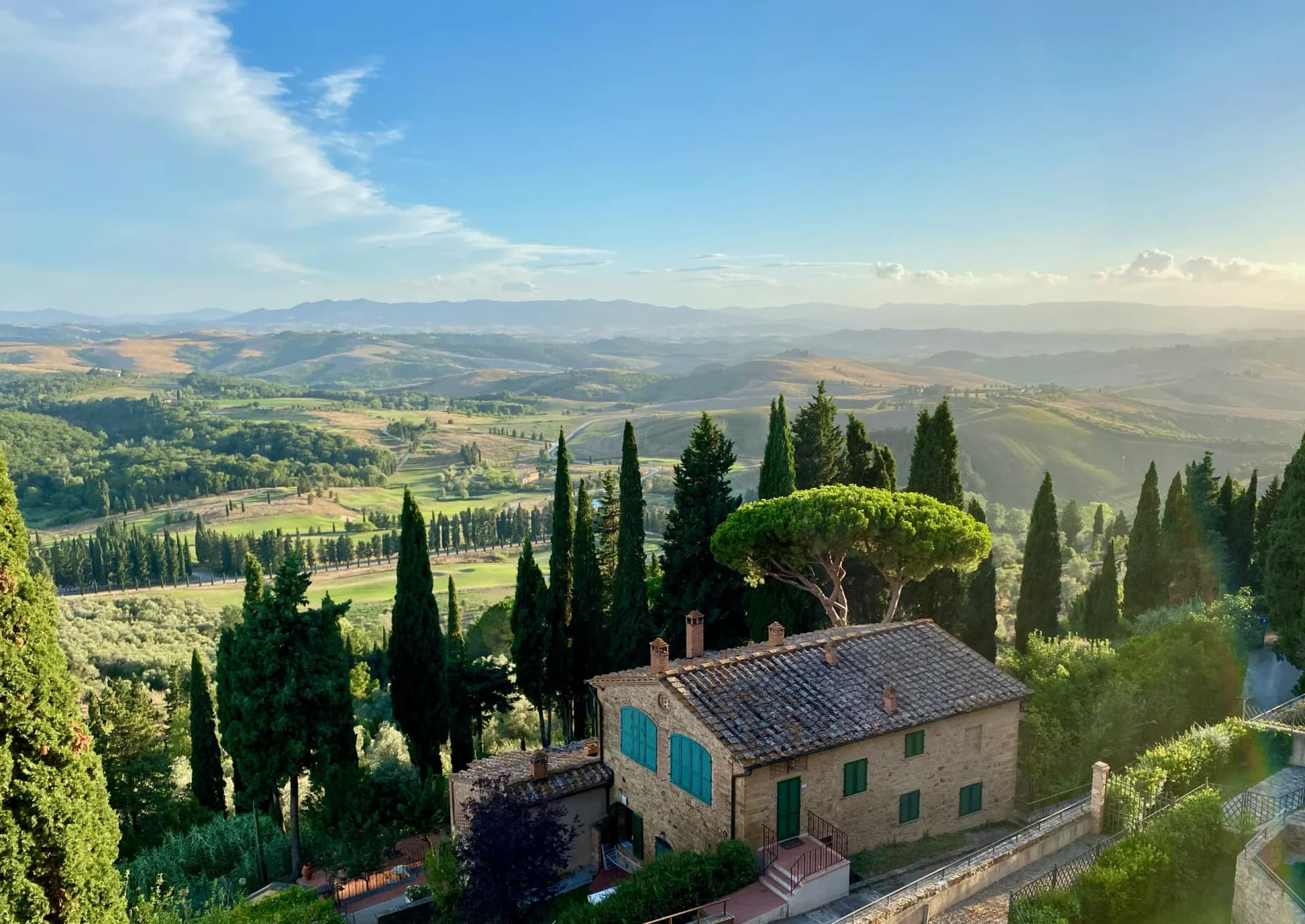
Tuscany and Umbria are at their best in May, June, September and early October. July and August are hot in the landlocked valleys, and November to March is cold with limited outdoor options.

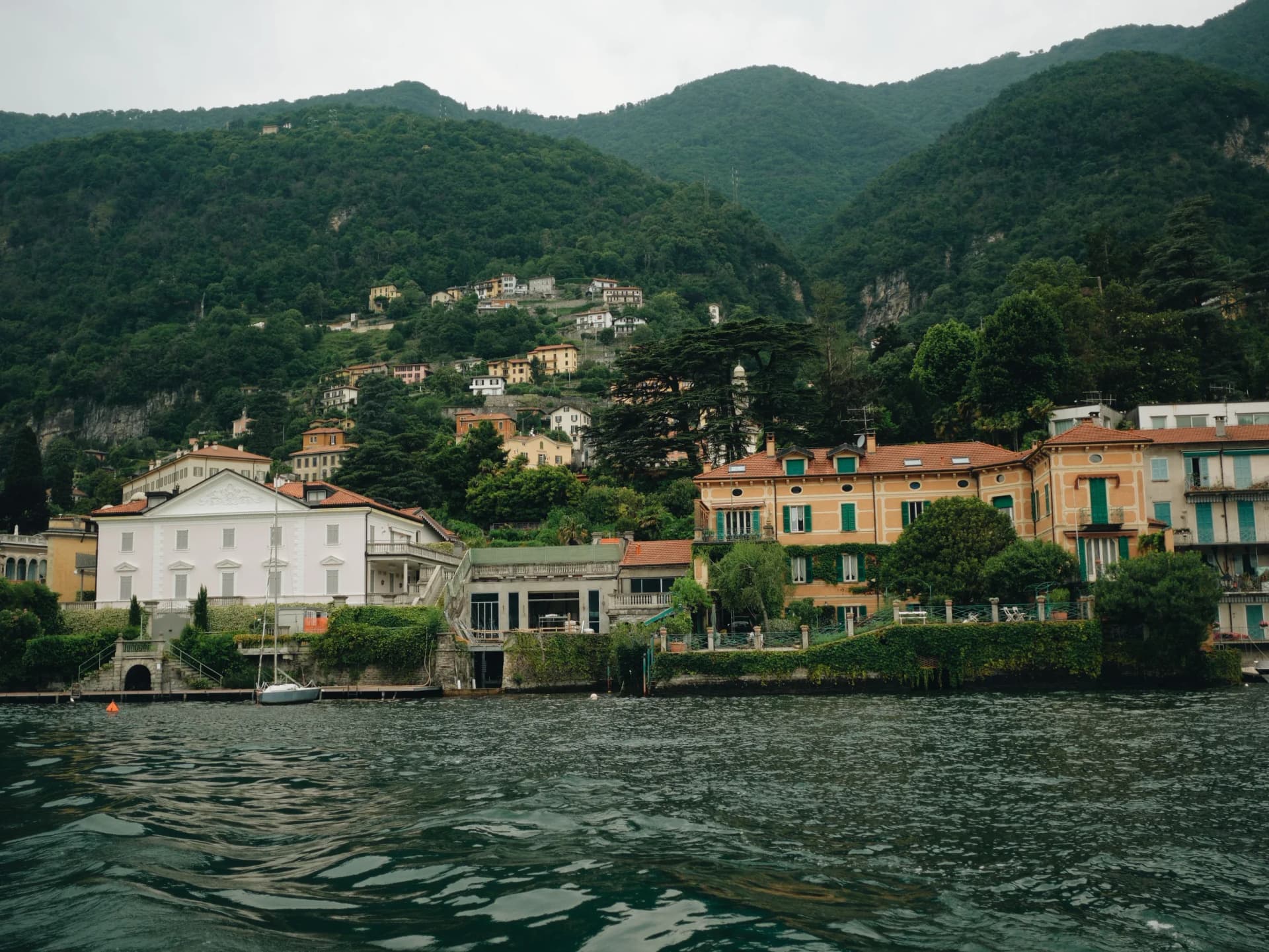
Lake Como and the Italian Lakes have a shorter season, running from June to September. The lake breeze keeps July and August comfortable, which is rare in Italy. Many villas close from November to March, and early spring can be rainy.

The Amalfi Coast and Capri shine in May, June and September. August is extremely crowded and transport for guests becomes a real challenge. Most coastal towns effectively shut from November to March.

Puglia offers a long season from May to early October, with a pleasantly mild November for couples willing to gamble. June has long daylight hours and September coincides with local food festivals. Its masseria venues, the region's traditional fortified farmhouses, suit both outdoor and indoor celebrations.

Sicily has the longest season of all, from April to October. Spring brings wildflowers around ancient sites and October still feels like late summer. July and August can exceed 38°C, so plan ceremonies for late afternoon.

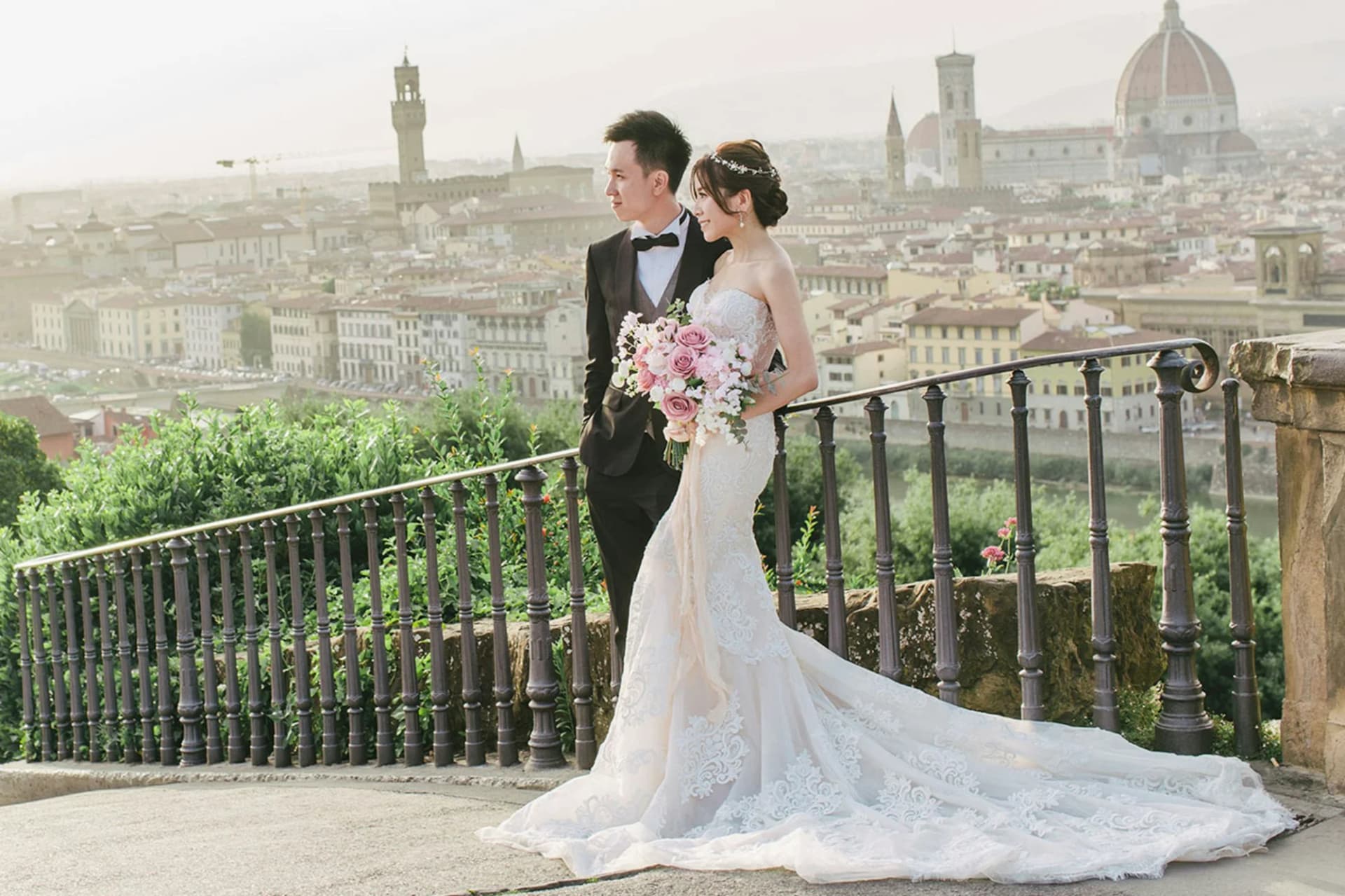
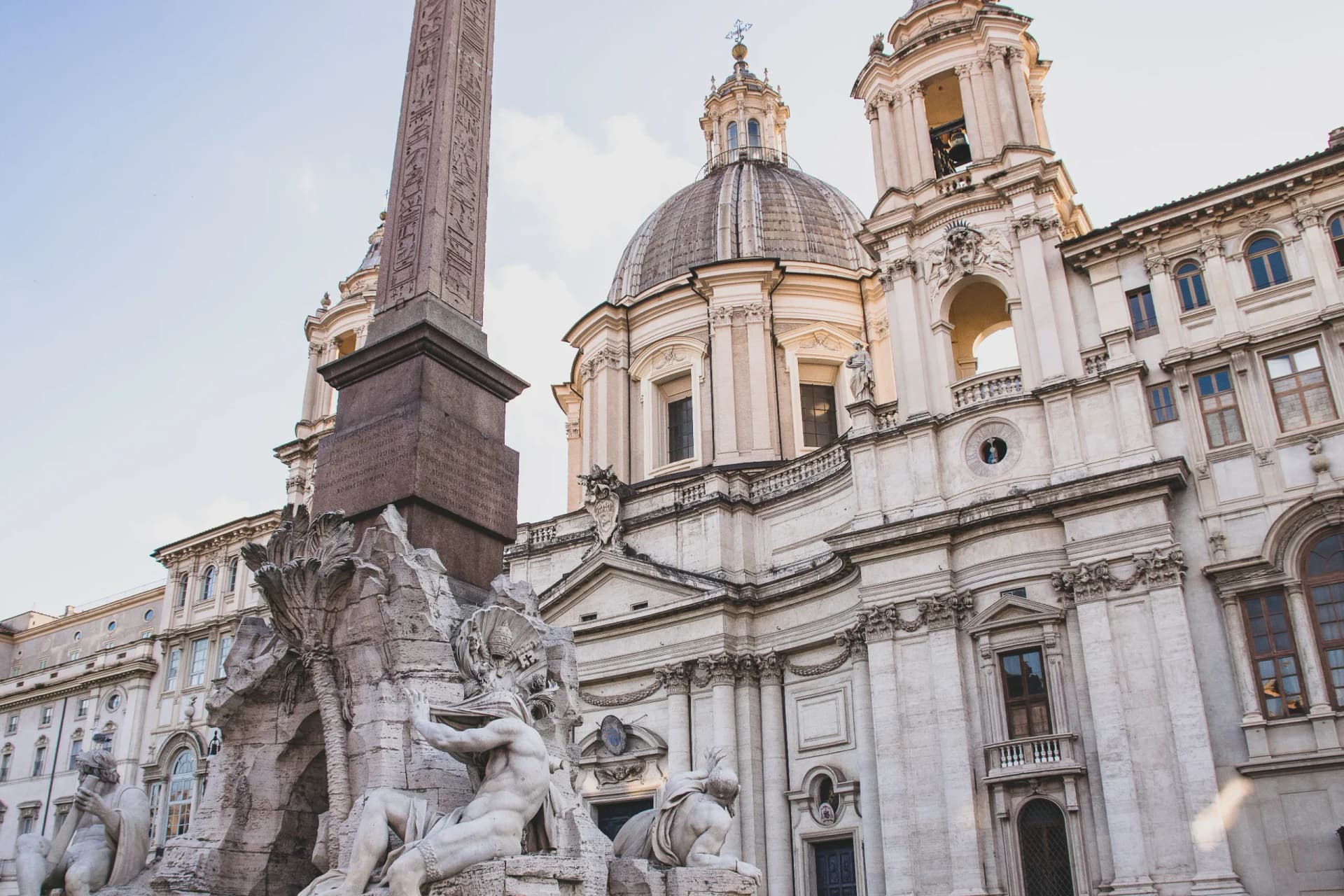
Rome, Florence and Venice work year-round because their venues are largely indoors. Spring and autumn are most comfortable for guests exploring the city, while winter offers the best value and the fewest tourists.

Peak season in Italy covers June through September, and in popular regions it stretches into late May. Venue minimum spends, planner fees and hotel rates are at their highest, and guests pay more for flights. The trade-off is near-certain good weather and the full range of outdoor venues.
Shoulder season covers April, May and October. Prices soften, availability improves and the weather is usually pleasant with some risk of rain. Many planners consider this the best value for couples who want outdoor options without peak pricing.
Off-season runs from November to March. Venues that stay open often offer meaningful discounts, and vendors are more flexible on dates and packages. You lose most coastal and lake venues, but gain intimacy, lower guest travel costs and a very different kind of romance.
For a June or September wedding at a sought-after venue, start enquiries 12 to 18 months in advance. The most popular Tuscan villas and Lake Como estates can be booked out two years ahead for Saturday dates. May and October need around 10 to 12 months, while off-season dates can often be secured in six months or less.
Send save-the-dates at least eight to ten months before a destination wedding so guests can plan leave and book flights. Civil ceremonies in Italy require paperwork filed in advance, including a Nulla Osta (certificate of no impediment) or, for nationalities such as US citizens, a sworn declaration made at your consulate, so build this into your timeline early. Religious ceremonies have their own requirements and often need longer lead times.
There is no single best time to get married in Italy, but there are two reliable sweet spots. Late May to June and September to early October give most couples the weather, light and venue choice they are picturing. If budget or intimacy matter more than sunshine, the quieter months offer their own kind of magic at a noticeably lower cost. Match the month to your region, book well ahead for peak dates, and Italy will deliver.
Written by

SEO Specialist
Ayrton Christian Braga is an SEO Specialist at Wedded Wonderland, where he writes optimized articles and web pages that center on destination weddings, cultural wedding traditions, and guides for everything in between.