



Wedding Planning · Guide
A micro wedding is a full wedding at a fraction of the guest list: a real ceremony and a real celebration, usually for fewer than 50 people and most often 20 to 30. It is not a compromise; it is a redistribution. The same budget spread across fewer guests buys the venue, the food, the photography and the attention a big wedding rations. Here is exactly what counts as a micro wedding, what it costs, and how to plan one.
Key takeaways
The definition: under 50 guests, most commonly 20 to 30, with both a ceremony and a genuine reception. 30 people is squarely a micro wedding; 100 is not.
The cost logic: the total falls but the spend per guest usually rises, deliberately. Fewer people, better everything is the entire point of the format.
Micro vs elopement vs minimony: a micro wedding is a small full wedding, an elopement is the 2 of you plus witnesses, a minimony is a small now-ceremony ahead of a big later-celebration.
The planning advantage: under 50 guests, extraordinary spaces unlock: private dining rooms, villas, galleries, chapels. Rooms that cannot host 150 will host 30 beautifully.
A micro wedding is a complete wedding held for a deliberately small guest list: fewer than 50 people, and in practice most often 20 to 30. Everything a wedding has, a micro wedding has: a ceremony, vows, a celebratory meal, photography, flowers, music, cake. What changes is the scale of the audience, and with it, the entire economics and feel of the day.
The guest count is the honest test. Under 20 with only your innermost circle, you are edging into elopement territory. Between 20 and 50, you are in the micro wedding's home range: big enough for both families and real friends, small enough that every guest is someone you would happily have at your dining table. Past 50 you have an intimate wedding; past 80 you simply have a wedding.
What makes the format matter is who it suits: couples who want the marriage and the celebration without the production; couples marrying abroad with their closest people; couples who would rather fund a house deposit or a 3-week honeymoon than a 150-seat reception; and couples from big families using distance or format as the kindest possible guest-list editor.

The 3 small-wedding formats get used interchangeably and should not be, because vendors, venues and budgets treat them differently.
Micro wedding | Elopement | Minimony | |
|---|---|---|---|
Guest count | Under 50, usually 20 to 30 | The couple, plus an officiant and witnesses; sometimes up to 10 | Under 10, often immediate family only |
What happens | Full ceremony and a real reception: meal, speeches, dancing optional but common | Ceremony and the day built around the 2 of you: location, portraits, a dinner for 2 | A real ceremony now, with the full celebration deferred to a later date |
Vendors | The full set, scaled: venue, catering, photography, flowers, music | Officiant, photographer, sometimes a planner and florist | Officiant, photographer, simple styling |
When it suits | You want the wedding, just smaller and better per head | The marriage matters, the event does not | Visas, timing, health or logistics split the legal day from the party |
The elopement has had a luxury renaissance of its own, and it photographs like editorial: Brooke Schofield's Santa Barbara elopement shows how considered the 2-person format can be. If that is your instinct, follow it. But if you keep sneaking guests onto an elopement list, you want a micro wedding, and it is better to plan one on purpose than to arrive at one by accretion.
A micro wedding costs less than a full wedding in total and usually more per guest, and that inversion is the format working as designed. Understand where the money moves and every quote you receive will make sense.
What shrinks with the guest list: catering and beverage (the largest scaling line on any wedding budget), seating, linen and tableware hire, stationery, favours, transport, and the sheer size of venue you need. What does not shrink: the photographer's day, the celebrant, your attire, the marriage paperwork, music, and the core of the styling. Those fixed lines are why a 25-guest wedding is nothing like one-sixth the cost of a 150-guest one, and why the per-guest number climbs as the list falls.
The strategic move is spending the released money deliberately rather than letting it evaporate line by line. Micro couples routinely fund the venue that was impossible at 150, the tasting-menu dinner, the film as well as the photography, or the destination itself; a micro wedding abroad with your 25 favourite people often lands near the cost of a modest hometown wedding for 120, whether you budget it in AUD, USD or AED. Packages help here too: many venues and resorts sell micro wedding packages built exactly for this range, and everything in our guide to all-inclusive wedding packages applies at small scale, including the guest-minimum questions.

The format is wonderful, and it is not for everyone. Honestly weighed:
The pros. Every guest is genuinely yours, and you will actually speak to all of them. The per-guest budget buys a visibly better everything: room, menu, wine, photography coverage per moment.
Extraordinary small venues become available. Planning is lighter and faster, and can run on a shorter timeline. Multi-day formats (welcome dinner, wedding, recovery lunch) become affordable. And the day itself moves at a human pace: with fewer people to greet, you get time with each of them.
The cons. The guest-list conversations are harder, not easier: cutting from 150 to 30 means saying no to people who mattered enough to be invited to the bigger version, and the smaller the list, the more visible each omission. Some traditions need rethinking at 25 people (a bouquet toss to 4 single friends is a comedy sketch).
Per-guest costs can surprise couples expecting the total to scale down linearly. And if either of you secretly wants the big room and the packed dance floor, a micro wedding will feel like a beautiful dinner where a wedding should have been. That instinct deserves honesty early.

Micro weddings plan like full weddings with the volume turned down and the standards turned up. Seven steps, in order:
Write the list before anything else. The guest list IS the format. Draft it, sit with it a week, and confirm you are at peace with who is not on it. Every other decision depends on this number holding.
Set the budget by redistribution. Decide the total, then choose the 2 or 3 lines the released money upgrades: venue, table, photography, destination. Write them down; they are your priorities when trade-offs arrive.
Choose the format and place. Long-table dinner in a villa, restaurant takeover, garden ceremony at home, chapel and private dining room, or a destination micro wedding. The venue ideas below are the shortlist starters.
Book the fixed-cost vendors early. Photographer, celebrant and music do not scale with guest count and the good ones book out the same way they do for big weddings.
Design the day around proximity. One table beats 3. A single space beats a venue tour. Menus read aloud, speeches from seats, rituals your families will recognise up close: closeness is the luxury, so stage for it.
Compress the timeline deliberately. Micro days breathe at 5 to 6 hours; stretch them to a big wedding's 10 and the intimacy thins. The sample timeline below shows the shape.
Run the same checklist as everyone else. Legalities, documents and booking order do not shrink with the guest list; the complete wedding planning checklist keeps a small wedding as watertight as a large one.
Want the shortlist built for you? The best micro wedding venues are rarely the ones with the biggest ads: private dining rooms, villas and estates that never host 150 but do 30 superbly. Wedded Wonderland curates exactly these rooms and the vendors who shine at small scale. Get matched with Wedded Concierge and describe the day you want; the shortlist comes back matched to your guest count, destination and budget.
The under-50 guest count is a skeleton key. Spaces that cannot physically host a conventional wedding will host a micro wedding gorgeously, and they are usually the most character-rich rooms in any city.
The private dining room or restaurant takeover. The chef's table becomes the reception; the wine pairing becomes the bar. For food-first couples this is the single highest-value format there is.
The villa or estate weekend. Book the house, not the venue: ceremony in the garden, dinner on the terrace, your 25 guests sleeping on site. This is the format that turns a wedding into a shared holiday, and it is the natural micro wedding abroad.
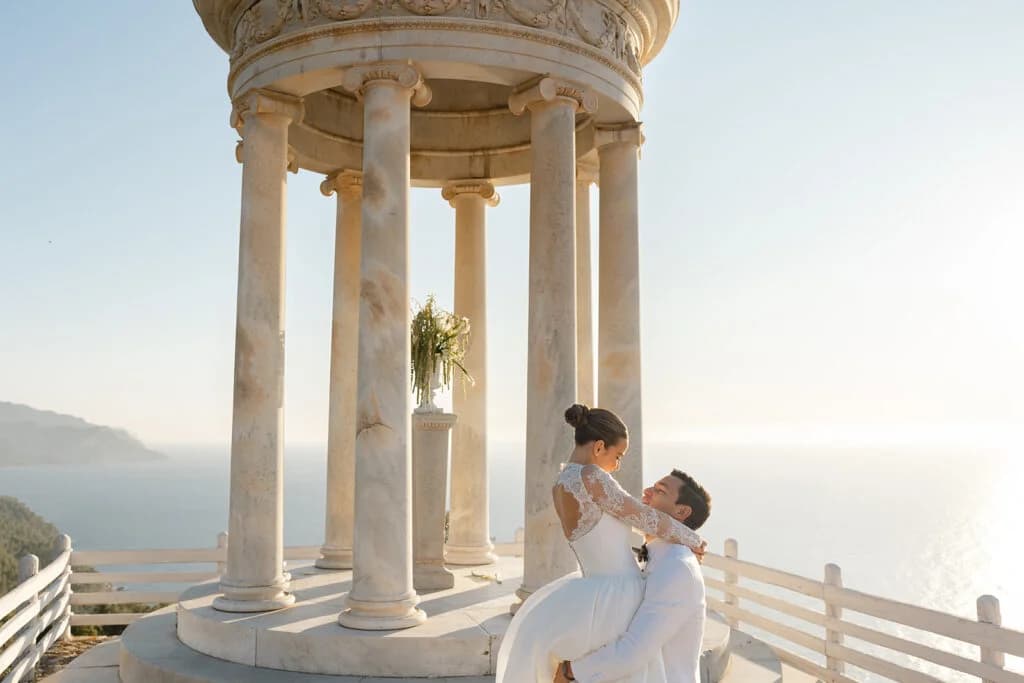
The chapel or cathedral ceremony, dinner to follow. Heritage ceremony spaces hold small groups beautifully; our guide to cathedral wedding venues pairs naturally with a private dining room a short walk away.
The at-home wedding, elevated. A marquee for 30 in a family garden with proper catering and styling carries more meaning per square metre than any ballroom, and the address on the invitation will make people cry.
The gallery, library or laneway bar. Cities are full of after-hours rooms for 40 that no 150-guest couple can ever use. Ask the spaces you already love whether they host private events; many have simply never been asked properly.
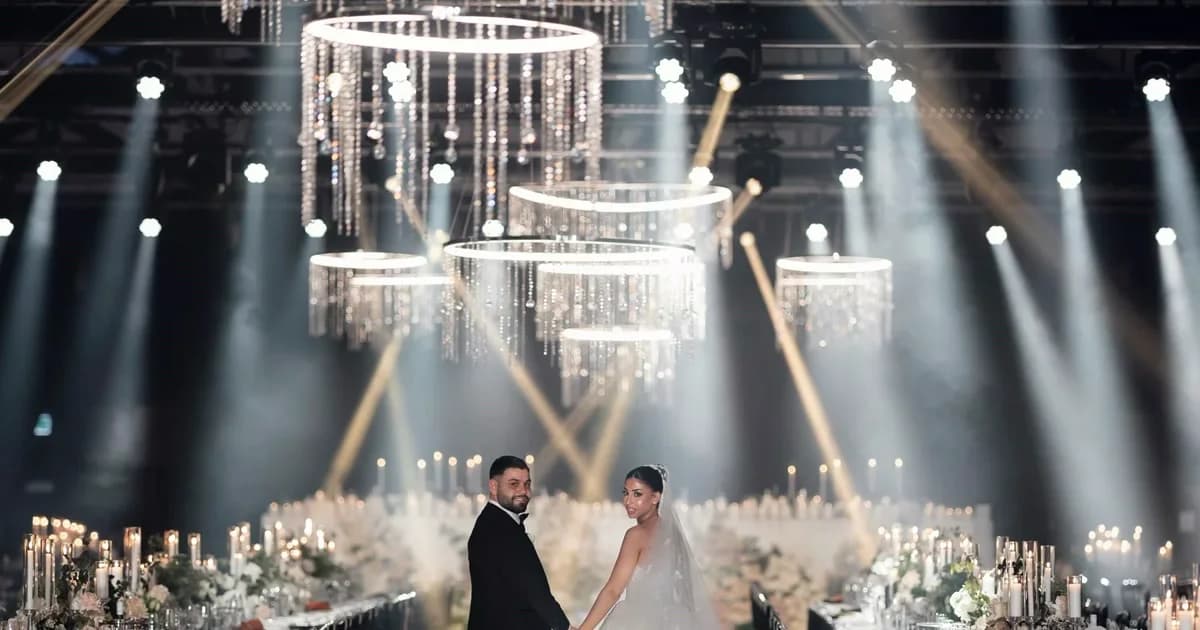
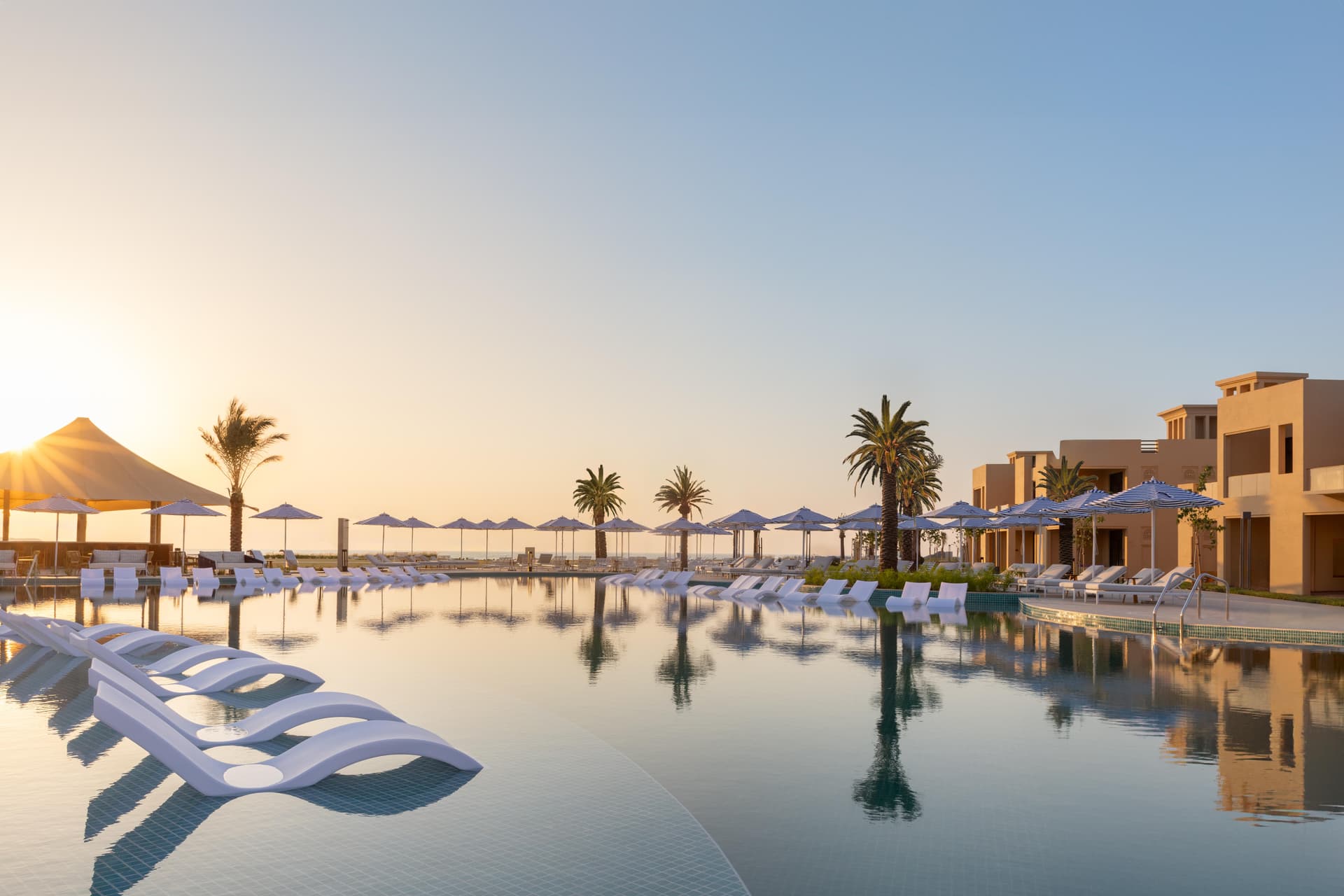
Whatever the room, light it like you mean it: the single long candlelit wedding reception table is the micro wedding's signature image for a reason. And for couples in the Gulf, the villa and private-dining formats run superbly through the October to April outdoor season, with the region's hotels fluent in small-format luxury year-round.


Browse intimate venues in the Wedded Wonderland venue directory, or tell Wedded Concierge your guest count and setting and we will shortlist the spaces that fit.
The 5-and-a-half-hour arc below is the most common micro wedding shape: late-afternoon ceremony, golden-hour portraits, one long dinner. Stretch or compress to taste; keep the proportions.
Time | Moment |
|---|---|
2:30 pm | Couple and families finish getting ready; photographer covers details and candids |
3:30 pm | Guests arrive to drinks; music live from the first arrival |
4:00 pm | Ceremony, 25 to 30 minutes, everyone close enough to hear every word |
4:30 pm | Congratulations in one embrace-sized group; canapes and cocktails begin |
5:00 pm | Couple slips out for golden-hour portraits while guests settle in |
6:00 pm | Everyone seated at the long table; dinner service begins |
7:30 pm | Speeches from seats, between courses; at this scale, anyone who wants the floor can have it |
8:30 pm | Cake, first dance if you want one, or simply dessert and the best conversation of the year |
9:30 pm | Send-off, or the venue's bar absorbs whoever refuses to end the night |

The micro wedding is what happens when a couple decides the point of the day is the people in the room, and then builds the room around that decision. Keep the list honest, spend the difference on purpose, and stage everything for closeness.

Search real weddings, venues and vendors from around the world.
Search Wedded Wonderland