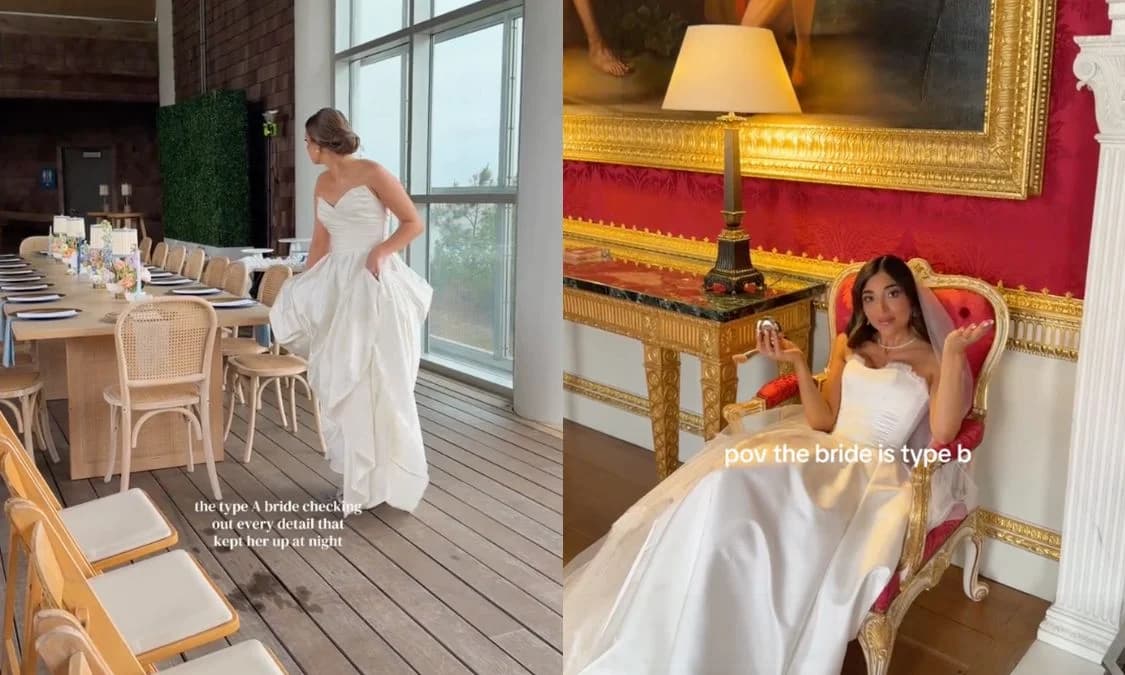
There are brides who have a wedding spreadsheet before they have a wedding date, and there are brides who are perfectly happy saying, “We’ll figure it out,” while everyone else is asking when the invitations are going out. Then there are the brides who somehow manage to be both, depending on the day and, more importantly, the wedding detail in question.
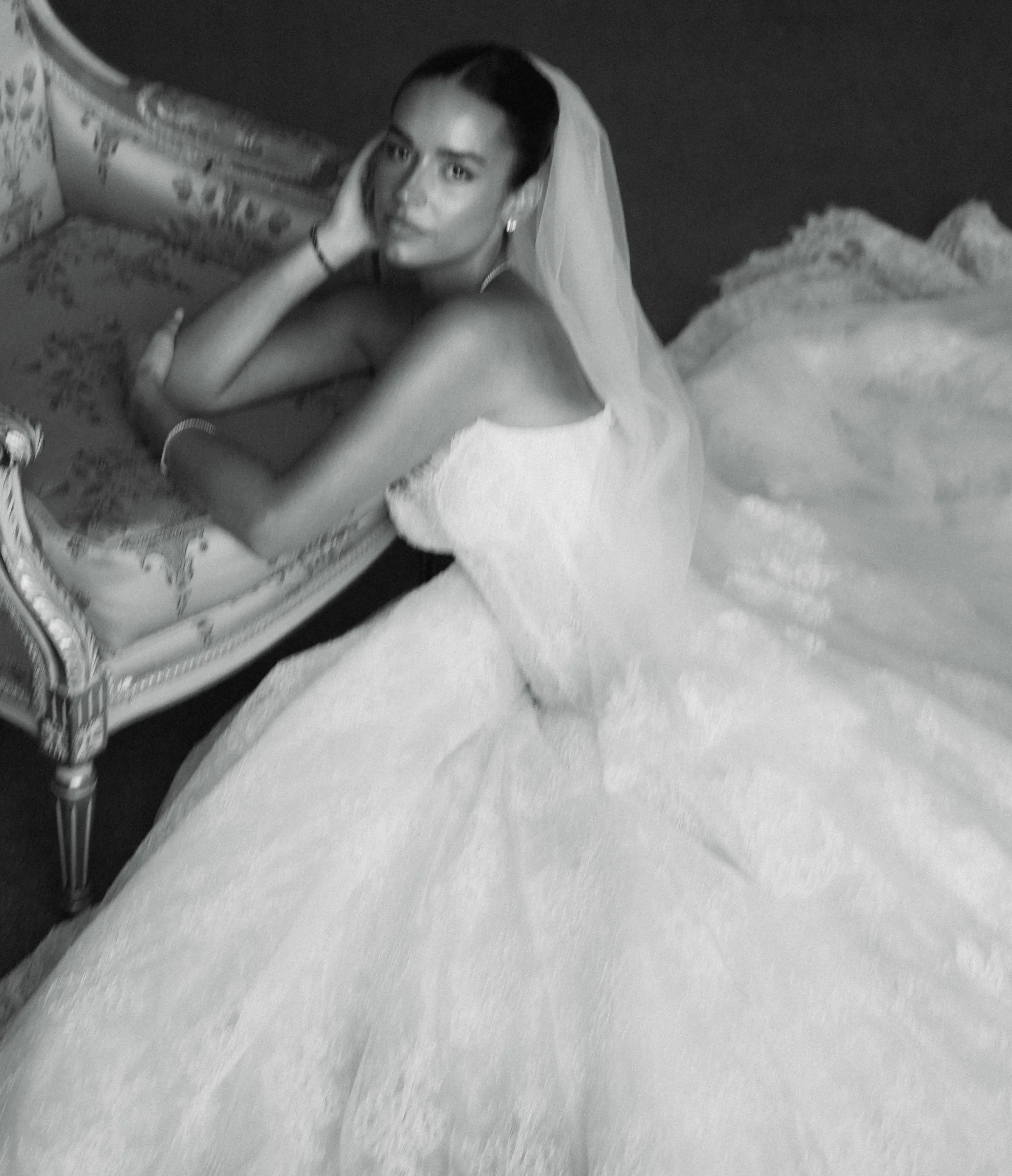
The Type A and Type B bride framework is a fun way to look at those differences. It is not a scientific personality test, nor should it be treated like one. Instead, think of it as a shorthand for two very different approaches to planning: one that thrives on structure and control, and another that values flexibility and enjoying the process.
Because when you are planning a wedding, knowing what kind of planner you are can actually be useful. It can help you figure out what stresses you out, what makes you feel in control and, perhaps most importantly, what kind of support you need.
So, which bride are you?
The Type A bride is probably already nodding.
She has the spreadsheet, the Pinterest boards, the vendor shortlist and possibly a separate email address dedicated entirely to the wedding. She knows when deposits are due, which vendors still need to respond and exactly how many people are sitting at table seven.
For her, planning is not simply something that needs to be done. It is part of the fun. She enjoys researching vendors, comparing options and turning what could be an overwhelming number of decisions into a system that makes sense.
She is also likely to be incredibly hands-on. She wants to understand how everything is coming together and may have very specific ideas about the flowers, stationery, timeline, seating plan and overall aesthetic. If she has saved 47 images of a particular style of tablescape, there is a very good chance she knows why each one made the folder.
The upside is obvious. Type A brides tend to be prepared, organized and good at keeping track of the endless little details that can otherwise fall through the cracks.
The downside is that being prepared can sometimes become being unable to let go.
A Type A bride may struggle with delegation because she knows exactly how she envisioned something and worries that handing it over means losing control of the result. She can also find unexpected changes particularly stressful, even when the change itself is relatively minor.
Her wedding planning philosophy is essentially: If I know what's happening, I can relax.
Then there is the Type B bride, who may have a Pinterest board but does not necessarily have a spreadsheet to accompany it.
She has an idea of what she wants, but she is comfortable allowing the details to develop as the planning progresses. If the flowers change slightly, the timeline moves by 20 minutes or the venue suggests a different table arrangement, she is unlikely to spiral.
That does not mean she does not care. This is where the Type B bride often gets misunderstood.
She can be just as stylish, discerning and intentional as a Type A bride. The difference is that she does not need every decision made immediately, and she is less emotionally attached to having everything unfold exactly as originally imagined.
She may also be more comfortable delegating. If she has hired a florist whose work she loves, she might give them the colour palette and let them interpret it rather than sending over a 14-page floral brief.
Her priority is often the experience itself. She wants to enjoy being engaged, go to the tastings, try on the dresses, celebrate with her friends and actually have a life outside of wedding planning.
Claudia Sulewski recently offered a particularly relatable example when she described herself as broadly Type B while admitting that she has some Type A tendencies. She was comfortable allowing parts of her wedding planning to remain flexible, while still creating PDFs, collecting table inspiration and working through seating plans.
Which, frankly, might be the most realistic definition of Type B. Even the most laid-back bride eventually needs to know where everyone is sitting.
Here is where the Type A versus Type B debate gets much more interesting: you do not have to be one or the other.
In fact, most brides probably fall somewhere in the middle.
You could be extremely Type A about the guest list because you know exactly who belongs at your wedding, while being completely Type B about your flowers because you trust your florist. You might spend months researching your venue but have no idea what you want your cake to look like until you walk into the tasting.
Your planning personality can also change depending on how emotionally important something is to you.
A bride who is normally incredibly relaxed might become very particular about her wedding dress. Someone who has a spreadsheet for every payment might tell her planner to take complete control of the reception.
That is not inconsistency. It is simply personal preference. The better question is not necessarily, “Am I Type A or Type B?”
It is, “Where do I need control, and where am I comfortable letting go?”
The biggest difference between the two types often comes down to what you are looking for when you plan.
The Type A bride tends to seek control. She feels calmer when there is a plan, a timeline and a clear idea of what happens next.
The Type B bride tends to seek enjoyment. She wants to make decisions without allowing the planning process to consume the entire engagement.
Neither approach is inherently better.
A highly organized bride can become overwhelmed by trying to manage everything herself, while a very relaxed bride can accidentally leave important decisions until the last minute. Both can benefit from knowing where their natural tendencies might work for them and where they might need a little help.
This is perhaps the most practical reason to figure out where you fall.
If you're Type A, working with a planner or coordinator who can take ownership of logistics may be exactly what you need. The right person can give you regular updates without requiring you to personally chase every supplier, confirm every delivery and solve every tiny problem.
If you're Type B, having someone who keeps the process moving can be equally valuable. You may not want to spend your evenings checking timelines, but you still need someone making sure the important decisions happen when they are supposed to.
And if you're somewhere in between, you can build a planning process around the things you genuinely care about while letting professionals handle the rest.
That is really the goal.
You do not need to become a different kind of bride to have a well-planned wedding.
Maybe you are the Type A bride who has already created a seating chart before the venue has been booked. Maybe you are the Type B bride who has a vague idea of the aesthetic and trusts that everything will come together. Or maybe you are Type A when it comes to your dress, Type B about the flowers and completely undecided about the cake.
All of those are perfectly valid.
The important thing is understanding what makes you feel excited rather than overwhelmed, and what parts of planning you genuinely want to be involved in versus the parts you would happily hand over to someone else.
Because the goal of wedding planning is not to become the most organized bride in the room or the most effortlessly relaxed one.
It is to arrive at your wedding day feeling like you actually enjoyed getting there.
And if that means keeping the spreadsheet for the guest list while letting your florist do whatever she wants with the flowers, we fully support the hybrid approach.
For more bridal style, wedding planning advice, trends and inspiration for every kind of bride, follow Wedded Wonderland. Couples beginning their own wedding journey can also explore Wedded Concierge for thoughtful guidance and personalized planning support.

Search real weddings, venues and vendors from around the world.
Search Wedded Wonderland