The best wedding hairstyles range from sculpted Hollywood waves and low textured chignons to sleek buns, half-up styles, braids and polished ponytails. In our experience at the Wedded Wonderland, we find the best choice is made with the theme in mind and tested well even before the wedding day.
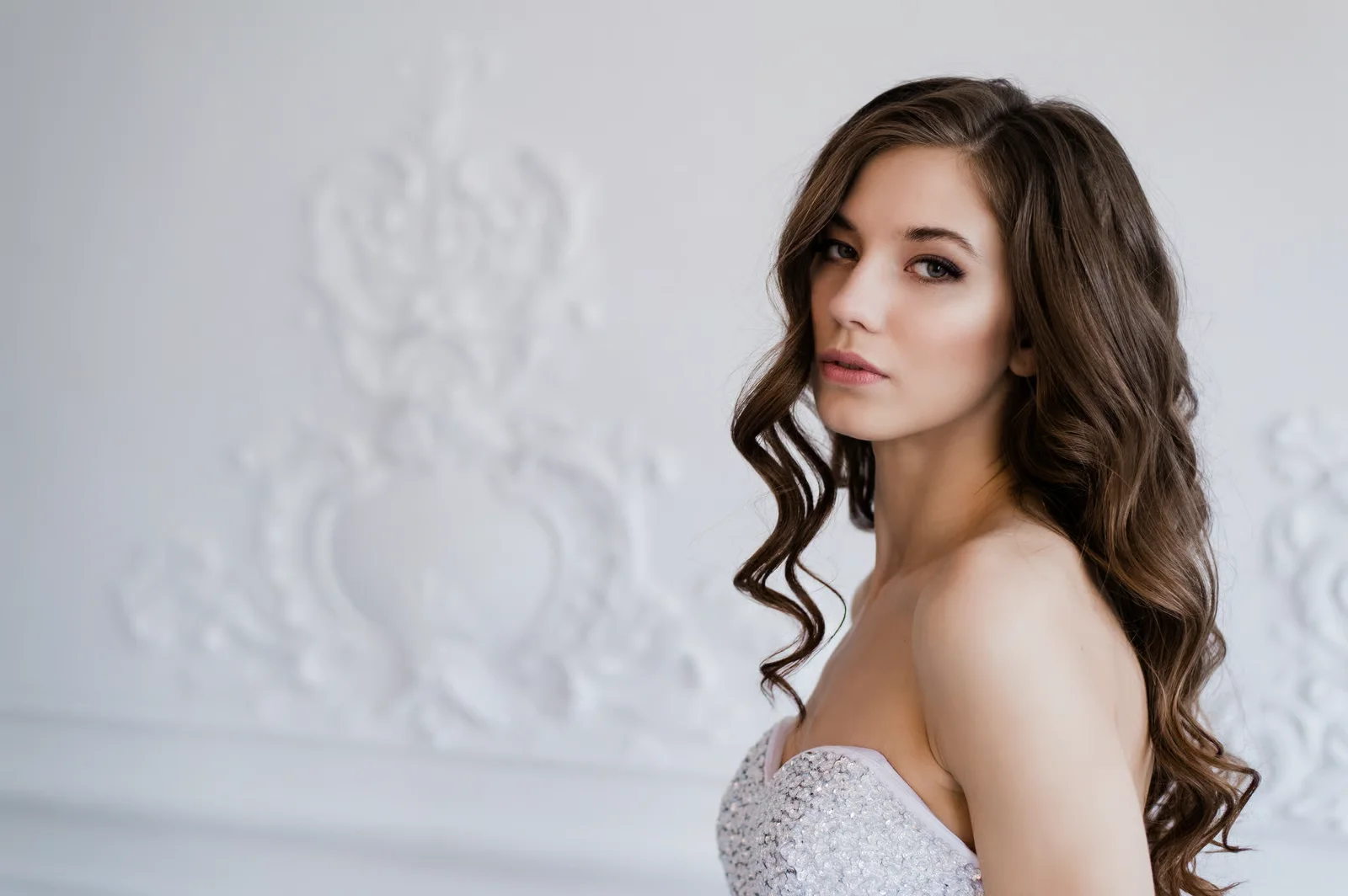
Uniform, sculpted S-shaped waves brushed to a glossy finish, usually with a deep side part. Best paired with strapless, off-the-shoulder or bias-cut satin gowns for black-tie receptions in city hotels or heritage ballrooms. For humid conditions, ask your wedding hairstylist to pin-set curls and release them as late as possible.
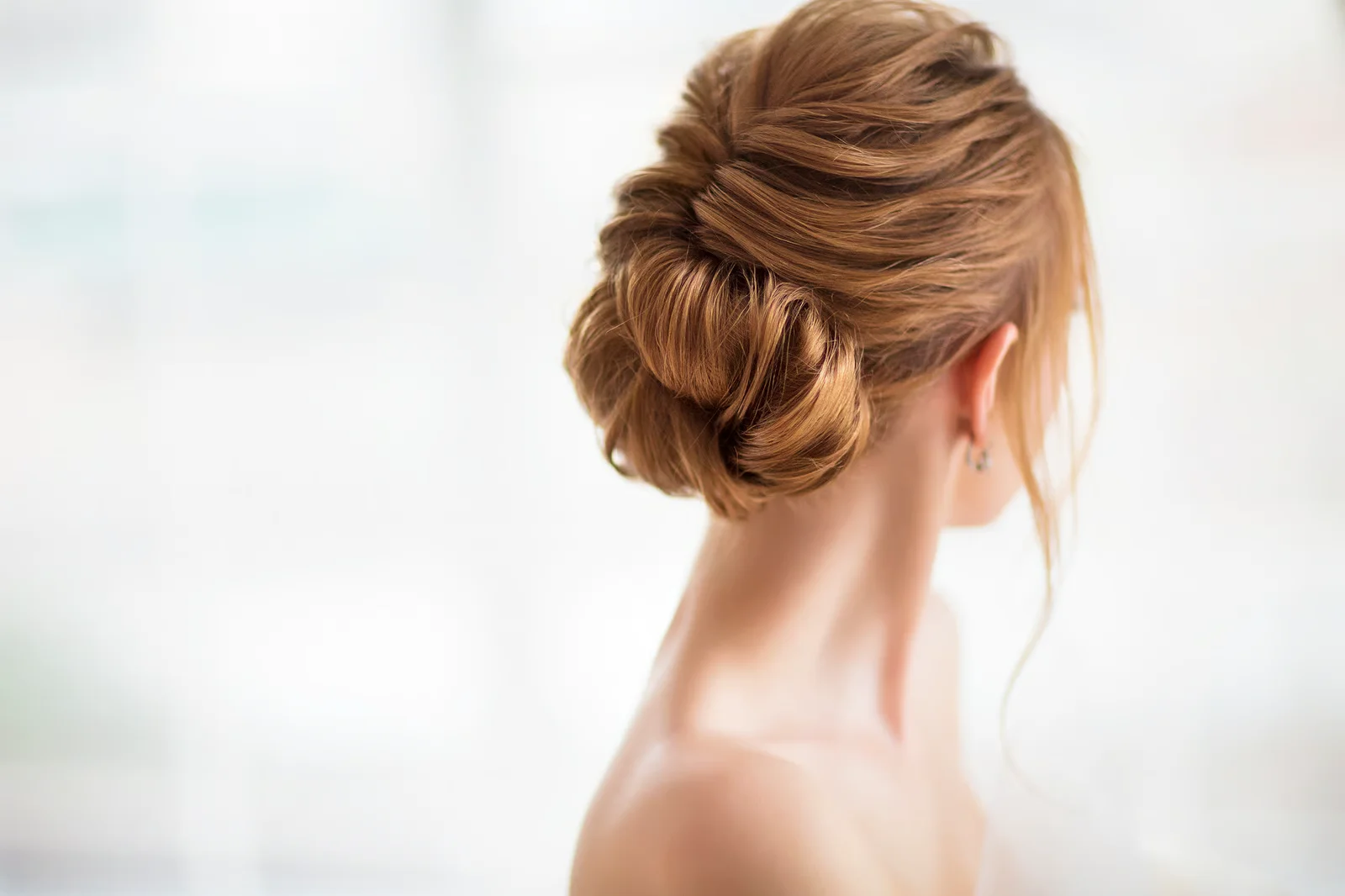
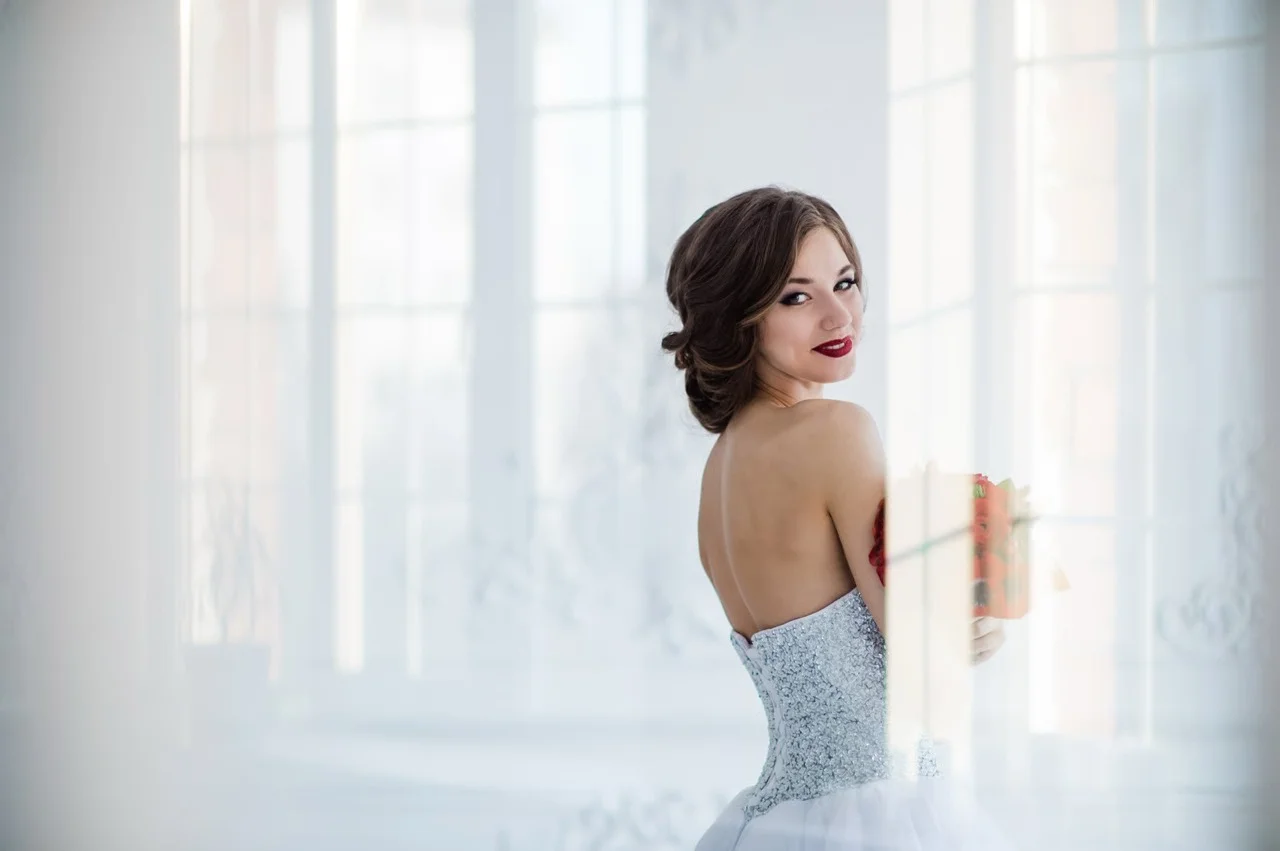
A low, loosely wrapped bun at the nape, often softened with face-framing pieces. It suits almost every neckline, particularly high necks, open backs and long veils.
The Duchess of Sussex wore a softly undone chignon beneath her tiara and veil in 2018, cementing it as a modern bridal reference. Its pinned structure holds well through a long day. Finish with pearl pins or delicate bouquet stems.
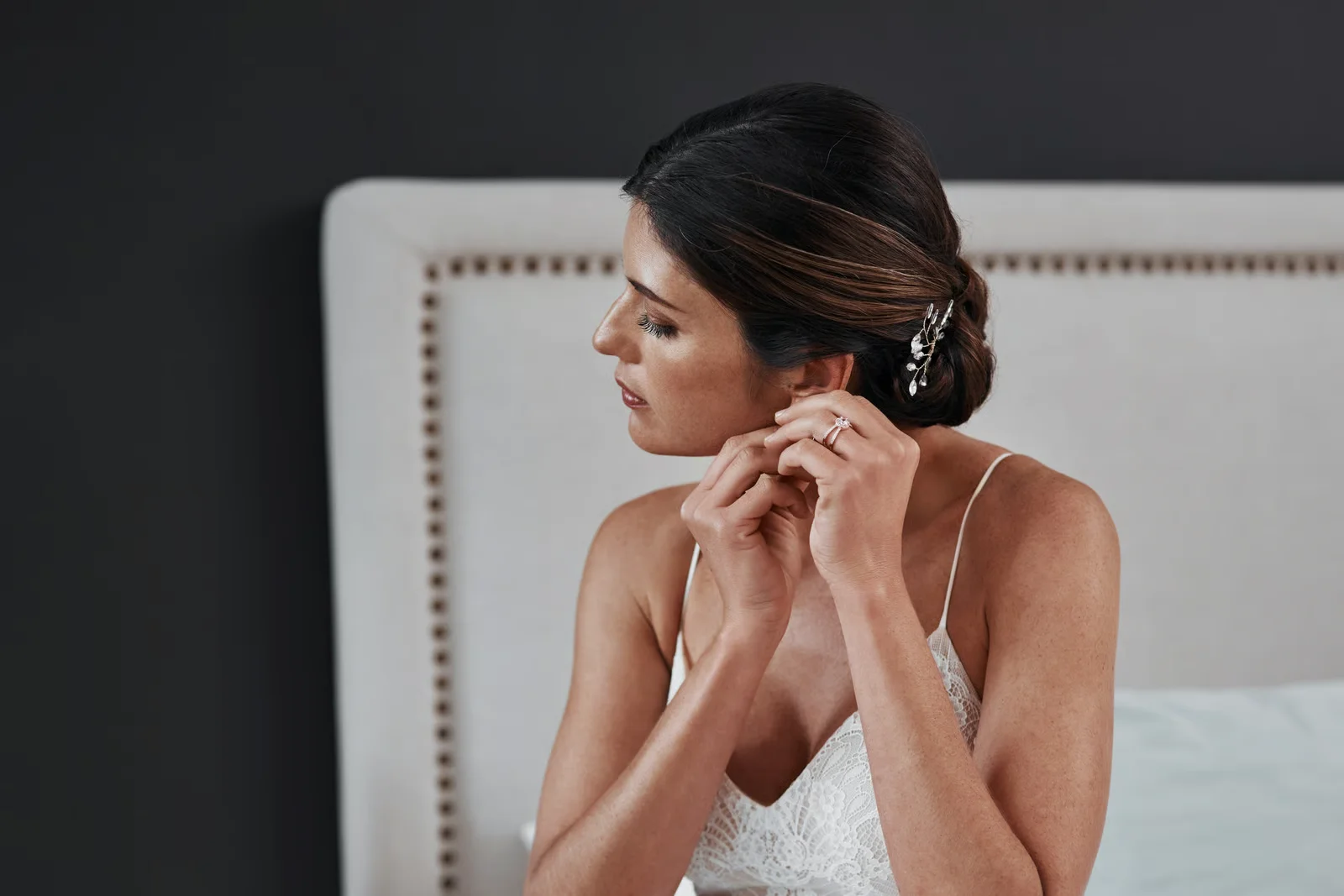
Centre-parted, smoothed flat and set at the nape, the sleek low bun was brought back into the bridal spotlight by Sofia Richie Grainge at her 2023 South of France wedding. It pairs with minimalist crepe gowns, high necklines and statement earrings, while holding well in humidity. Keep it secure without pulling tightly at the hairline for all-day wear.
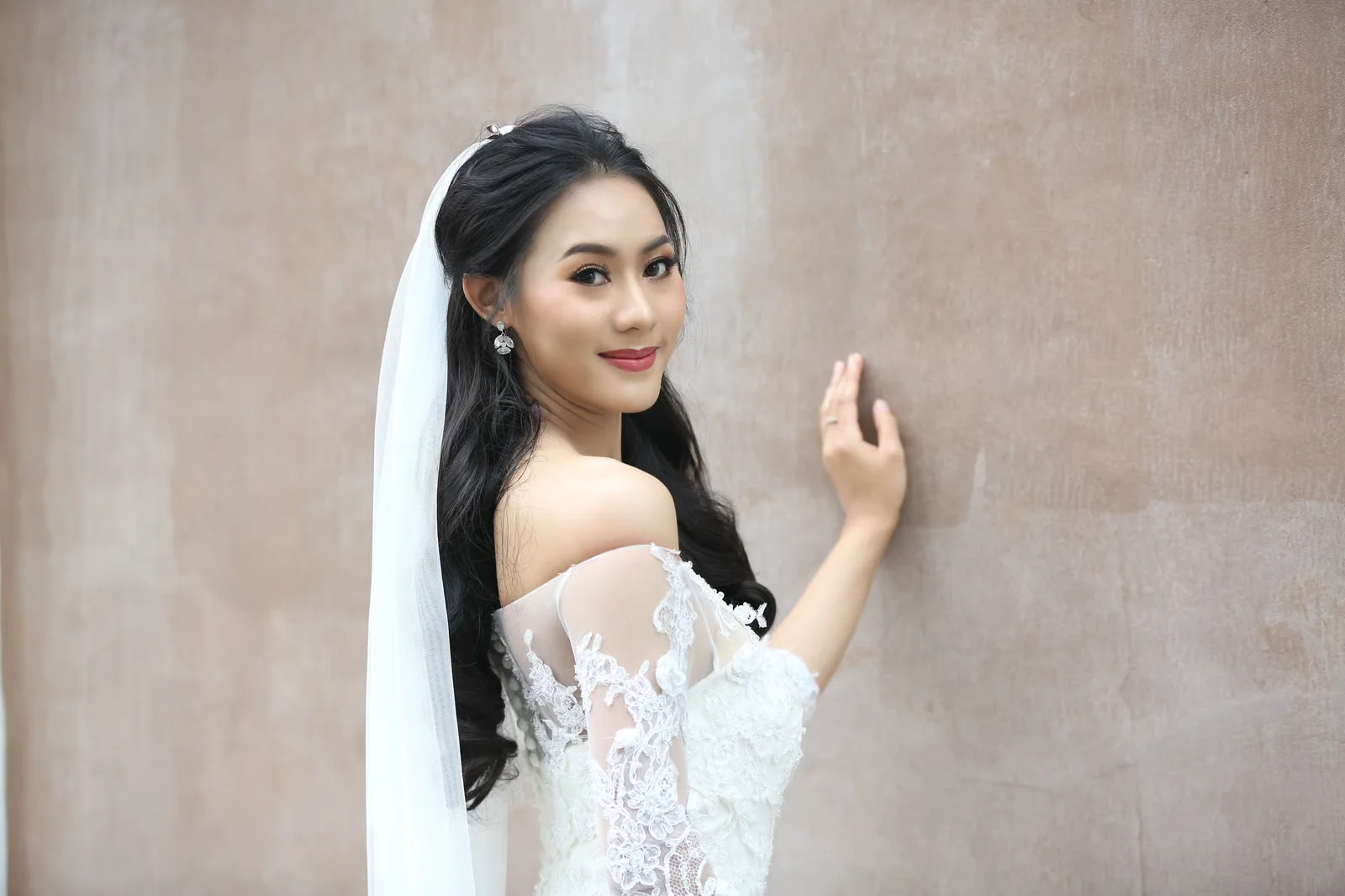
A half-up, half-down style secures the crown with a twist, knot or braid, leaving the lengths in soft waves. It suits V-necks, sweetheart necklines and lace bodices, particularly for vineyard or garden weddings in the Hunter Valley or Margaret River.
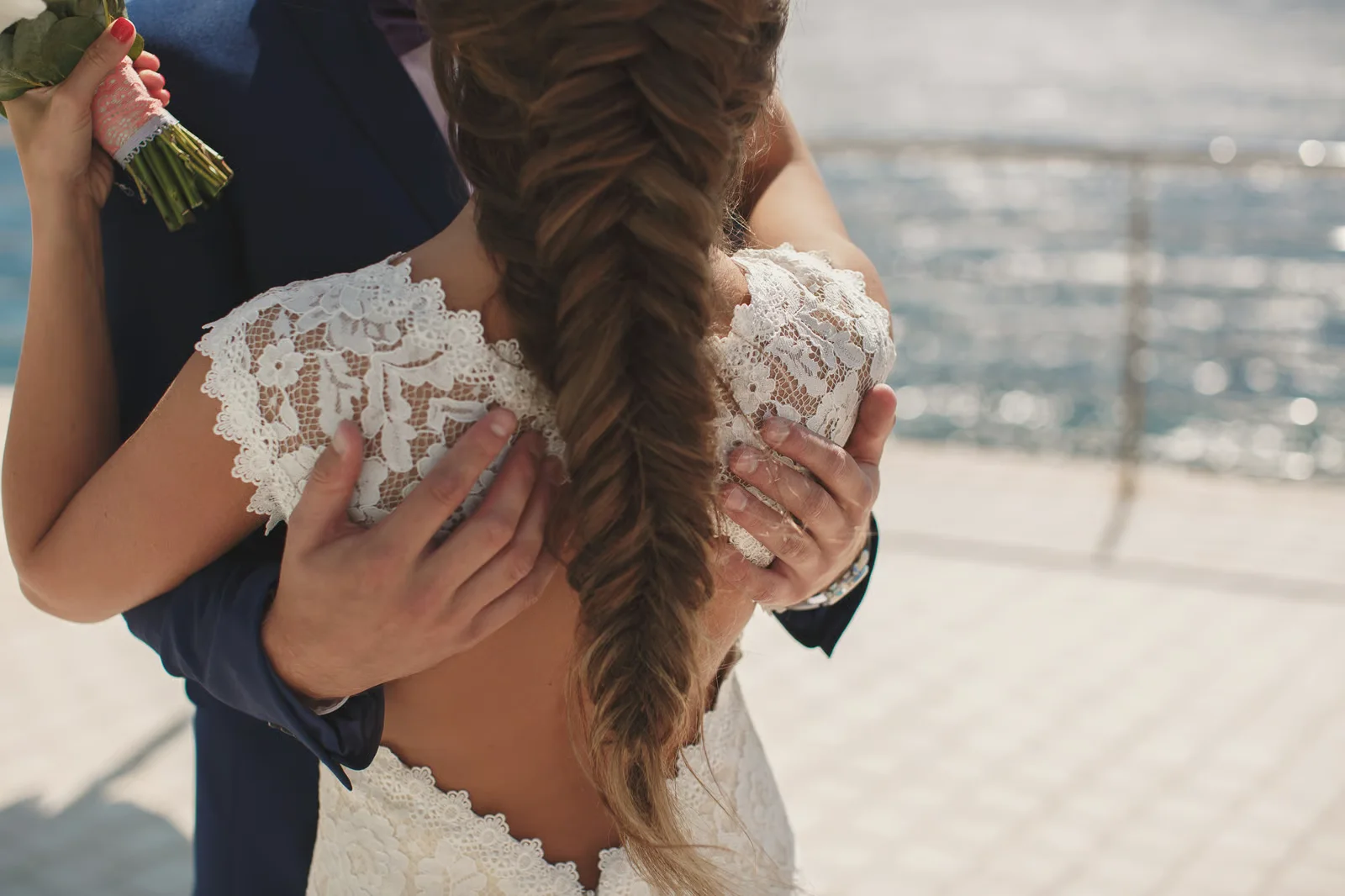
Bridal braids range from crowns and fishtails to plaits woven through an upstyle. Wind-resistant and well suited to coastal or clifftop ceremonies, they pair naturally with bohemian gowns and relaxed outdoor settings. Grace Kelly’s 1956 wedding look showed how a structured style can support a heavy lace veil, a principle modern braided upstyles soften. Weave in baby’s breath, olive leaves or delicate fresh florals for detail.
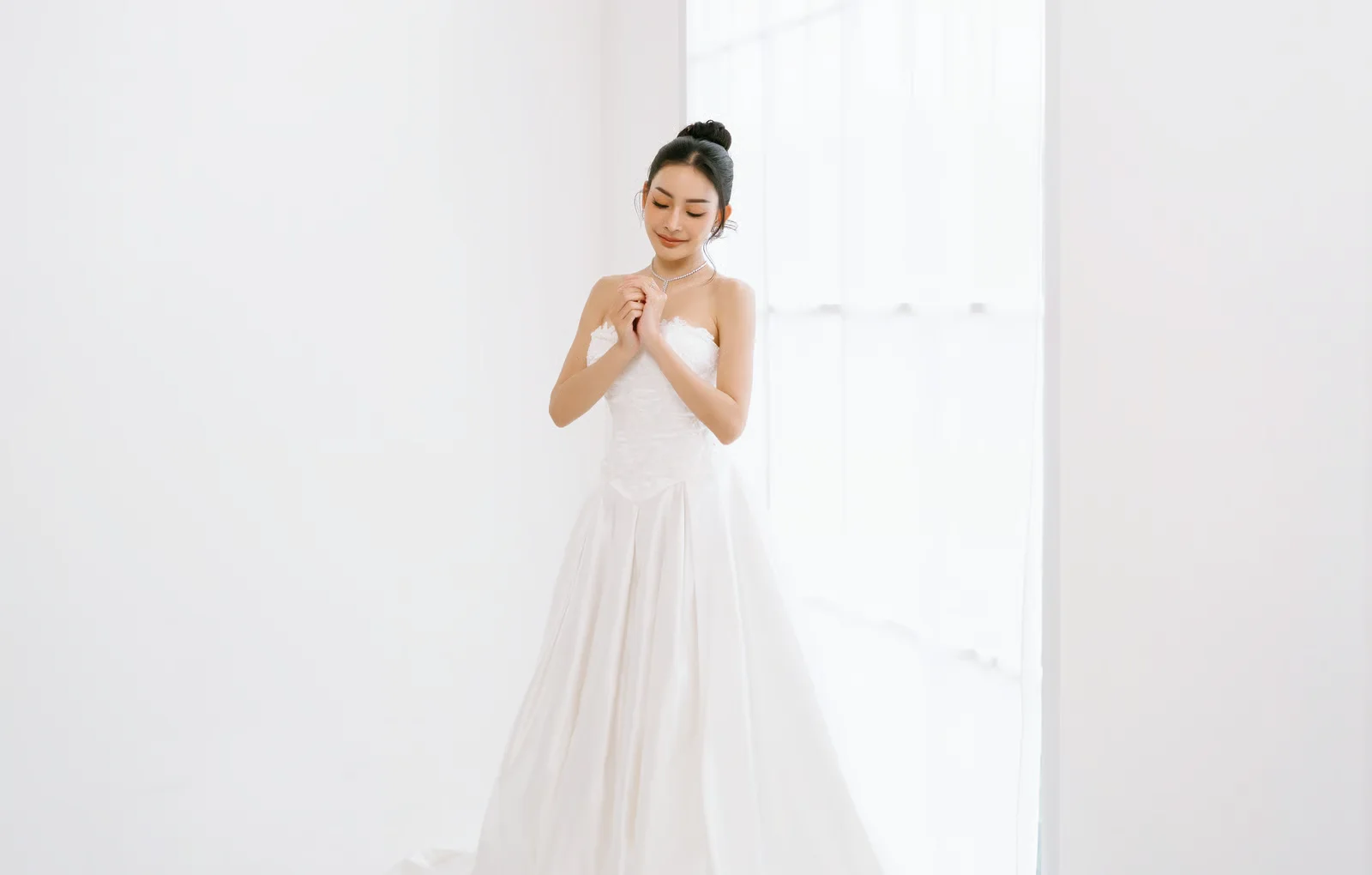
A high, clean knot at the crown frames the face, highlights earrings and open backs, and keeps the neck clear in tropical heat. Architectural and modern, it pairs with column gowns or structured jumpsuits and should sit securely without pulling at the hairline.
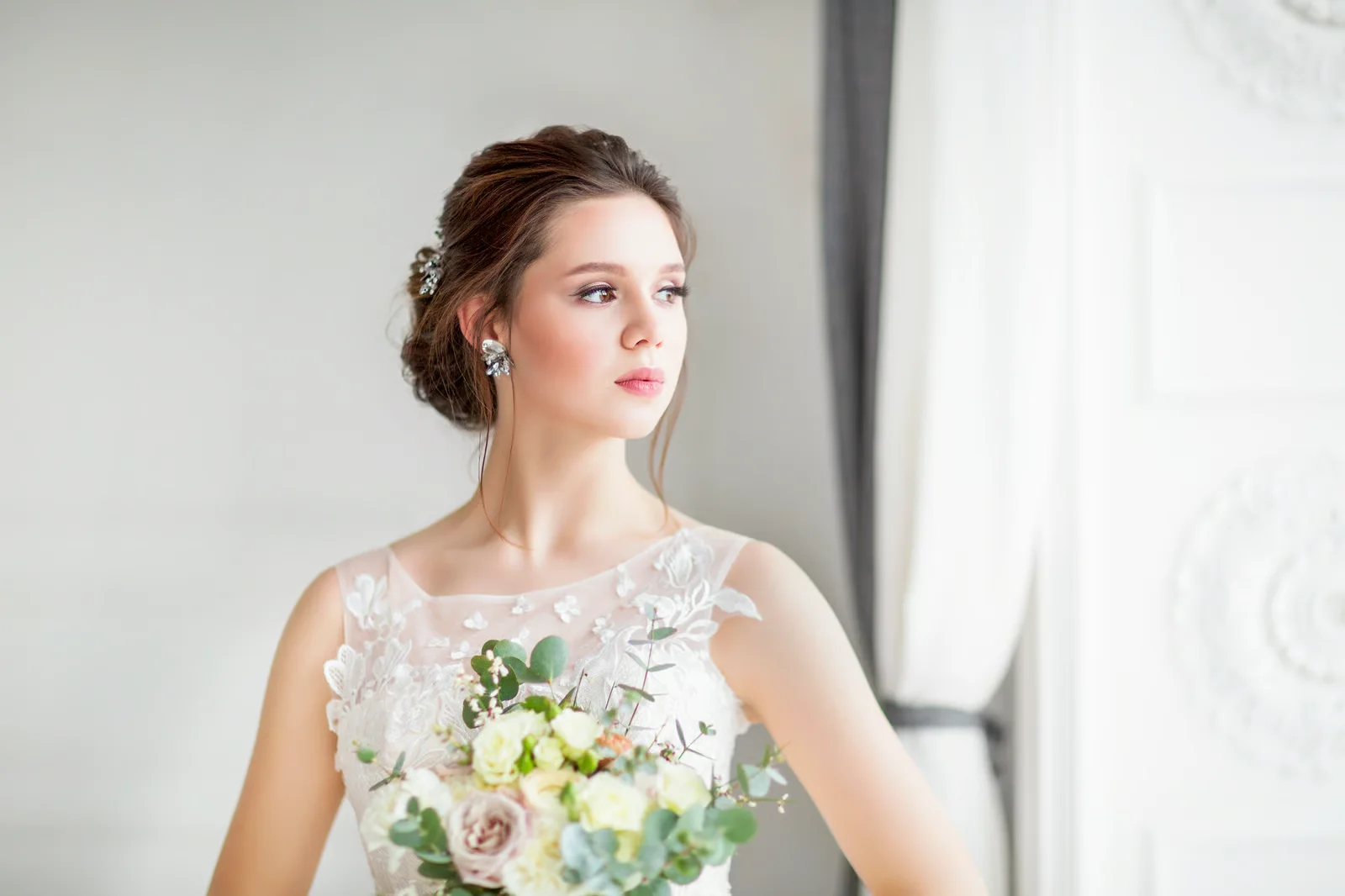
A textured, loosely pinned bun built from twists or braids, with soft pieces framing the face. Designed to move naturally through the day, it suits slip dresses, soft tulle and relaxed outdoor weddings, with texturising products providing grip across most hair types.
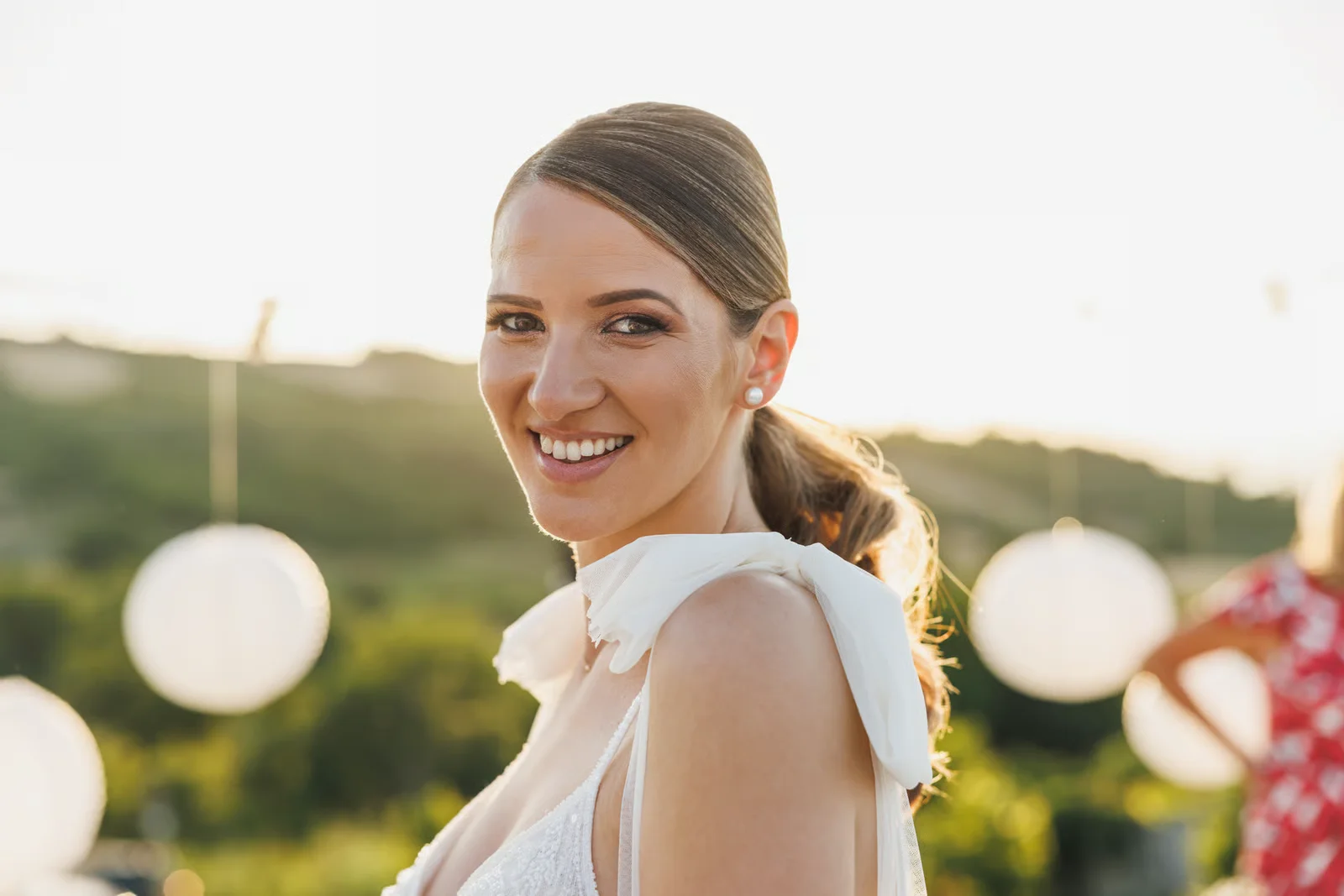
Smoothed at the crown and secured with hair wrapped over the tie, a bridal ponytail can sit low at the nape or high on the head. Secure and modern, it works particularly well as a reception change, with low styles feeling softer and high ponytails more fashion-led.

Brushed-out waves and defined curls suit brides who want to feel like themselves, with textured hair best styled by a specialist who works with its natural pattern. Ideal for strapless gowns, beach ceremonies and relaxed receptions, the look can be finished with a simple comb or clip.
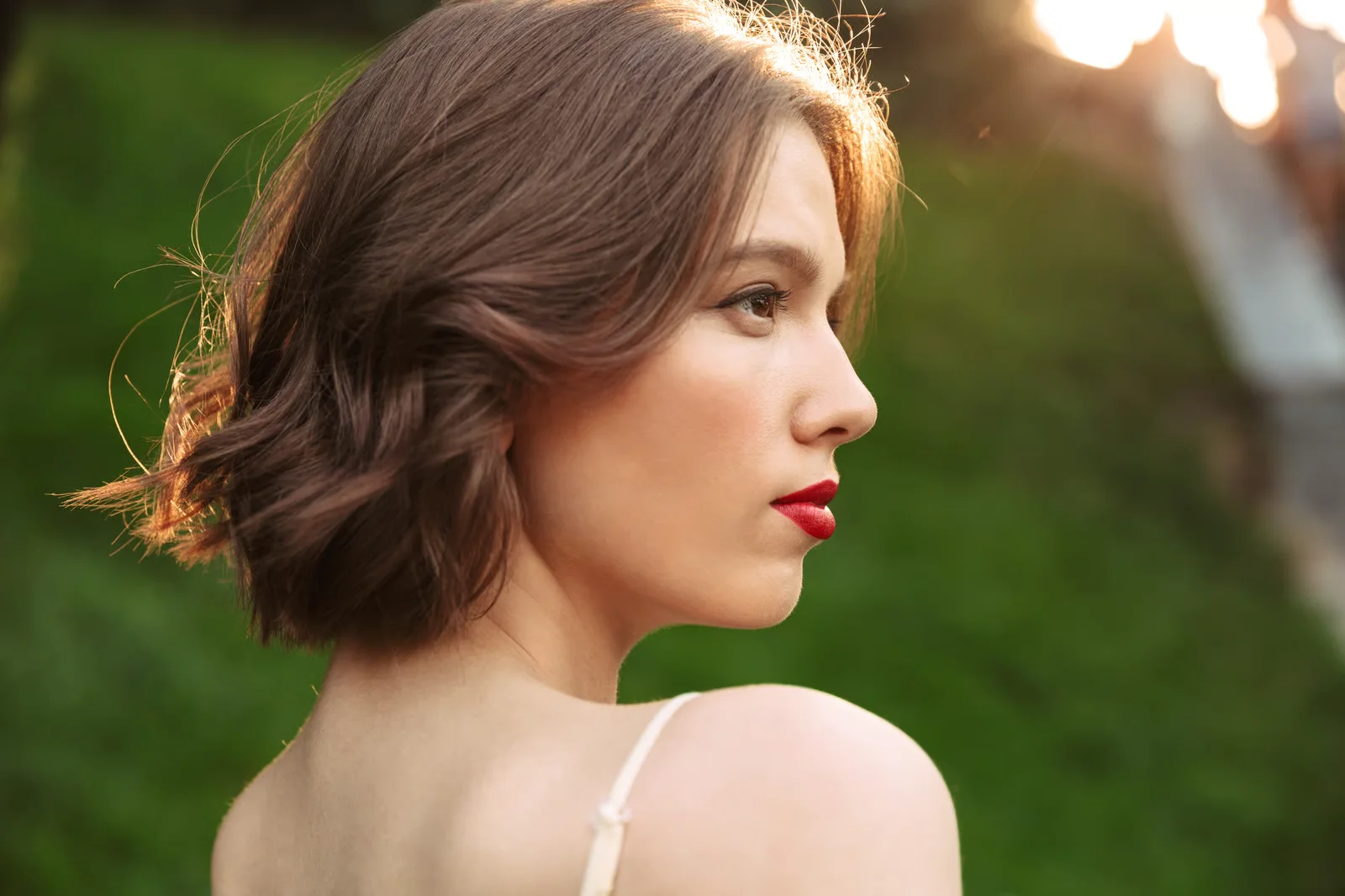
Short hair offers equally considered bridal options, from a sleek jewelled bob to a textured lob or polished pixie with a headpiece. Shorter veils, birdcage veils and headbands complement shorter lengths, while a well-cut bob often photographs better than hair caught between lengths.
Your neckline narrows the choice faster than anything else.
High necklines and halters suit upstyles, chignons and top knots, which keep the line of the neck visible.
Strapless, sweetheart and off-the-shoulder gowns suit wedding hair worn down, half-up or in a low chignon.
Open backs suit upstyles or a side-swept style that leaves the back clear.
V-necks suit half-up styles and loose waves, which follow the line of the bodice.
Fine hair may need extensions or extra set time for volume, while thick hair can hold curl but make upstyles feel heavy. Tell your wedding hairstylist how your hair behaves day to day, and aim for a refined version of your usual style.
Your veil affects the structure of your hairstyle. Choose your veil, headpiece and earrings before your trial so your hairstylist can build the look around them.
Humidity loosens curls, wind moves loose lengths and heat can make hair on the neck uncomfortable. Tropical venues such as Port Douglas or Bali suit sleek buns, top knots or braids, while windy locations such as the Mornington Peninsula or Santorini favour firmly pinned styles; cooler climates offer more freedom to wear hair down.
Your bridesmaids' hair can feel cohesive without matching yours, for example by sharing a texture, a parting or an accessory. Keep the mother of the bride polished but familiar, while guests can take cues from the venue and dress code.
When | What to do |
|---|---|
9 to 12 months before | Book your hairstylist. Book earlier for destination weddings and for spring or autumn Saturdays. |
4 to 6 months before | Settle on a conditioning routine and regular trims, and decide whether to have any smoothing treatment. |
2 to 3 months before | Hold your hair trial with your veil and accessories. |
4 to 6 weeks before | Finish any smoothing treatment and make your last major colour change. |
1 to 2 weeks before | Have your final colour or gloss and a light trim, with a patch test at least 48 hours before the appointment. |
The day before | Wash your hair according to your hairstylist's instructions. |
The morning of | Arrive with your hair prepared as briefed and a front-opening top to change out of. |
Bring photos of your gown, veil, headpiece and earrings, and wear a similar neckline. Photograph the style in daylight and flash from every angle, then keep it in all day to see how it holds. Booking hair and makeup trials together also lets you assess the complete look.
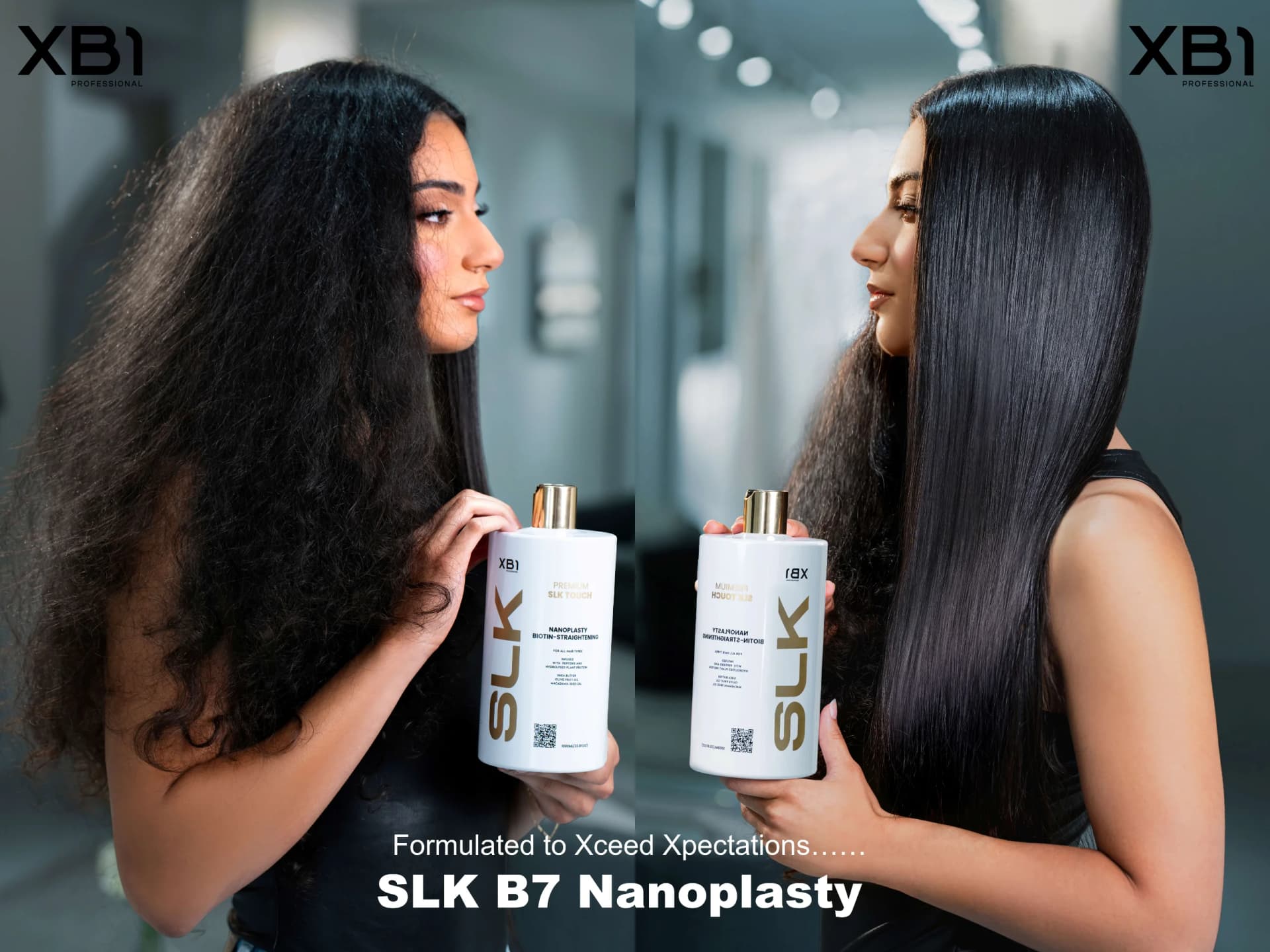
Hair colour containing paraphenylenediamine (PPD) can cause skin irritation or allergic reactions, so follow your colourist’s patch-testing guidance and allow enough time before the wedding. Schedule your final colour one to two weeks beforehand, and discuss keratin or smoothing treatments early, as they can make hair harder to pin or curl.
Tight styles can place tension on the hairline, while repeated high-heat styling can cause damage. Vary the tension across multiple wedding events, use heat protectant consistently and limit high-heat styling where possible.
A destination wedding adds travel and time zones to the climate considerations covered earlier. Structured styles such as the chignon, braided upstyle, sleek bun and top knot travel best, and the trial is planned around where your hairstylist is based.
Travelling with your hairstylist: Your usual hairstylist knows your hair and can hold the trial at home: Flights, accommodation and time away need to be arranged, so confirm them early.
Booking a local hairstylist: A hairstylist based near your venue knows the local conditions. Start with a video consultation that includes your inspiration and photographs of your hair, then hold the trial a few days after you arrive.
Hair is often one of the last decisions a couple makes, and it depends on nearly every earlier one, from the gown and veil to the venue, season and running sheet. We coordinate directly with hair and makeup stylists, so their timings, trials and travel sit within the wider wedding plan. For couples who want structured planning and early alignment, Wedded Concierge begins with a dedicated session before any recommendations are finalised.
Chignon: A low bun worn at the nape of the neck, sleek or textured.
Upstyle: The Australian term for any style that lifts the hair off the neck.
Half-up, half-down: A style that secures the top section and leaves the lengths loose.
Hollywood waves: Uniform, sculpted waves brushed into a glossy finish from a side parting.
Top knot: A bun positioned high on the crown.
Fishtail braid: A plait made from two sections, crossing fine strands for a woven look.
Face-framing pieces: Loose strands left out around the face to soften a style.
Backcombing: Combing hair towards the root to build volume and grip.
Hair trial: A rehearsal appointment to test your chosen style before the wedding.
Patch test: A small skin test for allergic reaction before hair colour is applied.
Written by
Editor & Content Writer
Jillian Arambulo is the Editorial and Content Writer at Wedded Wonderland, specialising in branded content and editorial strategy. Her writing spans travel, lifestyle, culture, beauty and emerging trends, bringing together comprehensive guides and features that connect readers with the places, ideas and experiences worth discovering.
Search real weddings, venues and vendors from around the world.
Search Wedded Wonderland