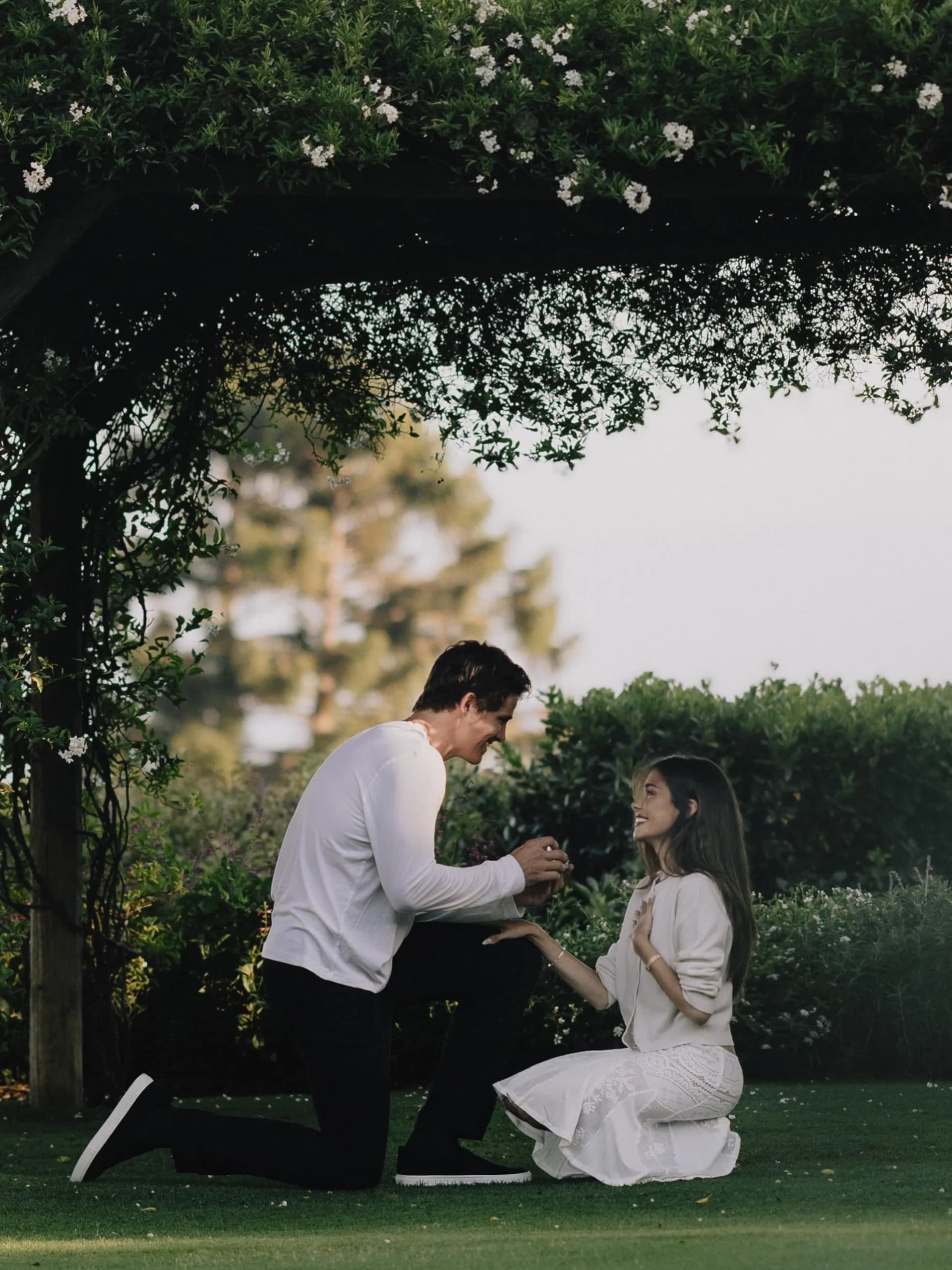
The best proposal ideas borrow 3 things from the movies: a place that means something, a genuine surprise, and a plan for the hour after the yes. Copy those ingredients rather than the film set, and a living room can out-romance any Hollywood ending.
Below are 30 proposal ideas grouped by style, from candlelit at-home moments to grand public gestures and destination proposals, plus the timeline, the budget logic and the etiquette. Where the setting, the photographer or the access matters, Wedded Wonderland can put the right people on it without your partner ever seeing a booking confirmation.
Key takeaways
Recreate the feeling, not the film set: a place with meaning, a real surprise and a planned hour after the yes.
Match the format to the person: grand public gestures thrill some partners and mortify others.
Plan 6 to 8 weeks ahead: or 3 to 6 months for a destination proposal or anything that needs a permit.
Spend on the photographer first: it is the only part of the proposal that outlives the day.

Every proposal the movies have taught us to love is built from the same 3 parts: a setting with meaning, a beat of real surprise, and somewhere for the joy to go afterwards. The films cut to the credits; you have to plan what happens next.
Use this table to match a style of proposal to the person you are asking, because the right idea is the one that fits them, not the one that fits the most views.
Proposal style | Best for a partner who | Planning effort | Where the budget goes |
|---|---|---|---|
At home | Loves privacy and hates being watched | Low to medium | Flowers, candles, a photographer |
Outdoor and scenic | Lights up in nature or on holiday | Medium | Timing, access, a weather plan |
Grand public gesture | Loves being celebrated out loud | High | Venue coordination, rehearsals, people |
Destination | Has a place they have talked about for years | High | Travel, permissions, local suppliers |
Simple and personal | Values meaning over spectacle | Low | Almost nothing but thought |
If you want to see how real couples have done it, our round-up of 25 proposal ideas from real engaged couples and the 10 most iconic proposals of all time are good companions to this guide.
The best at-home proposals transform a familiar space into a scene built from your own life: candles, flowers, the things you love in frame, and a photographer or friend ready at the window. Home is the one location that is already about the 2 of you, and it removes weather, strangers and venue clocks from the equation.
Send them out for an hour and come home to a room lit only by candles, flowers on every surface and your first photo together framed in the middle. It is the proposal Monica staged for Chandler in Friends, and fans still recreate it in real life. Use LED candles if pets or curtains are involved.
Take a standing ritual, the Friday cooking night or the Sunday coffee walk, and change one detail. The playlist is engineered, the table is set properly, and the last course is a ring. For couples who share Arab heritage, build that playlist from the greatest Arabic love songs, the same songs that later become a bridal waltz.
Cut a 2-minute trailer of your relationship from old photos and videos, dim the lights, and press play on "movie night". The final frame asks the question. When the lights come up, you are already on one knee.
Print 20 or 30 photographs of your life together and hang them along the hallway in order, ending on an empty frame. When they reach it, you step in to fill it.


If the dog is family, let the dog deliver it. A "Will you marry my human?" tag on the collar, or the ring box secured to the harness, gets a reaction nobody forgets. Keep the ring on a clip, not a loose ribbon.
Simple, quiet and entirely theirs: a tray, their favourite breakfast and a handwritten letter underneath the plate. Suits the partner who would find anything bigger overwhelming.
A custom crossword, a word game or a jigsaw that spells out the question. It works best for partners who already do a puzzle every day, because it hides inside a habit.
Outdoor proposals depend on 3 things: light, privacy at the exact hour you need it, and a weather plan. Golden hour gives you the most forgiving light, so arrive 40 minutes before sunset and ask about 20 minutes before the sun touches the horizon.

Choose a lookout you have scouted in person, at the same time of day, within the week. Many beautiful viewpoints are crowded at sunset, so the scout is what tells you whether it will really be the 2 of you. For inspiration closer to home, see the best proposal spots in Sydney.
Pride and Prejudice ends its love story in a misty field at sunrise, and dawn is still the most private light there is. Beaches, paddocks and parks are empty, and the soft light flatters everyone. The catch is a believable reason to be up that early.
Suggest a walk and let them "discover" a picnic already set up: rug, cushions, flowers, champagne on ice. A picnic stylist can set it up and disappear, or a friend can guard it until you arrive.
For the hiking couple, pack the ring in your jacket (never the backpack they might open) and propose where the trail opens up. Have a friend waiting at the top with champagne, or keep it just the 2 of you.
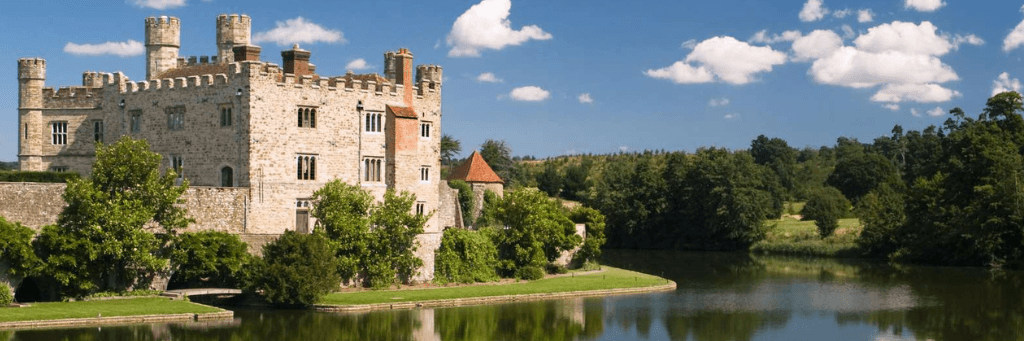
Botanic gardens, private estates and galleries are breathtaking when empty. Many allow private access after hours with a permit and a fee, arranged weeks ahead. It is the closest real-world equivalent to a film set.
Wine regions solve most of the logistics for you: long rows for privacy, a cellar door for the celebration, and a restaurant for the hour after. Ask the estate directly whether they host proposals.
Book a glamping tent or remote cabin away from city light, set up blankets outside, and ask under the stars. It pairs naturally with a weekend away, so the celebration is already booked.
A hot air balloon at dawn gives you height, silence and a view nobody else has. Tell the operator in advance so they can time the moment, and bring a backup date because flights are weather dependent.
A grand public proposal works when the audience amplifies the moment instead of replacing it. Before you plan one, be certain of 2 things: the answer, and that your partner genuinely enjoys attention. If either is in doubt, choose a private format. Our piece on the return of grand gestures looks at why lavish proposals are back.
A flash mob is still unbeatable when the crowd turns out to be your friends and family. Hire a choreographer for 2 or 3 rehearsals and keep the route simple so nobody gets lost in a public square.
In Love Actually, Jamie walks through a whole town to propose at the restaurant where Aurelia works. Your version: a restaurant that means something, a quiet word with the manager, and dessert arriving with the ring. Ask for a corner table so the moment is witnessed, not performed.
Getting the question on the big screen requires the venue's events team, weeks of notice and a firm time slot. Have a plan B if the game runs late, and make sure your partner is a fan, not a reluctant guest.
Charter a boat for a sunset cruise and hide both families on the upper deck until the yes. Harbours from Sydney to Dubai Marina offer private charters that handle the champagne and the timing.
Drone light shows and fireworks are the modern grand gesture. Both need a licensed operator and local approvals, so book through a company that handles permits for you and confirm the rules for your city early.
Hire a solo singer or string quartet to play the song that means the most to you, and stop at the chorus so you can ask. It works in a restaurant, a park or your own courtyard.
In Sweet Home Alabama, the jewellery store lights up after closing and she can choose any ring she wants. Some jewellers offer private after-hours viewings by appointment. If you go this way, read up on the questions to ask your jeweller first.
The best destination proposal is set somewhere with a reason: a country one of you has talked about for years, the island where you first holidayed, or the city where you plan to marry. Destination formats need the most planning, because you are working with permits, local suppliers and light you have never seen.
Propose on night 1, not the last night, so the rest of the trip becomes the engagement celebration. It is the single most recommended move in this guide, and it takes the pressure off every other day.
Crazy Rich Asians saves its proposal for a flight. A seaplane transfer, a sleeper train or a boat arriving at a private island all turn the journey into the scene. Speak to the operator well in advance, and keep the ring in your hand luggage.
For couples in the Gulf, the dunes at dusk are as cinematic as anywhere on earth. Plan for October to April when evenings are cool, respect Ramadan timing, and arrange transfers and a private camp setup through a licensed operator.
A reserved rooftop corner with the skyline behind you, and a photographer posing as a guest at the bar. Dubai, Sydney, Paris and New York all have terraces that allow private bookings for 2.
An island gives you privacy and a natural celebration afterwards. See how one couple did it on the Great Barrier Reef at InterContinental Hayman, or browse proposal experiences in Fiji and proposal destinations in New Zealand.
Simple proposals often become the most retold, because the meaning carries the moment instead of the money. The 3 below cost little more than time and planning.
Return to the cafe where you met, the bench from your first date or the street where you first said "I love you". Ask the owner or staff to hold your table, and let the place tell the story.
Write the letter you would want them to keep forever, and read it aloud before you ask. It is the idea most couples say they treasure afterwards, because it becomes a keepsake.
Hide clues at the places that made you a couple, each with a photo or note, ending where you are waiting. Friends can staff the stops, which gives them a role in the story.
Plan 6 to 8 weeks ahead for any proposal beyond a spontaneous ask, and 3 to 6 months for a destination proposal or anything that needs a permit. Decide the total budget before you fall for a format.
6 to 8 weeks out: settle the ring (a bought ring, an heirloom reset, or a placeholder with the real choice made together later; our guide to engagement ring trends covers the options). Choose the format and location, and if blessings matter to your families, have those conversations now.
3 to 4 weeks out: book the location, the photographer and any helpers. Scout the exact spot at the planned hour. Book the celebration: the table, the room, the champagne.
The week of: confirm everything in writing, check the weather and your backup, brief the photographer on positions and the signal, and prepare 3 sentences. Not a speech, 3 sentences: a beginning, a truth and a question.
The budget goes furthest in this order: the photographer (the only part that outlives the day), access to the location (a reserved corner beats a rented ballroom), the celebration after, and only then styling and spectacle. Whether you plan in AUD, USD or AED, the most retold proposals are rarely the most expensive; they are the best aimed.
Hire a proposal photographer if you do nothing else in this guide. The moment happens once, fast, with both of you emotional, and it cannot be reshot. The best proposal photographers are in position before you arrive, use a long lens so they look like tourists, and move straight into a short engagement shoot while the joy is still fresh. Brief them with the location pin, the planned minute, what you will both wear and the signal. For more on the people who capture these moments, see the content creators behind dream proposals.
A proposal planner earns their place once the logistics outgrow you: private access, musicians, drone permits, families hidden on boats, or any destination you cannot scout in person. If you are proposing abroad, read what to consider when planning a destination proposal before you book anything.
The hardest proposal ideas on this list are not expensive; they are closed. A garden that shuts at 5pm, an estate that does not host events, a rooftop that only takes groups. Those doors open through relationships, not requests, and that is where Wedded Wonderland comes in.
Because we book through invitation-only hotel programs, the property knows what is happening before you arrive, so the table is right and the room is the best they hold. On request, we can arrange sites held open after hours for 2 people, places that do not normally host anything, and official facilitation where a permit or approval stands between you and the setting you want. We also build the cover story into the itinerary, so your partner never sees a confirmation.
There is no fee for the first conversation, and suppliers are paid at standardised industry rates, so you are never quoted a marked-up price. Benefits vary by property and booking. Eligibility and availability conditions apply.
Planning a proposal somewhere that matters? Tell us the story you want to create, and a Wedded Advisor will come back with locations that are actually available on your date, the photographer, the timings and the backup plan. Speak with a Wedded Advisor
The golden rule: design the proposal for the person being asked, not for the audience or the algorithm.

Do be certain of the answer; a proposal celebrates a decision you have effectively already made together. Do get the ring logistics right: sized close, insured early, carried in hand luggage when you travel. Do arrange a photographer, even if it is a friend with a good phone. Do plan the hour after, including who gets the first phone call. Do kneel on the correct knee if you kneel at all; our guide to which knee to propose on settles it.
Don't propose at someone else's wedding; here is why it is almost always a mistake. Don't hide the ring in food or drink, where it can be swallowed or lost. Don't stage a public spectacle for a private person, however good the video would be. Don't wing the words. And don't post anything online until the people who deserve a phone call have had one.
If surprise is not your partner's style at all, you are not alone: the anti-surprise proposal is on the rise, and planning it together can be just as romantic.
Every proposal in every film comes down to the same scene: one person, one question, and a setting that makes the memory. Borrow the structure, skip the script, and aim the whole production at the only audience that matters. When you are ready to think about what comes after the yes, our guide to planning a destination wedding is the natural next chapter.
Written by
Content and Creative Manager
Joseph Joshua is the SEO & Content Manager at Wedded Wonderland, bringing an editorial and search strategy perspective to the publication’s coverage of luxury weddings, destination celebrations and bridal lifestyle. His approach to content centres on helping readers move from inspiration to informed decisions, with attention to the design, craftsmanship and personal details that give a celebration its character.
Search real weddings, venues and vendors from around the world.
Search Wedded Wonderland