Knowing what not to wear to a wedding means avoiding bridal shades like white, ivory and champagne, respecting the dress code, and considering cultural customs around colours such as black and red. At Wedded Wonderland, we understand how guest attire contributes to the atmosphere and the photographs that preserve it. This guide covers wedding guest attire etiquette, from colours and accessories to shoes.
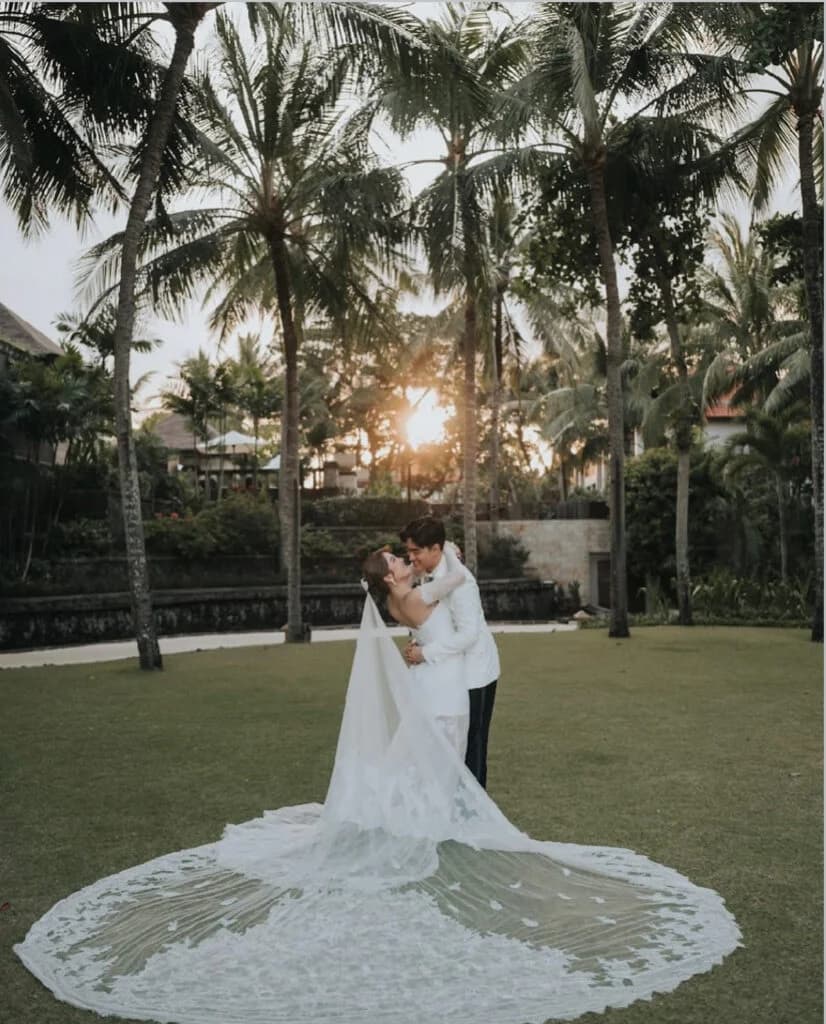
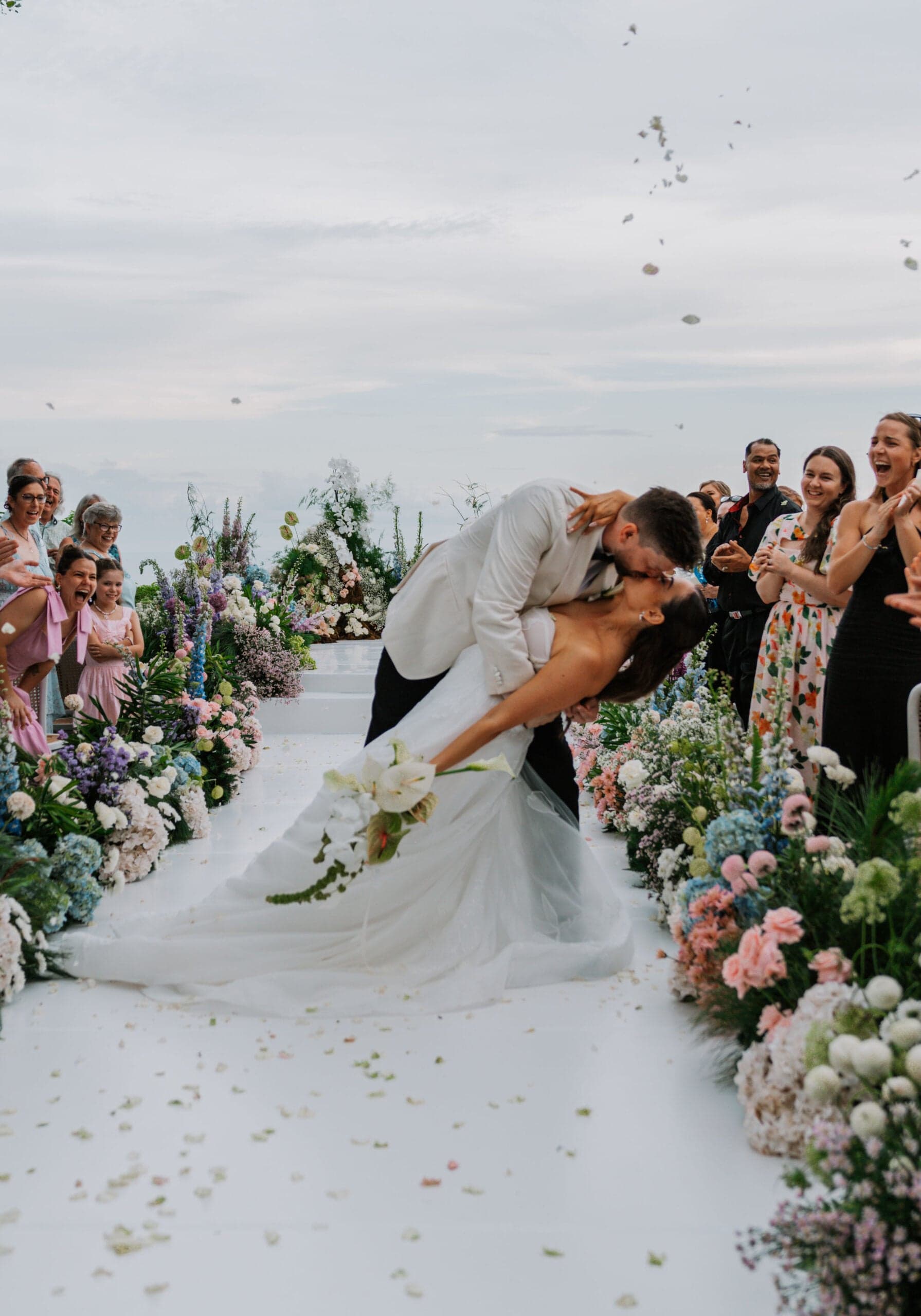
Guests should avoid white, ivory, cream, champagne and any pale shade close to a bridal gown. The aim is simple: the bride should be the only person in the room dressed in her colour.
You can wear white to a wedding only when the couple has asked for it, such as at an all-white celebration. Otherwise, skip it, including long white dresses, white lace and white jumpsuits. A white floral print or a colourful outfit with small white details is generally safer, but a quick message to the couple removes any doubt. Our guide on whether wedding guests can wear white or black goes deeper into the debate.
The one outfit you should never wear is one that ignores the dress code printed on the invitation. A beach linen suit at a black tie wedding, or a floor-length gown at a casual garden lunch, tells the couple their request was overlooked.
If the invitation has no dress code, look to the time of day, the venue and the formality of the stationery.
Beyond bridal shades, the colours most guests ask about are black and red. Both are widely accepted at modern weddings, and a few details are worth checking first.
You can wear black to most modern weddings, particularly evening, black tie and cocktail celebrations. A black gown suits a formal ballroom, while a shorter, flowing black dress suits a beach or vineyard. If the celebration follows a tradition that asks guests to avoid black, the couple will usually say so on the invitation or website.
You can wear red to a wedding in most settings, as long as the dress code suits it. Red is the traditional bridal colour in many Chinese and Indian ceremonies, so if you are attending one, check with the couple or a family member first. At other weddings, a red outfit is a vibrant and welcome choice.
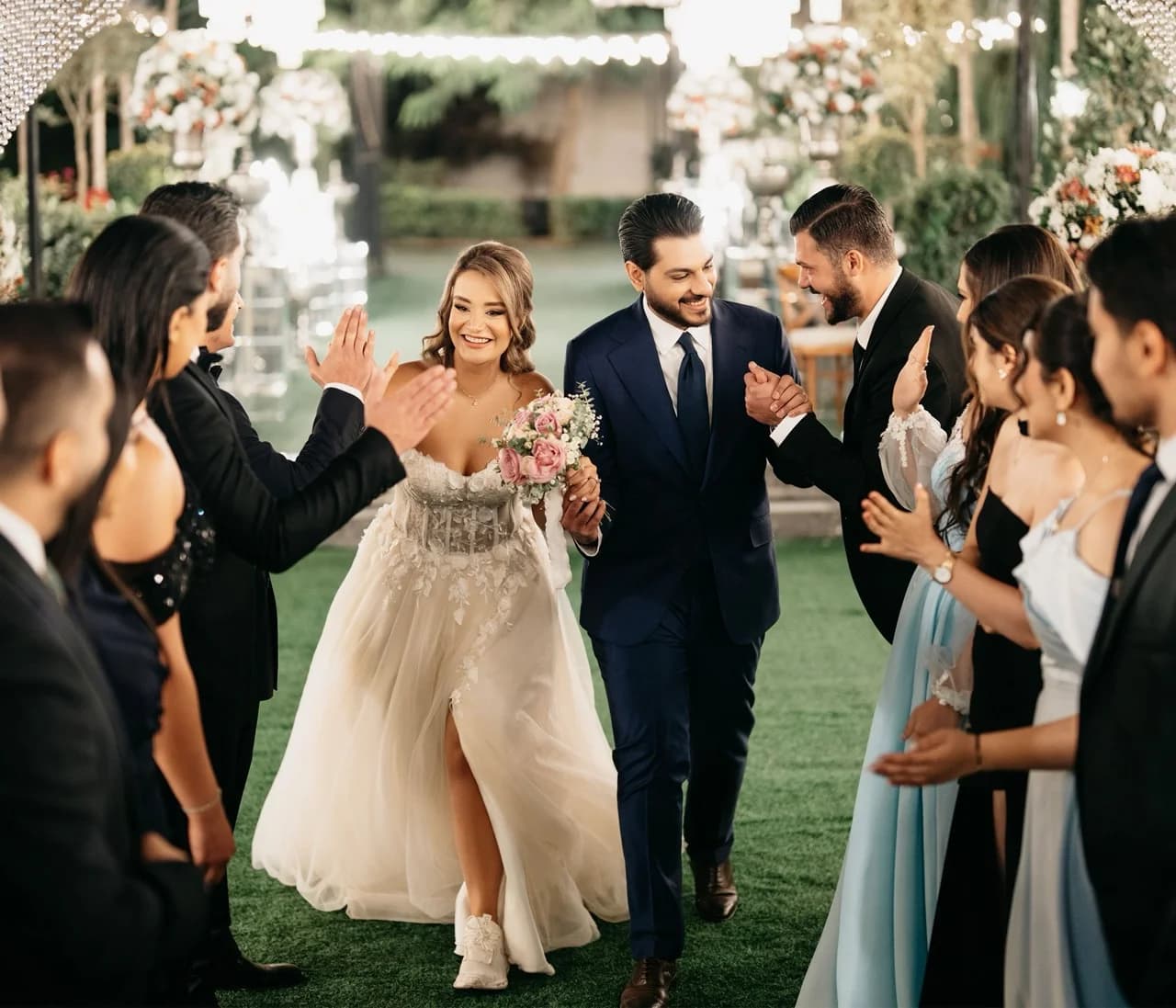
Jeans, sneakers, leggings and gym wear are best left at home, even when the dress code reads casual. Casual at a wedding means relaxed fabrics and softer tailoring, such as a linen shirt or a sundress.
The exception is a couple who asks for it, for example at a relaxed barefoot celebration. In that case, follow their lead and dress neatly.
Outfits that are very short, sheer or low cut can distract from the ceremony and feel out of place beside grandparents and children. A good test is to sit, bend and raise your arms in front of a mirror before you commit.
Many ceremonies take place in churches, temples and heritage venues, where covered shoulders are expected. A light wrap or jacket keeps your outfit versatile from ceremony to dance floor.
Skip anything designed to make you the focal point, such as a train, an oversized hat that blocks the view, or a bold slogan. The day belongs to the couple, and guests who dress to be noticed draw attention away from them.
Matching the colour palette of the wedding party is also worth avoiding. If the bridesmaids wear sage green, choose another shade so you are not mistaken for one of them.
The wrong shoes are the ones that do not suit the venue, such as stilettos on grass or sand, or brand new shoes you cannot walk in. A beautiful pair that causes blisters by the second hour is not worth it.
Block heels, wedges and flat sandals handle lawns and cobblestones comfortably. Pack a spare pair of flats for the dance floor, because you will use them.
Avoid bridal-style headpieces, veils and tiaras, along with very large hats and statement jewellery that overpowers your outfit. A fascinator or small hat is welcome where the dress code calls for it, provided it does not block anyone's view of the ceremony.
Keep your accessories simple so they photograph well alongside the couple. One considered piece is usually enough.
To choose a wedding guest outfit, start with the dress code, then consider the time of day, the season and the venue. These four details narrow your options far faster than browsing by colour.
Read the dress code. Match it to the formality of the invitation, from black tie to relaxed garden attire.
Check the venue. A beach, a vineyard and a cathedral each ask for different fabrics and shoes. Browse our wedding venue directory to picture the setting.
Consider the time of day. Daytime suits lighter fabrics, and evening suits deeper tones and richer textures.
Ask when unsure. A short message to the couple costs nothing and settles every question.
More guest advice, from RSVPs to speeches, sits in our unspoken rules of being a wedding guest.
At a destination wedding, avoid fabrics and shoes that struggle with the climate and the setting. Heavy fabrics in the tropics, stilettos on a beach and anything that cannot be packed without creasing are the common mistakes.
Lightweight linen, silk and chiffon travel well and breathe in the heat. For a ceremony at a temple in Bali, plan to cover your shoulders and knees, and check the couple's guidance before you pack. If you are heading to a beach celebration in Oceania, choose flat sandals or wedges that handle sand with ease.
Humidity affects hair and makeup too, so our tips on making wedding makeup last in humid weather are useful for guests as well as brides.
Couples hosting abroad can set the tone early. Our destination wedding guide explains how to share the dress code, climate and dress traditions with guests before they book flights, and our destination wedding packages show the settings that suit each style of dress code.
The simplest way to approach what not to wear to a wedding is to ask whether your outfit celebrates the couple or competes with them. If it supports their day, you have dressed well.
Couples who want to guide their guests can state a clear dress code on their website, and our wedding planning tools help keep every guest detail in one place. Guests who follow the dress code, choose comfortable shoes and leave the white to the bride will fit in beautifully.
Black tie: The most formal dress code, with floor-length gowns and tuxedos.
Cocktail attire: A smart, knee-length or midi dress, or a suit with a tie.
Semi-formal: Polished daywear or evening wear that sits between cocktail and black tie.
Beach formal: Elegant, lightweight outfits with shoes that suit sand, such as wedges or flat sandals.
Fascinator: A small decorative headpiece worn on a clip or band, often with a small hat base.
Written by

Editor & Content Writer
Jillian Arambulo is the Editorial and Content Writer at Wedded Wonderland, specialising in branded content strategy. Her writing spans luxury lifestyle, travel, culture, beauty and emerging trends, bringing together comprehensive guides and features that connect readers with the places, ideas and experiences worth discovering.
Search real weddings, venues and vendors from around the world.
Search Wedded Wonderland