A wedding mood board for vendors is composed of a curated collection of images, colours, textures, and list of preferences that communicates the visual direction of your celebration. At Wedded Wonderland, we understand how a well-defined creative brief helps bring your vision to life, giving every vendor a shared reference for the details that shape the day.
Create a wedding mood board by defining your vision in words, gathering inspiration into separate boards, editing to one master board and adding notes for your vendors. The process takes a few weeks when you allow time to step back between stages.
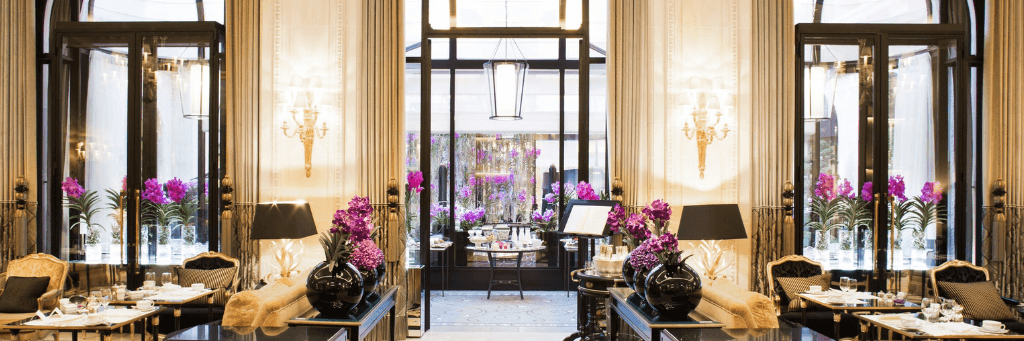
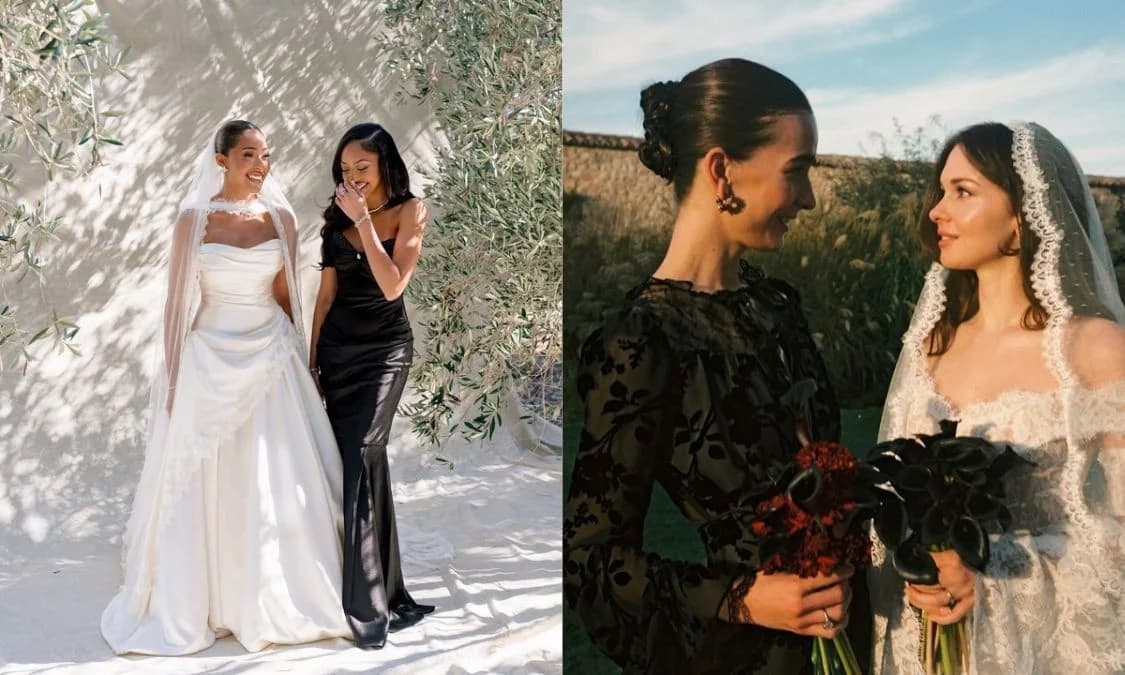
The palette gives florists, stylists and stationers a shared colour reference, and the materials, such as linen, stone, brass or handmade paper, show the finish you are drawn to.
A board does not need every category on a single page, and many couples create one page per element so that each vendor sees what matters to them.
Begin before you open any image platform. Write down the words that describe the atmosphere you want, and let your venue shape them, since a coastal terrace and a historic estate call for different language.
Create a board for each element of the day, such as venue, florals, attire, stationery, lighting and tables. Keep one extra board for ideas you would like to discuss with vendors, even if they do not yet fit your direction.
Return after a few weeks with fresh eyes and choose your one or two strongest images from each board. Remove anything that does not suit your venue, season or the atmosphere words you chose, and look for repeating themes across your selections.
Place your selected images on a single page in a tool you enjoy using, aiming for 10 to 20 images in total. Add your palette, a few swatches or material photographs and your atmosphere words, then save the board as a PDF.
Add a short note to each image explaining what you love about it and what to avoid. This step turns a collection of pictures into a brief, and it is covered in detail below.
Send the relevant pages to each vendor and invite their ideas. Their experience will show you what is possible at your venue and in your season, and the board can be refined together.

The right tool for a wedding mood board depends on the stage you are at. Pinterest suits gathering, Canva suits layout, and a dedicated planning tool suits sharing the finished board with wedding mood board for vendors.
Gathering is where a visual platform excels, because it keeps offering similar images as your taste becomes clearer. For the master board, Canva offers mood board templates and drag-and-drop grids, and a simple PowerPoint or Word page also works well.
When you are ready to share, Wonderland Studio lets you build decor and mood boards alongside your guest list, timeline and vendor shortlists, so everything sits in one place. Our comparison of Pinterest and a wedding mood board tool explains where each option shines.

Annotations tell a vendor what each image is there to show, so the board is read the way you intend. A short note beside each image on what you love, what to avoid and what is confirmed removes guesswork.
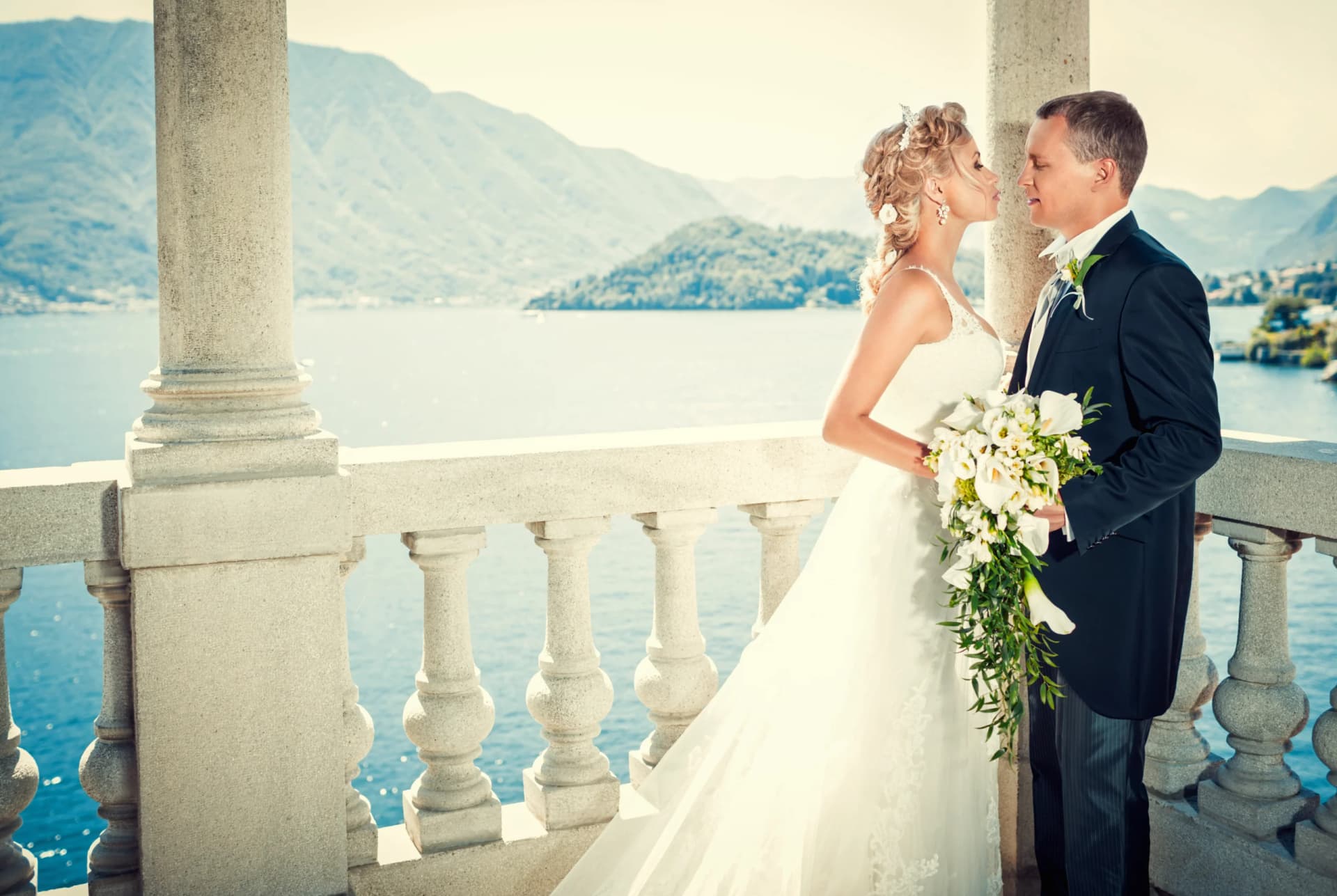
Without notes, a vendor must interpret your choices. A couple who love a venue's warm stone but dislike its dark steel might send a photograph of the building, and a stationer could reasonably assume that dark steel is part of the appeal. A single line of text resolves that.
The examples below show how specific an annotation can be.
Venue terrace. We love the long lines and warm stone. Please soften the dark steel railings with texture and candlelight.
Floral arrangement. Loose, garden-gathered stems in this style. Please avoid tight domed bouquets.
Invitation suite. Letterpress on heavy cotton stock with a hand-torn edge. Typography in this feel, but with a lighter weight.
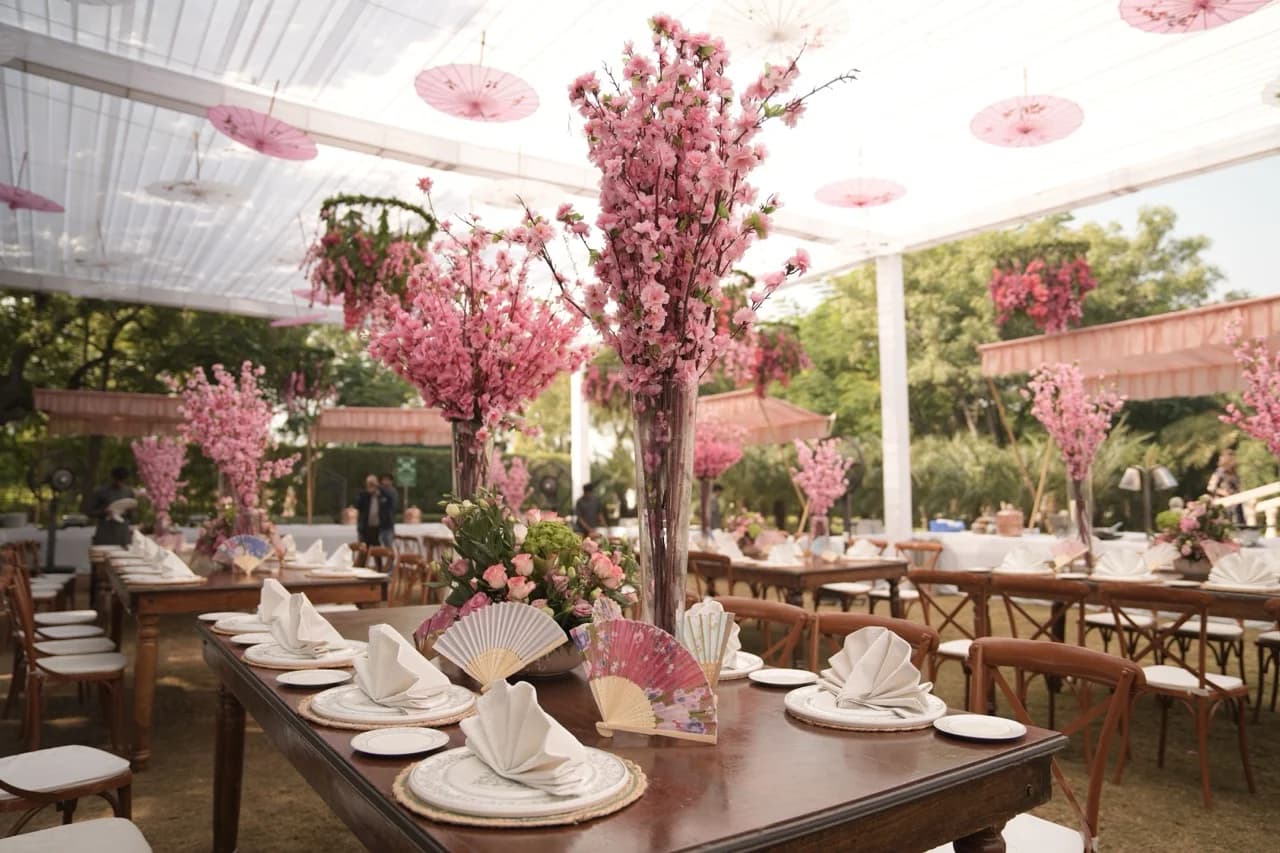
Table setting. Linen runners and stemmed glassware as shown. The scale of the candlesticks is right, and the dark plates are not.
Label any confirmed element, such as REAL VENUE or REAL DRESS, so vendors know it is fixed. You may also mark each image as a must-have or open to ideas. Our guide to approaching wedding vendors offers more on setting a clear tone from the first message.
Each vendor needs the pages that relate to their work, together with the palette and atmosphere words that unify the day. A focused selection serves vendors better than the full board.
Florist. Share florals, the palette, textures and a sense of scale for ceremony and reception pieces. Our guide to wedding flowers cost explains how scope shapes a florist's proposal.
Stylist or hire company. Share furniture, lighting, table settings and venue photographs. Our overview of the difference between a wedding stylist, planner and coordinator helps you decide who needs which pages.
Stationer. Share typography, paper stocks, envelope details and the palette. Our guide to luxury wedding stationery shows what finishes are possible.
Photographer and videographer. Share light, tone and the moments you want to remember. A look at choosing a wedding photography style can sharpen your references.
Hair and makeup artists. Share the attire, lighting and skin finish you prefer. Our guide to finding your bridal makeup look is a helpful companion.
Planner or coordinator. Share the full board and the list of confirmed elements, so they can keep every vendor aligned. Here is what a wedding planner does across the planning process.
Venue. Share layout and installation ideas early, so the team can confirm what is feasible.
The mistakes that most often confuse vendors are overcrowded boards, competing styles, unedited image collections and missing notes. Each one can be fixed in an afternoon.
Too many images. A board with dozens of unedited images creates visual noise, and vendors cannot tell which ideas matter most. Aim for 10 to 20 images.
Competing styles. Mixing rustic and ultra-modern references without a focal point leaves vendors unsure of your direction. Choose the atmosphere words first and edit to match.
An unedited collection of saved images. A board that has grown over many months often contains contradictions. Return to it, remove what no longer fits and keep the strongest selection.
No annotations. Images without notes invite interpretation. A line on what you love and what to avoid prevents misunderstandings.
Outdated inspiration. Once the venue or attire is confirmed, replace inspiration images with real photographs, so vendors design around what is true.
Images that cannot be replicated. Some online images are digitally generated, styled with out-of-season blooms or created for a specific light and location. Ask your vendors what is achievable for your date and venue.
Update your wedding mood board each time a major element is confirmed, so it always reflects the plan wedding mood board for vendors are working to. Label the version with a date and share the latest copy with everyone at once.
Once you have settled on a direction, step back from browsing. New ideas will keep appearing, and your vendors will tell you about anything relevant to your day. Committing to your chosen direction keeps the celebration cohesive.
Using one shared board in Wonderland Studio, alongside our wedding planning tools, helps your planner and vendors work from the same version. For celebrations abroad, our guide to choosing wedding vendors abroad explains how to share boards across time zones.

A wedding mood board for vendors gives every partner the same picture of your day, and that shared picture shapes the quality of what they create. When the board is edited, annotated and kept current, vendors can spend their time on design and detail.
At Wedded Wonderland, we help couples shape and share their vision. Wonderland Studio brings your decor boards, shortlists and timeline together, and our comparison of mood board tools is a helpful starting point.
Our Wedded Concierge service supports couples who would like help shortlisting and briefing specialists, and our vendor directory is a good place to begin. For couples planning a celebration abroad, we also offer destination wedding packages that bring venue and vision together.
Written by

Editor & Content Writer
Jillian Arambulo is the Editorial and Content Writer at Wedded Wonderland, specialising in branded content strategy. Her writing spans luxury lifestyle, travel, culture, beauty and emerging trends, bringing together comprehensive guides and features that connect readers with the places, ideas and experiences worth discovering.
Search real weddings, venues and vendors from around the world.
Search Wedded Wonderland