You've sorted the guest list, finalised the seating chart and somehow managed to fit everyone around the reception tables. Then comes another question: where exactly do the wedding vendors sit? Should the photographer get a place beside your cousins? Does the DJ need to be included in the headcount? And is it rude to send the people who helped make the day happen to eat somewhere behind the scenes?
The short answer is that wedding vendors should be fed and given somewhere comfortable to sit, but they do not necessarily need a seat at the reception tables with your guests. It's a small planning detail that deserves a little attention, especially when these are the people working behind the scenes to keep your celebration running smoothly.
A good wedding team makes all the difference, and coordinating their needs is part of the planning process. Wonderland Concierge can help couples connect with trusted wedding professionals and navigate the practical details that make a celebration run more smoothly, including the arrangements that happen away from the spotlight.
Let's get one thing straight: providing a meal is generally expected for vendors working through the reception, but that does not mean they need to be seated among your wedding guests.
Photographers, videographers, planners, DJs and entertainment teams can spend much of the day on their feet, often working through the very hours when everyone else is enjoying dinner. They need a proper break and somewhere to sit down and eat. However, a designated vendor table or nearby staff room is usually more practical than adding them to the guest seating chart.
Think of it as giving them a comfortable place to recharge without taking away a seat intended for a friend or family member. It is not about excluding them from the celebration. It is about recognising that they are there in a professional capacity.
The general rule is to provide meals for professionals who are working for an extended period and staying through the reception dinner. This commonly includes:
Photographers and videographers: They may be covering everything from the getting-ready preparations to the final moments on the dance floor.
Wedding planners and coordinators: They are overseeing the timeline, managing suppliers and handling last-minute details throughout the celebration.
DJs and sound technicians: They are responsible for keeping the entertainment running and making sure the reception sounds as good as it looks.
Live bands and performers: Depending on their schedule, they may need a meal before their performance or during an agreed break.
Photo booth attendants and other reception entertainers: If they are working through dinner, they should be included in the vendor meal count.
Meanwhile, vendors who finish their work before the reception, such as florists who have completed the setup or hair and makeup artists who leave after preparations, may not need a dinner meal. The important thing is to consider how long each person will be working and whether their shift overlaps with mealtime.
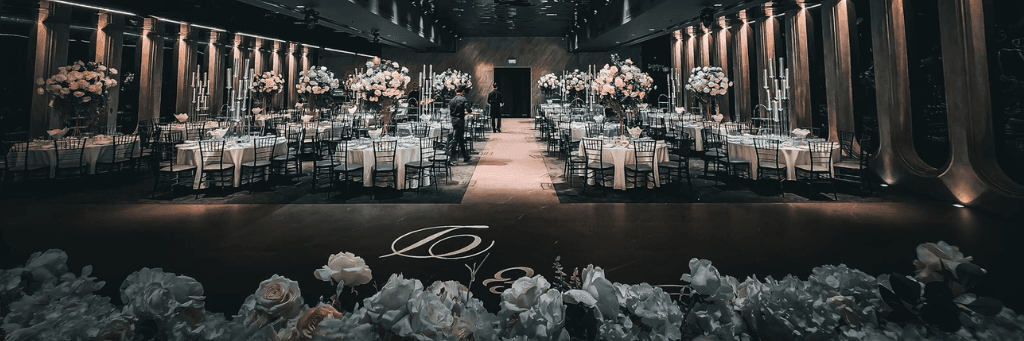
A separate vendor table is usually the easiest arrangement. It can be placed near the reception area, at the back of the room or in a designated space where the team can eat without being in the middle of guest activities.
If the venue has a green room or staff dining area, that can work too. Just make sure it is close enough for vendors to return to their duties when needed. Photographers and videographers, in particular, may appreciate being within reach of their equipment and having a clear route back to the reception.
For smaller weddings with limited space, a nearby table can be a perfectly reasonable solution. The goal is to provide a proper place to eat, not to create an elaborate seating arrangement for the supplier team.
Timing matters more than couples might realise. For photographers and videographers, dinner is often a natural pause in the day's action. While guests are eating, there are generally fewer important moments to capture, making it a sensible time for the team to take a break.
Ideally, vendor meals should be served around the same time as the couple and guests, or according to a schedule agreed upon with the planner and caterer. This gives the team enough time to eat before the speeches, first dance, cake cutting and other reception highlights begin.
Entertainment teams may need a different arrangement. A band, for instance, could eat before its set or during a scheduled break, while a DJ may be able to step away during a quieter part of dinner. The important thing is to coordinate the timing rather than leaving vendors to squeeze in a meal whenever they find a spare moment.
Not necessarily. Many caterers offer a separate vendor meal at a different rate, which can be a more practical option for couples managing their reception budget. It does not have to match the guest menu course for course, but it should be a proper, filling meal rather than a few leftover appetisers.
Before finalising your catering numbers, check each vendor's contract. Some agreements specify whether a meal is required, what kind of meal should be provided and how many members of the team need to be included. A photographer arriving with a second shooter, for example, means you may need to account for two meals rather than one.
It is also worth confirming dietary requirements in advance. A quick conversation with each supplier and your caterer can prevent an awkward situation on the day.
There is nothing inherently wrong with it, particularly for intimate weddings where the vendor is also a friend or someone personally close to the couple. Some couples may even prefer having their photographer or planner nearby because they have become part of the wedding-day experience.
However, it should be a deliberate choice rather than an expectation. Vendors are working, and sitting among guests may make it harder for them to move around, access their equipment or step away when their responsibilities call. A photographer who needs to get up repeatedly during dinner, for example, might find a separate table more practical.
If you do want to invite a vendor to sit with your guests, ask whether they are comfortable with the arrangement. Their preference and the nature of their work should be part of the decision.
At the end of the day, wedding vendors do not need a place at the head table to feel appreciated. They need to know that their time, effort and basic needs have been considered. A proper meal, a comfortable seat and a well-timed break are small gestures that can make a long working day much easier.
So, when you're finalising your reception seating chart, remember to account for the people working behind the scenes, too. They may not be on the guest list, but they certainly deserve a place to sit down and eat.
Search real weddings, venues and vendors from around the world.
Search Wedded Wonderland