
German weddings range from a porcelain-smashing party to a log sawn in half. Wedded Wonderland groups German wedding traditions according to when it happens and what it means. We also explain the Standesamt, the civil registry office where the legal marriage happens. This is the German chapter of our guide to wedding traditions worth keeping.
Traditions in Germany vary from region to region, and not every couple holds every custom. The Local notes that German weddings tend to be smaller, often around 100 guests or fewer. Rather than a large bridal party, each partner usually chooses one trusted witness (Trauzeuge or Trauzeugin), who can be any gender.
When | Custom | What happens |
|---|---|---|
Weeks before | Hochzeitslader | A hired host who once invited guests door to door and now runs the day |
A week or more before | Polterabend | Guests smash porcelain; the couple sweep up |
Before the wedding | Junggesellenabschied | The farewell to single life |
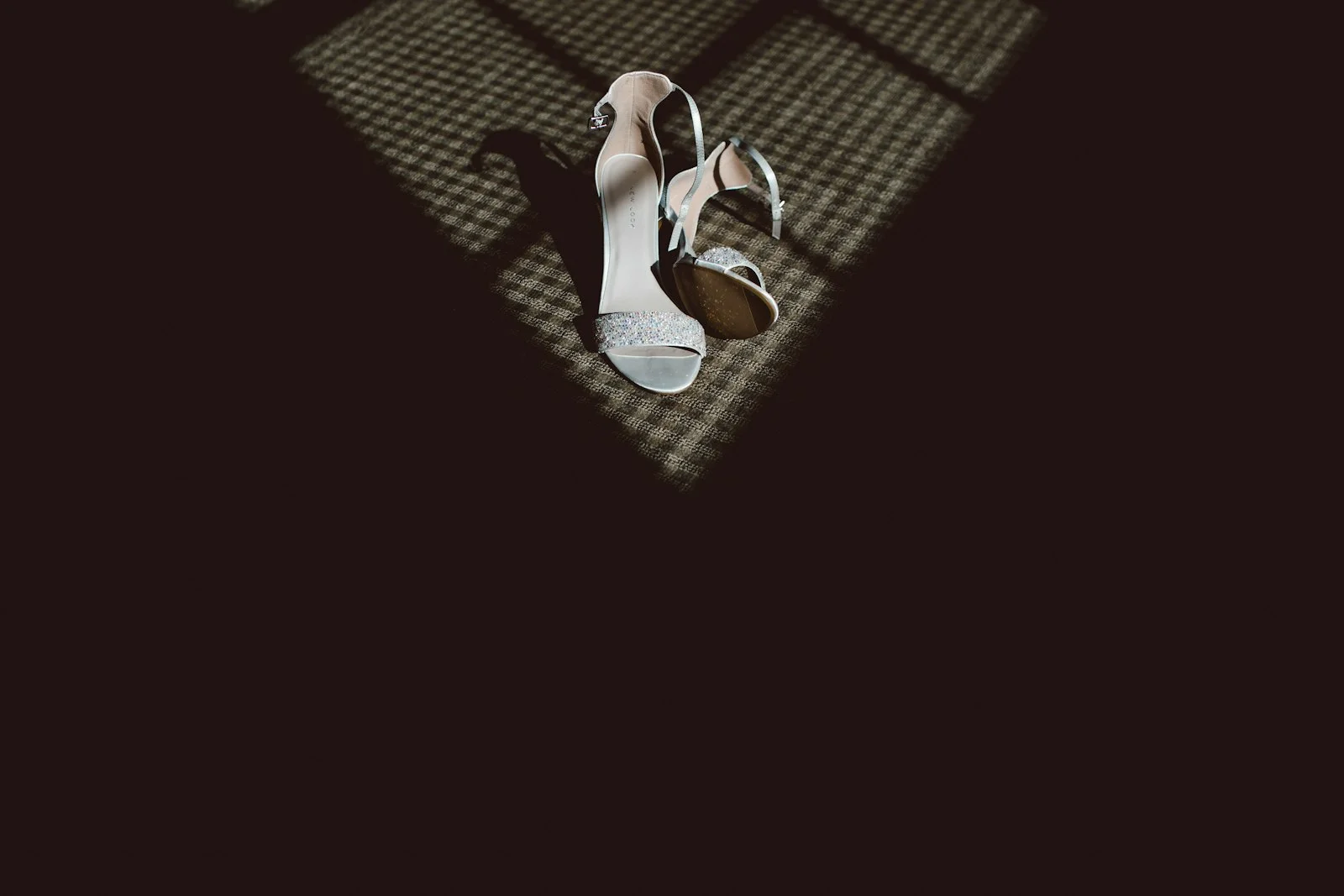
Before the wedding | Brautschuh | The bride's shoes, paid for in saved coins |
The legal ceremony | Standesamt | The declaration before the registrar |
On the day | Rings | Worn on the right hand |
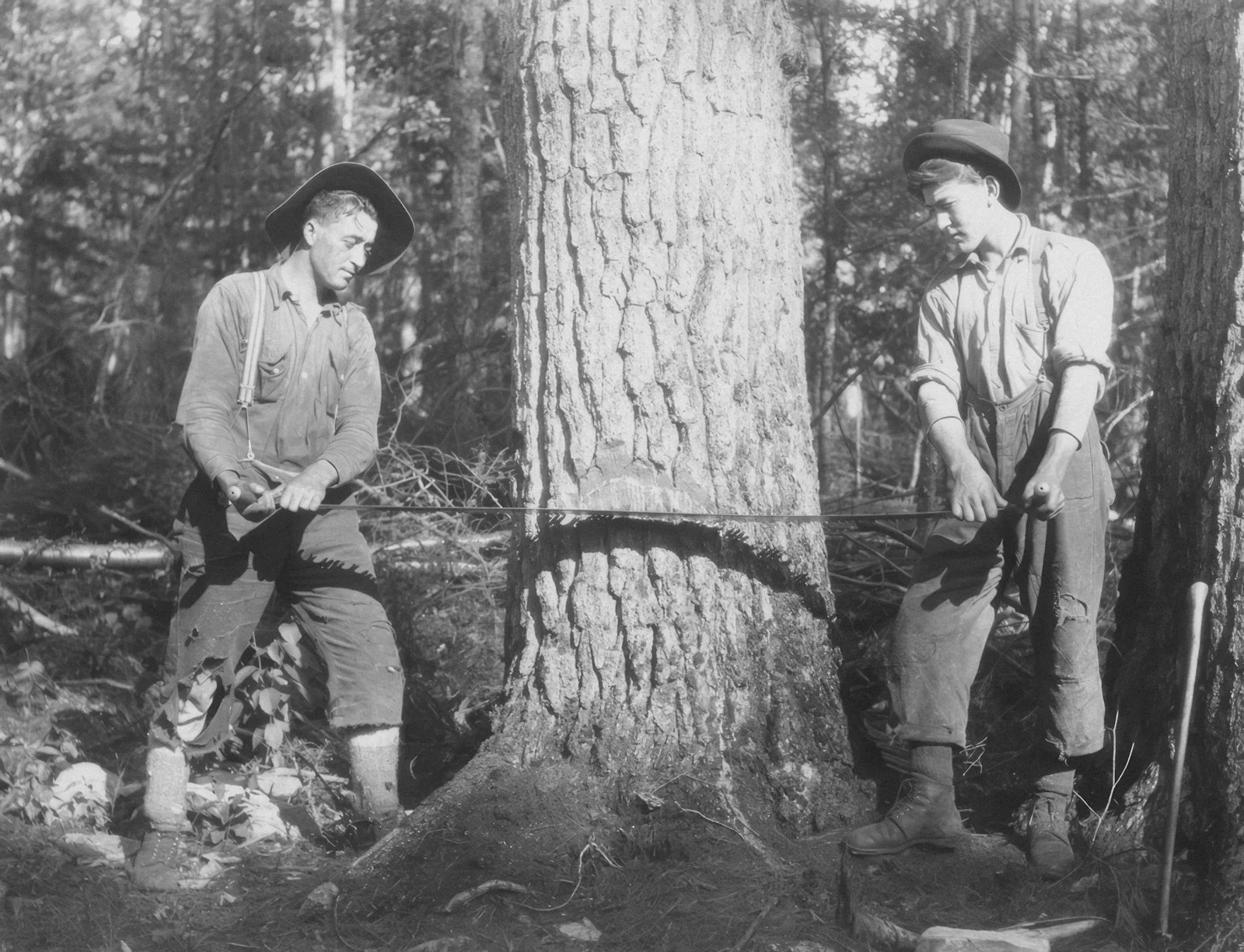
After the ceremony | Baumstamm sägen | The couple saw through a log together |
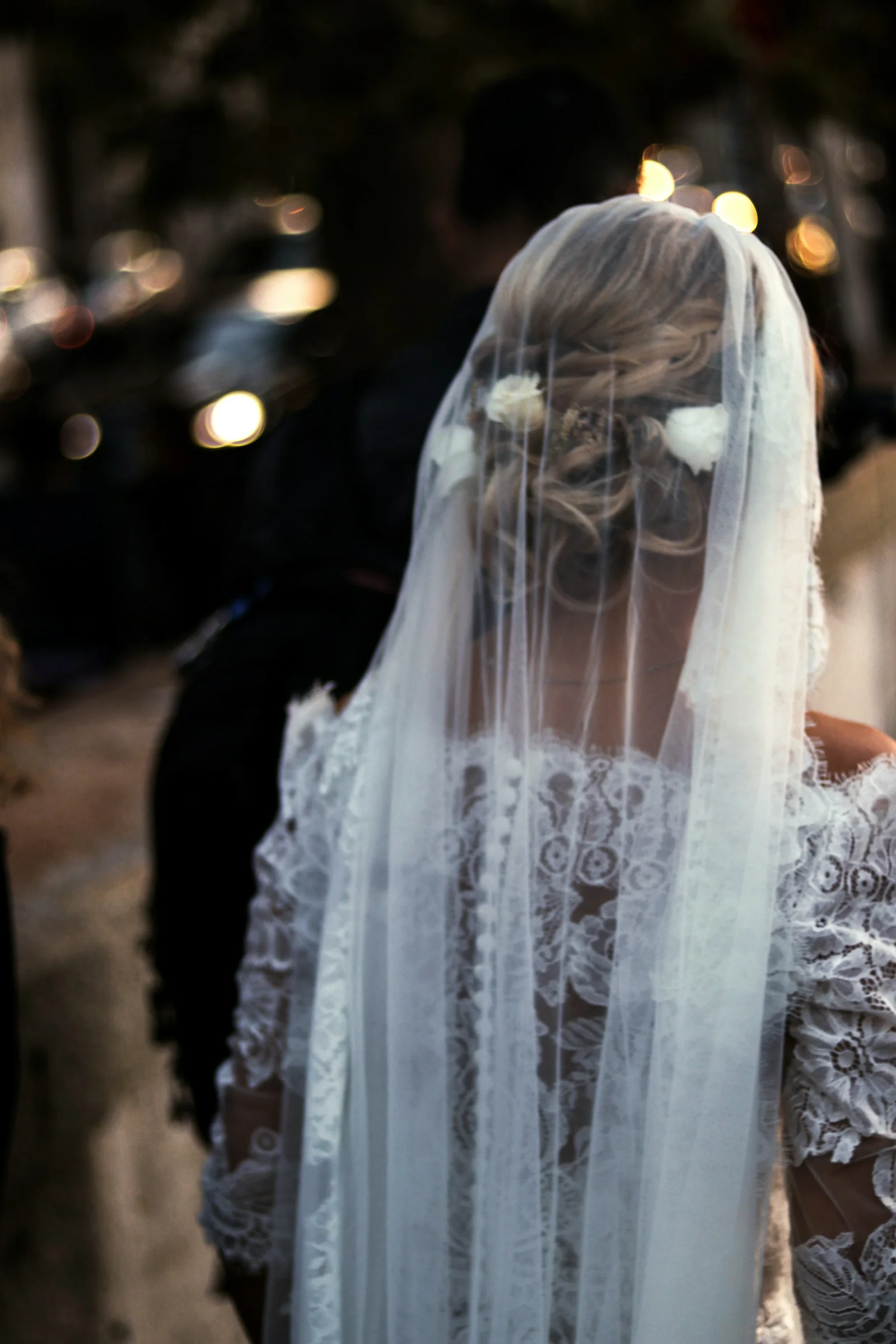
At the reception | Schleiertanz, Brautentführung, Hochzeitsherz | The veil dance, the bride "kidnapping", cutting the heart |
Around midnight | Cake | The couple cut the cake together |
For context, nearly 350,000 marriages were registered in Germany in 2024, though marriage there is in long-term decline.
German celebrations start well before the ceremony day. Here are the customs that come first, from the Polterabend party to the bridal shoes.
The name says it plainly. "Poltern" imitates a loud crash, the same root as Poltergeist, and The Local translates Polterabend as the "eve of making a racket". Guests bring porcelain or stoneware and smash it outside the home of one partner's parents or the couple's own home, following the folk saying "Scherben bringen Glück": shards bring luck.
Glass is not used, because it is a symbol of bad luck, and mirror shards are said to bring seven years of it. The noise is meant to drive away evil spirits. There is a quieter reading too: in potters' usage, "Scherbe" once meant any fired clay vessel, so the saying first referred to full storage jars, a sign of plentiful supplies, rather than broken pieces.
When the smashing is over, the couple sweep up the shards together and throw them away. Its age is often told as pre-Christian, but even the Bavarian heritage wiki that mentions this only says "probably" and offers no evidence.
The timing has shifted. Historically the Polterabend was held the day before the church wedding; as parties grew (80 to 150 guests was common in the 1980s and 1990s), it moved to at least a week before and became a celebration in its own right. Formal invitations are traditionally not sent: word spreads, and whoever comes is welcome.
For a destination wedding in Germany, that makes the Polterabend a natural welcome party for local friends and family. Plan where the porcelain will be broken and who supplies the brooms, since the clean-up is part of the custom. If many guests are flying in from Australia, consider the timing and where they are staying, and plan seating and a smooth path away from the shards for older relatives.

The Junggesellenabschied sends the groom-to-be off from single life; the word translates as "farewell to bachelorhood". The bride's version, the Junggesellinnenabschied, is now just as common.
A typical evening involves matching printed T-shirts, several pubs, and the guest of honour selling small items to passers-by, such as shots from a tray. Weekend trips to a city or a holiday region are increasingly popular.
Before postal services, a Hochzeitslader went from house to house to invite each guest in person, carrying a decorated rosewood staff. Depending on the area he was also called Prograder, Progoder, Schmuser, Ehrvater or Hochzeitsbitter.
The staff carried silk or paper ribbons, and the Bavarian heritage wiki gives each colour a meaning: red for love, blue for fidelity, green for hope and white for virginity. At every house he recited a rhymed invitation, and because each household offered a drink and a snack, the rounds could take several weeks.
Bavarian public broadcaster BR says that in the Rupertiwinkel and Chiemgau, cattle dealers once matched couples and carried the invitations, hence the name. The first are said to date from the early 17th century, and the custom is still widespread across south-east Bavaria.
Today invitations are printed cards, and the role lives on during the day itself: forming the procession, hosting, singing humorous rhymed songs (Gstanzl) about the guests, and running the games. Couples book him much as you might book an MC, and he usually helps with preparations. If you are marrying in south-east Bavaria, ask your venue whether one is used locally.
The tradition of a bride paying for her wedding shoes in saved small coins dates from when women managed the household money. Girls saved from school age for their trousseau, and paying in coins showed a thrifty, steady wife. It was a statement about managing money, not a luck charm.
Few girls save cents for this today, although many who were girls in the 1970s and 1980s kept a jar of coins for it. It makes a lovely story for a speech, even if the shoes are paid for by card.
This is the part that matters most for an Australian couple. As at November 2026, section 1310(1) of the German Civil Code (BGB) says a marriage is concluded only when the couple declare before the registrar (Standesbeamter) that they wish to marry each other. In practice, the civil ceremony at the Standesamt is the legal marriage, and a church or celebrant ceremony on its own does not create one.
So plan in that order: secure the Standesamt first, then build the church, garden or celebrant ceremony around it. Whether both happen on the same day is something to check with the Standesamt and your venue.

As at November 2026, the City of Hannover's official service page says foreign nationals marrying in Germany must in principle present a certificate of no impediment to marriage (Ehefähigkeitszeugnis) from their home country. The aim is to stop a marriage being valid in Germany but not recognised at home.
The same page says an exemption (Befreiung) can be sought in individual cases, for example for nationals of countries whose authorities do not issue such certificates. It is applied for only through the Standesamt when you register the marriage, decided by the President of the Higher Regional Court (Oberlandesgericht) for that district, and valid for six months. A fee applies, even if the application is refused or withdrawn, and processing time varies; the City of Hannover's service page sets out the details.
Hannover is clear that the Standesamt is always the contact for questions and for the list of required documents. The page does not cover notice periods, translations or whether the ceremony can be held in English, so check these with the Standesamt where you plan to marry.
As at November 2026, Smartraveller says some countries ask you to prove you are not already married, each decides what proof it accepts, and the most common documents are a Certificate of No Impediment to Marriage (CNI) and registry certificates. DFAT can issue a CNI in Australia, but some authorities only accept one issued locally, so ask the destination's embassy or consulate whether you need one, where to get it, and whether it needs an apostille.
Local authorities may also ask for divorce papers, a deceased spouse's death certificate, and your original birth certificate and passport. Smartraveller notes that DFAT cannot tell you what you will need, and points you to the destination's embassy or consulate. For Germany, Smartraveller points to the German Embassy in Canberra for entry questions, with consular help through the Australian Embassy in Berlin and the Consulate-General in Frankfurt.
On travel, Australians can visit the Schengen area for up to 90 days in any 180-day period without a visa, and the EES now records fingerprints and a photo on arrival, which may slow the border. See Smartraveller advice for Germany for current detail.
This section is general information, not legal advice. Check current requirements with the Standesamt where you plan to marry before you book.
A few small customs mark the ceremony itself. They cover the rings, a familiar rhyme and what brides wear.
According to The Local, both partners in Germany wear their wedding rings on the right hand. An engagement ring, if there is one, is generally worn on the left and then moved to the right after the ceremony, or no longer worn.

"Something old, something new, something borrowed, something blue" is widespread in Germany, though it came from the English-speaking world in the Victorian era. The German version usually drops the silver sixpence in the shoe, so it is known as the "4 Dinge der Braut", the bride's four things.
The long white wedding dress only became generally accepted in Germany in the 1930s, spreading out from the cities. Until the early 20th century, rural brides wore a black festive dress with a white veil for a church wedding. Beyond that, style is personal, and we would not generalise about gowns.
Games starring the couple have a long tradition at German weddings and largely take the place of English-style speeches. Expect to be put to work.
After the ceremony, the couple face their first challenge together: one on each side of a long two-handled saw, they cut a log in half. They have to push and pull in rhythm or the saw jams, which is the point: it stands for the co-operation a marriage needs. On the way to the party, guests often follow in cars with decorated antennas, horns honking.
At some point after the ceremony, close friends "kidnap" the bride and take her from bar to bar while the groom tries to find them, sometimes leaving him the bill. The wedding witness may help. In Bavaria, the heritage wiki describes the same idea as Brautverziehen, with the groom completing a task to win her back.
The Local describes the couple dancing under the bride's veil; when the music stops, single women try to tear off a piece; whoever holds the biggest is said to marry next. In one variation, guests throw money into the veil to buy a dance with one of the newlyweds.
Another well-established task: the couple cut a heart out of a sheet held up by guests.
Sometimes a bride's shoe is quietly taken during the reception and auctioned among the guests, with money dropped into it as it is passed round; the bride gets the shoe and the money back for the new household. The bouquet (Brautstrauß) may be thrown to single women during the party.
According to The Local, midnight is often when the cake is cut, and whoever has their hand on top while slicing is said to "wear the pants" in the relationship.
The customs do not stop at the reception. This section covers gifts and how an overseas marriage is treated back in Australia.
The money customs above, the veil dance and the shoe auction, both steer cash towards the couple's new household. Gift etiquette beyond that varies by family and region, so the couple, or their parents, are the best guide to what is expected.
Smartraveller says, as at November 2026, that you cannot register an overseas marriage in Australia, but in most cases it is legally recognised if it was valid where it took place and would have been valid under Australian law. A foreign marriage certificate is usually accepted as proof of marriage, but may not work as proof of a name change, and Smartraveller suggests a lawyer to confirm validity. We cover this in more detail in whether you need to register an overseas marriage in Australia.
German customs are regional by nature. A few differences have solid sources:
South-east Bavaria: the Hochzeitslader is still widely booked in the Chiemgau and Rupertiwinkel.
Bavaria more broadly: brides are "kidnapped" at the celebration.
East Frisia, in the north-west: wreaths are woven for weddings.
Across Germany: not every region has a Polterabend tradition.
Austria: the Bavarian heritage wiki says Austria, like Italy and Spain, does not hold a separate Polterabend as Germany does.
We found no source we would stand behind on Swiss wedding customs, so for a wedding in Switzerland, ask your venue and your families. Hamburg's official guide to wedding customs and deutschland.de on German wedding rituals offer further reading, though we have not drawn on them for the details above.
Whether you are honouring a German grandmother with a Polterabend in Sydney or marrying at a Standesamt in Bavaria, choose the customs that mean something to your family and leave the rest. Our guide to wedding traditions worth keeping covers other countries, and a Wedded Advisor is happy to talk through how to weave them into your plans.
Written by

SEO Specialist
Ayrton Christian Braga is an SEO Specialist at Wedded Wonderland, where he writes optimized articles and web pages that center on destination weddings, cultural wedding traditions, and guides for everything in between.
Search real weddings, venues and vendors from around the world.
Search Wedded Wonderland