Weddings in South Africa for foreigners are conducted by an authorised marriage officer, who may be a Department of Home Affairs official or a designated religious minister. Wedded Wonderland coordinates destination weddings across Southern Africa, planning the ceremony around the legal requirements, from Cape Winelands estates to private game reserves.
South Africa recognises three types of marriages: civil marriages, customary marriages and civil unions. Their solemnisation and registration are administered by the Department of Home Affairs.
Foreign nationals can marry in South Africa without establishing residency, provided they meet the applicable legal requirements. Civil ceremonies may be conducted by a Home Affairs marriage officer, while authorised religious marriage officers can solemnise qualifying religious ceremonies.
Same-sex couples can legally marry through a civil union under the Civil Union Act, which provides for marriage between partners regardless of sex.
Couples should distinguish between a legally registered marriage and a symbolic ceremony. A wedding celebrant who is not an authorised marriage officer cannot independently register a legally recognised marriage.
Both parties must be legally eligible to marry, give informed consent and not have an existing marriage that remains legally in force. Age and other eligibility restrictions also apply.
Foreign nationals should check the entry and visa requirements applicable to their nationality before travelling. South Africa does not generally impose a minimum residency period for foreign couples wishing to marry, but the marriage officer should confirm the relevant formalities.
If either partner has previously been married, the officer may request supporting documentation, such as a final divorce order or a former spouse's death certificate.
The precise documentation depends on the couple's nationalities and circumstances. The South African Embassy's guidance for foreign couples identifies the following:
Valid original passports: Both partners should present their original passports to the marriage officer.
BI-130 registration form: The marriage registration form is completed with the marriage officer.
Letter of no impediment: Additional evidence of marital status may be requested, depending on the marriage officer and the circumstances.
Supporting civil documents: Divorce decrees or death certificates may be necessary where a previous marriage has ended.
A foreign national marrying a South African citizen may also be required to complete a BI-31 declaration concerning their eligibility to marry. The Western Cape Government provides further guidance on this process.
Importantly, not every foreign couple is subject to identical document requirements. Some marriage officers request additional declarations or embassy-issued documentation, so obtain written confirmation before travelling. Also check whether any supporting documents require translation, notarisation or legalisation.
South Africa's default matrimonial property regime is marriage in community of property. Unless an ante-nuptial contract is concluded before the wedding, the spouses generally enter a joint estate that includes assets and liabilities.
Couples wishing to marry out of community of property should arrange an ante-nuptial contract through a South African attorney and ensure it is properly executed and registered before the marriage.
Depending on the chosen arrangement, the contract may include the accrual system, which determines how the growth in each spouse's estate is shared when the marriage ends.
This is particularly important for international couples with property, investments or business interests in different countries. They should obtain independent legal advice about the interaction between South African matrimonial property law and the laws of their home countries.
Choose an authorised marriage officer: Confirm their availability, registration authority and specific requirements.
Confirm eligibility: Establish whether either partner needs additional documentation relating to nationality or previous marriages.
Arrange the matrimonial property regime: Consult a South African attorney and complete any ante-nuptial contract before the ceremony.
Prepare the documents: Gather original passports and any supporting declarations or civil documents requested.
Schedule the ceremony: Arrange the appointment, confirm the venue and ensure the required witnesses are available.
Complete the marriage registration: The marriage officer conducts the ceremony, completes the relevant registration documentation and provides the marriage certificate.
Obtain the appropriate certificate: Apply for an unabridged certificate if required for international registration or other official purposes.
Arrange legalisation: Obtain an apostille or certificate of authentication where required by the country in which the marriage certificate will be presented.
South Africa issues a handwritten marriage certificate at the ceremony, free of charge. The first abridged marriage certificate issued by Home Affairs is also free, while additional copies and unabridged certificates attract applicable fees.
An unabridged certificate is particularly relevant when couples need to register their marriage abroad or provide full official documentation to another authority.
Processing times can vary. South African Embassy guidance has previously indicated approximately six to eight weeks for an unabridged certificate, although couples should confirm current turnaround times directly with Home Affairs.
For international use, allow additional time for document legalisation. The Department of International Relations and Cooperation (DIRCO) currently requires appointments for its walk-in legalisation service, with processing dependent on the document and submission method.
Rather than relying on historical fee schedules, confirm current certificate charges and processing arrangements before departure.
A South African marriage certificate can be used as evidence of the marriage when registering it with the relevant authority in the couple's home country.
The required documentation varies by jurisdiction. Some countries require an original unabridged marriage certificate accompanied by an apostille, while others require a certificate of authentication or additional translations.
South Africa's legalisation process depends on the destination country's participation in the Hague Apostille Convention and the type of document being presented. DIRCO advises that the original unabridged marriage certificate is required for its relevant legalisation process; the marriage officer's handwritten certificate and certain abridged printouts are not accepted.
Before leaving South Africa, couples should establish which certificate their home authority accepts and arrange the necessary legalisation accordingly.
Wedded Wonderland plans South African celebrations around the legal requirements and the setting, coordinating the marriage officer, venue, guest experience and travel arrangements.
Explore our destination wedding packages to discover how our team approaches celebrations across international destinations.
Marriage officer: A person authorised to solemnise and register marriages under South African law.
BI-130: The marriage registration form completed with the marriage officer.
BI-31: A declaration relating to eligibility to marry, relevant in certain marriages involving foreign nationals and South African citizens.
Ante-nuptial contract: A legal contract concluded before marriage to establish the matrimonial property regime.
In community of property: The default matrimonial property regime in which spouses share a joint estate.
Unabridged certificate: A full marriage certificate issued by the Department of Home Affairs.
Apostille: An official certificate authenticating the origin of a public document for use in another country that recognises the Hague Apostille Convention.
Certificate of authentication: An alternative form of document legalisation for countries where an apostille is not applicable.
Written by
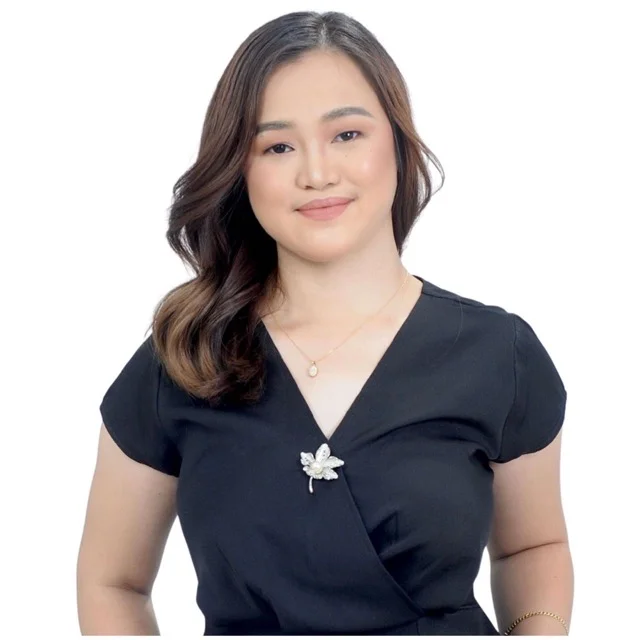
Editor & Content Writer
Jillian Arambulo is the Editorial and Content Writer at Wedded Wonderland, specialising in branded content strategy. Her writing spans luxury lifestyle, travel, culture, beauty and emerging trends, bringing together comprehensive guides and features that connect readers with the places, ideas and experiences worth discovering.
Search real weddings, venues and vendors from around the world.
Search Wedded Wonderland