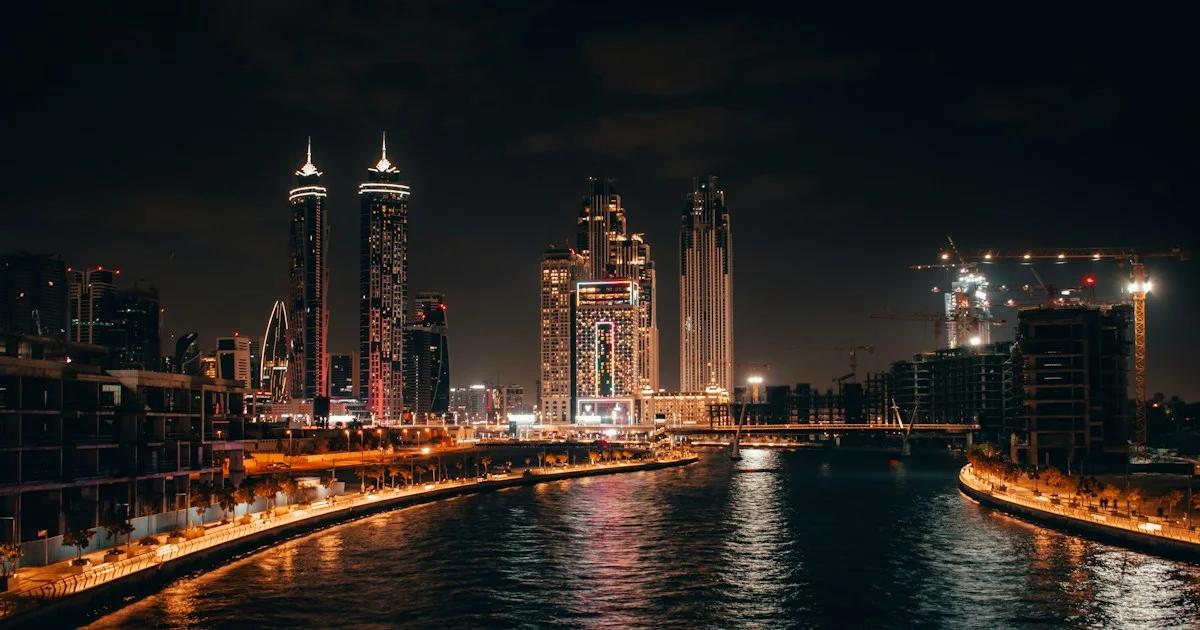
A Ramadan wedding in Dubai is entirely possible, with the holy month bringing a different rhythm to the celebration. Wedded Wonderland coordinates destination weddings across the UAE, where Ramadan influences ceremony timings, venue arrangements, entertainment and guest travel, making an understanding of local customs essential before setting a date.
Ramadan 2027 is expected to begin on Monday 8 February, according to the UAE Astronomy Centre as reported by The National and Gulf News, with Eid al-Fitr expected on 9 or 10 March, subject to moon sighting. Ramadan moves earlier by roughly ten to eleven days each year. The official start is confirmed by the UAE moon sighting authorities, so a final date can only be locked once it is announced. Eid al-Fitr is followed by public holidays across the UAE, and travel and venue demand are high in that window.
Yes, a wedding can take place during Ramadan, because there is no Islamic restriction on holding a nikah or wedding ceremony during the month. Many families choose a simple nikah during Ramadan and hold the larger reception, or walima, after Eid. Couples who prefer to celebrate within the month can host an evening event after iftar, planned around the fasting hours of guests.
Evening celebrations begin after sunset prayer, and the first service is usually iftar, with dates, water and a light first course before the main menu. Daytime events are uncommon, and photography is planned around the late afternoon and evening. Hotels often shift banquet schedules during the month, and ballroom and tent set-ups with majlis seating are popular for iftar-style receptions. Dubai Municipality issues permits to licensed establishments hosting Ramadan tents and outdoor events, according to the Municipality, so a tent reception is a regulated format that the venue arranges.
Many families set the last ten nights of Ramadan aside for prayer and reflection, so celebrations are generally held earlier in the month or after Eid. When guests include observant relatives, confirm the schedule with the family before dates are announced.
Live entertainment and nightlife are often scaled back during the month, and hotels may adjust music policies, so check the venue terms. Guests dress modestly, and daytime eating, drinking and smoking in public spaces is avoided out of respect. Licensed hotels typically serve alcohol after sunset, and some venues limit service during the month, so confirm the position with the venue. Rules and policies change, so confirm current terms at booking.
The four to six weeks before Ramadan and the period after Eid al-Fitr are in high demand for venues and flights. Out-of-town guests should be given dates early, and group travel across Eid needs to be arranged well ahead. Our guide to group travel for wedding guests covers the logistics.
Couples weighing dates can compare the fasting month against the winter peak in our guide to the best time for a Dubai wedding. Planning a Ramadan celebration alongside the legal route is covered in our guide to getting married in Dubai.
A Ramadan wedding rewards early planning and a clear view of what the family wishes to observe. Wedded Wonderland, which partnered with Dubai Tourism on the Get Wedded in Dubai magazine, can shape the celebration around the date, the venue and the guest list.
Iftar: The meal that breaks the fast at sunset.
Suhoor: The meal taken before dawn.
Nikah:The Islamic marriage contract and ceremony.
Walima: The wedding reception hosted after the nikah.
Laylat al-Qadr: The Night of Power, observed in the last ten nights of Ramadan.
Written by

Editor & Content Writer
Jillian Arambulo is the Editorial and Content Writer at Wedded Wonderland, specialising in branded content strategy. Her writing spans luxury lifestyle, travel, culture, beauty and emerging trends, bringing together comprehensive guides and features that connect readers with the places, ideas and experiences worth discovering.
Search real weddings, venues and vendors from around the world.
Search Wedded Wonderland