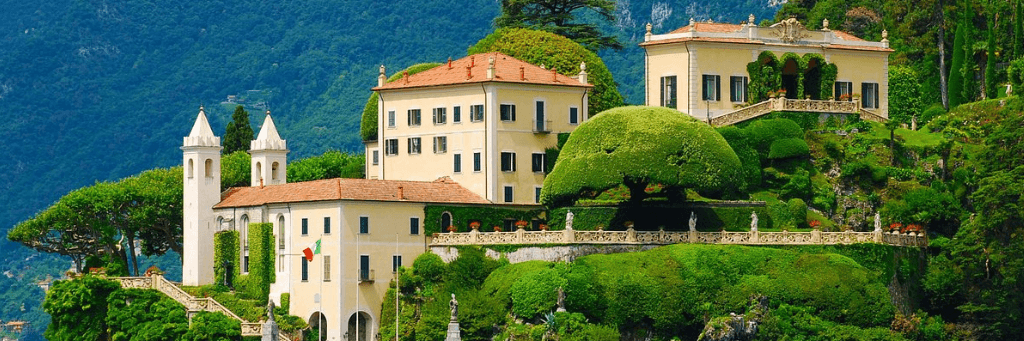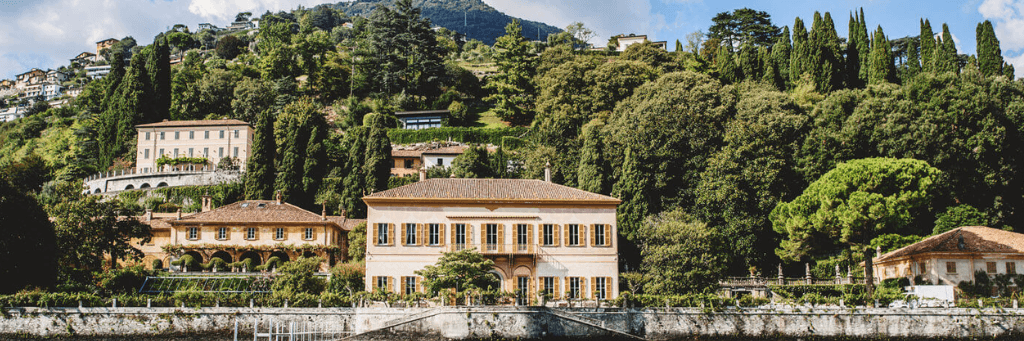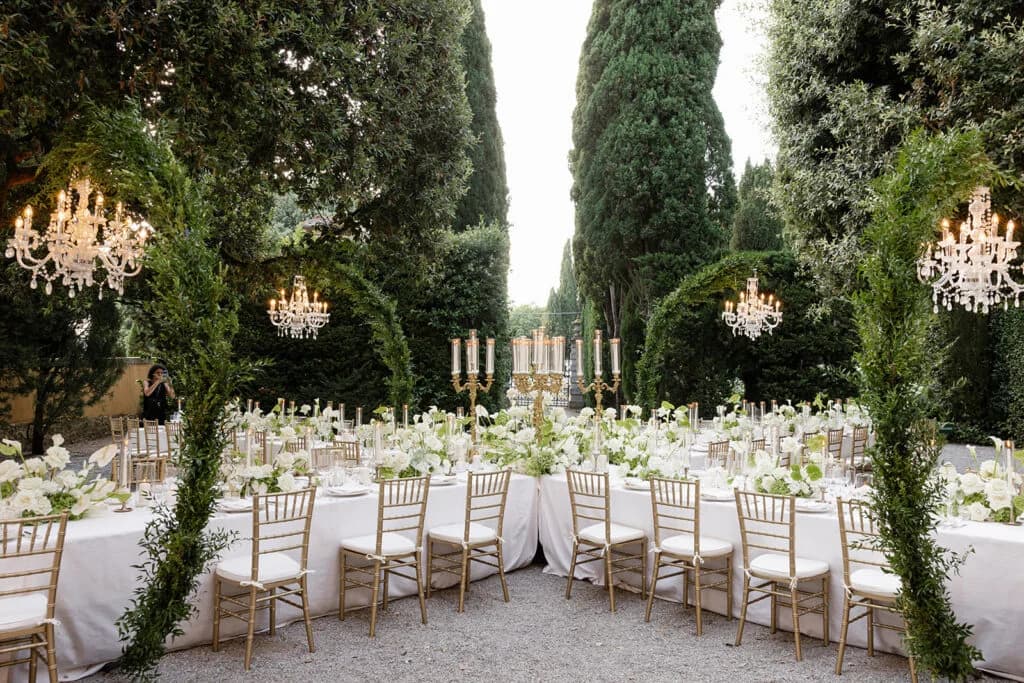
Picture a long table set beneath olive trees older than most countries, candlelight on whitewashed stone and a sea that turns gold at seven in the evening. That is the Puglia wedding, and it is why Italy's quiet south has gone from well-kept secret to the first name on many couples' shortlists.
The region gives you the Italy you have always imagined, with fewer crowds, more room to breathe and a price that leaves something over for the days around the wedding. This guide covers what makes Puglia different, when to marry, where to base yourselves and what to know before you sign a contract.
For years, an Italian destination wedding meant one of three postcards: a villa on Lake Como, a cypress-lined estate in Tuscany or a cliffside terrace above Positano. Puglia, the heel of the boot, was where Italians went on holiday and where very few foreign couples thought to look.
That has changed. Couples who once put Tuscany at the top of their list are now asking for Puglia first, and the reasons are practical as much as romantic. The region is less crowded, less expensive and less heavily booked, and it still gives you the Italy you were imagining.
The light is the same. The food is arguably better. The difference is that you are not competing with every other wedding in Europe for the same September Saturday.

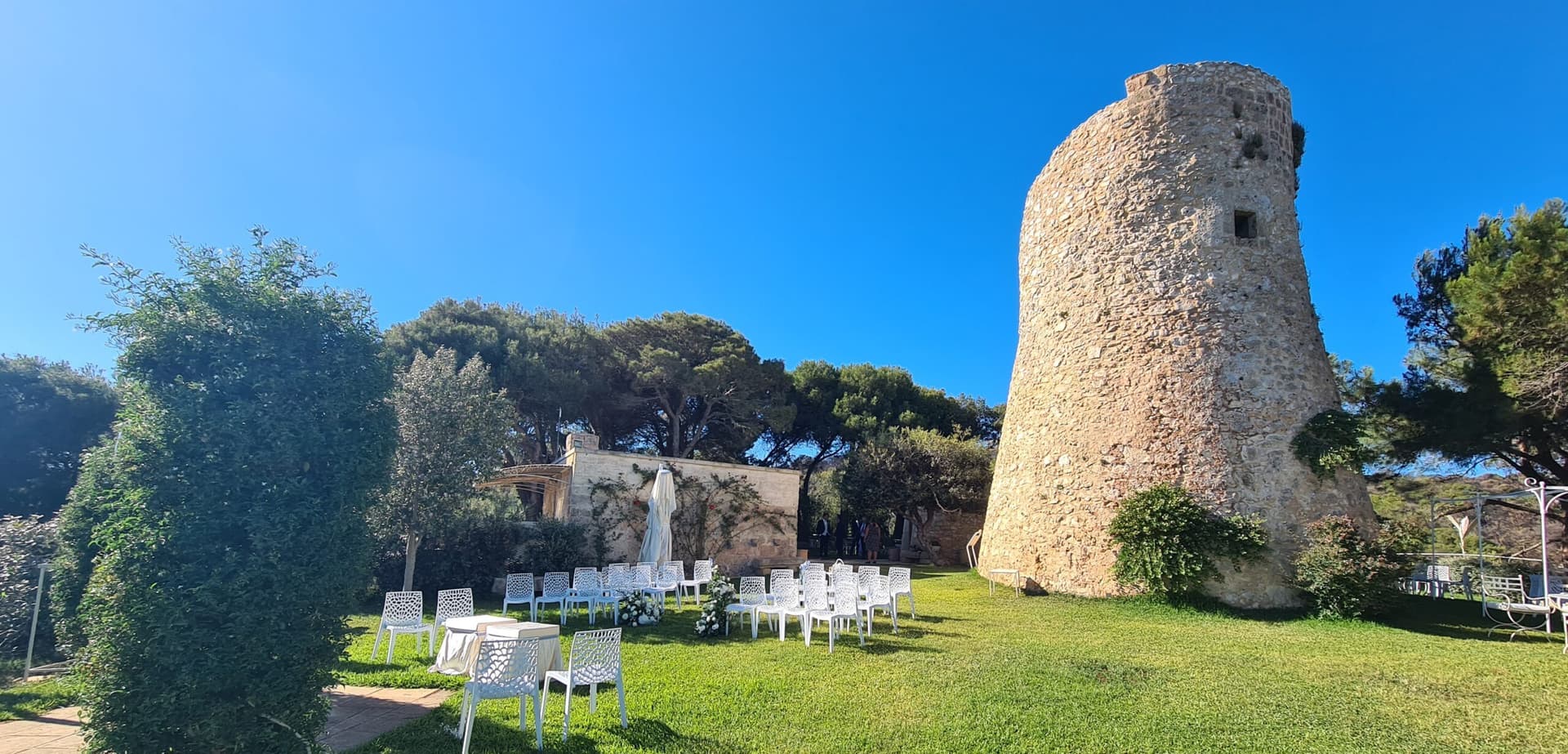
The defining venue is the masseria: a fortified farmhouse, often centuries old, with thick white walls, a central courtyard and olive groves running to the horizon. Many have been restored into boutique hotels with pools, chapels and enough rooms to house your closest guests on site. The ceremony happens in the courtyard or under the trees, dinner runs down one long table, and the party carries on with nobody worrying about noise.
Beyond the masserie, Puglia offers more variety than its reputation suggests. The Itria Valley is the land of trulli, the conical stone houses that make Alberobello a UNESCO World Heritage Site. Lecce, in the south, is a city of honey-coloured baroque churches and palazzi, often called the Florence of the South.
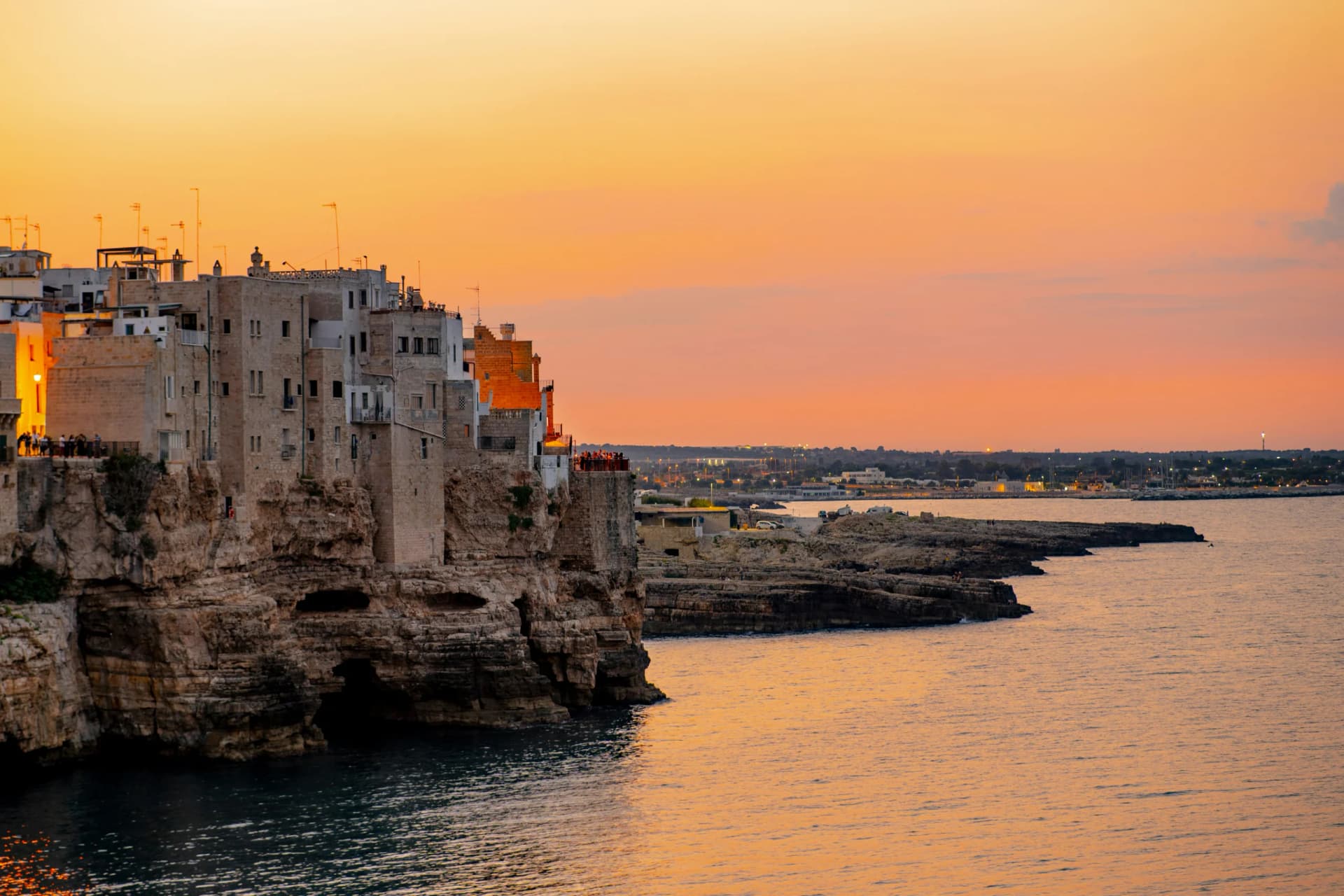
Ostuni, the "white city," sits on a hilltop above the Adriatic, and Polignano a Mare perches on limestone cliffs directly over the sea. You can marry in stone, in a garden, by the water or in a city square, all within a couple of hours' drive of each other.
Browse wedding venues across the region to see how differently each setting photographs.
This is the part couples ask about most, so here it is plainly. A masseria in Puglia will typically cost less than a comparable estate in Tuscany, and considerably less than a private villa on Lake Como. Local suppliers, from florists to caterers, generally price below their northern counterparts, and guest accommodation is generally more affordable.
That does not make Puglia a budget destination. The most sought-after masserie command premium prices and the best weekends still go early. What it means is that the same spend buys you more: more days, more guests on site, more of the extras that turn a wedding into a long weekend. For couples weighing a three-day celebration against a single evening elsewhere, that is often the deciding factor.

Puglia is one of the sunniest and warmest regions in Italy, which is a gift in May and a challenge in August. Late May through June brings long evenings, warm sea and gardens in full bloom. September and early October are the other sweet spot, with the summer crowds gone, the sea still warm and the harvest underway. July and August are possible, but ceremonies move to early evening, and your planner will build the day around shade and water.
Peak-season dates at the most sought-after masserie are commonly reserved 12 to 18 months out. If your date is closer than that, it is still worth asking; relationships with venues often open dates that public availability does not show.
As for where, three areas account for most weddings in the region, and each has a distinct character:
The Itria Valley (Ostuni, Cisternino, Martina Franca, Locorotondo) is masseria and trulli country, inland, rural and the most photographed. It is the classic Puglia wedding.
The Adriatic coast between Polignano a Mare and Savelletri gives you sea views, beach clubs for the welcome party and a cluster of luxury resorts for guests who want a hotel rather than a farmhouse.
Salento, the far south around Lecce, Otranto and Gallipoli, is where you find baroque architecture and two coastlines within reach, Adriatic on one side and Ionian on the other. It is the longest transfer from Bari, though Brindisi is under an hour from Lecce, and it is the most dramatic.
Guests fly into Bari or Brindisi, both international airports with direct seasonal connections across Europe, and most venues are within 60 to 90 minutes of one or the other. Coordinated transfers matter here because taxis are scarce in the countryside.
Legally binding civil ceremonies in Italy must take place in locations approved by the local comune, which is why many couples hold a symbolic ceremony at the masseria and complete the paperwork at home or at a town hall nearby. Our destination wedding guides cover the details, and a planner on the ground will walk you through what applies to you.
Finally, make room in the schedule for Puglia itself. A welcome dinner in a trattoria, a morning at the beach, a day trip to Lecce. Couples who build a three or four-day celebration here tend to say the wedding was wonderful and the days around it were the point. If you are staying on, the region also makes a quietly perfect honeymoon.
Written by

SEO Specialist
Ayrton Christian Braga is an SEO Specialist at Wedded Wonderland, where he writes optimized articles and web pages that center on destination weddings, cultural wedding traditions, and guides for everything in between.