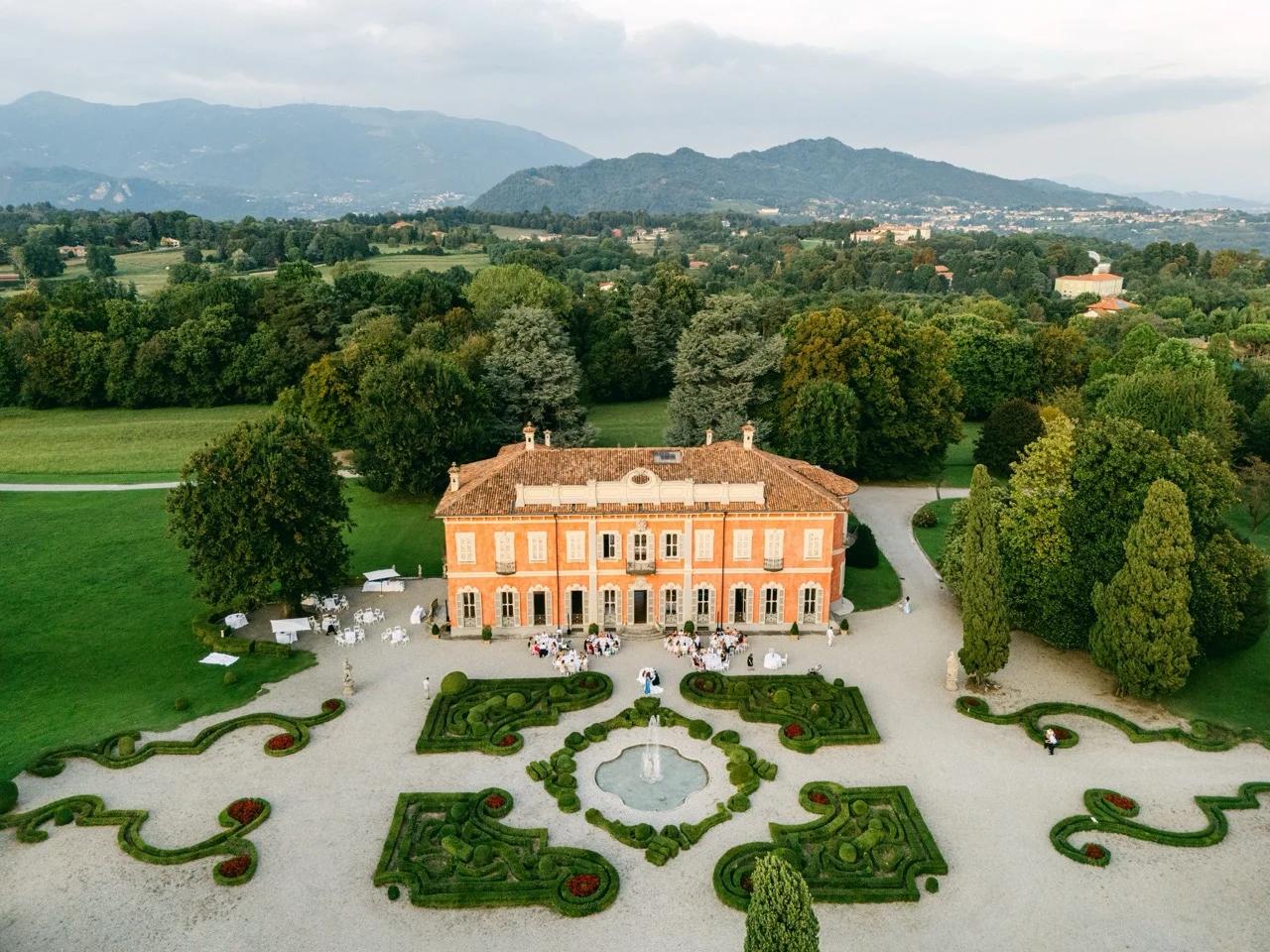
A European wedding offers lake villas, island cliffs, castles and alpine villages. At Wedded Wonderland, we plan European destination weddings for couples who want the setting and the paperwork settled together, and this guide sets out how to choose.
Europe is a patchwork of national rules, and a few points keep the planning simple.
Rules: Each country sets its own marriage requirements, so the legal route is chosen with the venue.
Documents: Foreign documents are often apostilled and translated, and we confirm the list with the registry.
Symbolic ceremonies: Where a civil wedding is tied to residence, many couples marry legally at home and hold the ceremony as a celebration.
Guest travel: Regional airports and short transfers shape the guest experience as much as the venue.
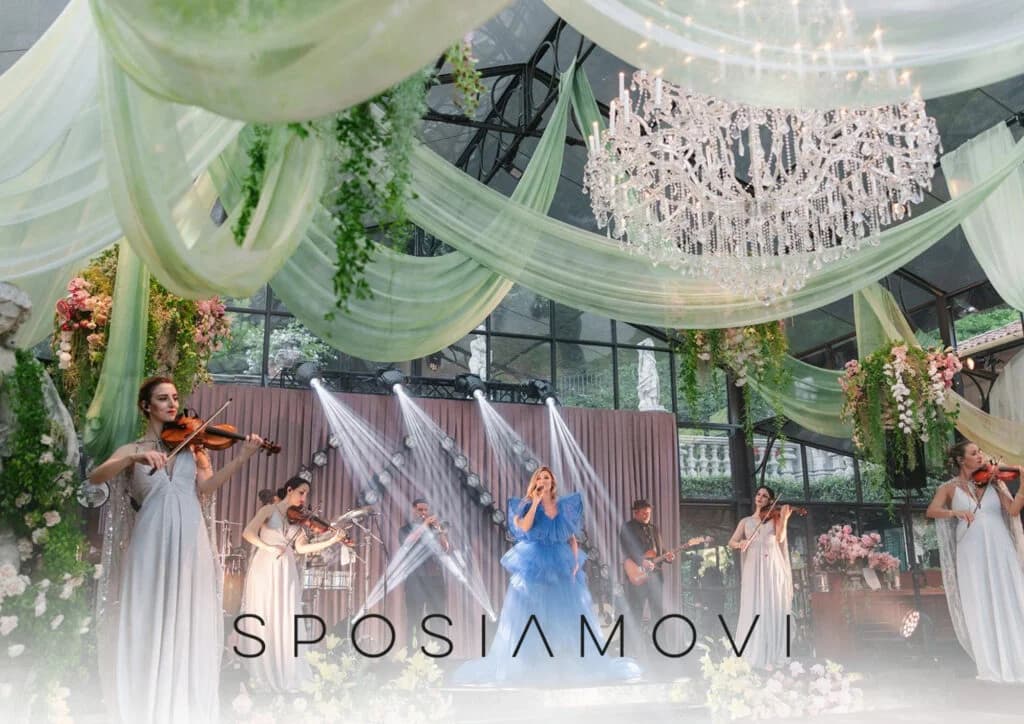
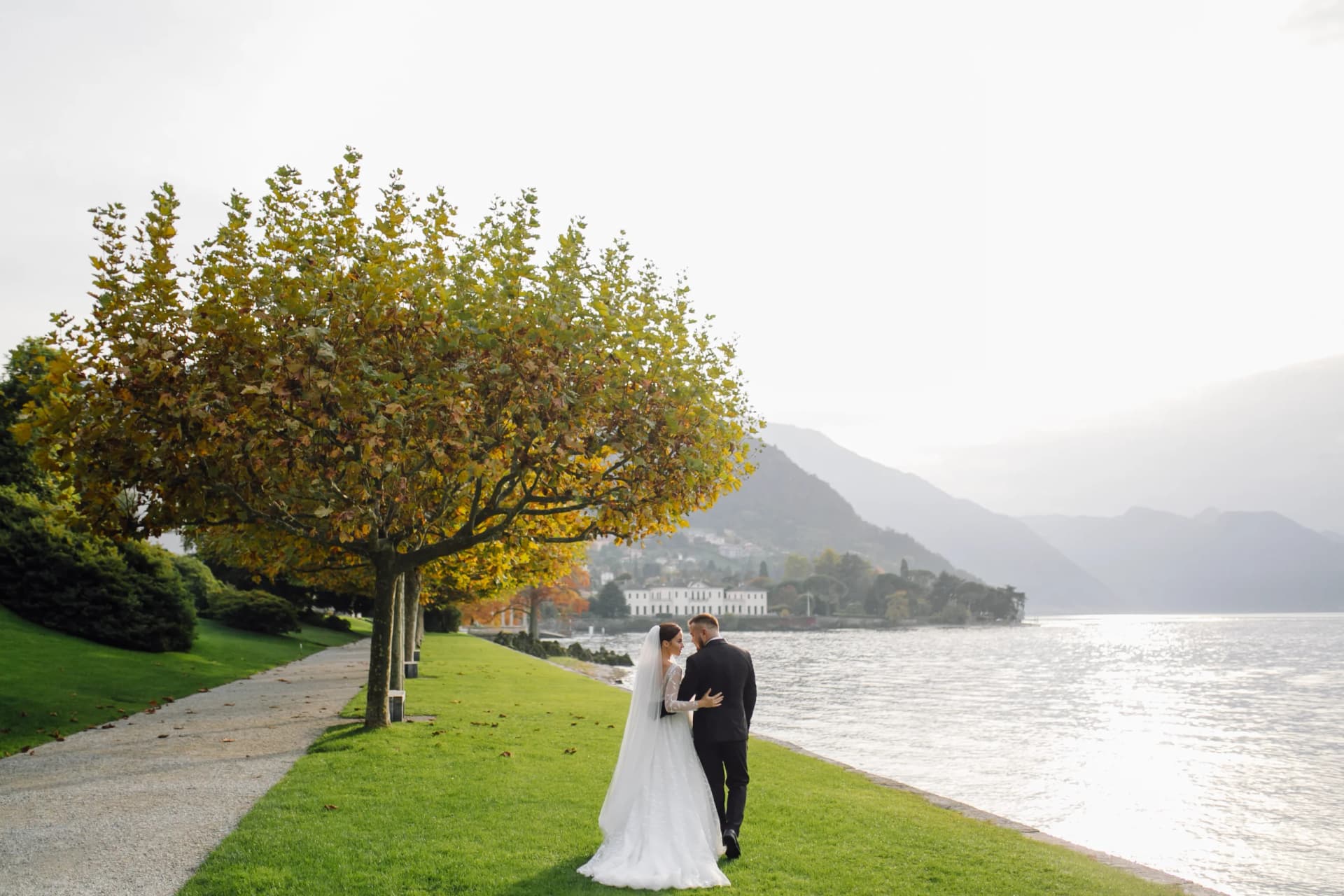
Italy's lake villas give a ceremony terraced gardens and a guest list that arrives by boat.
Setting: Villas on Lake Como and Lake Garda, with ceremonies in the gardens and dinner on a terrace.
Legal route: Italy marries visiting couples, and our Italy legal guide lists the documents.
Next step: Read about a Lake Como wedding or exclusive-use villa weddings.
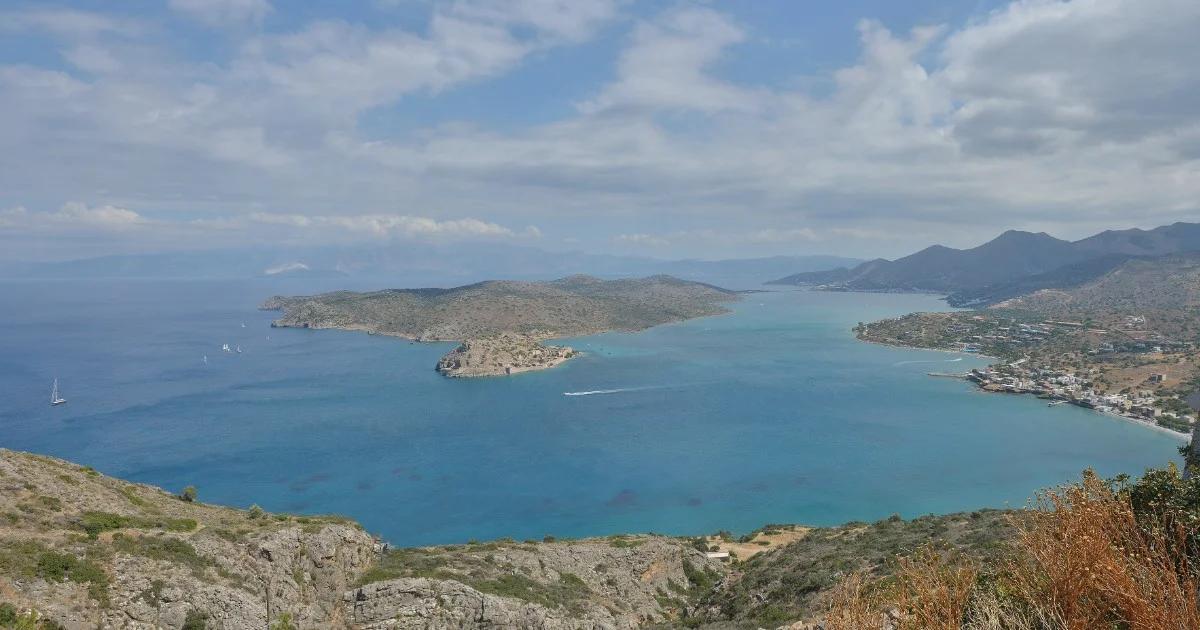
The Amalfi Coast and the Greek islands suit couples who want a ceremony above the sea.
Amalfi Coast: Clifftop hotels and garden terraces, with our Amalfi Coast page showing venues.
Santorini: Ceremonies above the caldera, with our Santorini wedding venues guide comparing the options.
Mykonos: A livelier island setting, covered in our Mykonos wedding guide.
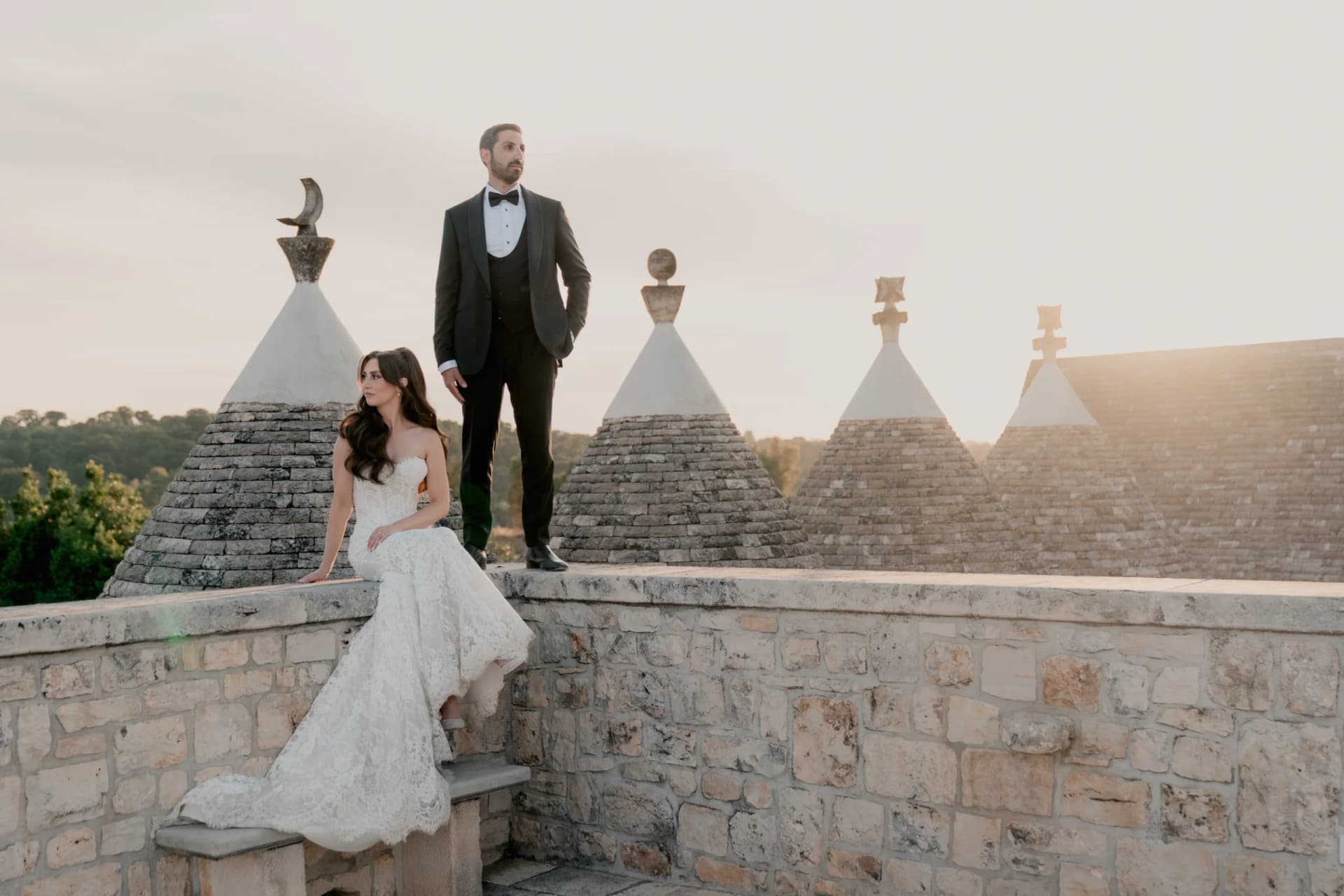
Scotland, Ireland and Tuscany suit couples who want a castle, a country house or a vineyard estate.
Scotland and Ireland: Our guides to getting married in Scotland and getting married in Ireland set out the paperwork.
Tuscany: Vineyard estates and country villas, shown on our Tuscany weddings page.
Austria and Malta each marry visiting couples, and each offers a very different backdrop.
Austria: A foreign couple without residence in Austria can marry at any registry office in the country, according to oesterreich.gv.at.
Malta: Visit Malta says couples need to be in Malta three days before the wedding date, and lists venues from palazzos to vineyards and beaches on its wedding page.
A legal ceremony is open to visitors in Austria, Malta and Portugal, and Italy, Scotland and Ireland follow their own documented routes.
In Portugal, foreign couples start at a civil registry office, a civil registry wedding costs €120 and the couple presents a certificate of capacity to marry issued within the last six months, according to Portugal's civil registry institute. Fees and rules may change, so confirm them with the registry.
France ties a wedding to a lasting link with the town, through the domicile or residence of one of you or of a parent, according to Service Public. A couple without that link can marry legally at home and hold the ceremony in Provence or on the Riviera as a celebration.
Spain sets its own requirements, and we confirm them with the relevant authority before you book.
A European wedding is at its best when the setting, the season and the legal route are chosen together. We coordinate the venue shortlist, the paperwork and the suppliers, and we help your guests plan their travel.
Our destination wedding packages outline what that includes, and our guide to luxury Europe wedding destinations and the 20 Europe wedding destinations list continue the shortlist.
Written by

Editor & Content Writer
Jillian Arambulo is the Editorial and Content Writer at Wedded Wonderland, specialising in branded content strategy. Her writing spans luxury lifestyle, travel, culture, beauty and emerging trends, bringing together comprehensive guides and features that connect readers with the places, ideas and experiences worth discovering.
Search real weddings, venues and vendors from around the world.
Search Wedded Wonderland