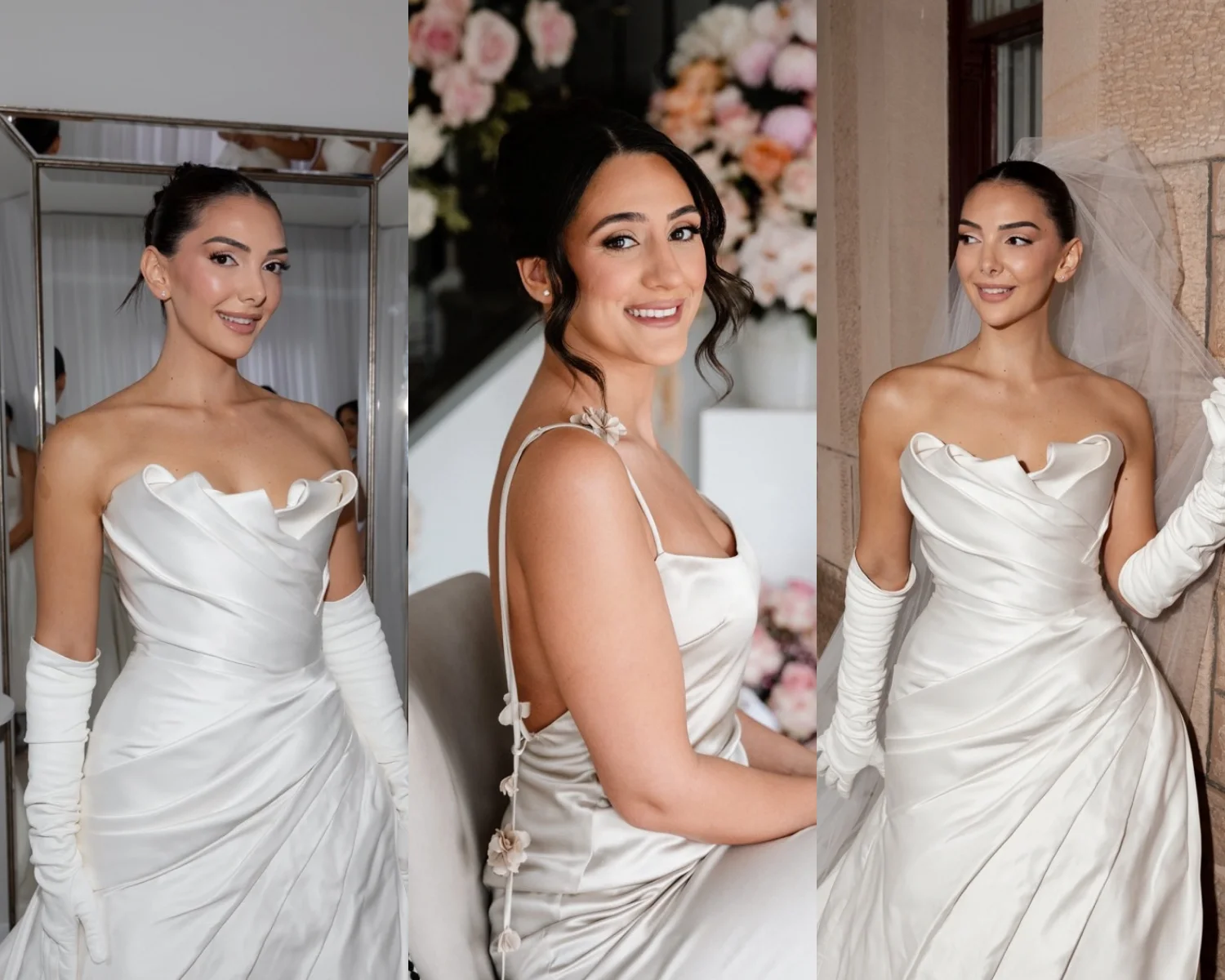
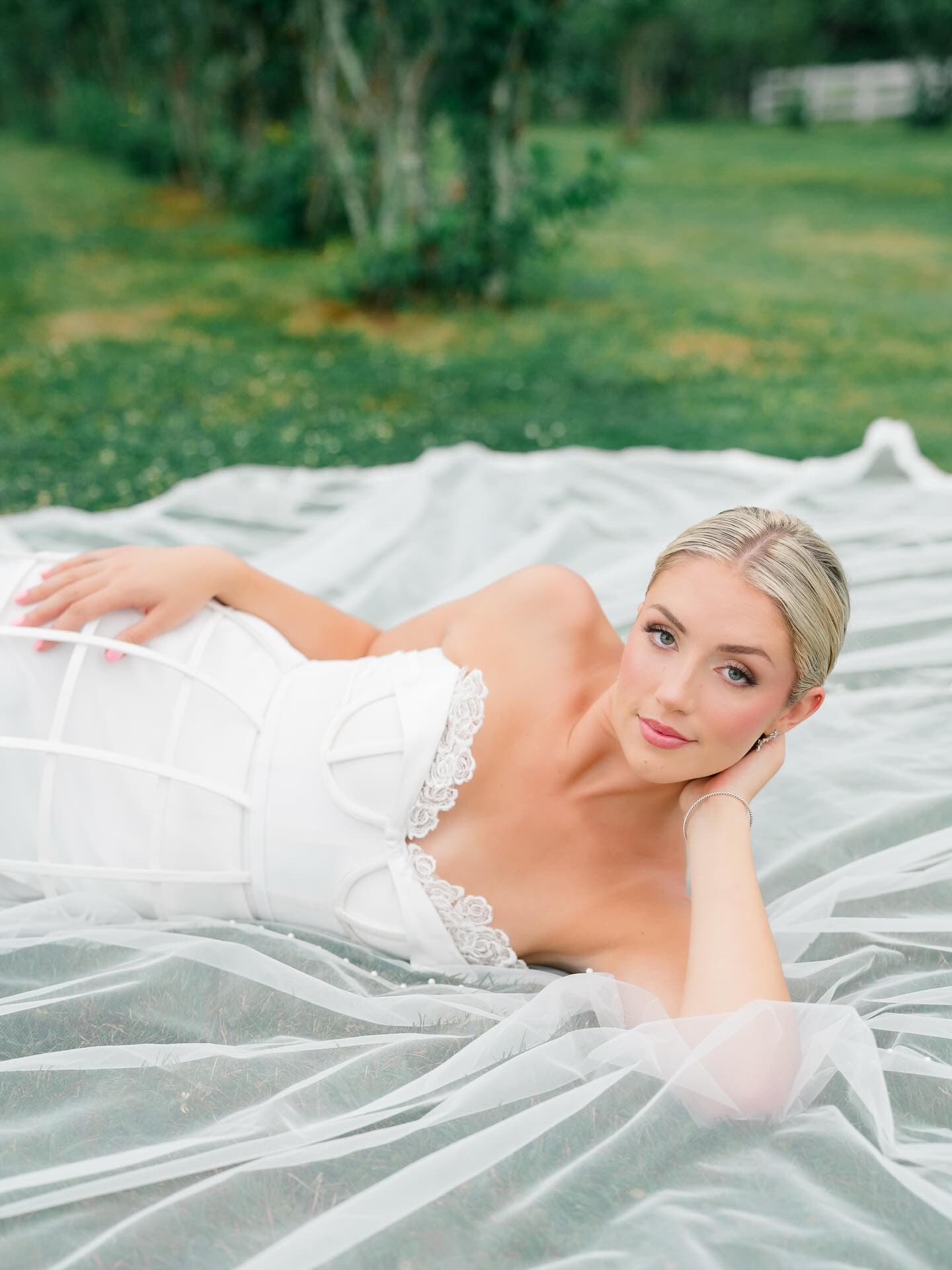
With 17+ years of experience across more than 120,000 celebrations, Wedded Wonderland treats the bridal hair trial and makeup trial as an essential part of the plan, not an optional extra. It is your chance to see the complete look on you, with your veil, earrings and skin, before it needs to last a full day in front of the camera.
A trial shows how your chosen look works with your hair, skin and dress, how long it lasts, and whether you and your stylists are aligned. It also forms an important part of your bridal beauty prep, giving you time to refine the details before the wedding morning.
Inspiration images only tell part of the story. A hair trial tests how your hair takes a curl, holds pins and sits beneath your veil, while a makeup trial checks your foundation in daylight, lash comfort and lip colour. It is also the right time to test makeup for humid weather if your celebration is in a tropical or warm climate.
Your trial also sets the timing for your getting-ready schedule, while giving you space to say what feels right, and what doesn't.
Book your bridal hair trial and makeup trial three to four months before the wedding, once your colour and length are close to final. This leaves time for adjustments and lets you assess the complete look together, including your beauty goals.
Book your artists around six months ahead, or nine to 12 months for in-demand or travelling teams. Make major hair changes before the trial and flag any planned spray tan so your makeup artist can adjust accordingly.
If possible, wear the look to an event to test its comfort and longevity. For destination weddings, arrange a video consultation early and an in-person trial a few days before the wedding.

A trial is only as useful as the conditions you recreate. Bring every element that touches the look, photograph it the way your photographer will, and wear it for as long as you will on the day.
Featured on the photo above is the makeup wedding work of one of our trusted partners, Germaine Makeup.
Photographs of your gown from the front and back, plus your veil, headpiece and earrings.
Clip-in extensions, if you plan to wear them, so they can be placed and blended.
A few images of looks you love, and one or two you don't.
Any products you rely on or know you react to, so your makeup artist can use them or choose a close match.
Wear a top with a neckline close to your dress, and arrive with your hair and skin prepared as your stylists have asked.
Have the bridal hair and makeup look photographed in daylight and with flash, from the front, side and back. Silica-based setting powders, mineral sunscreen filters such as zinc oxide and titanium dioxide, and shimmer can all reflect it, leaving a pale cast known as flashback, which a test shot reveals at once.
Then keep the look on for the rest of the day, because how it looks after eight hours matters as much as how it looks after one. Take a photograph every few hours and note where curl drops, foundation separates or lashes lift.
Seeing your bridal hairstyle and makeup together also shows whether they balance: a strong lip may want a sleeker style, and soft, undone hair may suit a lighter hand on the eyes.
Note what you would change and send it to your stylists within a day or two, while the details are fresh.
Anything new that touches your scalp or skin should be tested well before the trial, not after it. Reactions can be delayed, and a trial is the wrong place to discover one.
Many permanent and semi-permanent hair colours contain paraphenylenediamine (PPD), which can irritate skin or cause allergic reactions. Patch-test dye at least 48 hours before use, as reactions can take up to 72 hours to appear.
A successful bridal hair trial does not guarantee you will not react to colour. Schedule your final colour at least two weeks before the wedding to allow time for any reaction to settle.
Keratin and other smoothing treatments can make hair too slippery to hold curls and pins, so confirm the timing with your hairstylist.
Good bridal skincare starts with consistency. The American Academy of Dermatology recommends testing new products on the inner arm or elbow twice daily for seven to 10 days before using them on your face. Introduce them well before your makeup trial so your skin has time to settle.
Tell your makeup artist about previous reactions, including to lash adhesive. Brow tints, lash lifts and extensions also require patch testing, ideally several days before treatment.
The months between the trial and the wedding are for keeping hair and skin steady, not reinventing them. The aim is to arrive on the day with the same canvas your stylists tested on.
Sleek ponytails and tightly pulled upstyles place constant tension on the hair, and over time that pulling can lead to traction alopecia, a form of hair loss often seen first at the hairline. One day in a sleek style is not a concern. Several consecutive days in one, such as a welcome dinner, the wedding and a farewell lunch, are worth raising with your hairstylist so they can vary the tension. Use a heat protectant consistently and limit high-heat styling where you can.
If injectables are part of your plans, a first treatment belongs six to eight months out, and a regular one no later than a month before the day. From about a month out, introduce no new products, treatments or salons, and avoid chemical peels and retinol in the final week, when they can cause flaking or dryness.
Trials sit at the meeting point of almost every earlier decision, from the gown and veil to the venue, season and running sheet.
Wedded Wonderland coordinate directly with hair and makeup stylists, so trials, timings and travel are scheduled within the wider wedding plan rather than around it. For couples who want structured planning and early alignment, Wedded Concierge begins with a dedicated strategy session before any recommendations are made.
For more destination wedding advice, luxury venues, celebrity weddings and planning inspiration, follow Wedded Wonderland.
Bridal hair trial: A rehearsal appointment to test your wedding hairstyle with your veil and accessories.
Makeup trial: A rehearsal of your wedding makeup, used to confirm shades, longevity and how it photographs.
Flashback: A pale cast on the skin in flash photographs, caused by light-reflecting ingredients in makeup.
Patch test: A small skin test for allergic reaction before a hair colour or new product is used.
Traction alopecia: Hair loss caused by repeated pulling on the hair, often first seen at the hairline.
Written by
Editor & Content Writer
Jillian Arambulo is the Editorial and Content Writer at Wedded Wonderland, specialising in branded content and editorial strategy. Her writing spans travel, lifestyle, culture, beauty and emerging trends, bringing together comprehensive guides and features that connect readers with the places, ideas and experiences worth discovering.
Search real weddings, venues and vendors from around the world.
Search Wedded Wonderland