Weddings vary across cultures, and in Muslim traditions, they are deeply significant life events marked by multiple ceremonies, rituals, and celebrations unique to the couple’s cultural background.
Muslim weddings vary significantly depending on the couple’s region, ethnicity and other cultural influences. The Middle East, South Asia, North Africa and Southeast Asia are key regions that play into this diversity.
For example, South Asian Muslim weddings are often influenced by Indian and Pakistani traditions, and these weddings often feature elaborate decorations, music, and dance. Comparitively, Middle Eastern Muslim Weddings are usually characterized by simpler ceremonies, often with a focus on the Nikah and a reception (the Walima).
In Muslim culture, there are specific pre-wedding rituals such as Henna Night (Mehndi) and variations of engagement ceremonies.
Mehndi or Henna Night is a common tradition in which brides get custom Henna designs on their hands, with styles differing across cultures.
There are many different variations of Muslim engagement ceremonies. For example, in Arab cultures, they perform the Katb Al-Kitab ceremony, which is where they sign the official marriage contract. In contrast to this, in South Asian cultures, Muslims celebrate the Mangni. The Mangni is a formal announcement of the couple’s intention to marry, often involving gift-giving and blessings from families.
Wedding day traditions across Muslim cultures also differ. However, Muslim cultures also have shared traditions such as Bridal attire, the Nikah Ceremony and Mehr (Dowry/Gift).
Bridal Attire in Muslim cultures sometimes features Hijabs, intricate embroidery designs on the dress and jewelry. However, this differs depending on the bride’s traditions and customs.
The Nikah Ceremony is the core Islamic marriage ceremony that signifies the beginning of the marital bond between the couple. Within this ceremony, the couple recites vows, often verses from the Quran, and signs their marriage contract in front of two male witnesses.
The Mehr is a part of the Nikah ceremony and is a unique aspect of Islamic marriages in which the Groom provides the Bride with a gift. The gifts are typically of high value, such as property, money, or other valuable items.
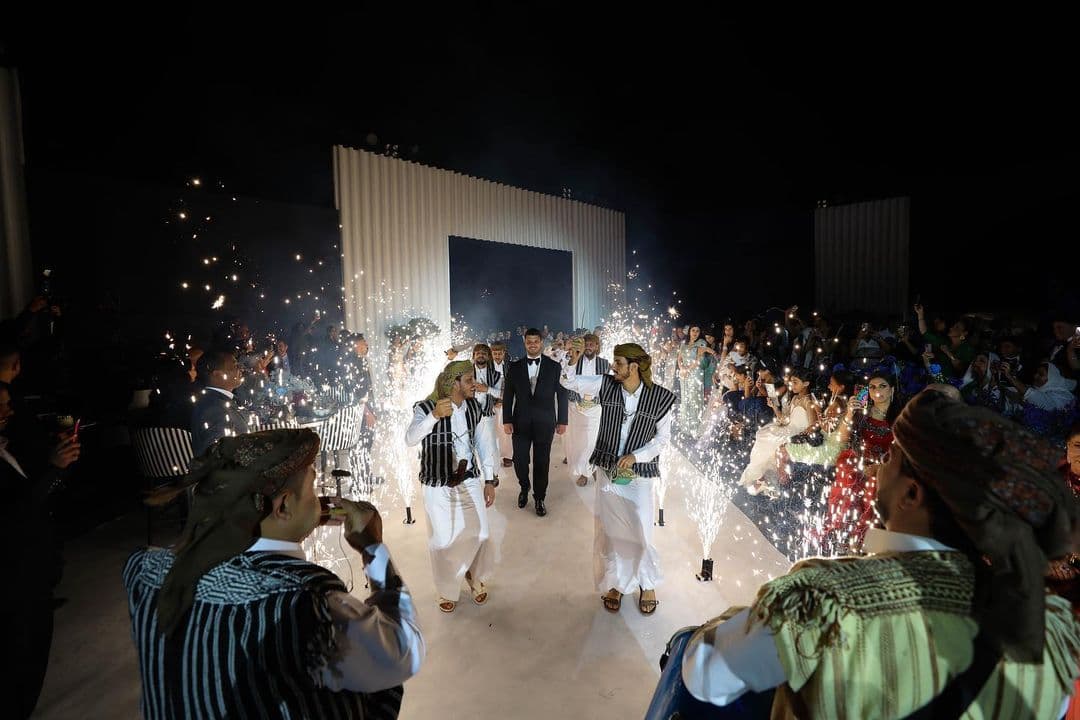
After the Nikah Ceremony is complete, there is a reception banquet called the Walima. This event is a celebratory feast traditionally hosted by the groom’s family. The Walilma acts as a formal announcement of the marriage to family, friends and to their community. Couples often receive gifts at the Walima as a part of the celebration.
There are many regional variations to the Walima celebration. For example, Turkish Muslim celebrations are filled with music and dancing, couples often start the ceremony with their first dance. Additionally, Turkish Muslim brides may write the names of all the single women in the wedding party on the bottom of her shoe, with the belief that the name rubbed off first will be the next to marry. In relation to the gift giving aspect, Turkish Walima guests often pin gold coins or money to a red ribbon tied on the bride.
Conversely, Indonesian Walima celebrations feature the installation of the tarub (a decorated canopy), and a traditional Indonesian menu is used. The feast typically includes staples like fried rice and stir-fried noodles, along with various seafood options in sweet and sour sauce.
Contemporary Muslim couples often blend cultural heritage, traditions and customs with modern wedding trends. For example, some couples choose to include personalised wedding vows in addition to the traditional vows spoken in the Nikah ceremony. Additionally, contemporary trends such as themed and destination weddings are becoming popular among Muslim couples. Muslim couples are evolving their celebrations to stay on trend, creating personalised and meaningful events that still reflect and fulfill Islamic wedding customs.
Share your experience with us! Were there any traditions or customs that we didn’t mention? Let us know in the comments of our most recent Instagram post! Or tag us in your wedding content @weddedwonderland!
Read more about Muslim and cross-cultural weddings on our website. Learn about other trends that you could include in your celebrations!