
There is planning a wedding, and then there is accidentally becoming the main character in an internet investigation.
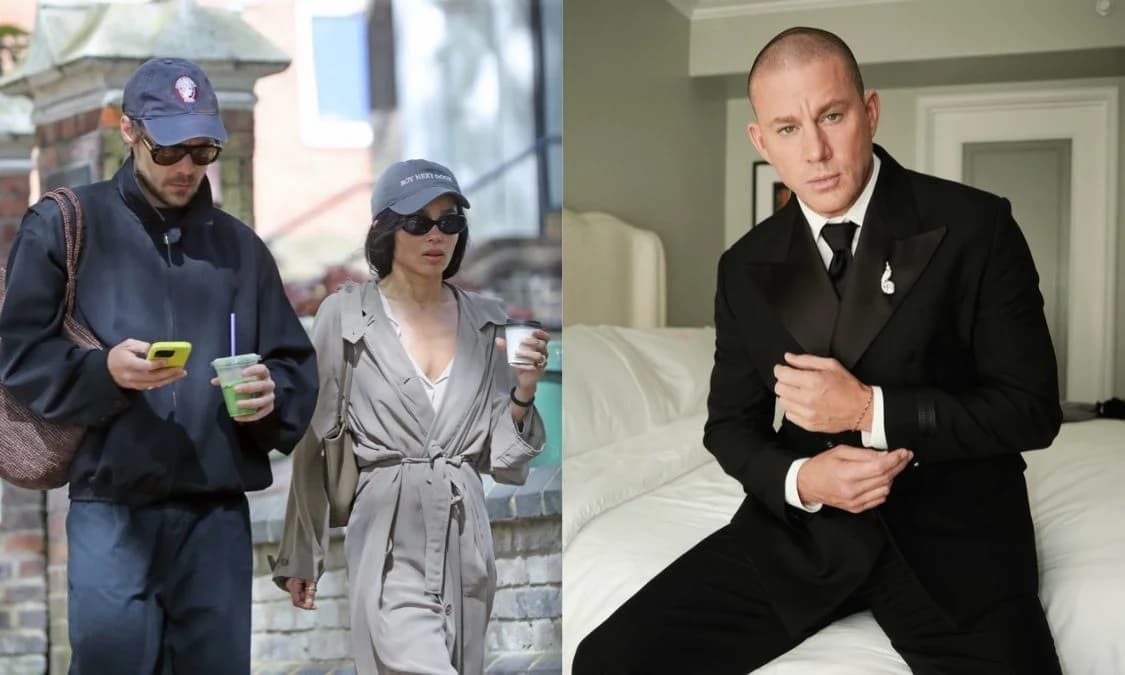
Harry Styles and Zoë Kravitz are reportedly planning an intimate wedding ceremony followed by bigger celebrations with live music, performances and dancing. The couple, who became engaged in April 2026, have reportedly been taking a relatively relaxed approach to the wedding, prioritising time with the people closest to them.
Then the internet found a burner account.
An anonymous Instagram account, @bidness_nonya, became the subject of speculation after users noticed it had been commenting negatively about Kravitz and Styles and appeared to have only one follower: Channing Tatum's official account.

Naturally, the internet did what it does best and started connecting dots. Tatum, who was previously engaged to Kravitz, has since denied that he was behind the account, calling the speculation ridiculous and saying he only operates his official Instagram. The account has since gone inactive.
So, no, we are not about to solve the mystery of who was behind the account.
But the situation does raise a much more useful wedding question: what happens when people start treating your relationship like public property?
Because once you are engaged, suddenly everyone has an opinion. Your ring. Your venue. Your guest list. Your exes. Your dress. Your decision not to invite someone's cousin's partner. And, apparently, whether strangers on Instagram approve of the person you're marrying.
Here is how to keep the haters from becoming an unofficial member of your wedding party.

This is probably the hardest rule to follow because the internet is extremely good at making you feel like you need to defend yourself.
Someone thinks your engagement ring is too flashy? Scroll.
Someone thinks your destination wedding is excessive? Scroll.
Someone has analysed your relationship based on one Instagram photo and decided they know exactly what is going on? Definitely scroll.
The problem with answering every criticism is that you can accidentally turn your wedding into a public debate. One response invites another response, which invites screenshots, which invites group chats, which somehow ends with you arguing about your own relationship at midnight.
You are planning a wedding, not running a press office.

There is a difference between someone having an opinion and someone repeatedly targeting you.
A relative questioning your decision to have a destination wedding is annoying. Someone repeatedly creating accounts, impersonating you, threatening you or obsessively contacting you is a different situation entirely.
That is when you stop treating it like wedding gossip.
Screenshot what you can. Keep records. Use Instagram's reporting and blocking tools. If there are threats or serious harassment, consider getting appropriate professional or legal help.
You do not need to investigate the person yourself or confront them directly.
And definitely do not create your own burner account for revenge. That is how a comment-section problem becomes a Netflix subplot.

The best time to decide how much access people get to your wedding is before the wedding.
Talk to your partner about what you are comfortable sharing. Decide whether guests can post during the ceremony, whether your dress can be photographed before the reveal, who gets access to private wedding content and whether you want your wedding location shared publicly.
You can also decide who is responsible for managing social media during the wedding itself.
Because your wedding morning should involve champagne, breakfast and getting ready. It should not involve you staring at a comment from a stranger who has apparently written a 12-part theory about your marriage.
If you have a large online following, handing moderation over to a trusted friend or member of your wedding team can be surprisingly useful.
The Harry, Zoë and Channing situation also shows how quickly an ex can get dragged into a new relationship narrative.
Kravitz and Tatum were together from 2021 and became engaged in 2023 before ending their relationship in 2024. Kravitz and Styles later became engaged in April 2026. Tatum has denied any connection to the burner account currently circulating online.
For couples planning their own wedding, the lesson is much simpler.
Your ex does not need a speaking role in your wedding story.
If people keep bringing up an old relationship in your comments, you can ignore it. If friends are constantly sending you screenshots, you can ask them to stop. If someone tries to turn your wedding into a referendum on your partner's dating history, you can simply refuse to participate.
There is no reason to give your past a front-row seat at your future.
The temptation to find out who is behind an anonymous account is understandable.
But unless there is a genuine safety issue, you do not need to become an amateur digital detective.
Anonymous accounts thrive on attention. Every angry reply, repost and screenshot gives the drama another round of oxygen.
Block it. Report it. Move on.
And if you accidentally find yourself three hours deep into an investigation involving someone's following list, mutuals and suspiciously timed comments, put the phone down.
Your seating chart has enough mysteries.
One of the underrated perks of social media is that you actually have more control than you think.
Mute people who make you anxious. Restrict accounts. Remove unwanted tags. Limit comments. Keep certain wedding details private. Share your location after the event instead of before it.
You are allowed to decide that your engagement is not public property just because you posted a photo.
This can be particularly important in the weeks surrounding the wedding, when emotions are already running high and every tiny detail can become content.
Your dress fitting does not need an audience.
Your venue does not need a comment section.
And your relationship definitely does not need strangers conducting a forensic analysis of it.
The internet has a funny way of making couples feel like every wedding decision needs to be explained.
Why this venue?
Why only 50 guests?
Why no bridesmaids?
Why that dress?
Why Italy?
Why not Italy?
At some point, the answer can simply be: because we wanted it that way.
Interestingly, the reported plans for Styles and Kravitz seem to centre on exactly that kind of personal experience. Rather than focusing on an enormous ceremony, they reportedly want an intimate wedding followed by bigger parties where they can spend time with loved ones, listen to live music and dance.
That is a useful reminder that the wedding itself does not have to satisfy the internet.
It has to satisfy the people getting married.
The burner-account saga is entertaining because it is so extremely online. But underneath the celebrity drama is a pretty relatable wedding problem.
People will have opinions.
Someone will think your wedding is too small. Someone will think it is too expensive. Someone will dislike your dress. Someone will have thoughts about the guest list. Someone you haven't spoken to since high school will suddenly become very invested in your marriage.
You cannot control all of that.
You can control how much access you give it.
The goal is not to have a wedding that nobody can criticise. That wedding does not exist.
The goal is to have one that still feels like yours when you put your phone down.
The people around you matter just as much as the details you're planning. Wedded Concierge connects couples with trusted venues, suppliers and wedding experts matched to their celebration, destination and personal style, so you can spend less time navigating the noise and more time making decisions that actually feel right for you.
Search real weddings, venues and vendors from around the world.
Search Wedded Wonderland