In 2026, planning a destination wedding anywhere in the world requires more than a mood board.
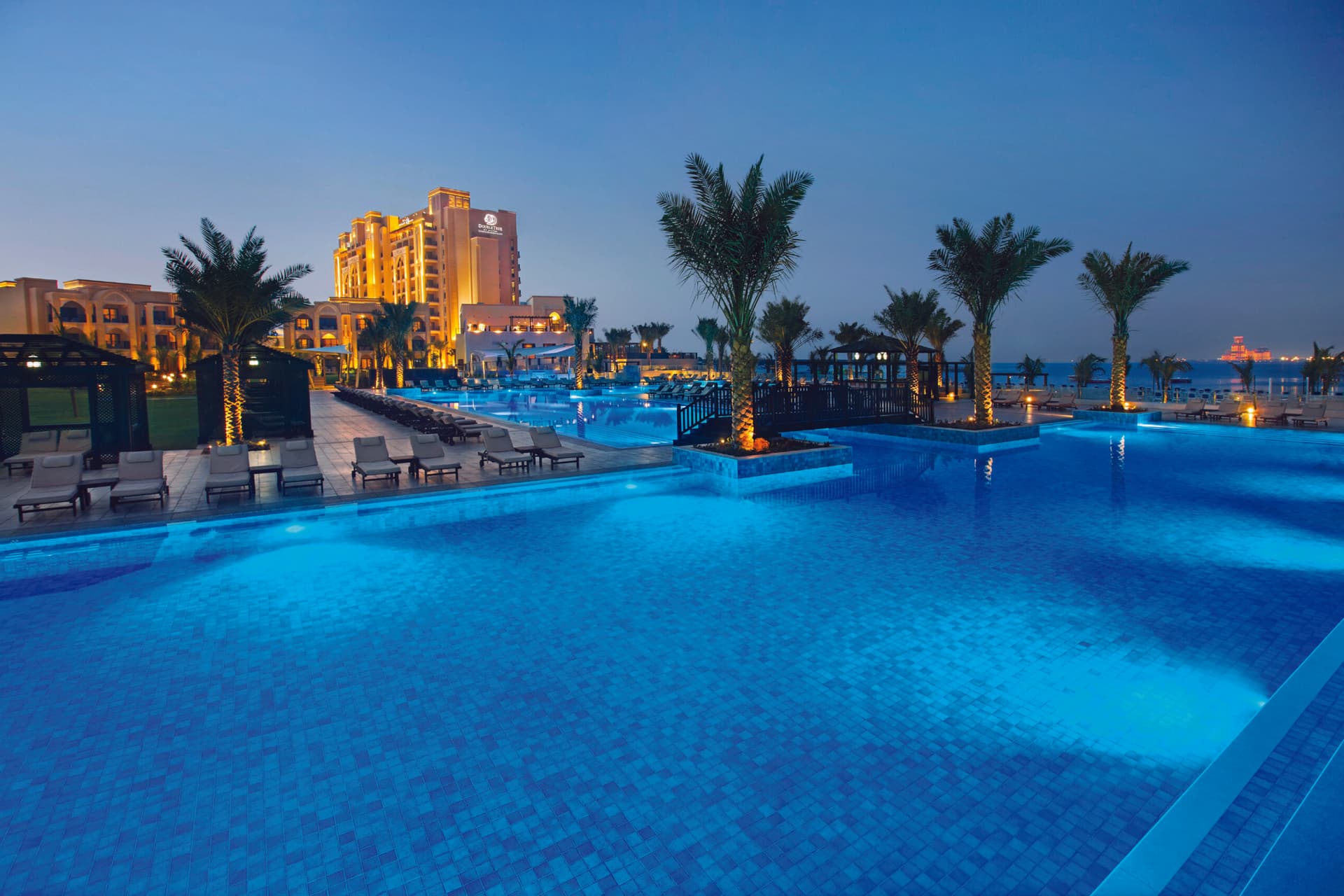
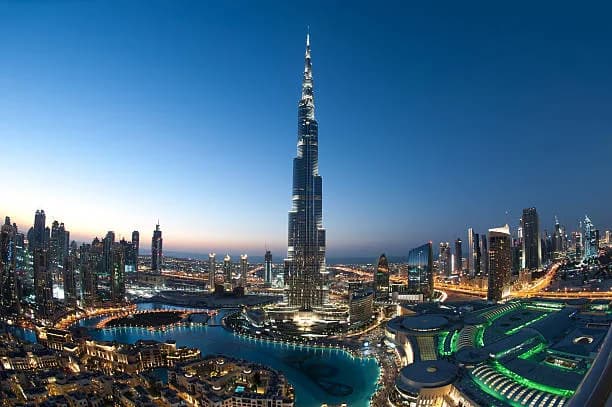
The Middle East, home to some of the most architecturally striking and logistically sophisticated wedding destinations in the world, remains firmly on couples’ radar. Dubai’s skyline ballrooms. Abu Dhabi’s palace properties. Jordan’s dramatic desert landscapes. Bahrain’s waterfront resorts.
But as regional tensions ebb and flow, one thing has become clear: Couples aren’t cancelling dreams. They’re planning smarter.
Across major Middle Eastern wedding hubs, hospitality infrastructure continues to operate. Five-star hotels remain open. Ballroom calendars remain active. Event production teams remain in place.
The fluctuation has largely centred on aviation:
Temporary airspace adjustments
Flight rerouting
Airline schedule changes
Heightened security measures
For destination weddings, particularly those with 150-300 international guests, flight reliability becomes the primary moving piece. The venue isn’t the fragile element. The routing is.
The recent escalation has coincided with Ramadan. The majority of high-production weddings in the region are typically scheduled either before Ramadan begins or after it concludes.
This timing has naturally reduced immediate event impact. The more active wedding period begins late March and runs through April, one of the region’s peak windows thanks to milder temperatures and optimal outdoor conditions.
And that’s where strategy matters most.

Modern destination weddings in the Middle East are no longer just creative productions, they are logistical operations.
Experienced planners and venue teams are now routinely building:
Flexible guest arrival windows
Buffer days into itineraries
Alternative routing considerations
Stronger travel insurance guidance
Contractual clauses that allow adjustment
Large-scale weddings in this region often include:
Multi-day celebrations
International guest lists spanning 5-15 countries
Significant room block allocations
Cultural or religious date sensitivities
Rescheduling such events is complex, which is precisely why proactive scenario planning is becoming standard practice.
Beyond flights, the more nuanced variable is psychology. Guests attending destination weddings are asking practical questions:
Are flights stable?
Is travel advised?
What happens if there’s a delay?
Is insurance valid in current conditions?
Clear communication from couples, planners and venues has become critical. Calm, factual updates reduce speculation. And speculation, more than logistics, tends to create stress.
Dubai & Abu Dhabi
Hospitality operations remain active. Major hotel groups continue to host international events. The primary consideration remains flight schedules rather than on-ground venue closures.
Bahrain
There have been periods of airspace suspension aligned with national directives. Hospitality providers remain operational, though airline routing has been the dominant factor to monitor.
Jordan
Airspace adjustments have occurred in response to broader regional developments. Tourism and hospitality operations continue, with aviation being the variable.
Across the region, the infrastructure for weddings remains intact.
The key difference in 2026? Couples are watching aviation bulletins as closely as floral mockups.

If your wedding is within the next 4-8 weeks:
Monitor official travel advisories from your home country
Check airline operations directly (not third-party apps)
Encourage guests to book flexible fares
Review wedding and travel insurance wording carefully
Maintain open dialogue with planners and venue teams
If your wedding is further out:
Pause before reacting.
In fast-moving geopolitical environments, information shifts quickly. Decisions made too early, without confirmed operational guidance, can create unnecessary contractual complexity.
Rather than retreating, many couples are approaching Middle Eastern weddings with:
Greater transparency with guests
Earlier travel booking strategies
Increased insurance literacy
Stronger reliance on specialist planners
The result? Celebrations that are not just visually spectacular, but operationally resilient.
In moments like this, inspiration alone isn’t enough.
Couples benefit from partners who understand:
Local regulatory environments
Airline routing patterns
Venue contract structures
Cultural scheduling nuances
Guest communication strategy
The Middle East remains one of the most visually and experientially powerful wedding destinations in the world.
But in 2026, it rewards couples who plan with clarity. Not fear.