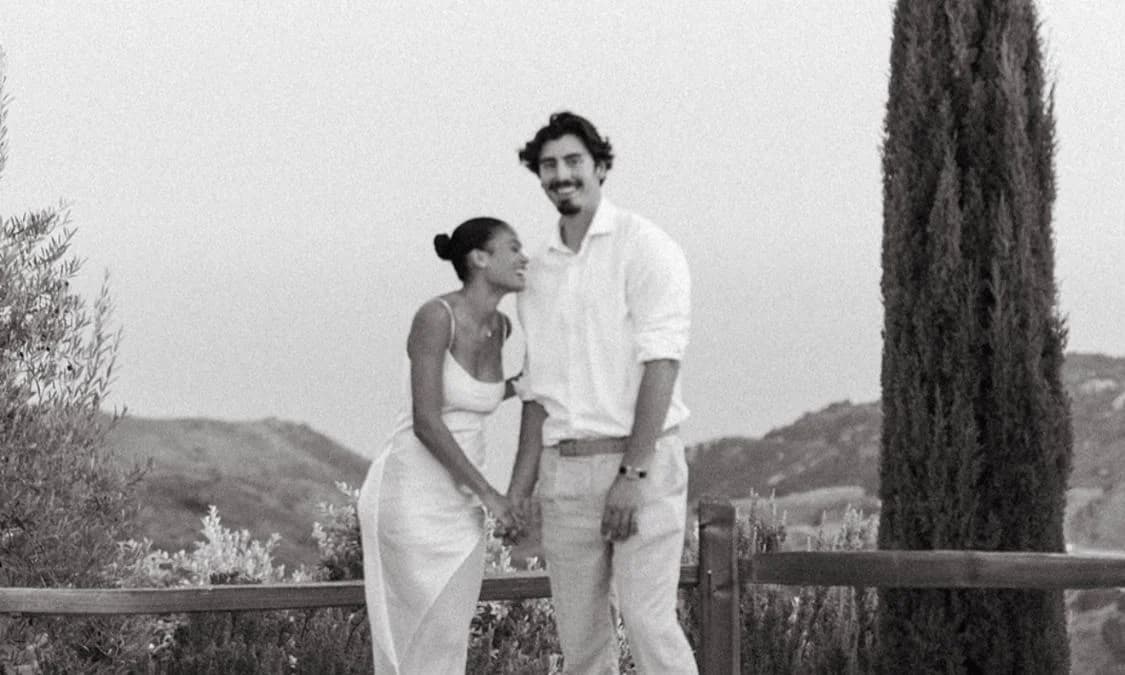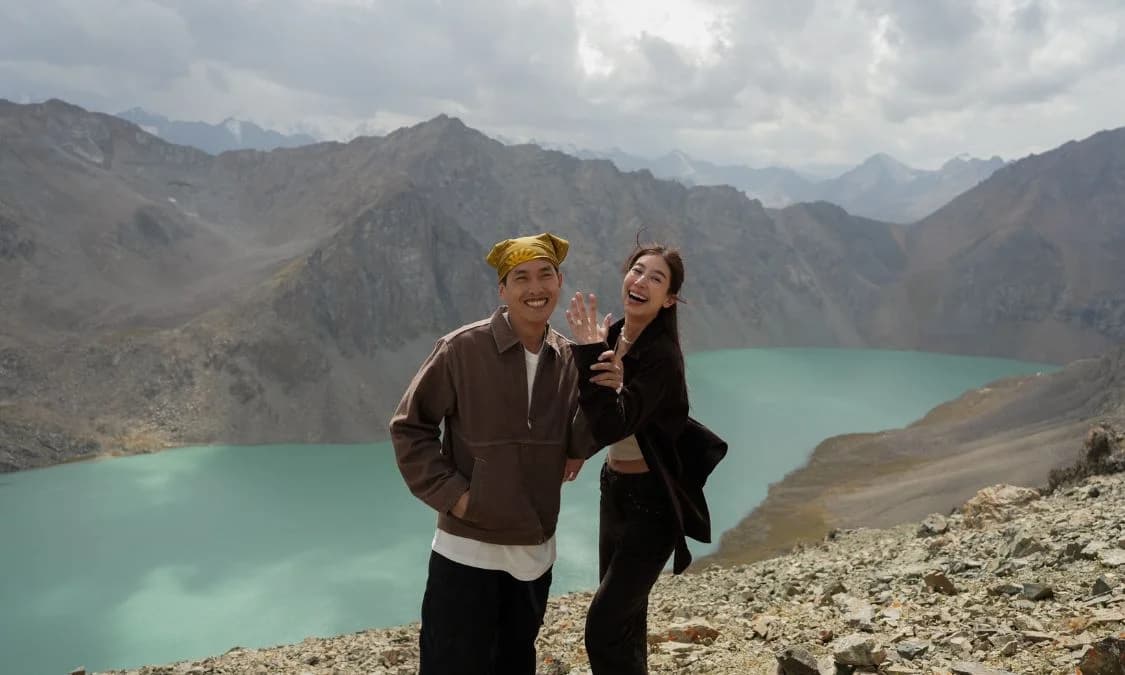
For years, wedding photography had a pretty obvious hierarchy.
The bride got the editorial treatment. The dress got its own gallery. The veil had a slow-motion moment. There were approximately 47 photos of the bride walking down a staircase while everyone else waited patiently downstairs.
The groom? A few portraits. Maybe a cufflink shot. A nice picture with his parents. Done.
Well, that era might be over. The modern groom has discovered the camera, and he is not planning to give it back.
A recent wedding fashion conversation highlighted how much men's wedding style has expanded, from relaxed tailoring and wide-leg trousers to statement boutonnières, brooches, embroidered details and even dramatic trains. But the bigger shift is happening in the photographs themselves.
Grooms are not just dressing better. They are showing up differently in front of the lens.
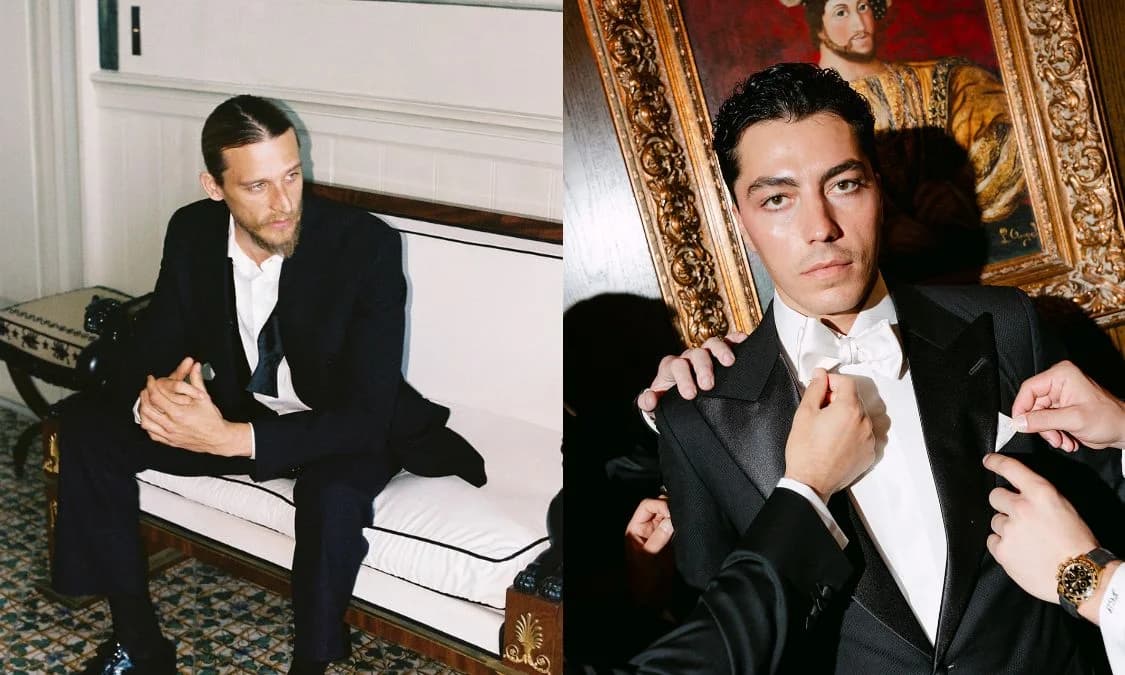
With strong poses, dramatic architecture, solo portraits, movement, close-ups and the kind of confidence usually reserved for a campaign shoot. Contemporary wedding photography is increasingly borrowing from fashion editorials, where the photographer directs the composition rather than simply waiting for a candid moment to happen.
And suddenly, the bride has competition.

There was a time when the groom's portrait session could be summarised as: stand up straight, put your hand in your pocket, smile.
Now? Absolutely not.
Editorial-inspired groom photography is giving men more space to play with posture, movement and attitude. Photographers are experimenting with everything from leaning against architecture to walking through a venue, adjusting a cuff, sitting dramatically or simply holding a pose with the kind of confidence that says, yes, I know I look good.
The point is not to make every groom look like he is auditioning for a fragrance campaign.

It is about making the groom's portraits feel intentional.
Wedding photography guides increasingly describe strong groom portraits as being driven by movement, confidence and authentic moments rather than overly complicated posing.
Which makes sense. Most people do not suddenly become models because someone hands them a tuxedo.
A good photographer knows how to direct them into looking like the best version of themselves.

Of course, the camera can only work with what it has.
And today's grooms are giving it plenty.
Modern groom fashion has moved well beyond the standard black tuxedo. Contemporary wedding style is embracing double-breasted tailoring, pleated trousers, wider silhouettes, cropped jackets, unconventional fabrics, statement accessories and even dramatic details that would have been considered decidedly un-groom-like a decade ago.
That means there is more for the photographer to capture.
The sweep of a wide-leg trouser. The shape of a double-breasted jacket. A statement boutonnière against a lapel. A brooch catching the light. An embroidered cuff visible while the groom adjusts his watch.
Suddenly, getting dressed is not just about looking polished at the altar.
It is about creating photographs worth keeping.

One of the biggest shifts is that groom portraits are increasingly being treated as their own visual story.
Instead of squeezing a few solo photos between the ceremony and reception, couples can build dedicated portrait time into the wedding timeline.

This is particularly effective for fashion-forward weddings, where the groom has put just as much thought into his outfit as the bride has.
A great photographer can use the venue almost like a fashion editorial set. A grand staircase becomes a runway. A hotel corridor becomes a campaign backdrop. A terrace becomes the setting for a full-length portrait. The getting-ready suite becomes a series of detail shots.
The result is less "groom standing beside a wall" and more "who gave this man a Vogue spread?"
And honestly, let him have it.
The model era is not limited to clothing.
Grooms are investing more time in skincare, hair, manicures and even makeup ahead of their weddings. Vogue reported in 2025 that Pinterest searches for "groom makeup" had risen 42% year over year, while social media posts mentioning the trend increased 31%.

The goal is not necessarily a visibly made-up face.
It is more about looking polished, rested and camera-ready.
That might mean starting a skincare routine months ahead, booking a facial, getting a manicure, figuring out the haircut well before the wedding or using subtle complexion products on the day.
Because when you know there will be hundreds of photographs, hoping the lighting will do all the work is not exactly a strategy.

There is also something refreshing happening here.
Groom photography does not have to mean turning into a stoic man in a suit who stares intensely into the middle distance.
The strongest editorial wedding photographs still need personality.
That could mean laughing while getting ready, dancing in the tuxedo, fixing the tie, showing off a particularly ridiculous pair of socks, leaning into a dramatic pose or giving the camera a look that would have been completely unthinkable in traditional wedding photography.
The goal is not perfection. It is presence.
And with couples increasingly looking for wedding photography that feels artistic, personal and less formulaic, giving the groom more room to express himself fits neatly into the wider shift toward intentional photography. Vogue's recent wedding photography coverage similarly notes that couples are paying closer attention to photography style itself, rather than treating photography as a one-size-fits-all service.

None of this means the bride is losing her moment. It just means the groom finally got the memo.
Wedding photography has spent decades treating the bride as the fashion lead and the groom as supporting cast. But when both people have invested in their clothes, grooming and overall aesthetic, it makes very little sense for one person to get 90 percent of the editorial treatment.
And frankly, a wedding album is better when it feels like two people starring in the same story.
So yes, brides can continue serving. Just do not be surprised if your groom walks into the portrait session, adjusts his sunglasses and suddenly starts serving harder.
If you want your groom to have his model moment, choosing a photographer who knows how to create it matters.
Not every wedding photographer approaches portraits the same way. Some specialise in documentary coverage, while others lean into fine art or editorial photography. The difference can dramatically change how your final gallery feels.
That is where Wedded Concierge comes in.
Through our network of trusted wedding partners, Wedded Concierge can connect couples with photographers who understand the visual language they are after, whether that means fashion-forward portraits, candid documentary images, dramatic editorial compositions or a mix of styles.
So when you tell your photographer, "I want my groom to look like he just walked out of a campaign," they should understand the assignment.
Search real weddings, venues and vendors from around the world.
Search Wedded Wonderland