How to Plan a Destination Wedding in Greece if You’re Overseas
Planning a destination wedding in Greece, one of the best destination countries for a memorable wedding, is an exciting and romantic endeavor. With its stunning landscapes, rich history, and warm Mediterranean climate, Greece offers a picture-perfect backdrop for your special day. If you’re living overseas and dreaming of saying “I do” in this enchanting country, this comprehensive guide will walk you through the essential steps to plan your perfect Greek wedding.
How to Plan a Destination Wedding in Greece if You’re Overseas
1. Research and Choose Your Ideal Location
Greece offers a diverse range of breathtaking locations for your wedding. Begin by researching different regions such as Santorini, Mykonos, Athens, Crete, and Rhodes. Consider the scenery, local attractions, accessibility, and any personal connections you may have to a specific area. Each location has its own unique charm, so take your time to find the one that resonates with you and your partner. Here’s a concise selling point for each region:
Santorini: Stunning sunsets, iconic blue-domed churches, and volcanic landscapes create an idyllic and romantic backdrop for your wedding.
Mykonos: A vibrant and cosmopolitan island known for its glamorous lifestyle, lively atmosphere, and pristine beaches, making it perfect for couples seeking energy and sophistication.
Athens: The birthplace of democracy and ancient civilization, Athens offers a blend of historical landmarks, modern amenities, and a vibrant culinary scene for a wedding filled with culture and sophistication.
Crete: Greece’s largest island, Crete, combines rugged mountains, picturesque villages, and stunning beaches with warm hospitality, renowned gastronomy, and a rich history, providing an authentic and immersive wedding experience.
Rhodes: With a medieval Old Town, beautiful beaches, crystal-clear waters, and a mix of history and cosmopolitan vibes, Rhodes offers an enchanting blend of elegance and adventure for your wedding celebration.
2. Find the Perfect Venue
Greece boasts a plethora of wedding venues, each offering its own distinctive ambiance. Here are five popular types of venues to consider:
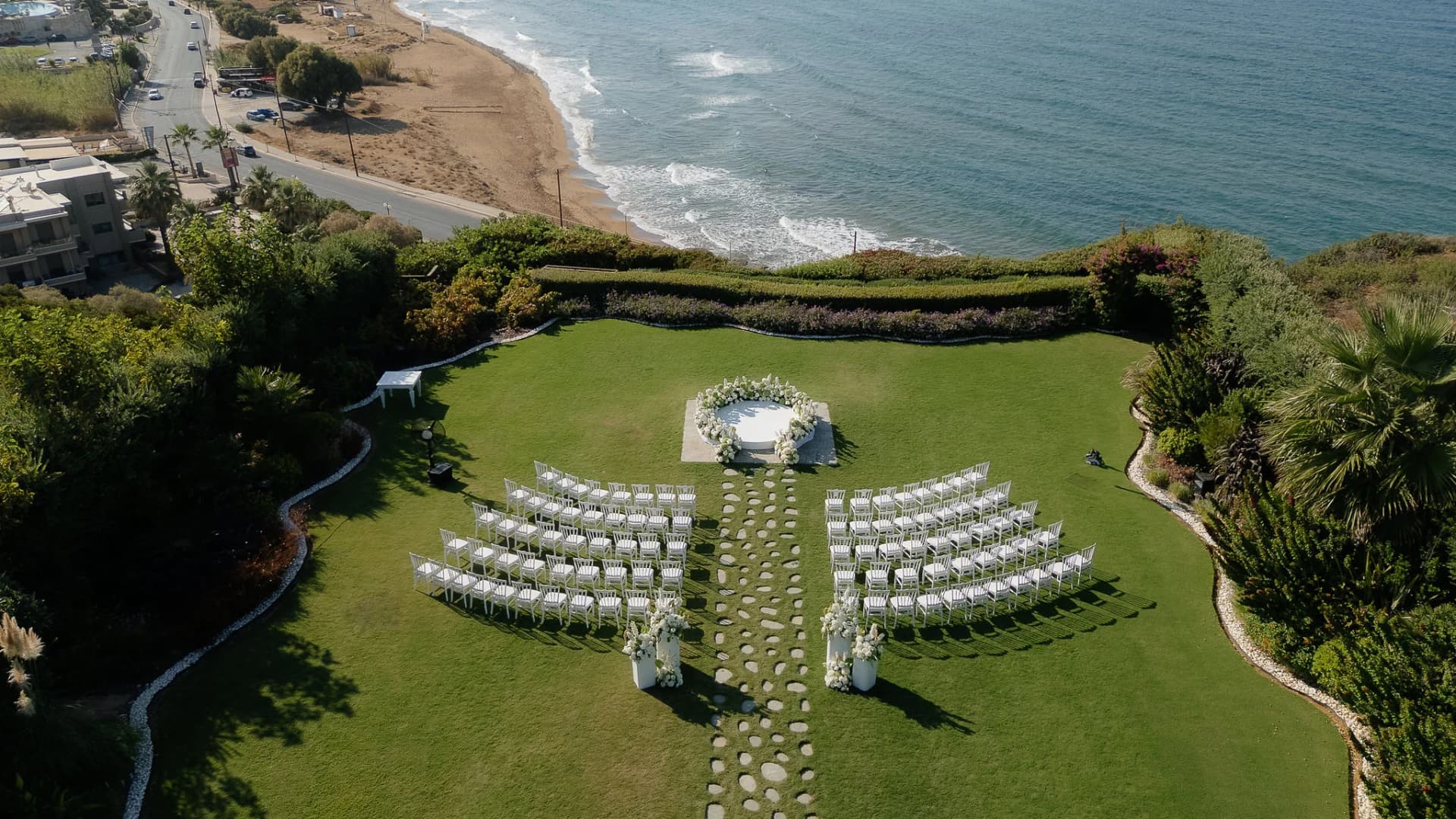
Cliffside Villas: Overlooking the sparkling Aegean Sea, these villas provide an intimate and luxurious setting for your wedding ceremony and reception.
Beachfront Resorts: With their golden sands and azure waters, beachfront resorts offer a romantic and laid-back atmosphere for a seaside wedding.
Historic Venues: Greece is brimming with ancient ruins, palaces, and castles that can be transformed into enchanting wedding venues, allowing you to combine history with romance.
Wineries: The country’s vineyards provide a charming and rustic backdrop for a wedding, with the added bonus of excellent wine to toast to your love.
Luxury Hotels: Greece is renowned for its upscale hotels and resorts that offer impeccable service, stunning views, and top-notch facilities for a truly grand celebration.
3. Choose the Ideal Season
Greece experiences a Mediterranean climate, with mild winters and hot summers. Consider the following seasons when planning your wedding:
Spring (April to June): This season offers pleasant weather with blooming flowers and fewer tourists. It’s an ideal time for outdoor ceremonies.
Summer (July to September): The most popular time for weddings, with warm temperatures and longer days. Keep in mind that some areas can become crowded with tourists during peak season.
Autumn (October to November): Mild weather and stunning fall colors make autumn an attractive option for a romantic wedding, especially in the countryside.
4. Set a Realistic Budget
Setting a budget is crucial to ensure your destination wedding in Greece stays within your means. Here’s an overview of average costs per vendor:
Enlist the services of a local wedding planner who specializes in destination weddings in Greece. A skilled wedding planner will help you navigate the local market, suggest trusted vendors, handle logistics, and ensure a seamless wedding experience.
6. Understand Legal Requirements
To legally marry in Greece, you’ll need the following documents:
Valid passports
Birth certificates
Certificate of No Impediment (a document proving you are eligible to marry)
Divorce or death certificates (if applicable)
Affidavits of Single Status
Officially translated and apostilled documents (check the requirements with your local embassy or consulate)
7. Plan Well in Advance
Planning a destination wedding requires meticulous organization and time management. Start planning at least 12 to 18 months in advance to secure the best venues and vendors. This timeframe will allow you to accommodate travel arrangements, legal processes, and any unexpected delays that may arise.
Maintaining clear and frequent communication with your vendors is crucial, especially when planning from overseas. Utilize email, video calls, and messaging platforms to discuss your vision, ask questions, and ensure everyone is on the same page. A reliable and responsive vendor will alleviate any concerns you may have.
9. Cultural Sensitivity and Incorporating Greek Cuisine, Culture, and Tradition
Embrace Greek culture by incorporating local cuisine and traditions into your wedding. Consider including dishes like moussaka, souvlaki, or baklava in your menu. Dance the traditional syrtaki or have your guests participate in plate smashing for a festive experience.
10. Plan Guest Accommodations and Travel
Provide your guests with a list of recommended accommodations near the wedding venue. Liaise with hotels and negotiate group rates to make their travel more convenient and affordable. Assist them with travel arrangements and provide local information to enhance their experience in Greece.
11. Plan Activities and Excursions
Make your destination wedding memorable by organizing activities and excursions for your guests to enjoy. Here are five examples: