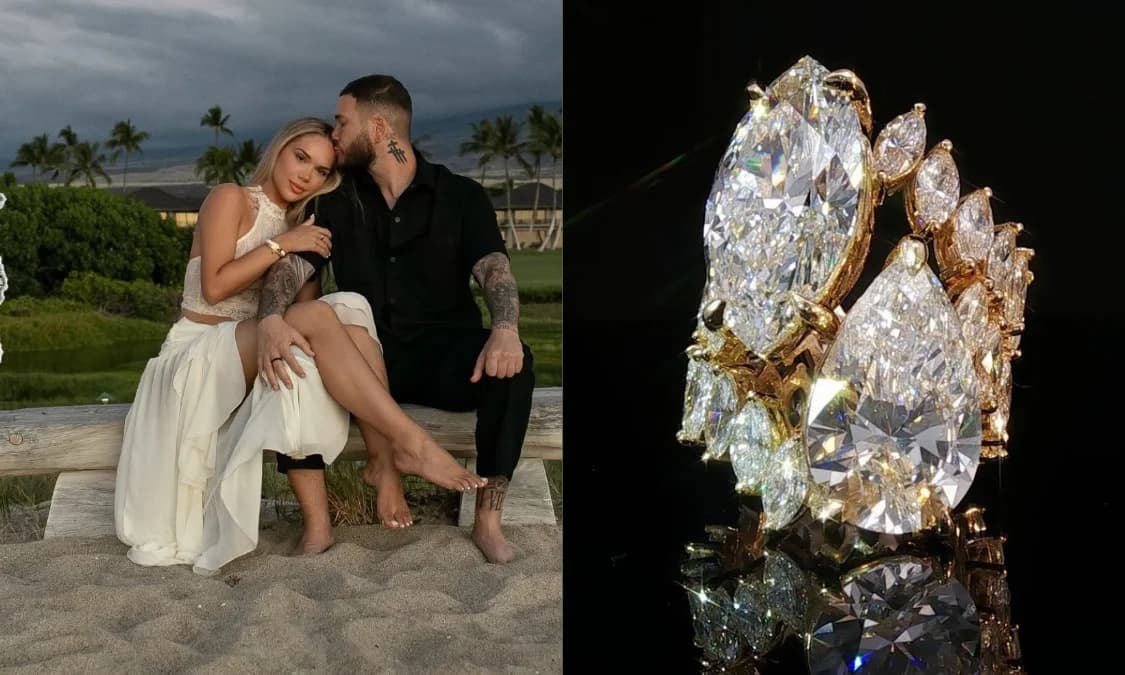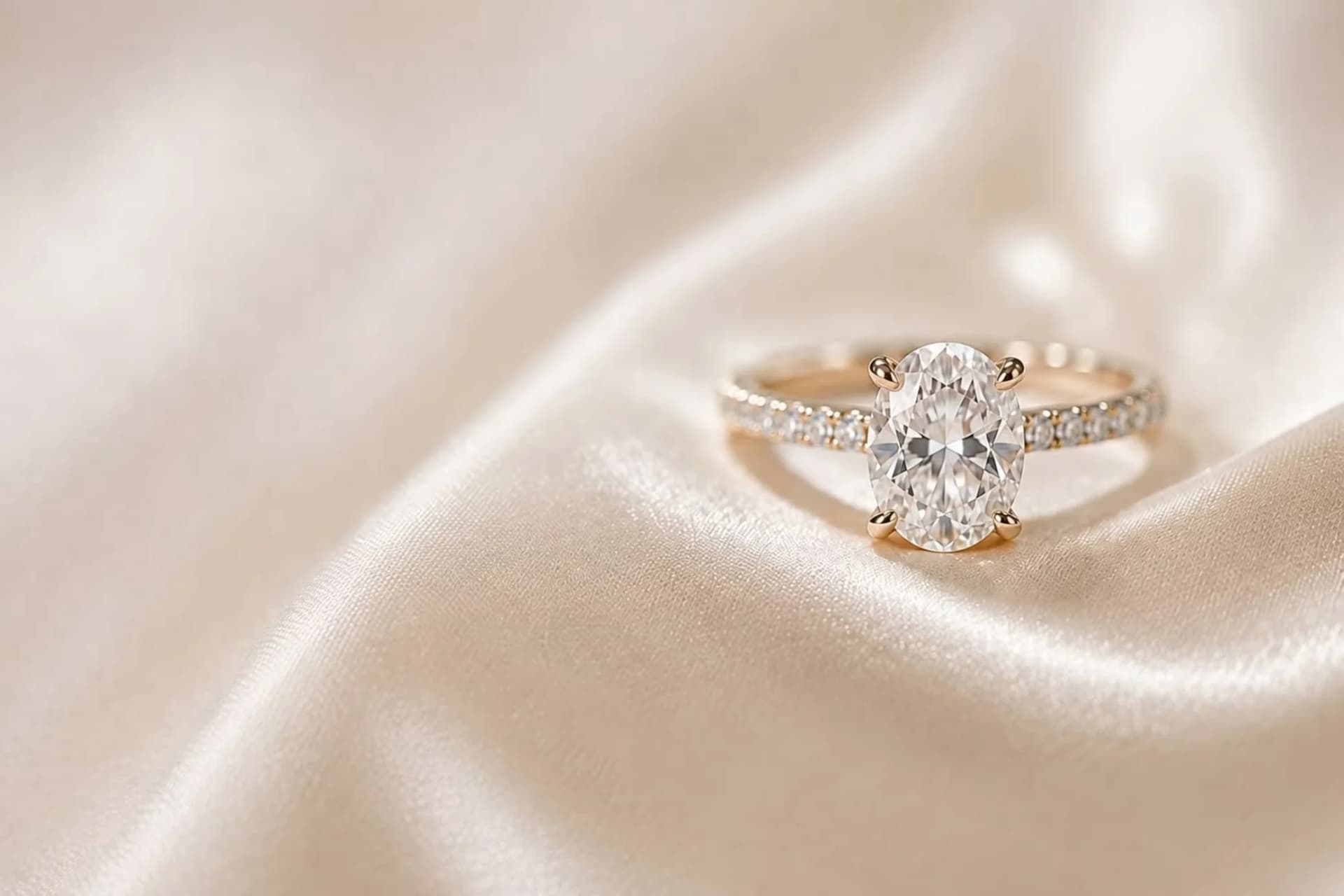
Most US couples spend around $5,000 to $6,000 on an engagement ring, and The Knot's most recent Jewelry and Engagement Study puts the average at $5,200. A sensible budget is an amount you can pay without debt, often one month of gross pay or less. The old three months salary rule began as mid-century diamond advertising, not financial advice.
There is no single accurate ballpark figure. The right engagement ring budget suits your partner's taste and the life you are building together, whether that means a refined solitaire or a stone commissioned over several months.
The Australian average sits near AU$6,000 to $7,000, and The Knot's most recent study puts the US average at US$5,200. For an exceptional engagement ring, the figure typically begins around AU$50,000 (about US$35,000) and can extend well beyond AU$1 million.
Above that threshold, the figure is shaped by what the ring should represent. The rarity of the stone, the reputation of the maker and whether the piece is intended to become a family heirloom each carry more weight than price alone, whether one partner is proposing or you are choosing the ring together.
If you use income as a guide, one to two months of gross pay is a common range, and one month or less keeps most couples out of debt. Here is what that looks like before tax. The same maths works in Australian dollars: on AU$100,000 a year, one month of gross pay is about AU$8,300.
Annual income (US$) | One month of gross pay | Two months of gross pay |
$50,000 | $4,200 | $8,300 |
$75,000 | $6,250 | $12,500 |
$100,000 | $8,300 | $16,700 |
$150,000 | $12,500 | $25,000 |
Treat this as general guidance, not personal financial advice. Savings, debts and what else you are paying for, such as the wedding itself, matter more than any formula.
For most couples, no. The rule started as diamond advertising, and three months of gross pay is more than many people can spend without borrowing. Start from what you can pay comfortably, then decide what matters most: the size of the stone, its quality or the design.
Traditional spending formulas were written for a different buyer and a different era. For those with significant wealth, proportion and purpose offer a clearer guide to the right figure.
The idea that a ring should cost a set number of months' salary began as diamond advertising in the mid-twentieth century. For buyers whose wealth extends well beyond income, a salary multiple offers little guidance.
Some buyers treat the ring as a considered acquisition within a wider portfolio, while others lead with meaning, choosing an heirloom stone or a design that holds a private story.
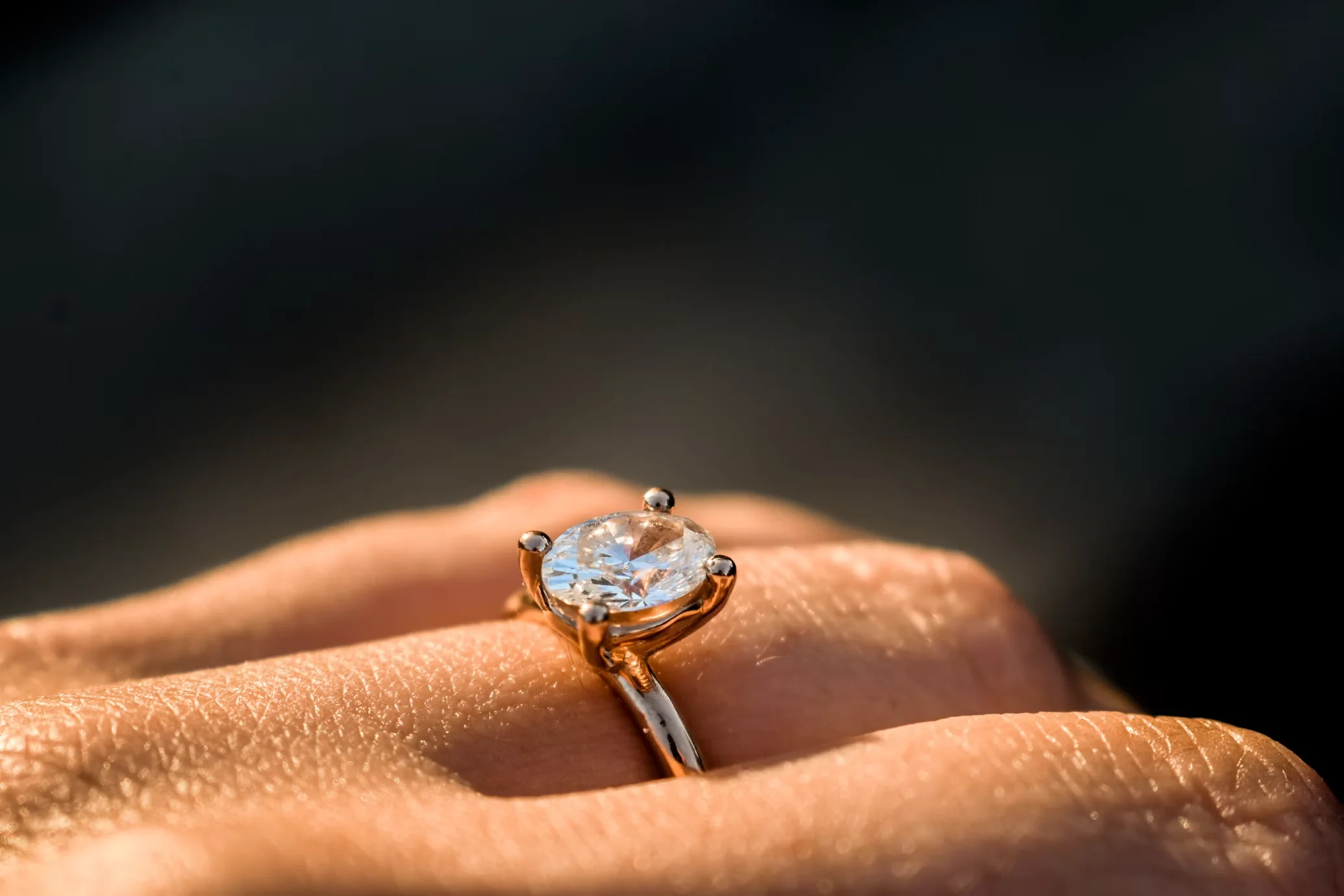
Each step up in carat weight or grade multiplies the price, so a small change to the brief can move the figure by tens of thousands of dollars. US dollar figures below are approximate at current exchange rates.
This range covers natural diamonds of around three carats in near-colourless grades, or a two-carat stone at the very top of the colour and clarity scales. Fine untreated sapphires and rubies of significant size also sit here.
Three-carat diamonds in the highest colour and clarity grades, and five-carat stones in near-colourless grades, fall within this bracket. Most rings here are fully bespoke, with the setting designed around a single, individually sourced stone.
Five-carat diamonds at D colour and flawless clarity, larger natural fancy coloured diamonds and gemstones of exceptional rarity occupy this tier. Stones of this calibre are often sourced privately or at auction, and many are considered investment-grade.
A grand ring is defined by the experience of creating it as much as by its price. At this level, the process is private, collaborative and carefully documented, and it deserves time.
A bespoke ring usually begins with a private consultation, then moves through hand sketches, a digital model and often a wax or resin prototype before the final piece is made. Allowing three to four months from first meeting to finished ring leaves room for stone sourcing and refinements.
The result is a ring no one else wears. Proportions are tuned to the wearer's hand, and details such as an engraved band or a hidden stone can hold a private meaning.
Rarity drives the upper tiers. Natural fancy coloured diamonds, untreated sapphires from celebrated origins, and antique-cut diamonds such as old European cuts command a premium because so few exist.
With rarity comes scrutiny. A significant stone should carry an independent grading report from a respected gemmological laboratory, and origin reports for coloured gemstones add further confidence.
Fine jewellers often arrange private appointments to view a curated selection of loose stones side by side, the most reliable way to compare brilliance and character. Some will source a stone to your exact brief, presenting options over several weeks.
Documentation turns a ring into an heirloom. A grading report, sourcing record, valuation and design history together tell the ring's story for generations.
Some buyers choose an antique or estate ring over a new commission. Georgian, Victorian, Edwardian and Art Deco pieces, particularly those signed by a heritage jewellery house, are priced on era, maker and condition as much as on the stone itself.
Buying at auction or from a specialist estate dealer calls for a condition report, a current grading report and confirmation of whether the stone has been recut. These checks protect both the ring's authenticity and its value for the next generation.
Setting the figure for an exceptional ring begins with a clear brief and the right specialists around you. Whether you are choosing together or planning a surprise, these steps keep the process considered and discreet.
Start with what the ring should be, and let the figure follow. A clear brief covering stone, shape, size, era and maker gives a specialist the detail needed to source well and quote precisely.
Many couples now discuss the ring openly or design it together as the first shared decision of their engagement. Others prefer the ring to remain a complete surprise until the moment itself.
If you are keeping it a surprise, a trusted friend or family member can help you learn ring size and style.
For significant stones, work with a jeweller who has direct access to certified inventory, dealer networks and auction houses. An independent gemmologist can also review a stone on your behalf before any commitment is made.
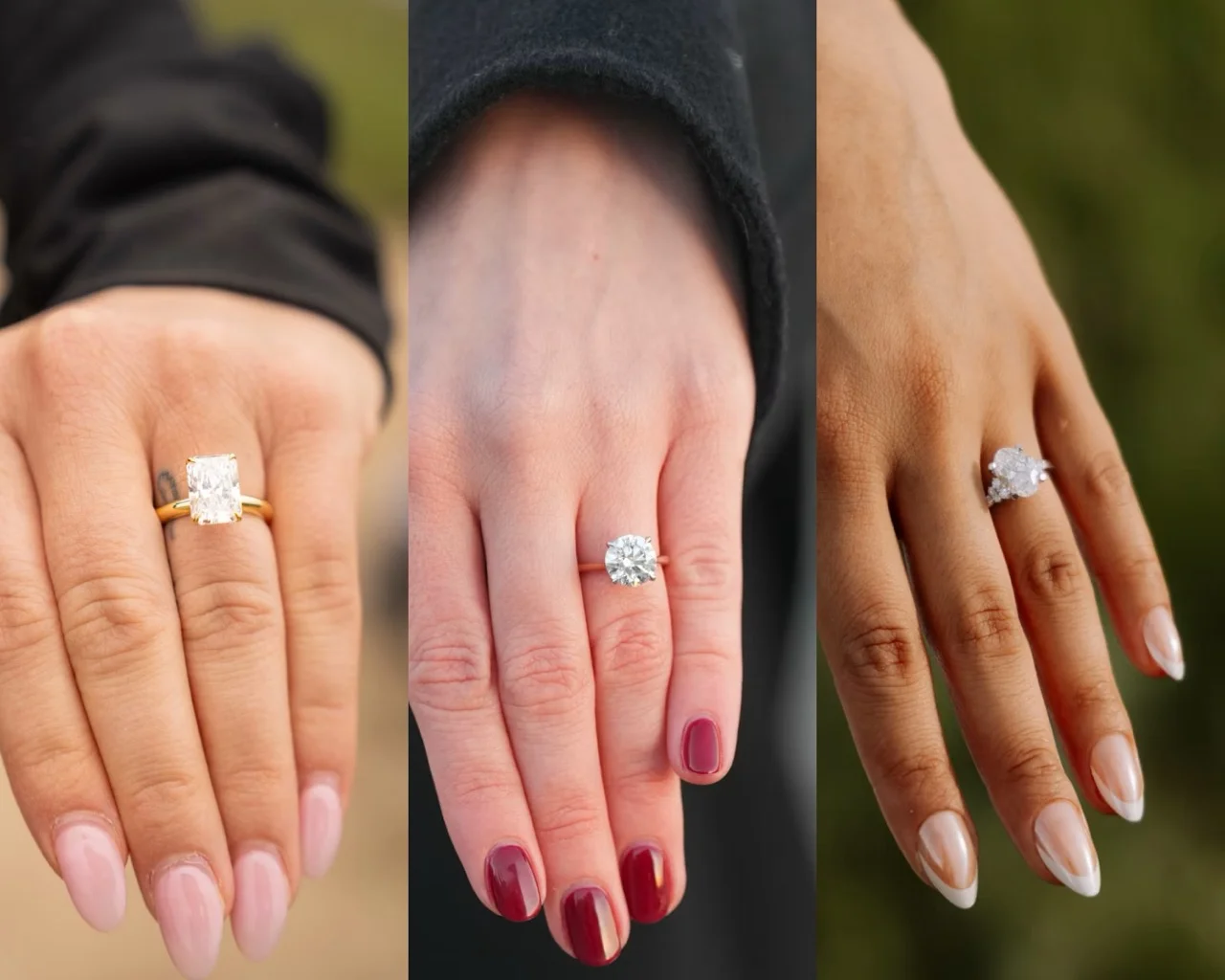
At the top of the market, price is driven by rarity, grade and the name behind the ring. Understanding how each factor compounds shows you where the figure comes from.
The centre stone is usually the largest share of any engagement ring budget. Size, origin and whether a gemstone is untreated all compound its value.
Above three carats, each step in colour or clarity carries a considerable premium, and a stone at the very top of both scales is rare enough to be sourced individually. Cut remains the grade to protect first, since it governs how much light the stone returns.
A ring signed by a heritage jewellery house or a celebrated independent designer carries a premium of its own. Platinum and high-carat gold, hand-finished claws and hidden details add further to both the craftsmanship and the figure.
Some details shape a ring's beauty and lasting worth more than others. Knowing which deserves priority lets your engagement ring budget work hardest where it counts.
At the top of the market, value rests on the quality of the cut, the credibility of the grading report and the reputation of the maker. These details protect both the beauty and the lasting desirability of a significant ring.
Elongated shapes such as oval, pear and emerald cuts show more surface area per carat, adding presence at any weight. Coloured gemstones and antique cuts bring a distinct character that sits comfortably alongside the finest diamonds.
Wedding bands, resizing and insurance all belong in the wider plan. Specialist jewellery insurance typically costs around 1 to 2 per cent of a ring's value each year, and cover should begin on the day of purchase, before the proposal.
For grander rings, an updated valuation every few years keeps cover in step with the market.
The ring and the proposal are best planned as one. Our experience across proposals, engagements and destination celebrations shapes how we bring the two together. A bespoke commission often sets the timeline for the proposal, and a destination proposal can influence which ring feels right to carry across the world.
Wedded Concierge begins with a thoughtful discovery session before anything else to help align with your plans for the ring, the setting and the timing. From an intimate question at home to one of the grander marriage proposal ideas abroad, our planning begins with what matters most to you both.
Carat: The unit of weight for a gemstone, equal to 0.2 grams. Prices rise steeply at whole-carat weights such as 3.0 and 5.0.
The 4Cs: Cut, colour, clarity and carat, the grading criteria that shape a diamond's appearance and value.
Investment-grade: A term for natural stones of exceptional size and top grades, valued for their rarity and lasting desirability.
Bespoke commission: A ring designed from the first sketch with a jeweller, typically over several months.
Insurance valuation: A written assessment of a ring's replacement value, used to set insurance cover.
Written by
Content and Creative Manager
Joseph Joshua is the SEO & Content Manager at Wedded Wonderland, bringing an editorial and search strategy perspective to the publication’s coverage of luxury weddings, destination celebrations and bridal lifestyle. His approach to content centres on helping readers move from inspiration to informed decisions, with attention to the design, craftsmanship and personal details that give a celebration its character.
Search real weddings, venues and vendors from around the world.
Search Wedded Wonderland