At Wedded Wonderland, we map the most private African honeymoons, from remote safari camps in Botswana to island retreats in the Indian Ocean, and we help couples turn the right choice into a trip that happens.
Africa pairs vast wilderness with small, secluded camps, which lets African honeymoons feel remote and still be beautifully served. The right choice follows your travel month and the balance of privacy and adventure you want.
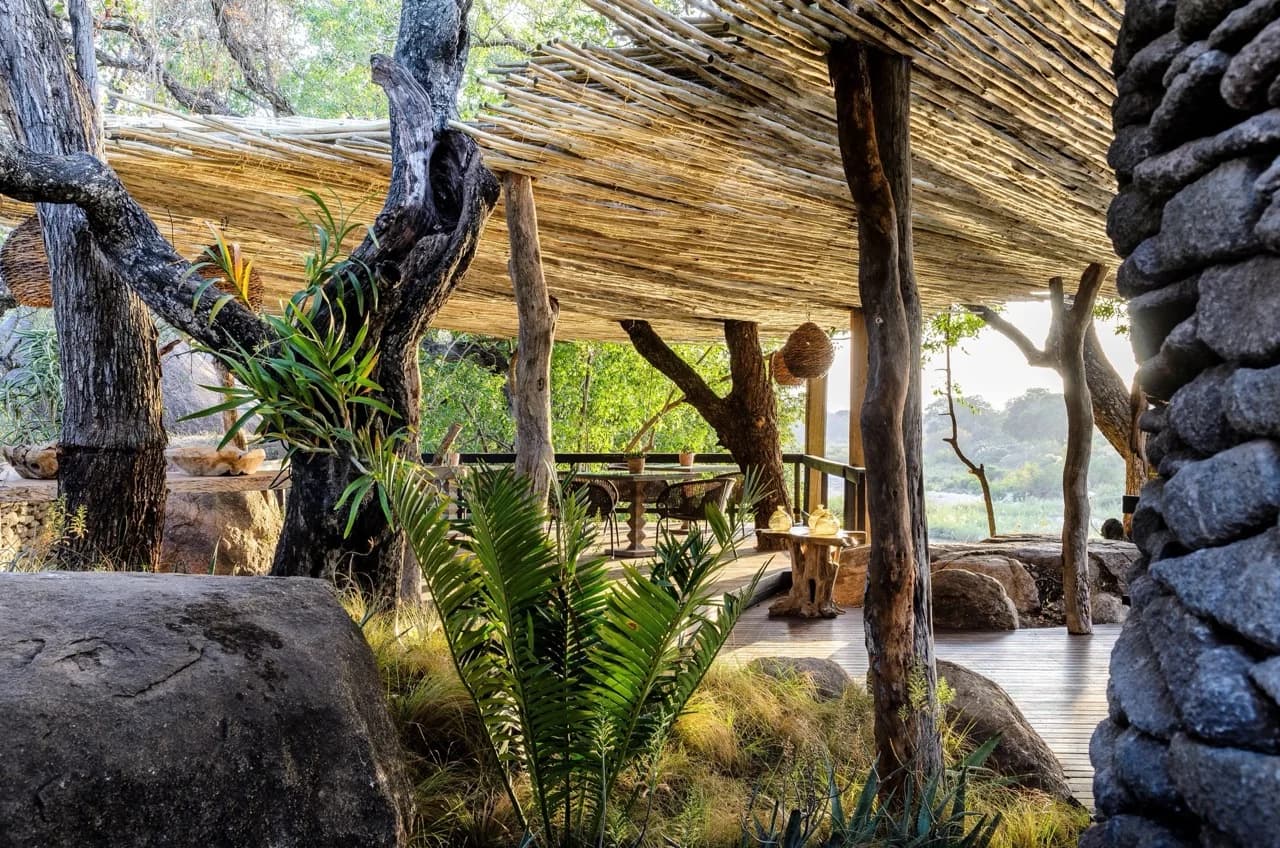
Privacy is built into the format. Safari camps often host only a handful of couples, private conservancies limit the number of vehicles, and many lodges offer a private guide, vehicle and dining table for the length of the stay.
Within that setting, each day can be shaped around the two of you. Dawn game drives, bush breakfasts, sundowners on a quiet ridge, walking safaris and dinners under the stars are all on offer at the finest camps. Because those camps are small, they fill early, and this is where we help. At Wedded Wonderland, we guide couples on where to go, when to travel and how to secure the right camp for their dates.
If you are still comparing regions, our guide to the best honeymoon destinations introduces the East African safari and Zanzibar pairing. This guide goes further into every region that suits African honeymoons.
These nine regions offer the most private stays across the continent. Where we name a camp or hotel, it appears for its conservation and community work as well as its privacy. Each entry explains what makes the destination suitable for a honeymoon, when to go and how long to stay, with a note on how we help couples bring it together.

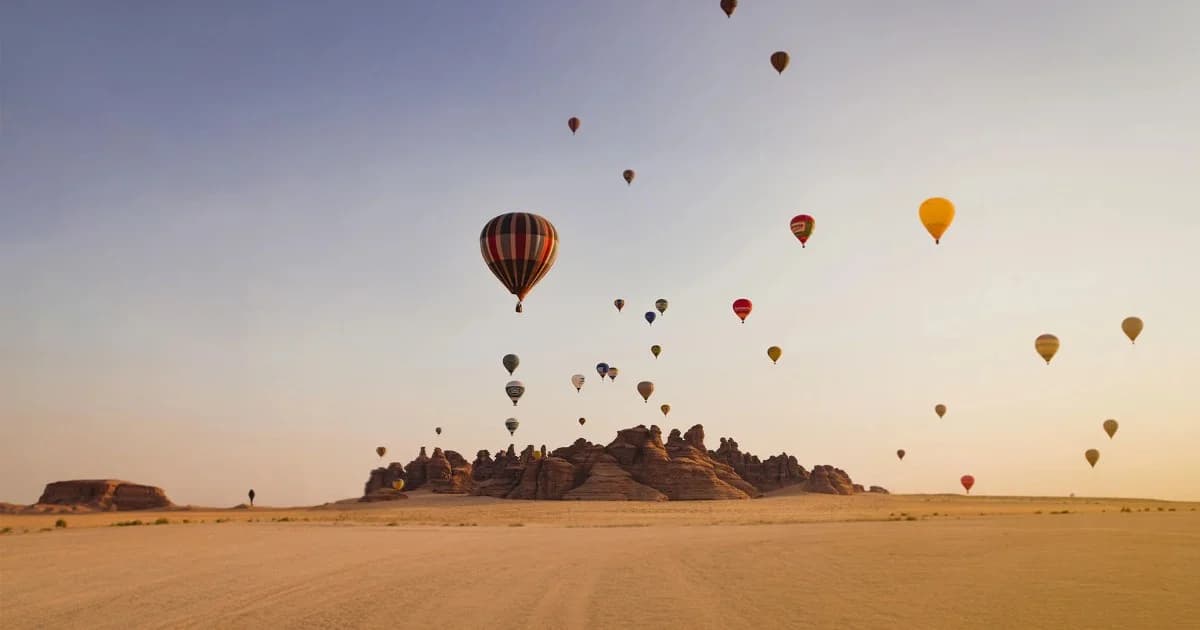
Tanzania suits couples who want the Serengeti at its most dramatic. Mobile camps follow the herds across the plains, dawn hot-air balloon flights drift above them, and Ngorongoro Crater gathers an extraordinary concentration of wildlife into a single day's drive.
The dry season from June to October is the classic window, and January to March brings calving season to the southern Serengeti. We suggest 5 to 7 nights on safari followed by 3 to 4 nights on Zanzibar, a sequence we help couples plan so the honeymoon ends in rest.

Kenya is the home of the classic romantic safari. Private conservancies around the Masai Mara limit vehicle numbers and permit walking safaris, night drives and horseback rides that the main reserve does not allow.
The Mara river crossings run from roughly July to October, and the wider dry season begins in June. We suggest 5 to 6 nights across two camps. Conservancy camps are small, so we help couples secure the right one early for their dates.

Botswana offers some of the most secluded camps in Africa. Its concession system keeps guest numbers low, so a mokoro glides through the Okavango Delta, a helicopter flight over the channels and a private island picnic can pass without another vehicle in sight.
The dry season runs from May to October, and flood waters peak in the Delta from June to August. We suggest 6 to 8 nights across two camps. Because the best camps hold only a few couples, we help shape the plan well before the season opens.
Couples who prefer a quieter corner of Botswana can look to Mashatu Game Reserve in the far east, within the conserved Northern Tuli Game Reserve. Its 42,000 hectares of privately owned, unfenced land are managed with limited visitor numbers, and the activities favour low-impact options such as walking, cycling and horseback safaris and photographic hides. Several of its safari homes and camps are designed for exclusive use, and every booking includes a daily conservation levy that supports conservation, community and culture. Fees are subject to change, so please confirm the current amount with your travel adviser or the official authorities before you travel.

South Africa combines private reserves with one of the world's great food and wine regions. A reserve brings a dedicated guide and vehicle, while Cape Town and the Winelands add estate dining, coastal drives and cellar tastings.
Reserves are at their best from May to September, and Cape Town shines from November to March. We suggest 8 to 12 nights, with the reserve first and the Cape second. Because the two seasons peak at different times, we help couples choose the months and order that suit their dates.

Namibia is a honeymoon of space and silence. Fly-in camps reach the dunes of Sossusvlei, the Skeleton Coast and Etosha, and the NamibRand Nature Reserve is an International Dark Sky Reserve made for stargazing.
May to October is the dry season, with Etosha's waterholes at their most active from June. We suggest 8 to 10 nights, travelling by light aircraft between camps. Fly-in routes need careful sequencing, and we help couples plan the route and the pace.
In the remote Kaokoveld, Wilderness Hoanib Skeleton Coast Camp shows how a honeymoon can support conservation. The eight-tent camp is fully solar powered and works in partnership with the neighbouring Anabeb, Torra and Sesfontein conservancies, so local communities benefit from the wildlife guests come to see. It also hosts researchers studying desert-adapted lions, elephants and brown hyaena, and guests can hear from them when they are in camp before heading out to the Skeleton Coast.

Gorilla trekking is among the most moving experiences in Africa. Groups are small, a guide leads each trek, and the lodges around Volcanoes National Park and Bwindi are intimate and quiet.
The best months are June to September and December to February. Permits are limited in number and must be secured well ahead, and permit fees are subject to change, so please confirm current requirements with your travel adviser or the official park authority before you travel. We suggest 4 to 6 nights, with a day in Nyungwe Forest for chimpanzees, and we help couples plan their dates around permit availability.

Victoria Falls works best as a short, dramatic chapter within a longer honeymoon. Sunset cruises on the Zambezi, helicopter flights over the falls and walking safaris in nearby Zambian parks fill a private three-day stay.
Water levels are highest from March to June, and from September to December the lower water allows swimming at Devil's Pool on the Zambian side. We suggest 3 to 4 nights alongside a safari in Botswana or Zambia, which we help link into a single itinerary.
For the Falls themselves, The Royal Livingstone Victoria Falls Zambia Hotel by Anantara sits on the Zambezi inside Mosi-oa-Tunya National Park, where zebras and giraffes wander the gardens. The hotel buys produce directly from local smallholder farmers through a market at the property and supports women from nearby communities, which ties the stay to the people around it.

Zambia and Zimbabwe reward couples who want to explore on foot beside a river. In South Luangwa, Time + Tide Chinzombo has six tents, each with a private pool and views over the Luangwa River, and guests head out on game drives, walking safaris and seasonal boat cruises. The camp runs on solar power, and the Time + Tide Foundation supports local conservation organisations on anti-poaching and wildlife rehabilitation alongside community education.
Across the border, Molori Mashuma sits within Mana Pools National Park, a UNESCO World Heritage Site. The camp is small, with six tented suites, and it opens only from April to October, closing for the wet season. The dry season from May to October suits both camps, and we suggest 5 to 7 nights across the two countries, a route we help couples plan around light-aircraft transfers.

The Seychelles, Mauritius and the islands of Mozambique give a safari honeymoon its finish. Private island resorts and secluded villas bring days of rest after early game drives.
The Seychelles is at its calmest in April to May and October to November, while Mauritius is drier from May to December. We suggest 4 to 7 nights. Couples weighing the Indian Ocean against the Maldives can compare it in our guide to Asia honeymoon destinations.
Start with the month you can travel, because it points to the regions in season, then match the options to the privacy and adventure you both want. The table compares the nine regions side by side.
Destination | Most Private Experiences | Best Months | Ideal Stay |
|---|---|---|---|
Tanzania | Mobile camps and dawn balloon flights | June to October, calving January to March | 5 to 7 nights |
Kenya | Private conservancies and walking safaris | June to October | 5 to 6 nights |
Botswana | Remote delta camps and mokoro | May to October | 6 to 8 nights |
South Africa | Private reserves, Cape Town and the Winelands | May to September (reserves), November to March (Cape Town) | 8 to 12 nights |
Namibia | Fly-in camps and dark-sky stargazing | May to October | 8 to 10 nights |
Rwanda and Uganda | Small-group gorilla trekking | June to September, December to February | 4 to 6 nights |
Victoria Falls | Zambezi cruises and helicopter flights | March to June, September to December | 3 to 4 nights |
Zambia and Zimbabwe | Walking safaris in South Luangwa and Mana Pools | May to October | 5 to 7 nights |
Indian Ocean islands | Private island resorts | April to May, October to November (Seychelles) | 4 to 7 nights |
Couples who want both adventure and rest often do best with two stops. Pairings that work well include the Serengeti with Zanzibar, the Okavango Delta with Victoria Falls, Cape Town with a private reserve, or Kenya with the Seychelles.
To compare Africa with other regions, browse our top 10 honeymoon destinations. Wedded Wonderland can then help you weigh the pairings against your dates, so the shortlist narrows to the trip that fits, and our guide to honeymoon destinations explains how to build a twin-centre honeymoon.
Africa has no single high season, because safari, beach and city seasons fall at different times of year. The table lists the strongest African honeymoons for each month, with a link to our full guide for that month.
Month | Africa's Highlights | Monthly Guide |
|---|---|---|
January | Tanzania's southern Serengeti, Rwanda and Uganda, Cape Town | |
February | Cape Town and the Winelands, Rwanda and Uganda, Tanzania's southern Serengeti | |
March | Victoria Falls at high water, Cape Town, quiet camps in Botswana | |
April | The Seychelles, Victoria Falls, the Winelands harvest | |
May | Botswana, Namibia, Victoria Falls as the dry season begins | |
June | Botswana, Tanzania, Kenya, Rwanda and Uganda | |
July | Kenya's Mara river crossings, Tanzania with Zanzibar, Botswana | |
August | The Okavango Delta, Namibia, South Africa's private reserves | |
September | Rwanda and Uganda, Zanzibar, South Africa's private reserves | |
October | South Africa, Namibia, Kenya, the Seychelles | |
November | Cape Town and the Garden Route, the Seychelles, Victoria Falls | |
December | Cape Town, Rwanda and Uganda, Zanzibar |
Weather and wildlife patterns shift from year to year, so treat each month as a guide and confirm conditions with your travel adviser closer to departure. Because the strongest windows are narrow, couples who plan with Wedded Concierge can work backwards from the wedding date to the month and region that suit them best.
Health, entry rules and transfers vary widely across the continent, so a little early planning keeps the honeymoon itself private and unhurried. We help couples work through each of these before they commit.
Health requirements differ by region. Malaria risk and yellow fever entry requirements vary by country, so speak to a travel doctor well before departure and confirm current entry rules through official government travel advice.
Transfers shape the itinerary. Many private camps are reached by light aircraft, where luggage limits are strict and soft bags are usually required. Private transfers and a buffer night at connection points keep the start of the honeymoon calm, and we help couples plan both.
Fees differ between countries and parks. Park, conservation and permit fees are subject to change. Confirming the current requirements with your travel adviser or the official authorities before you travel is highly recommended.
Wedded Wonderland helps couples make an African honeymoon happen, from the first shortlist to the details of dates, camps and transfers. Our expertise spans destination celebrations, from proposals and engagements to weddings and the honeymoons that follow.
Couples are then paired with a Wedded Advisor who helps shape the plan around privacy and pace, with Wedded Access to perks and privileges.
To see how a private honeymoon can be built around the regions in this guide, explore our destination honeymoon packages.
Conservancy: A privately managed wildlife area that limits visitor and vehicle numbers. Many allow walking safaris and night drives.
Conservation levy: A daily charge included in some camp bookings that supports conservation and community programmes. Fees are subject to change, so please confirm the current amount before you travel.
Fly-in safari: A safari in which guests travel between camps by light aircraft. It saves long road transfers and reaches remote areas.
Game drive: A guided outing in an open vehicle to see wildlife. Private vehicles keep the pace in the hands of the couple.
Great Migration: The yearly movement of wildebeest and zebra between Tanzania's Serengeti and Kenya's Masai Mara. River crossings are usually seen from roughly July to October.
Mobile camp: A seasonal tented camp that moves to follow the herds. Guests stay in fully furnished tents with private bathrooms.
Mokoro: A traditional dugout canoe used in the Okavango Delta. A guide poles it quietly through the channels.
Rainy season: The months of regular rain in a region. Camps are often quieter and the landscape is lush.
Sundowner: An evening drink taken at a scenic spot as the sun sets. Many camps offer it privately for couples.
Written by

Editor & Content Writer
Jillian Arambulo is the Editorial and Content Writer at Wedded Wonderland, specialising in branded content strategy. Her writing spans luxury lifestyle, travel, culture, beauty and emerging trends, bringing together comprehensive guides and features that connect readers with the places, ideas and experiences worth discovering.
Search real weddings, venues and vendors from around the world.
Search Wedded Wonderland