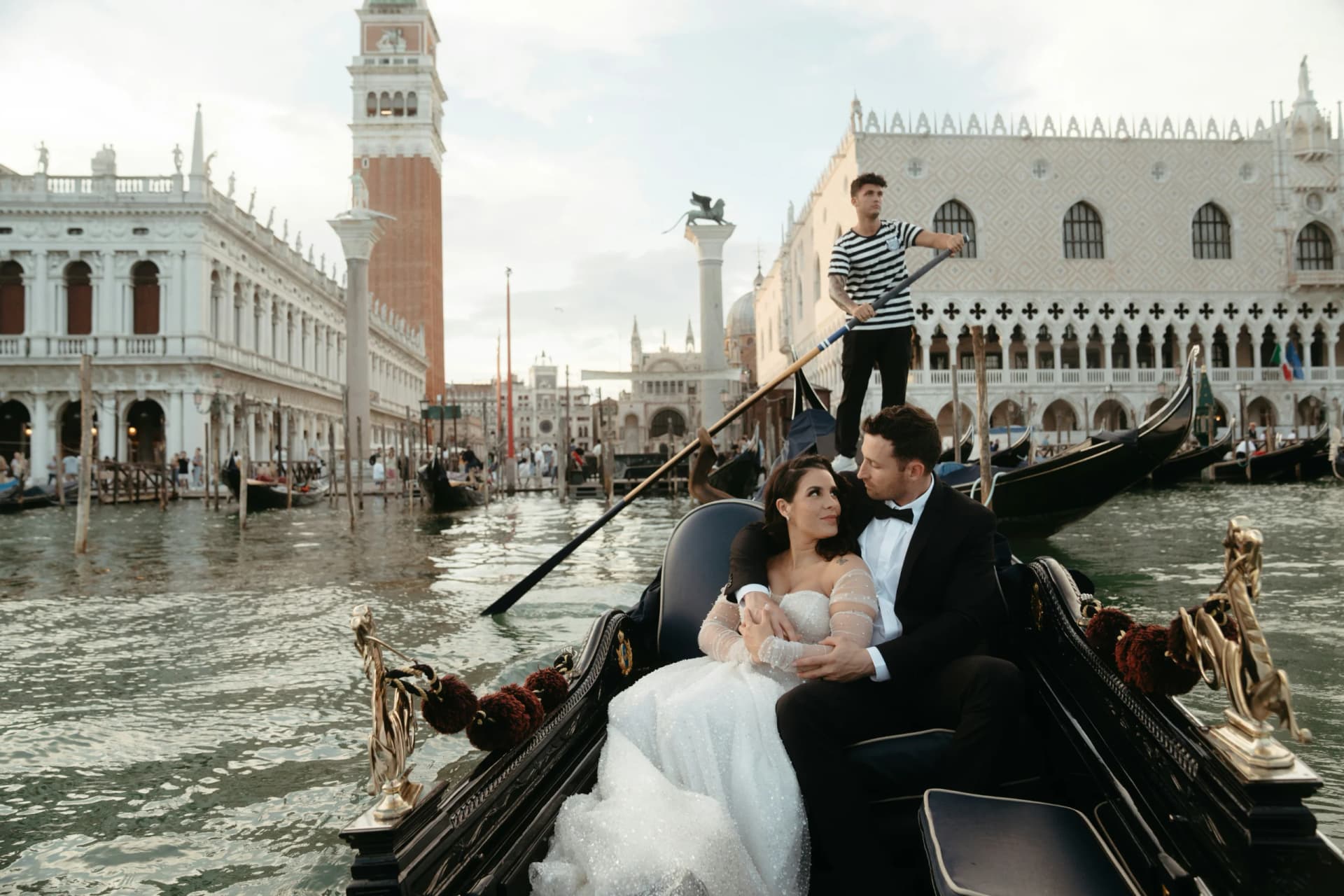
Imagine standing hand-in-hand in a frescoed room at an Italian town hall as the registrar begins the ceremony. Every word is spoken in Italian. If one of you doesn't speak the language, that dreamy moment can quickly become a legal hurdle. Italian law requires that you both understand exactly what you're agreeing to.
That's where a wedding interpreter comes in. This guide explains when you need an interpreter for an Italian wedding, who can take on the role and how to book one without last-minute stress. You'll also learn about the appointments before the big day that need language support. Finally, we'll share ways to keep a bilingual ceremony feeling personal.
Yes, for any civil ceremony where one or both of you don't understand Italian. It isn't a nice-to-have or a formality you can skip. The rule comes straight from Italian civil status law, and registrars apply it strictly.
Italian civil weddings are governed by the Civil Code and by Presidential Decree 396 of 2000, known as DPR 396/2000. Article 66 of that decree covers spouses who don't know Italian, or who are deaf, mute or otherwise unable to communicate. In these cases, the civil registrar (ufficiale dello stato civile) conducts the ceremony with the help of an interpreter. Town hall wedding regulations across Italy cite articles 13 and 66 of the decree as the basis for this rule.
Those same regulations make it clear that finding the interpreter is your job, not the town hall's. The cost is also yours to cover. Some town halls can recommend interpreters, but don't expect them to book one for you.
An Italian marriage rests on free and informed consent. During the ceremony, the registrar reads aloud articles of the Civil Code on the rights and duties of spouses. You then each declare that you want to marry the other. The registrar has to be certain you understood every word before you said "yes".
Your interpreter makes that possible. Before the ceremony begins, they take an oath before the registrar to translate faithfully. Their presence is then noted in your official marriage record.
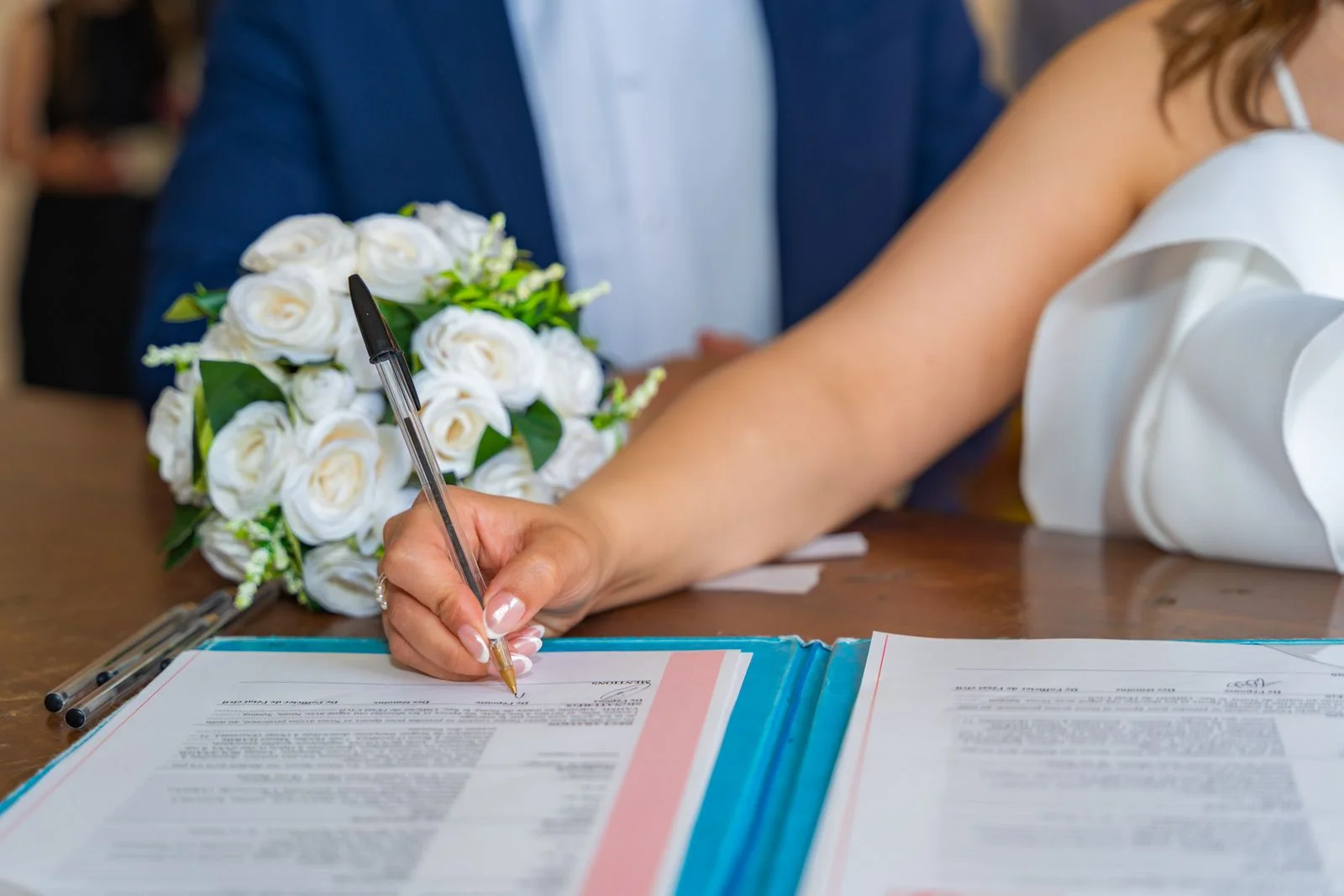
Every Italian civil wedding needs two adult witnesses, usually one for each partner. Many town halls apply the interpreter rule to them too, so a witness who doesn't understand Italian may also need translation. Requirements vary from one comune (municipality) to the next. Always check your town hall's own rules before you finalise your witnesses.
Whether you need an interpreter depends on the type of ceremony you choose. Here's a quick overview before we look at each one.
Ceremony type | Interpreter legally required? | Who sets the rule |
|---|---|---|
Civil ceremony | Yes, if either partner doesn't understand Italian | Italian law and your town hall |
Catholic (concordat) ceremony | Not by civil law, but usually expected | Your parish and diocese |
Other religious ceremony with civil effect | Not by civil law, but usually expected | Your officiant and town hall |
Symbolic ceremony | No | You and your celebrant |
Civil union | Yes, if either partner doesn't understand Italian | Italian law and your town hall |
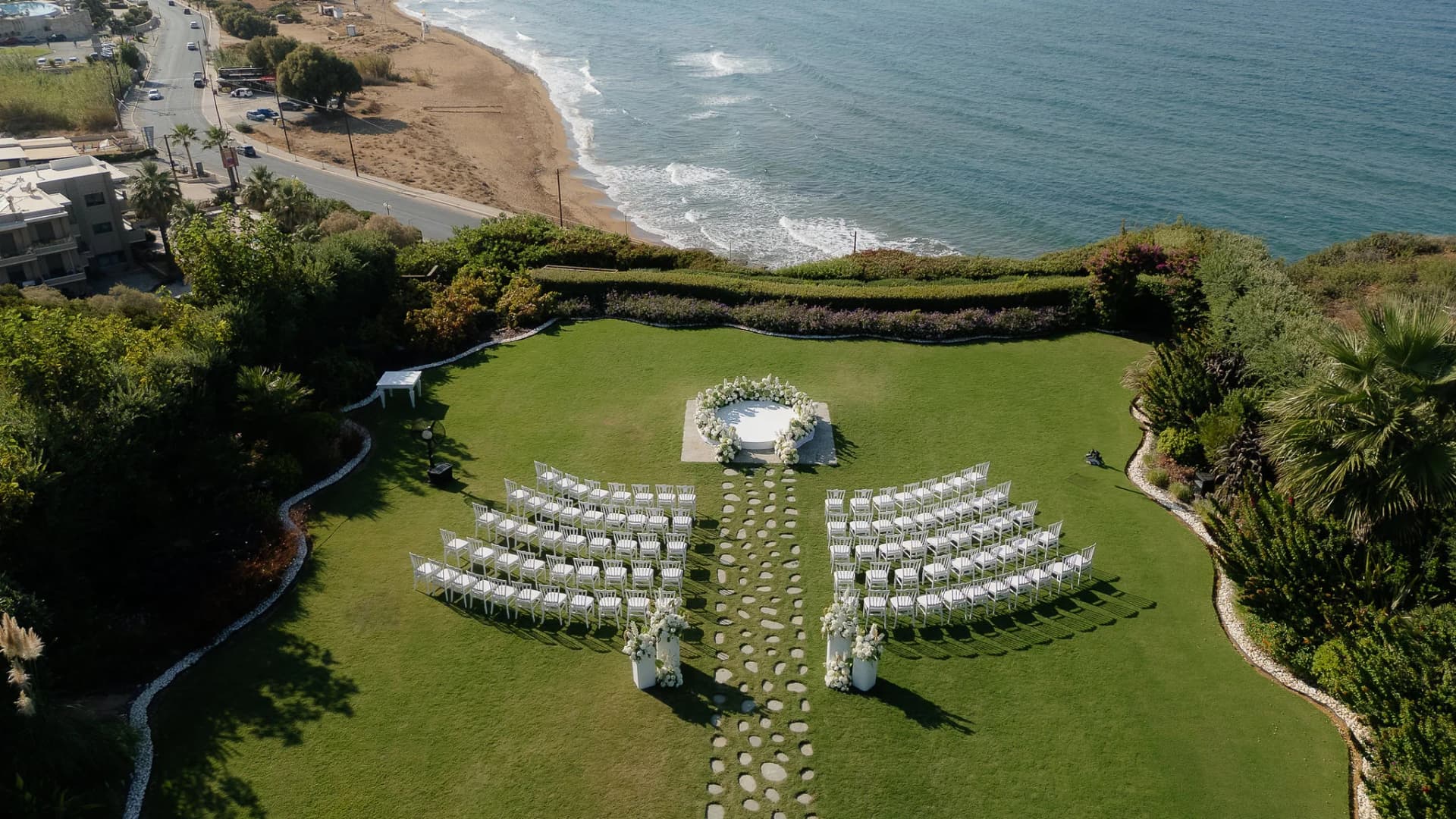
This is where the legal requirement applies in full. Civil ceremonies take place at the town hall or at an approved venue, which can include historic palazzos, villas and castles. Many couples choose settings in Tuscany, on Lake Como or along the Amalfi Coast. Wherever you marry, the registrar won't begin without an interpreter if one of you needs it.

A Catholic wedding in Italy can be legally valid thanks to the Concordat between Italy and the Holy See. The priest reads the relevant Civil Code articles, and the marriage is then registered with the town hall. Language requirements are set by your parish and diocese rather than by the civil registrar. Most churches expect you to understand the rite, so plan for an interpreter or a bilingual priest.
Non-Catholic ceremonies can also be legally binding when performed by an officiant authorised under Italian law. The officiant reads the Civil Code articles, receives your declarations before two witnesses and draws up the record in Italian. If either of you doesn't speak Italian, expect to need an interpreter. Confirm the details with both your officiant and the town hall early on.
A symbolic ceremony has no legal effect in Italy, so there's no legal interpreter requirement. Many couples marry legally at home first, then celebrate with a symbolic ceremony in Italy. You're free to hold it in any language, often led by a bilingual celebrant. If you're still choosing your format, our guide to planning your destination wedding walks you through the options.
Same-sex couples can enter a civil union in Italy under Law 76 of 2016. The same interpreter rule applies here. Under Legislative Decree 5 of 2017, a partner who doesn't know Italian must be assisted by an interpreter. Booking and timing work just as they do for a civil wedding.
The ceremony isn't the only time Italian will be spoken. Several official appointments come first, and some of them are just as formal. Planning language support for these early saves you from scrambling later.
A few days before the wedding, you'll usually attend an appointment at the town hall to present your documents. Here you formally declare your intention to marry, often called the Promessa di Matrimonio. The registrar checks your paperwork and asks you to confirm key details. If you need an interpreter at the ceremony, you'll almost certainly need one at this appointment too.
Depending on your nationality, you may need to swear declarations before you can marry in Italy. For example, US citizens often need an Atto Notorio, a sworn statement made before four witnesses at an Italian consulate in the US or a court in Italy. Appointments held in Italian may require an interpreter, so ask ahead. Your consulate or embassy can confirm exactly which documents apply to you.
No law says you need an interpreter to meet your florist or tour a villa. Still, many local suppliers speak limited English, especially in smaller towns. A bilingual planner or interpreter helps you avoid costly misunderstandings over menus, timings and contracts. Think of it as protection for every decision you make.
These two roles sound similar, but they do very different jobs. An interpreter works with the spoken word, live and in the room. A sworn translator works with written documents, producing official translations that authorities will accept. Many couples marrying in Italy need both at some point.
Interpreter | Sworn translator | |
|---|---|---|
Works with | Spoken language | Written documents |
When you need one | Declaration of intent and ceremony | Before and after the wedding |
Typical tasks | Translating the registrar, your vows and your answers | Translating birth certificates, declarations and your marriage certificate |
Before the wedding, any documents not in Italian usually need an official Italian translation. Some also need an apostille, a stamp that certifies a document for use abroad. After the wedding, your Italian marriage certificate may need translating so it can be recognised at home. Some professionals offer both services, but always check that a translator is qualified to provide sworn translations.
Italian law doesn't demand a certified professional for a wedding ceremony. What it does demand is someone the registrar trusts to translate accurately. That leaves you with a real choice, and it's worth weighing carefully.
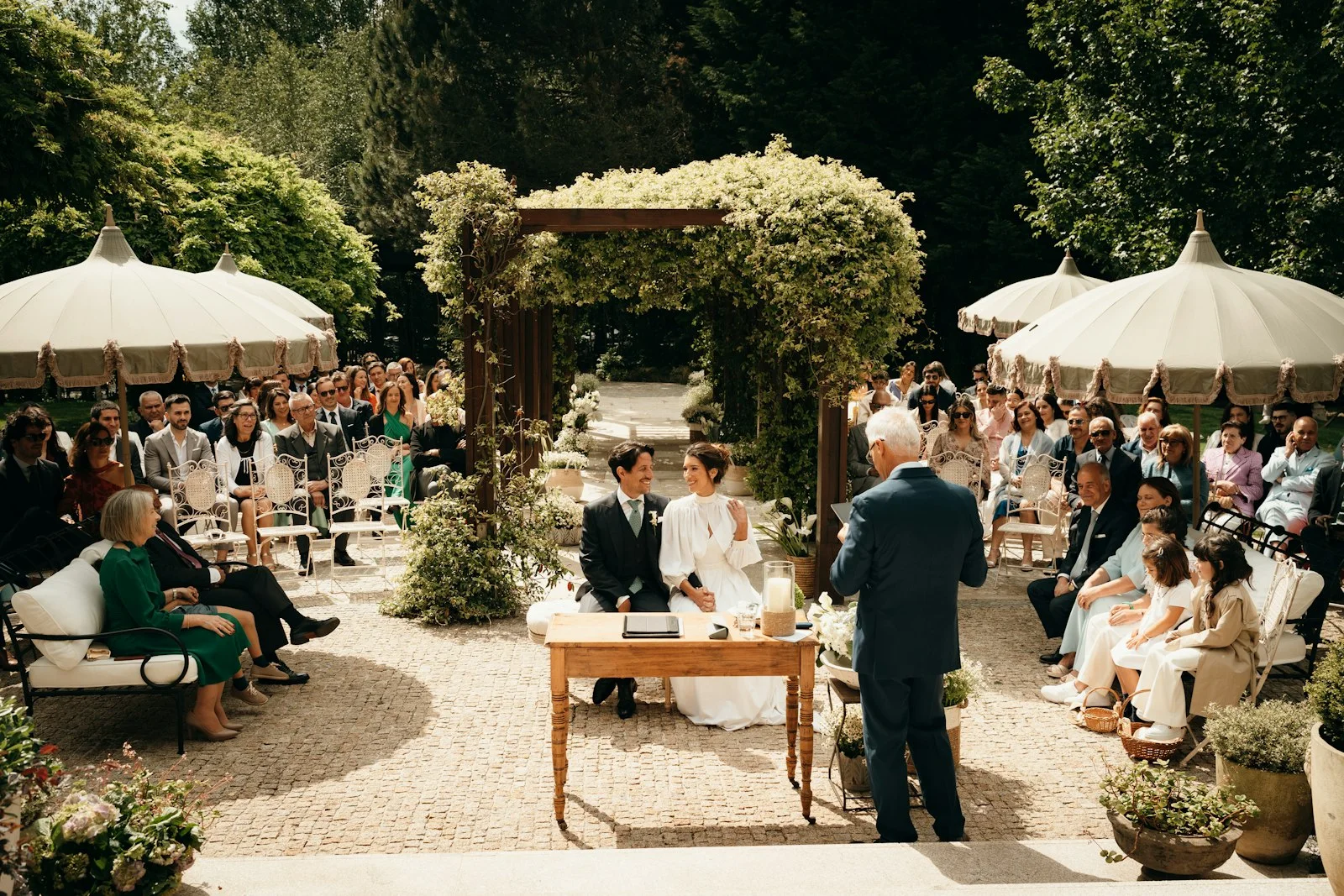
A bilingual friend can step into the role if they meet the town hall's requirements. It can feel lovely to have someone close to you translating such a meaningful moment. However, interpreting a legal ceremony is harder than it looks, and nerves can get in the way. Some planners also advise against asking close family, so your loved ones can simply enjoy the day.
Whoever you choose must be an adult who speaks Italian and your language fluently. They'll need valid photo ID, and the town hall will usually ask for a copy in advance. Your interpreter can't also act as one of your witnesses, because the two roles must stay separate. On the day, they'll take an oath before the registrar to translate faithfully.
A professional wedding interpreter knows the ceremony's legal wording inside out. They know how registrars work, so the ceremony keeps its rhythm instead of stalling between sentences. They also come prepared for the unexpected, from a change of registrar to a last-minute reading. For a once-in-a-lifetime moment, that calm expertise is worth the investment.
Start looking as soon as your date and venue are confirmed. Good wedding interpreters book up quickly, especially from May to September. Popular regions such as Tuscany and Lake Como are busiest of all.
Timing matters at the town hall too. Many comuni require your interpreter to present themselves to the registrar at least seven days before the ceremony. This lets the registrar check their ID and confirm they're suitable. Rules differ between towns, so ask your town hall for its exact deadline.
When you contact an interpreter, have these details ready:
Your wedding date, time and venue
The town hall handling your ceremony
The type of ceremony: civil, religious or civil union
The language you need, and whether any witnesses also need translation
Whether you need them at the declaration of intent as well as the ceremony
Any personal vows or readings you'd like to include
Fees vary by region, language and the number of appointments involved. Ask for a quote that covers both the declaration and the ceremony, plus any travel. For more planning essentials, download our free Destination Wedding Guide.
A legal ceremony doesn't have to feel like a legal process. With a little planning, translation becomes part of the romance rather than an interruption. Here's how to keep the focus on the two of you.
Add your own words: The official wording is fixed, but many registrars allow personal vows, readings or a special ring exchange. Share these with your interpreter well in advance. They can prepare a polished translation, so your words land just as you intended.
Choose the right interpreting style: Most wedding interpreters work consecutively, translating a sentence or two after the registrar speaks. This keeps everything clear and gives the ceremony a gentle rhythm. Ask your interpreter to rehearse the flow with you so nothing feels rushed.
Bring your guests along: A bilingual printed programme helps guests follow each part of the ceremony. You can also share the ceremony outline on your wedding website ahead of time. Wonderland Studio offers free planning tools, including Mediterranean wedding website templates that suit an Italian celebration.

Remember that frescoed room and the registrar speaking in Italian? With the right interpreter beside you, every word becomes yours to understand and to mean. The rule itself is simple: if either of you doesn't understand Italian, a civil ceremony needs an interpreter. Plan for the declaration of intent, book early and brief your interpreter on your personal touches.
Get these details right, and language stops being a hurdle. It becomes part of what makes your Italian wedding unforgettable. Your "sì" will mean exactly what you want it to, in every language that matters to you.
Written by

SEO Specialist
Ayrton Christian Braga is an SEO Specialist at Wedded Wonderland, where he writes optimized articles and web pages that center on destination weddings, cultural wedding traditions, and guides for everything in between.