There are wedding trends, and then there are wedding moments that feel bigger than trends. This is one of them.
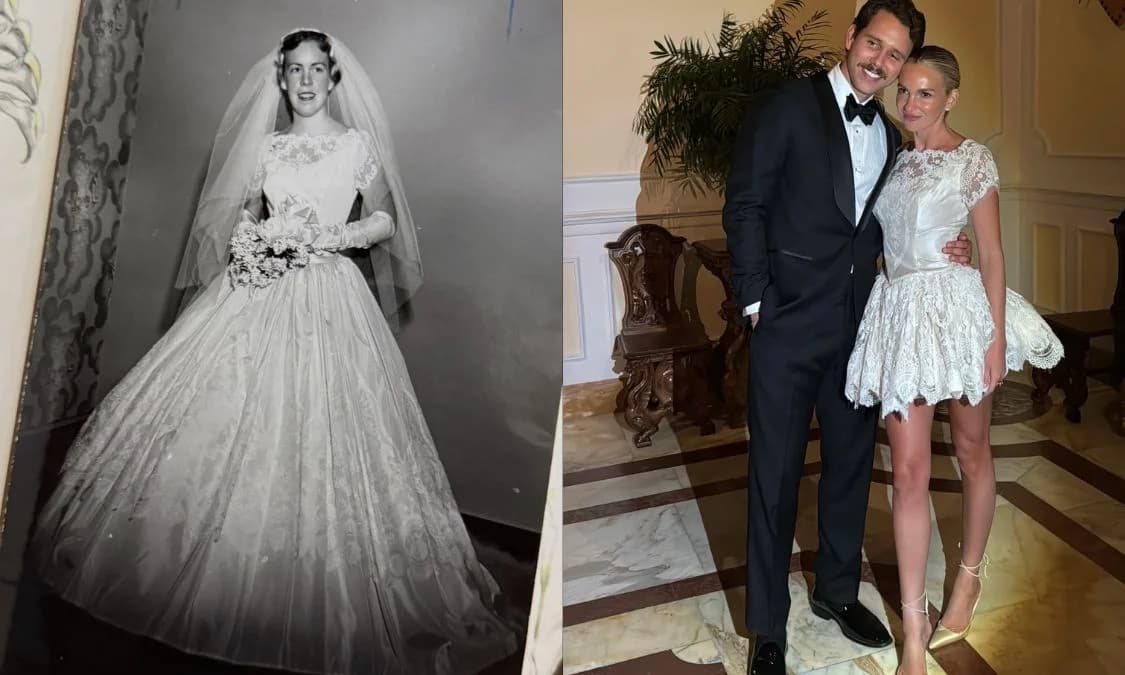
When bride Cody Brewer married Kellen Brewer in Siena, Italy on September 28, her bridal wardrobe included something no one else could possibly replicate. For her reception, she wore her grandmother Mary Ann Perry’s original 1957 wedding gown, thoughtfully transformed into a modern minidress.
It was not a replica. It was not “inspired by.” It was the actual dress, reimagined nearly seventy years later. And in a wedding landscape obsessed with personalization, this might be the most meaningful detail of all.
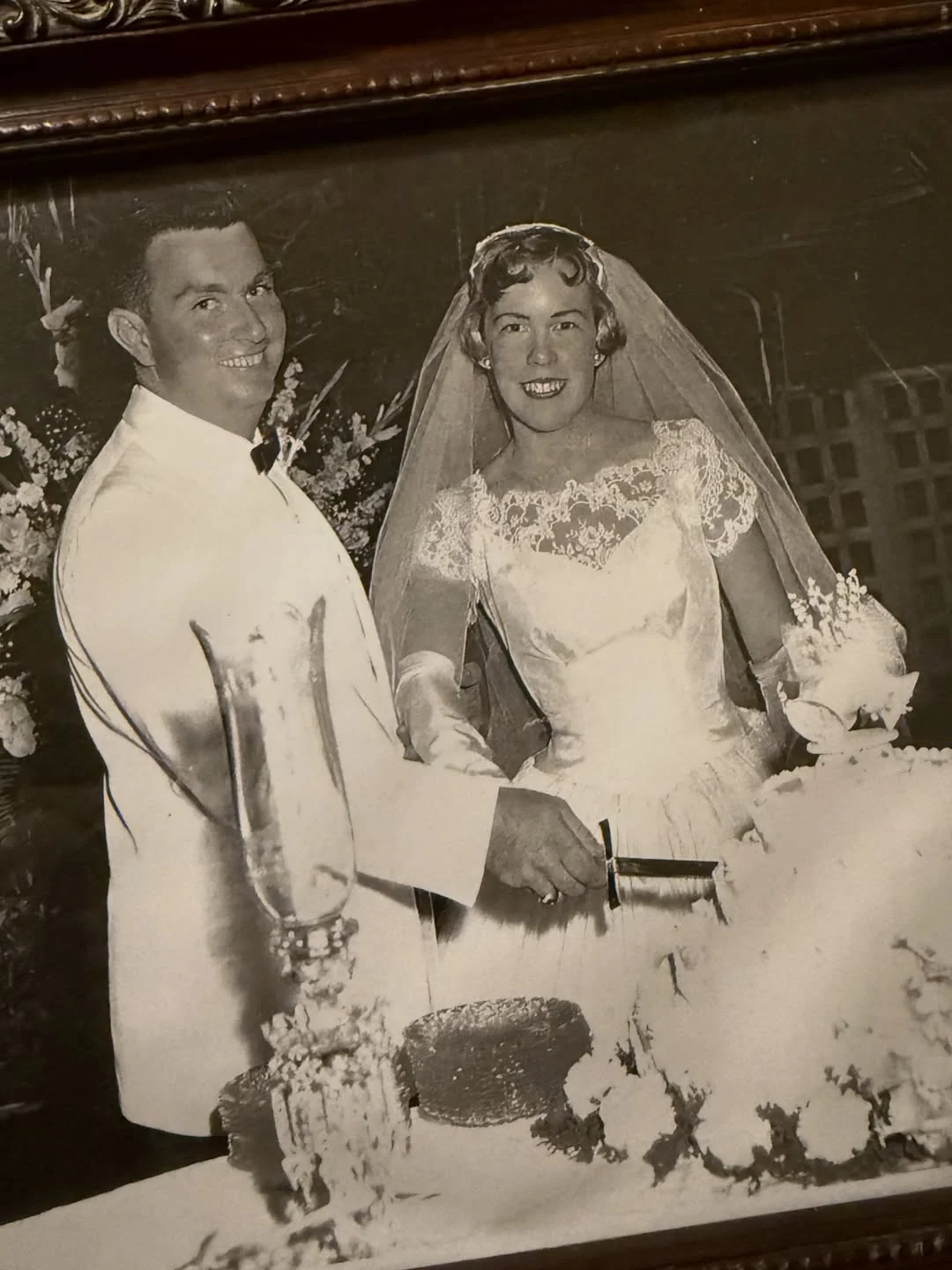
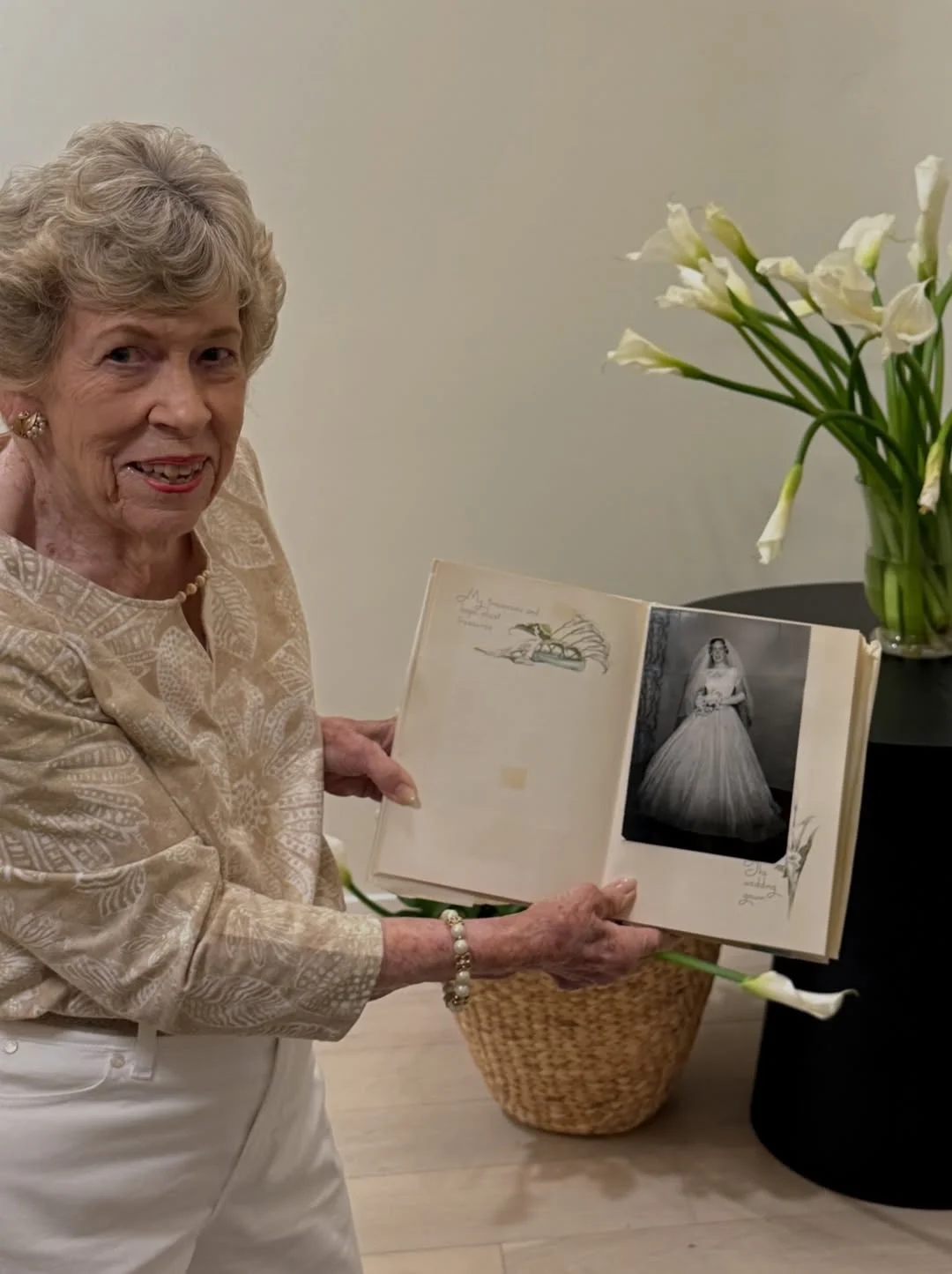
Mary Ann Perry first wore the gown on July 5, 1957. After that day, it was carefully stored away for decades, tucked in the back of a closet like many heirloom dresses are. Preserved, but rarely revisited.
Last year, Cody tried it on.
Unexpectedly, it fit her perfectly. That moment changed everything. Instead of letting the gown remain a sentimental keepsake, she decided to give it a new life on her own wedding day.
Her grandmother was unable to travel to the destination wedding in Italy, which made incorporating the dress even more meaningful. Wearing it became a way to bring her grandmother’s presence into the celebration, even from afar.
This was not about vintage for the sake of aesthetic. It was about connection.
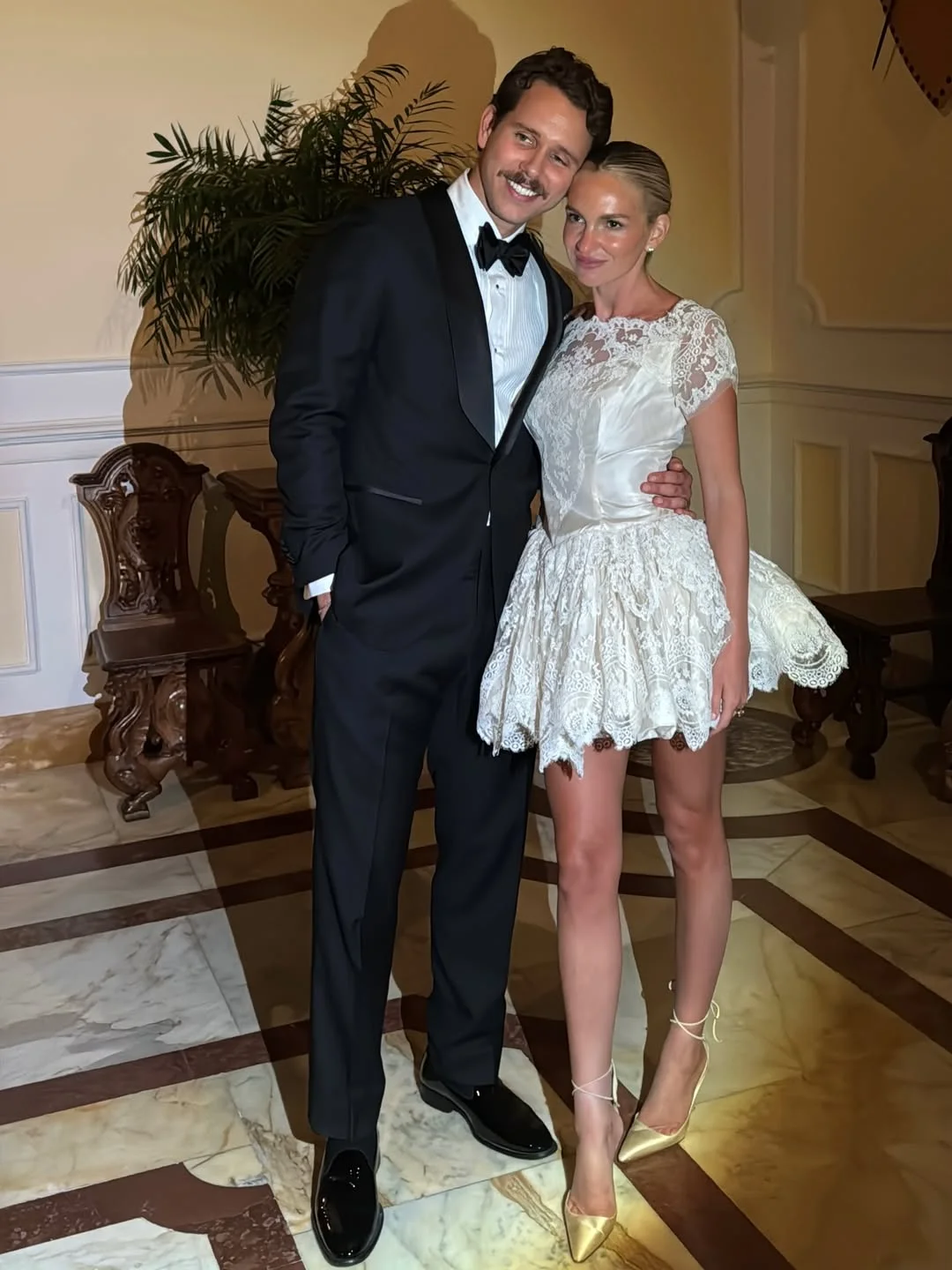
Cody had already chosen a separate gown for her ceremony. For the reception, she envisioned something lighter and playful, ideally a bubble hem mini that would allow her to move freely and dance comfortably.
Instead of purchasing a new second look, she saw potential in what she already had.
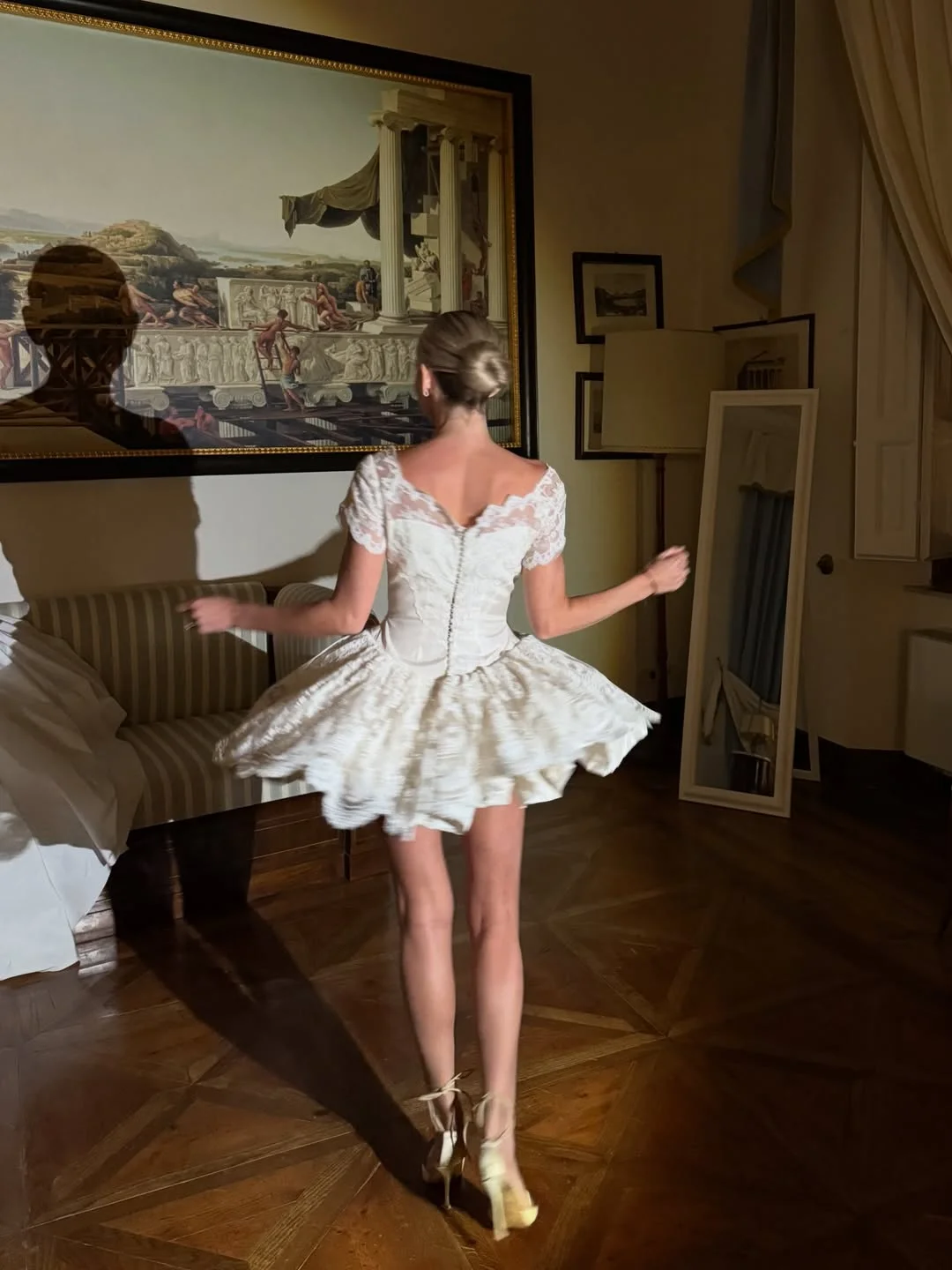
The original gown featured floral lace, a drop waist silhouette, delicate buttons down the back, and fabric that had developed a soft patina over time. The bodice was preserved almost entirely, maintaining the integrity of the original craftsmanship. The skirt, however, underwent a careful evolution.
Working with a seamstress experienced in handling vintage garments, Cody spent roughly six months transforming the gown. The process was gradual and intentional. Different silhouettes were tested, including a high low shape, before the final decision was made to shorten it to mid thigh. The finished look included a voluminous bubble hem that gave the dress a playful, rounded structure without losing its romantic quality.
The result balanced eras beautifully. It felt historic yet modern, sentimental yet fashion forward.
One of the most practical advantages of the transformation was comfort. Ceremony gowns, especially those with long trains, can feel heavy and restrictive. Changing into the vintage minidress allowed Cody to fully enjoy her reception without worrying about managing layers of fabric.
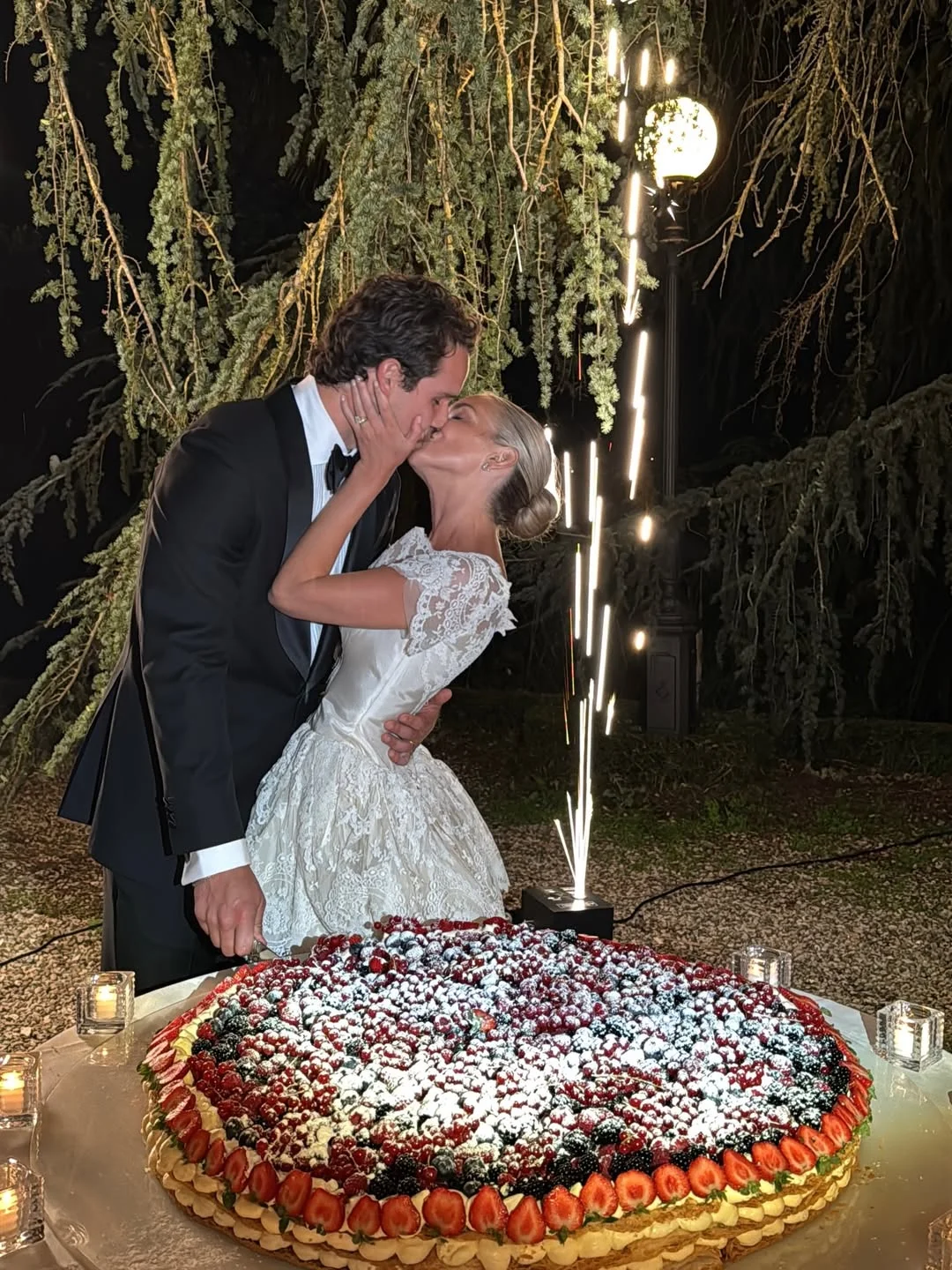
The shorter silhouette brought a fresh energy to the evening while still honoring the history of the garment. It created a visual contrast between ceremony and reception, marking the shift from formal vows to celebration.
Family members were deeply involved in the process, especially Cody’s mother, since the gown came from her side of the family. For them, seeing the dress revived instead of forgotten carried emotional weight. What could have remained an archived memory became part of a new one.
The transformation video later shared online resonated widely, with more than 130,000 people liking the compilation. Brides and fashion enthusiasts alike were drawn to the idea of heirloom reinvention.
This story speaks to a larger shift in wedding culture. Brides today are rethinking tradition, not discarding it but reshaping it.
Heirloom dresses were once treated as untouchable artifacts. Now, they are being tailored, redesigned, and customized to suit contemporary style. The goal is not preservation for preservation’s sake. It is relevance.
Turning a grandmother’s gown into a reception mini reflects several modern bridal priorities: sustainability over excess, sentiment over spectacle and personal storytelling over mass trends.
It also challenges the idea that vintage must remain frozen in time. Fabric can evolve. Silhouettes can shift. Meaning can deepen.
If you have access to a family gown, it may be worth revisiting it with fresh eyes.
That does not automatically mean shortening it or dramatically altering it. Sometimes subtle tailoring is enough. Other times, a full redesign makes sense. The key is thoughtful collaboration with a skilled seamstress who understands vintage textiles.
There are practical considerations. Older fabrics can be delicate. Lace may need reinforcement. Yellowing can be embraced as character or carefully treated. The process requires patience and expertise.
But when done intentionally, the result is incomparable. You are not simply wearing a dress. You are wearing continuity.
Cody Brewer’s reception minidress proves that the most powerful wedding fashion statements are not always new. Sometimes they are rediscovered.
A gown that once symbolized a 1957 love story now holds a second one. It carries two generations of commitment stitched into the same seams.
In a world where bridal trends change by the season, this kind of detail endures. It cannot be ordered online. It cannot be duplicated. It can only be inherited, imagined, and brought back to life.
And that might be the most stylish move of all.
For more real wedding stories, fashion transformations, and meaningful bridal inspiration, follow Wedded Wonderland. For structured planning and early alignment, Wedded Concierge begins with a dedicated strategy session prior to any recommendations.
Search real weddings, venues and vendors from around the world.
Search Wedded Wonderland