Invited to a Chinese wedding and unsure what is expected of you? You are in good company. A Chinese wedding is a sequence of named rituals starting months before the day: the guo da li betrothal gifts, the hair combing the night before, the door games, and the tea ceremony that matters most. Here is each, in order.
You read correctly. A traditional Chinese custom demands one month before the wedding, the bride must cry on purpose for an hour each day. One week in, the mother of the bride will join in, two weeks in the grandmother and finally the sisters of the bride. The custom is meant to signify extreme happiness towards the upcoming nuptials, and on the wedding day, a crying marriage song must be sung and the bride will be judged on how beautifully she can do this.
Not as deadly as it sounds! The groom must shoot three arrows (none with arrow heads!) at the bride. When it is done, the groom will pick them up and break them in half to signify their love for each other is forever.
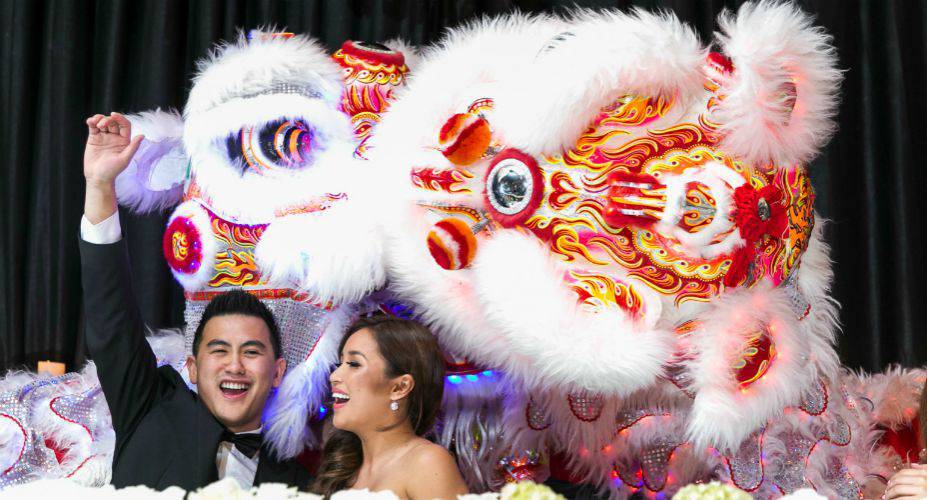
Image from Joanne and Jonny’s wedding. Photography by Papercranes.
Red is the colour of love, luck and boldness in Chinese culture. They believe the colour holds so much importance that on the day of the wedding, the Bride will have her face completely covered in a red veil and travel in a red bridal sedan, whilst the mother of the bride holds a red umbrella above the bride head to symbolise fertility all the way to the ceremony.
Not for the faint-hearted, this tradition is rare but extreme. The day after the wedding, the bride is to have all but one lock of her hair shaved off to symbolise beauty and cleanliness. Thanks, but no thanks!
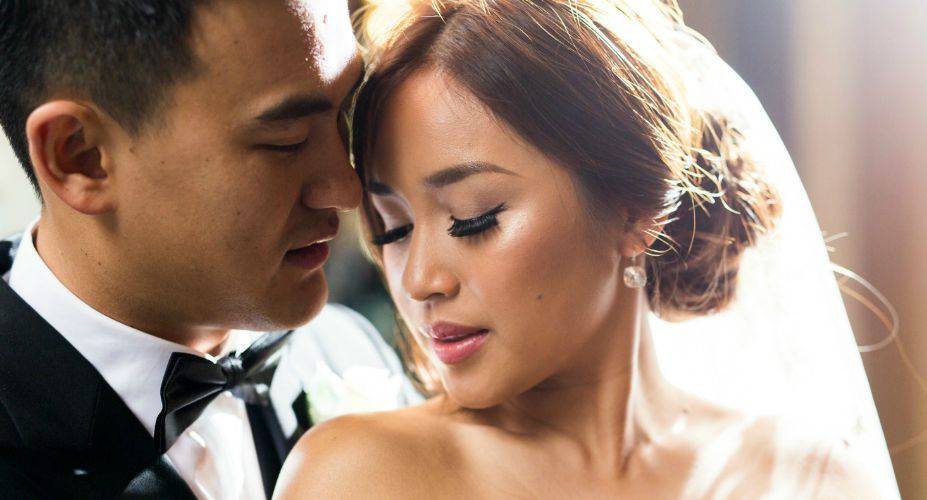
Image from verawang.com
On the night of the wedding, the bride and groom go through a series of rituals which includes the bride eating a half cooked dumpling to symbolize the raw-ness of giving birth to a child. Let’s hope it’s not chicken!
Dating back to when the brides family did not condone the marriage between her and her betrothed, the family and friends of the bride would block the groom when he came to pick her up for the wedding. The door game is all good natured and fun nowadays, with the groom having to answer questions and bargain his way to his bride!
The tea ceremony is a cherished tradition in Chinese weddings, representing the respect and gratitude the couple has for their parents. During the ceremony, the newlyweds serve tea to their parents and elder relatives as a way of expressing their filial piety and seeking their blessings. It is a touching and intimate moment that highlights the importance of family in Chinese culture.
Photo from Elyse Whall of Plum & Oak Photo
You might have come across the iconic Chinese character “囍” (pronounced as “xi” in Mandarin), known as the “Double Happiness” symbol. It is often displayed prominently during Chinese weddings. The character is a combination of two “喜” (xi) characters, representing the joy of the union between the bride and groom. It is considered a talisman for marital bliss and is found on various wedding decorations, such as the couple’s attire, invitations, and even the wedding cake.
The dragon and phoenix hold significant symbolism in Chinese culture, representing masculine and feminine energies, respectively. In weddings, you will often find the dragon and phoenix motif incorporated into the couple’s attire, especially on the bride’s gown. This symbolizes the harmony and balance between the couple, as well as their wish for a successful and blissful marriage.
One of the lighthearted traditions in Chinese weddings is the nuptial bed games. Before the wedding night, friends and family of the couple play games and pranks to create a joyous and festive atmosphere. The games are meant to symbolize the challenges and humor that come with married life. It is a fun-filled tradition that adds a touch of playfulness to the celebrations.
Chinese weddings are often accompanied by the loud sounds of firecrackers. The purpose of the firecrackers is twofold. Firstly, they are believed to scare away evil spirits and ensure a harmonious beginning for the couple. Secondly, the loud noise of the firecrackers is thought to attract the attention of the entire community, announcing the joyous occasion and inviting well wishes from neighbors and friends.
Betrothal gifts, known as “Guo Da Li,” are an important part of Chinese wedding customs. These gifts are presented by the groom’s family to the bride’s family as a gesture of goodwill and respect. The gifts typically include items such as tea, dried fruits, jewelry, and even money. The act of giving betrothal gifts symbolizes the sincerity of the groom’s intentions and his ability to care for the bride.
In traditional Chinese weddings, the bride is carried in a beautifully decorated sedan chair from her family’s home to the groom’s house. The sedan chair, adorned with red tassels and auspicious symbols, is carried by four or six bearers. This practice symbolizes the bride’s transition from her family’s home to her new life with her husband. It is a visually captivating tradition that showcases the elegance and grace of the bride.
Chinese wedding banquets are grand affairs that bring together family, friends, and well-wishers to celebrate the union of the couple. The banquet typically features multiple courses of sumptuous dishes, symbolizing abundance and prosperity. Traditional Chinese delicacies, such as Peking duck, sweet and sour fish, and longevity noodles, are often served. The wedding banquet is not only a feast for the palate but also an opportunity for guests to toast and offer their blessings to the newlyweds.
Photo from Elyse Whall of Plum & Oak Photo
Last but not least, red envelopes, known as “hongbao,” are an integral part of Chinese wedding traditions. Guests present these envelopes containing money to the couple as a gesture of good luck and blessings. The amount of money is usually an even number, as odd numbers are associated with funerals. The red color of the envelope symbolizes good fortune, and the act of giving hongbao signifies the guests’ support and well wishes for the couple’s future.
The night before the wedding, a woman considered to have good fortune, married, with children, combs the bride's hair four times, each stroke carrying a wish: a union to the end, harmony, sons and daughters, a full life together. The groom's family does the same for him. It is quiet, it is done at home, and it is one of the oldest rituals still kept.
Dates are chosen against the Chinese almanac and the couple's zodiac signs, often with help from a feng shui master or an elder who keeps the calendar. Some families will move a whole wedding by a month rather than accept an unlucky date, and the number eight turns up wherever it can.
Traditionally the groom's family carries the bulk of the cost through the betrothal gifts and the banquet, while the bride's family provides the dowry. A portion of the betrothal gift is always returned, because accepting all of it would suggest a daughter had been sold. Most couples now split the cost, and the betrothal gift survives as a symbolic amount rather than a transfer of wealth.
Three days after the wedding the bride returns to her parents' home, with her husband and with gifts. It is the formal close of the wedding and the point at which the two families are considered joined.
Planning a Chinese wedding abroad and want vendors who understand the ceremony? Speak with a Wonderland Luxury Advisor, browse destination weddings in Asia, or read our Greek wedding traditions guide.
Image from Joanne and Jonny’s wedding. Photography by Papercranes.
Main image from bridalfishion.com
Search real weddings, venues and vendors from around the world.
Search Wedded Wonderland