The 2026 Met Gala may have been centered around “Costume Art,” but somewhere between the couture and the conceptual fashion, bridal trends quietly stole the spotlight.
This year’s theme, “Fashion Is Art,” pushed celebrities and designers toward looks that felt sculptural, emotional, and deeply intentional. The result was a red carpet filled with silhouettes, fabrics, and styling choices that brides are already bookmarking for future weddings.
Because bridal fashion no longer exists in its own bubble.
Today’s brides pull inspiration from everywhere. Runways. Red carpets. Vintage paintings. Pop culture. And this year’s Met Gala proved exactly why. Beneath the theatricality were wearable details that could easily translate to ceremonies, receptions, after-parties, and editorial bridal moments.
From veils that looked almost futuristic to corsetry that felt romantic rather than restrictive, these were the bridal trends hiding in plain sight on the Met steps.

One of the most unforgettable bridal-adjacent moments of the night came from Lisa in custom Robert Wun.
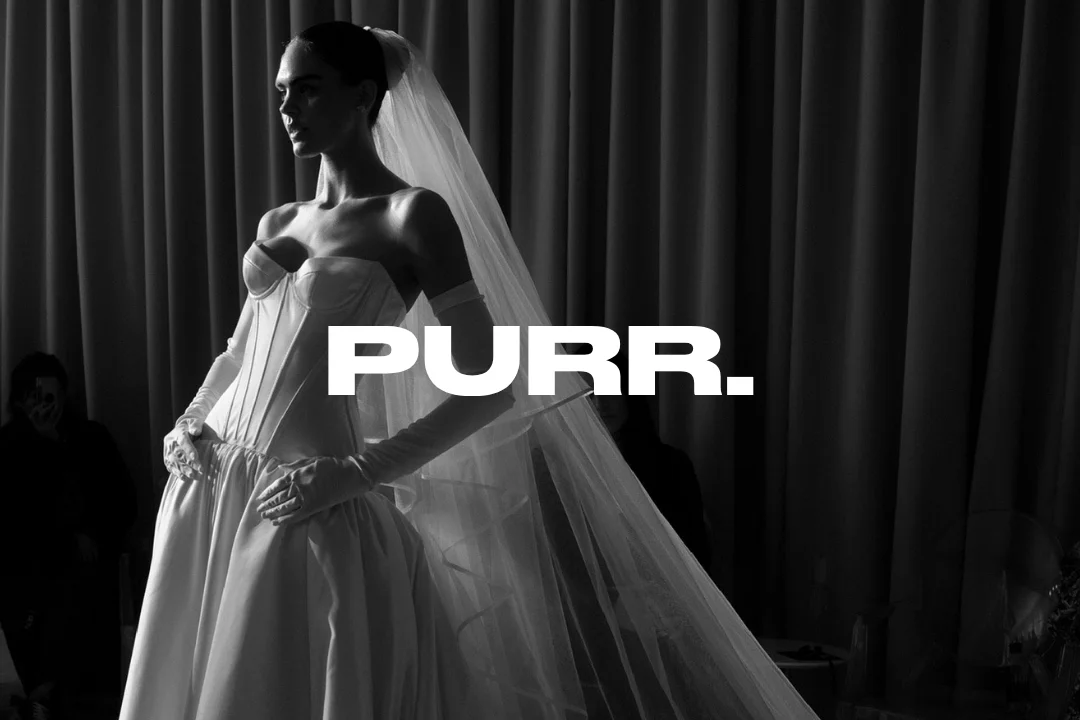
The look featured a sheer white veil suspended by sculptural 3D-printed arms inspired by traditional Thai dance positions. It felt haunting, futuristic, and strangely bridal all at once.
And while most brides may not walk down the aisle surrounded by floating sculptural arms, the real takeaway is the evolution of the veil itself. Veils are no longer just accessories. They are becoming the centerpiece.
Expect brides to lean into sparkle-coated tulles, architectural layering, dramatic placements, and veils that feel immersive rather than delicate. The modern veil is turning into a full styling moment instead of a finishing touch.

The return of the bubble hem officially made its entrance thanks to Blue Ivy Carter in custom Balenciaga.
Her cream strapless gown with a voluminous bubble hem felt playful without losing polish. And honestly, it makes perfect sense for bridal fashion’s current mood.
Brides are moving away from overly stiff silhouettes and toward shapes that feel expressive, youthful, and easier to move in. Bubble hems bring volume without heaviness. They photograph beautifully while still feeling light enough for dancing.
It also taps into the growing rise of shorter reception looks and fashion-forward second dresses. The silhouette feels nostalgic in the best way, but refreshed enough to feel current again.

White bridalwear is not disappearing. But black accents are slowly entering the conversation.
Elizabeth Debicki wore draped Vera Wang couture with subtle black detailing, while Karina appeared in a crystal-embroidered Prada gown paired with a dramatic satin cape.

The appeal lies in contrast. Black detailing sharpens bridal softness. It creates dimension, mood, and a touch of edge without overpowering the romance.
For modern brides, this trend works beautifully through gloves, ribbon trims, capes, lining details, shoes, or even monochromatic reception styling.
It feels less “traditional bride” and more “fashion bride.”

Three-dimensional florals dominated the carpet this year, especially on Daisy Edgar-Jones in custom Alexander McQueen and Miranda Kerr in Dior.

These were not soft appliqués casually scattered onto gowns. They were sculpted, textured, layered, and intentional.
The reason brides will love this trend is because it creates movement and dimension without relying on heavy embellishment. Florals suddenly feel less sweet and more couture.
Miranda Kerr’s structured peplum and floating embroidered skirt especially captured the direction bridalwear is heading toward: contrast. Structure against softness. Opacity against transparency. Romance against sharp tailoring.
Bridal fashion is becoming more architectural, and these florals prove decoration can still feel modern.

Corsetry has been making a comeback for years, but the Met Gala showed a softer evolution of it.

Adwoa Aboah wore a romantic Simone Rocha ensemble combining a structured corset with sheer florals, while Rachel Zegler wore a corseted Prabal Gurung gown inspired by classical painting.
Today’s corsetry is less about restriction and more about shape. Brides love it because it creates structure while still allowing softness elsewhere in the look.
The contrast between a fitted bodice and airy fabrics feels timeless for a reason. It creates balance.

Soft draping quietly became one of the strongest bridal references of the night.
Ayo Edebiri wore layered white drapery with feathered accents, while Kendall Jenner appeared in a cream sculptural gown inspired by the Winged Victory of Samothrace.

This type of draping feels effortless but elevated. Brides are gravitating toward fabrics that move naturally rather than stiff constructions that feel overworked.
The beauty of drapery is emotional. It photographs softly, catches movement beautifully, and gives bridalwear a sense of ease.

Perhaps the biggest bridal takeaway from the Met Gala was color.
Georgina Rodríguez wore icy blue silk with floral embroidery and a veil, while Camila Morrone embraced soft blush tones in custom Tory Burch.

Brides are no longer limiting themselves to pure white. Soft blue, champagne, blush, silver, and icy neutrals are becoming increasingly appealing because they still feel bridal without feeling expected.
Color now feels intentional rather than rebellious.
The Met Gala may exist worlds away from the wedding aisle, but this year’s carpet proved the distance between fashion fantasy and bridalwear is getting smaller.
Brides want emotion, individuality, and fashion that feels expressive. And the 2026 Met Gala delivered exactly that.
Not just dresses. Ideas.
For more bridal trends, couture inspiration, and fashion moments worth saving for your future wedding mood board, follow Wedded Wonderland. For structured planning and early alignment, Wedded Concierge begins with a dedicated strategy session prior to any recommendations.
Search real weddings, venues and vendors from around the world.
Search Wedded Wonderland