Love is in the air and apparently, so is legislation. In what’s being called the biggest overhaul to marriage law since the 19th century, the UK is finally saying “I do” to modernizing its wedding laws.
Announced earlier this month, these sweeping reforms could do more than just make weddings feel more personal, they might also inject £535 million into the British economy and create 12,000 new jobs.
It’s a move that’s been a long time coming. For decades, couples in England and Wales were bound by outdated restrictions that limited where and how they could marry. But this reform could completely redefine what a “legal wedding” looks like, from beachfront vows to heritage-site ceremonies.
Because love isn’t one-size-fits-all, right?
The biggest shift is in where couples can tie the knot. Under the new framework, the law will regulate officiants instead of buildings, meaning the person marrying you, not the venue, determines the legality of your ceremony.
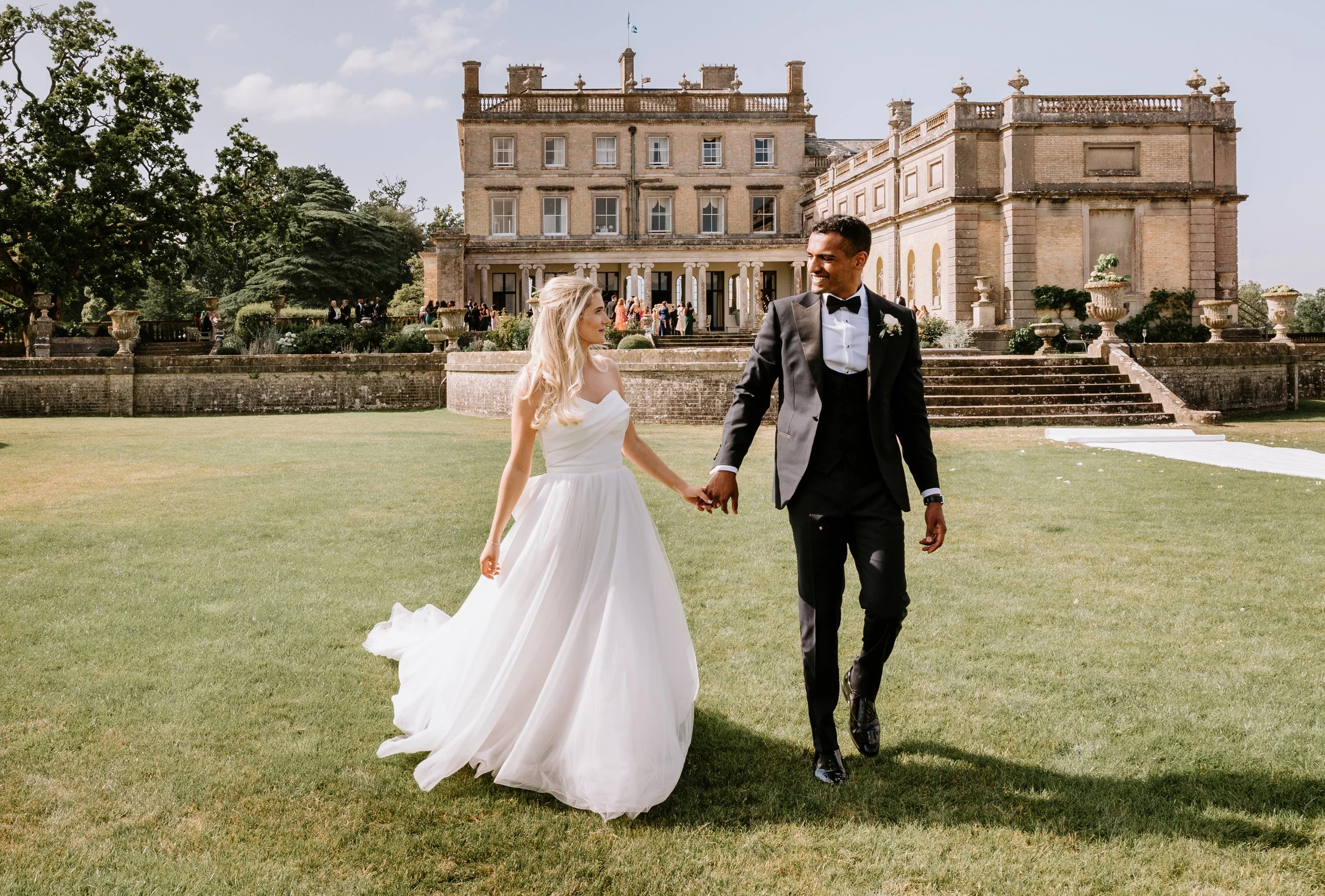
Translation: weddings might finally break free from the four walls of licensed venues. Soon, couples could legally exchange vows on a cliffside, in a castle, on a beach, or under an ancient oak tree, as long as the site is considered “appropriate and dignified.”
It’s a refreshing change for couples craving creativity and intimacy in their celebrations and for wedding planners, it’s an open invitation to dream bigger than ever.
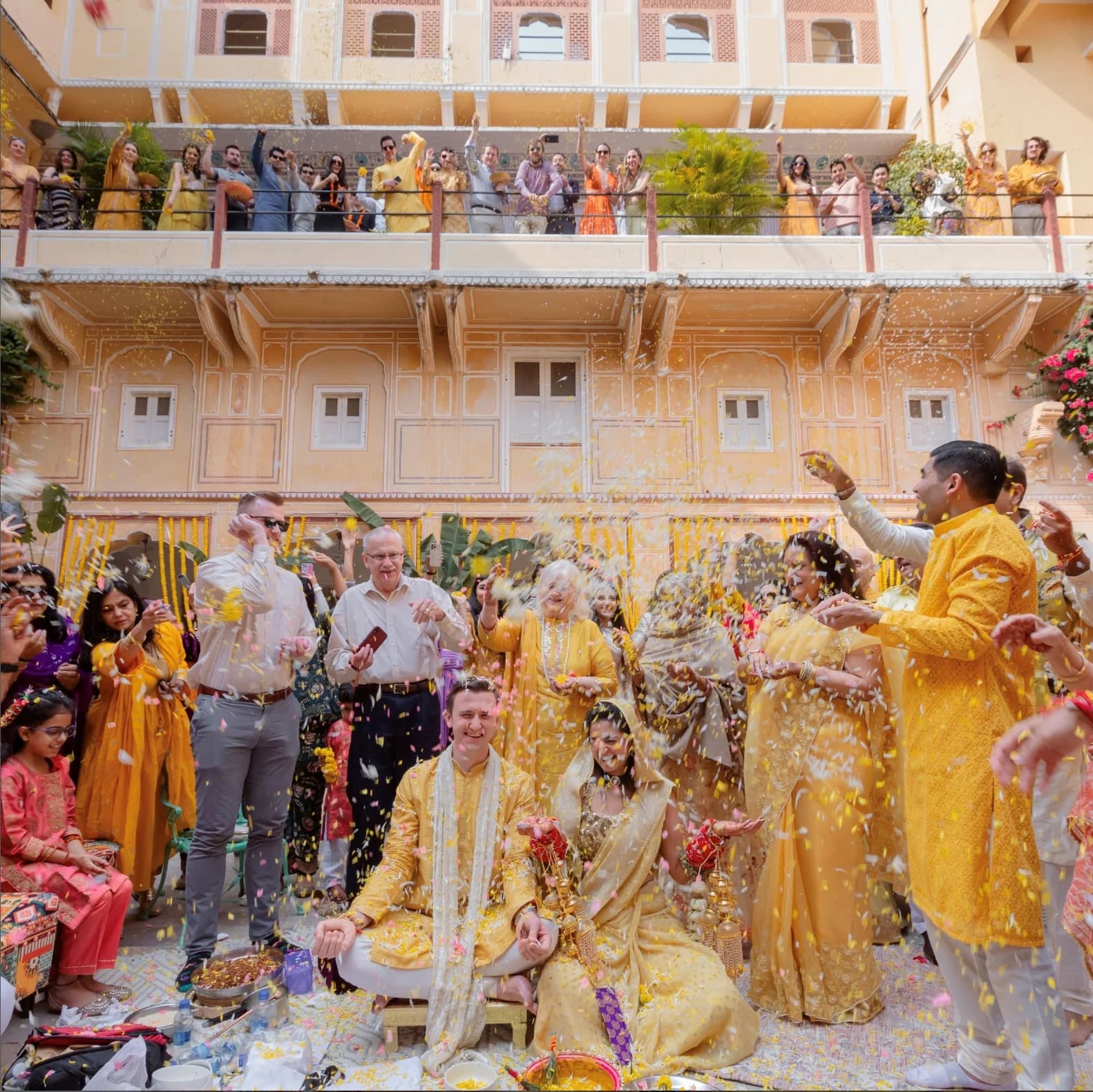
The reform also aims to make religious and non-religious weddings equally recognized under the law. This means that Sikh, Muslim, Hindu, and Buddhist weddings will finally be simpler to legalize and Humanist ceremonies could become legally binding for the first time in UK history.
This change brings marriage law into step with the realities of modern Britain: multicultural, diverse, and proudly inclusive.
As Minister for Family Law, Baroness Levitt KC, put it, “Marriage is one of our country’s most celebrated traditions, and our plans will allow couples to have the wedding day of their dream while unlocking untapped opportunities for the economy.”
It’s love meets legacy and policy catching up to culture.
Sure, the reform is about freedom and fairness but it’s also about business. The UK government projects a 3% rise in weddings, supporting 1,800 more businesses and pumping £535 million into the economy over the next decade. That’s a lot of floral arches, photographers, caterers, and champagne toasts.
For wedding professionals, this could mark the start of a new boom. With more venues available and diverse ceremony types gaining recognition, planners, celebrants, and suppliers can expand their offerings to meet a growing market of couples ready to personalize their day.
And yes, we’re fully expecting a rise in micro-resorts turned pop-up chapels and coastal ceremonies at golden hour.
While the vision is exciting, the rollout will take time. The government plans to move forward with a public consultation in early 2026, followed by legislation. For now, couples must still comply with current regulations, licensed venues and approved officiants remain the norm.
But if all goes smoothly, we could soon see weddings that feel less like government paperwork and more like personal poetry.
At its heart, this reform is about more than logistics, it’s about letting love breathe. It acknowledges that weddings have evolved beyond stiff ceremonies and standard venues. They’re reflections of identity, faith, and individuality.
By modernizing how marriages are recognized, the UK is opening the door for weddings that feel as unique as the couples themselves.
For more stories like this, from celebrity engagements to global wedding trends reshaping traditions, visit Wedded Wonderland. And if you’re planning your own big day (or scouting dream venues across the world), our Wedded Concierge can connect you with top wedding experts ready to make your vision legal, luxurious, and completely yours.

From Venus retrograde wedding dates to birth char...
LEARN MORE
A complete wedding day checklist for grooms, from...
LEARN MORE