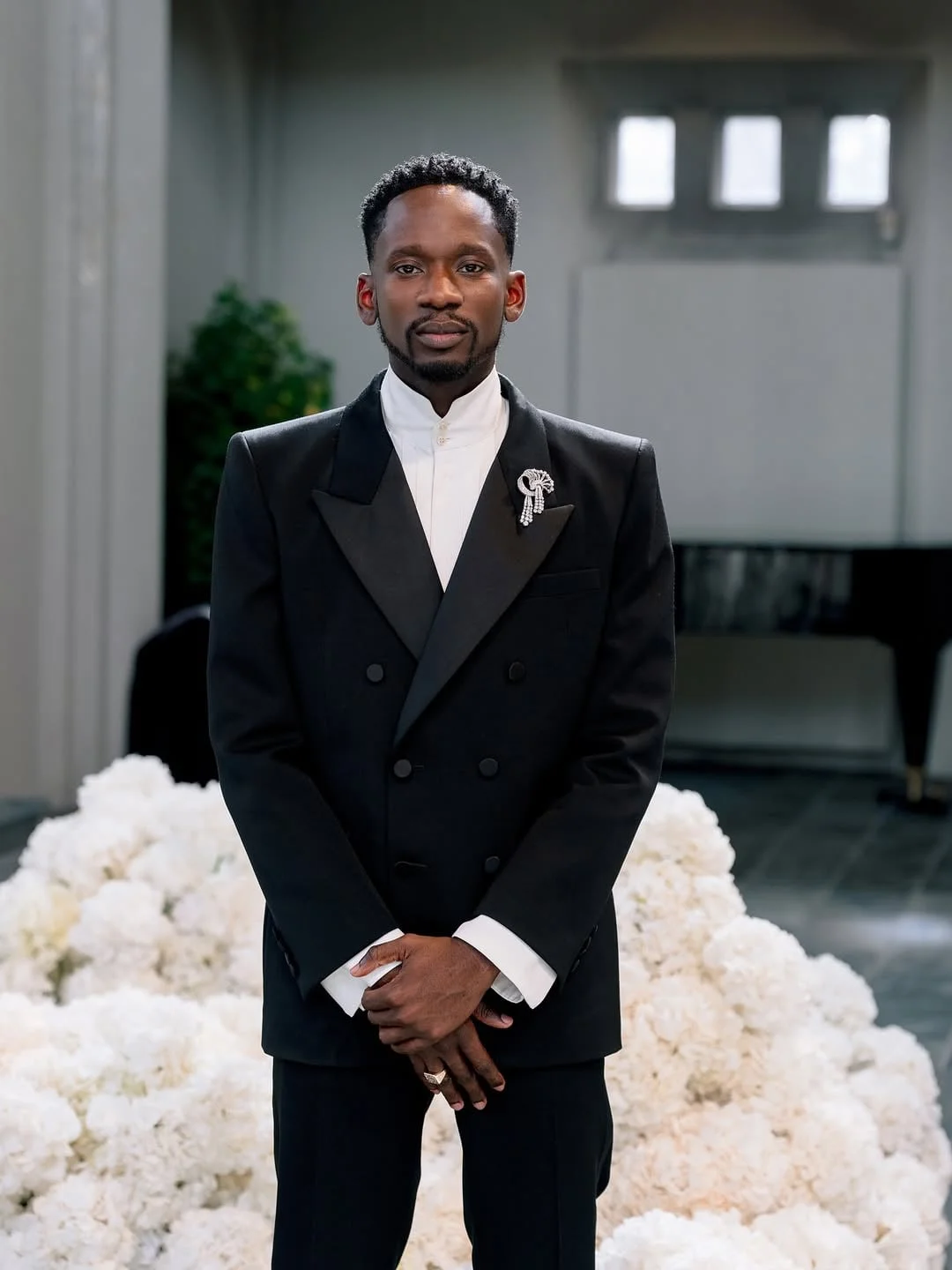
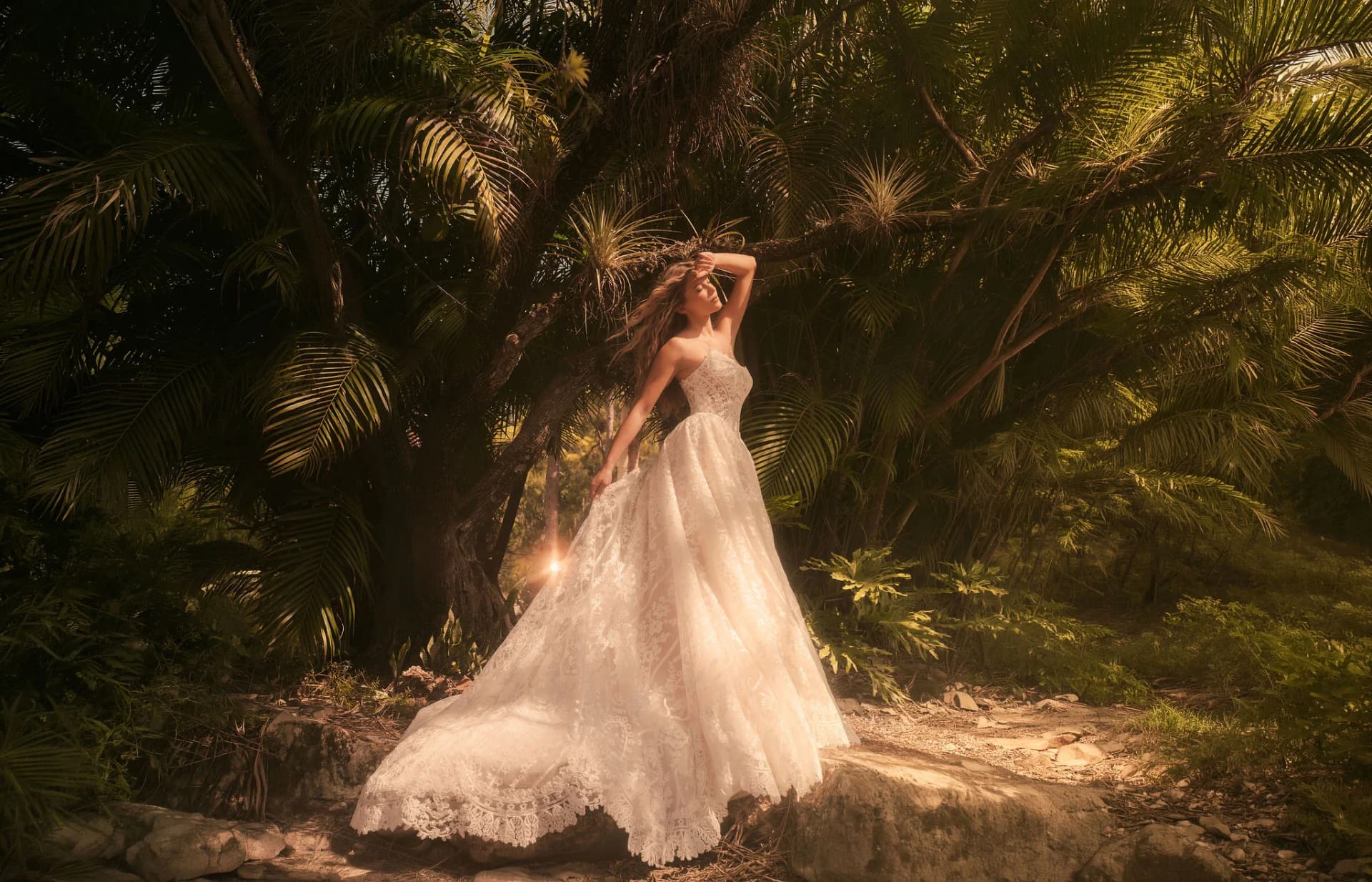
Here is the truth inside the wedding industry. Brides prepare for their wedding day for months. Grooms prepare for about three days.
Not because they do not care. Because no one actually tells them what the day will feel like.
The wedding day is not a movie montage. It is a twelve-hour production involving heat, nerves, relatives you have not seen since childhood, a photographer who notices everything, and a suit you are not used to wearing. Somewhere in between all of that, you are also expected to be emotionally present, legally coherent, and photogenic.
Wedding planners will tell you most wedding problems are not floral mishaps or late cakes. They are small, avoidable groom mistakes. A forgotten ring. A fainting spell. A disappearing act at the bar. A wrinkled suit immortalized forever in high-definition photography.
So this is the real guide. Not about marriage, but about the actual day you get married.
The most common groom regret is surprisingly not about vows. It is about shoes.
Brand new dress shoes look beautiful in photos for exactly one hour. After that, they become a torture device. A wedding involves far more standing than men expect. There is the ceremony, the receiving line, portraits, family photos, speeches, and dancing. By cocktail hour, unbroken shoes can turn posture into a slouch, and posture changes every single photo.
Wear them around the house before the wedding week. Stretch them with thick socks. Bring blister bandages. Your photographer will never say this out loud, but they can immediately tell which grooms did not prepare their footwear.
Inside the suit matters just as much. An undershirt is not optional, especially in warm climates. Formalwear and humidity are not friends. A thin V-neck undershirt absorbs sweat, protects the fabric, and prevents awkward transparency under bright lighting. The difference between polished and disheveled often comes down to this one invisible layer.
Almost every groom forgets to eat.
Adrenaline replaces appetite, and someone inevitably hands you champagne before noon. Combine nerves, heat, caffeine, and alcohol and you get dizziness at the altar. Coordinators have seen it happen often enough that they quietly keep juice nearby.
Eat something real before dressing. Eggs, rice, a sandwich, even a banana. It does not need to be romantic. It needs to keep you conscious.
This is also not the time to start drinking. A small celebratory toast is harmless, but an early drinking session with groomsmen shows up quickly in photographs. Flushed skin, glassy eyes, and distracted expressions cannot be edited out. You still have to sign legal documents and remember choreography you never rehearsed.
Before leaving the room, empty your pockets. Phones, wallets, car keys, and earbuds ruin suit tailoring instantly. Give them to your best man. A well-fitted suit only looks well-fitted when nothing distorts it.
Many grooms assume they can simply stand there. Standing is harder than it sounds.
Locked knees cause fainting. Hunched shoulders read as nervousness in photos. Fidgeting hands become the focus of entire albums. Relax your knees, pull your shoulders back, and angle slightly toward your partner. It looks natural because it is.
Print your vows. Do not trust your phone. Hands shake more than expected, screens lock, and signal disappears inside churches. Also speak slower than you think necessary. Nerves make everyone talk faster, and heartfelt words can turn into a blur.
One more responsibility sits quietly in your hands that morning. The rings. Pick them up yourself and personally hand them to the best man before the ceremony. Every planner has a story about missing rings, and ceremonies cannot continue without them.
Many grooms relax after the ceremony and vanish toward the bar. The wedding is now a hosted event, and you are the co-host.
Guests traveled, dressed up, and showed up for you. Circulate, greet tables, thank relatives, and speak to in-laws. People rarely remember the centerpiece design, but they remember whether they met the groom.
Stay beside your partner, especially early in the reception. Couples who separate unintentionally leave one person managing congratulations alone. Weddings feel long to guests but fast to couples, and the only way to experience it together is to actually remain together.
Also, eat. Ask your coordinator to reserve food and give you a few minutes to sit. Couples often realize late at night that they never tasted their own meal.
Years later, couples do not talk about linen colors. They talk about moments. What you whispered before the ceremony. Whether you checked on your partner. Whether you looked calm when everything felt chaotic.
The wedding day is overwhelming in a way that no rehearsal can prepare you for. Your most important task is not posing or performing. It is presence. When you are calm, the entire room relaxes with you.
You are not just attending your wedding. You are setting the emotional tone of your marriage’s first public day.
The best weddings are not the most expensive ones or the most perfectly scheduled ones. They are the ones where the couple actually experiences the day instead of surviving it. Preparation helps, but awareness helps more.
A groom who eats, breathes, stands properly, and stays present does not just look better in photos. He remembers the day clearly. And that is the real goal.
Planning your wedding and want more real advice like this? Visit Wedded Wonderland for expert guides, modern etiquette, and insider tips that actually make your wedding easier, not just prettier. For structured planning and early alignment, Wedded Concierge begins with a dedicated strategy session prior to any recommendations.

From Venus retrograde wedding dates to birth char...
LEARN MORE
Disney’s Fairy Tale Weddings marks its 35th anniv...
LEARN MORE
Days before his death at 48, James Van Der Beek r...
LEARN MORE