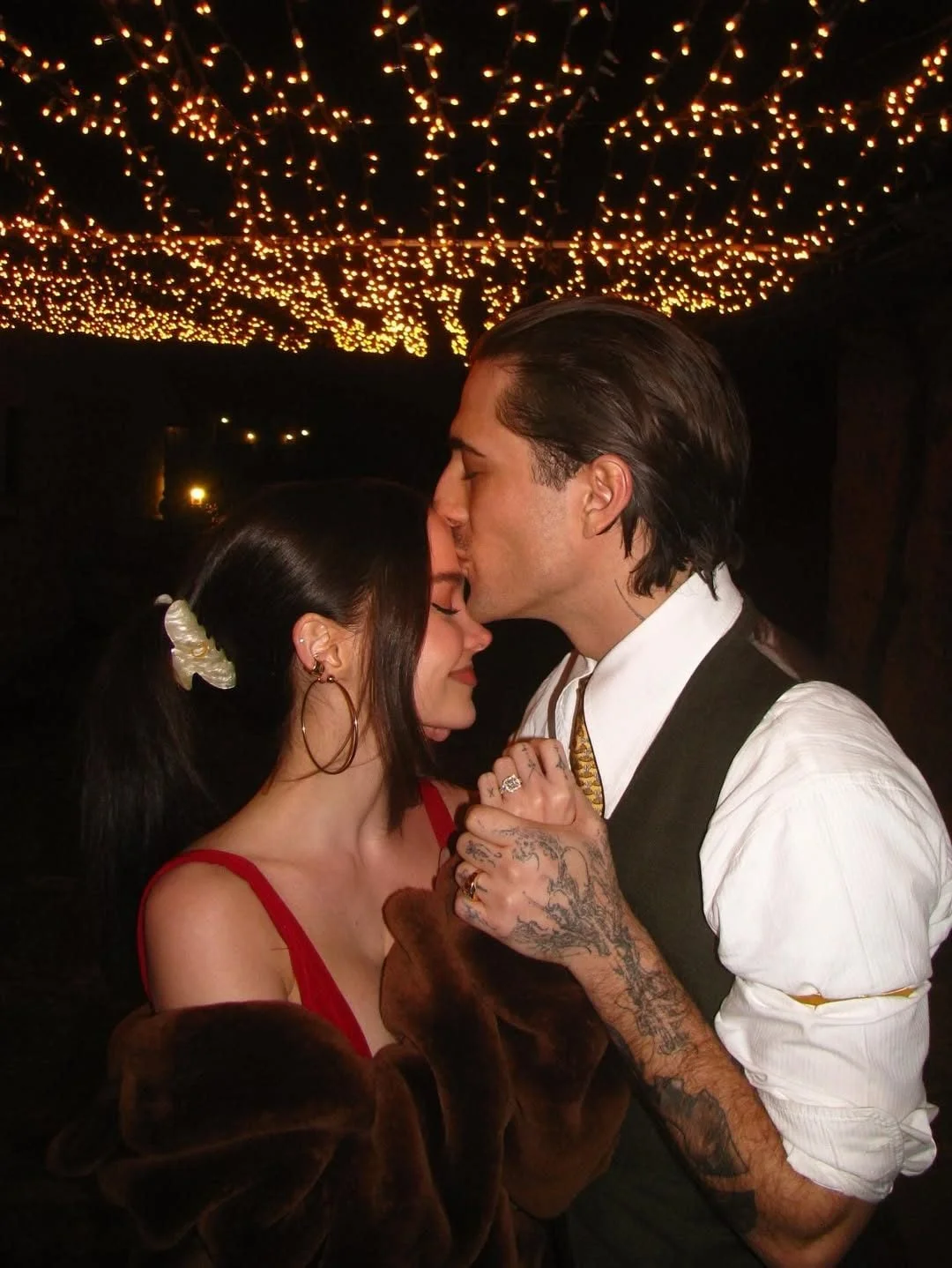
For decades, the proposal lived in the same cinematic universe. One partner nervously guarded a small box, friends acted suspiciously helpful, and the other person was expected to gasp on cue in a restaurant, a beach, or a park where a violinist mysteriously appeared at the exact right moment.
The modern couple has gently retired that script.
Instead of waiting for a life-altering question to arrive out of nowhere, more partners are quietly deciding together that they are ready for marriage long before anyone kneels. They talk about the timing, they discuss the ring, and sometimes they even plan the setting. The proposal still happens, but the uncertainty does not.
This is the anti-surprise proposal, a shift that sounds unromantic on paper yet somehow feels more intimate in practice. The drama has not disappeared. It has simply moved from guessing to choosing.
What changed is not love. What changed is how people understand commitment.
Younger couples grew up watching relationships unfold publicly online, from breakups to reconciliations to the quiet tension of partners who never discussed the future until it was too late. As a result, many now treat engagement less like a dramatic confession and more like a mutual life decision.
Before a proposal even exists, there are conversations. Couples talk about where they want to live, how they feel about children, whether careers will require moving cities, and how finances will work. The engagement becomes the celebration of a decision that has already been made privately.
Relationship therapists have long suggested that the healthiest proposals are the ones where both people already know the answer. The surprise lives in the moment itself, not in the possibility of rejection. In other words, the kneeling is symbolic, not investigative.
What sounds practical is actually romantic in a quieter way. The proposal stops being a performance and starts being a confirmation.
The anti-surprise proposal did not appear overnight. It emerged gradually after the 2010s, when marriage began happening later in life. Couples were already sharing apartments, budgets, pets, and sometimes entire careers before anyone mentioned engagement.
When two people already function as partners in daily life, a proposal becomes less about asking permission and more about marking a milestone. The question is no longer “Do you want to marry me?” but “When shall we make this official?”
The cost of engagement rings accelerated this shift. Jewelry is no longer a small gamble. It is a permanent object worn every day. Many couples prefer choosing it together rather than trusting a partner’s guess based on vague hints and social media likes.
At the same time, the language of emotional health entered mainstream conversation. Boundaries, communication styles, and compatibility moved from therapy offices into everyday dating vocabulary. A surprise that risks discomfort or pressure simply feels outdated to a generation trained to talk through everything first.
Romance did not vanish. It matured.
Perhaps the clearest sign of the new engagement culture is the ring itself. Couples increasingly visit jewelers together, try on different settings, and openly discuss budget. The process feels less like a secret mission and more like designing a piece of personal history.
Ironically, this has made proposals more emotional, not less. Because the wearer loves the ring, the focus shifts from whether the object is right to what the gesture means.
Many partners now separate the purchase from the proposal. The ring is chosen together weeks or months beforehand, while the actual asking remains private and heartfelt. The person proposing still plans a speech, a location, and a meaningful moment. The only missing element is uncertainty.
The effect is subtle but powerful. The proposal stops testing the relationship and starts honoring it.
Even public love stories now begin with private agreement
High-profile relationships quietly mirror this pattern. Long before engagement rumors circulate, couples often speak openly about marriage as a shared plan rather than a surprise event. Actors, musicians, and public figures increasingly describe proposals as moments they had already emotionally agreed upon.
Kristen Bell and Dax Shepard have spoken about engagement as an intentional conversation rather than a dramatic reveal. Prince William and Kate Middleton discussed the future years before the official proposal took place. Even younger celebrity couples frequently confirm that the timing was mutual long before the ring appeared.
The public still sees a fairytale moment. Behind it is a very practical discussion that makes the fairytale possible.
The anti-surprise proposal has not eliminated romance. It has clarified it.
Partners still plan the setting carefully. They still rehearse the speech in their heads. They still worry their hands will shake. What disappears is the fear of the answer.
The emotional impact becomes different. Instead of relief that the other person said yes, the feeling is recognition. Two people stand in a place they already chose together, and the proposal simply gives language to a decision they have been living for months or years.
In a strange way, the moment becomes more personal. The world might see a proposal. The couple experiences a promise.
The anti-surprise proposal reflects a broader cultural shift. Love is no longer framed as a gamble but as a collaboration. Modern couples are less interested in grand gestures that risk misunderstanding and more interested in building a life intentionally.
The kneel still matters. The question still matters. But the most meaningful part now happens before the ring ever appears, in quiet conversations at dinner tables, on late-night walks, or in apartments where two people slowly realize they are already acting like family.
The proposal does not begin the commitment anymore. It reveals one that has been growing all along.
For more wedding and engagement trends, follow Wedded Wonderland. For structured planning and early alignment, Wedded Concierge begins with a dedicated strategy session prior to any recommendations.
From Venus retrograde wedding dates to birth char...
LEARN MORE
Disney’s Fairy Tale Weddings marks its 35th anniv...
LEARN MORE
Days before his death at 48, James Van Der Beek r...
LEARN MORE