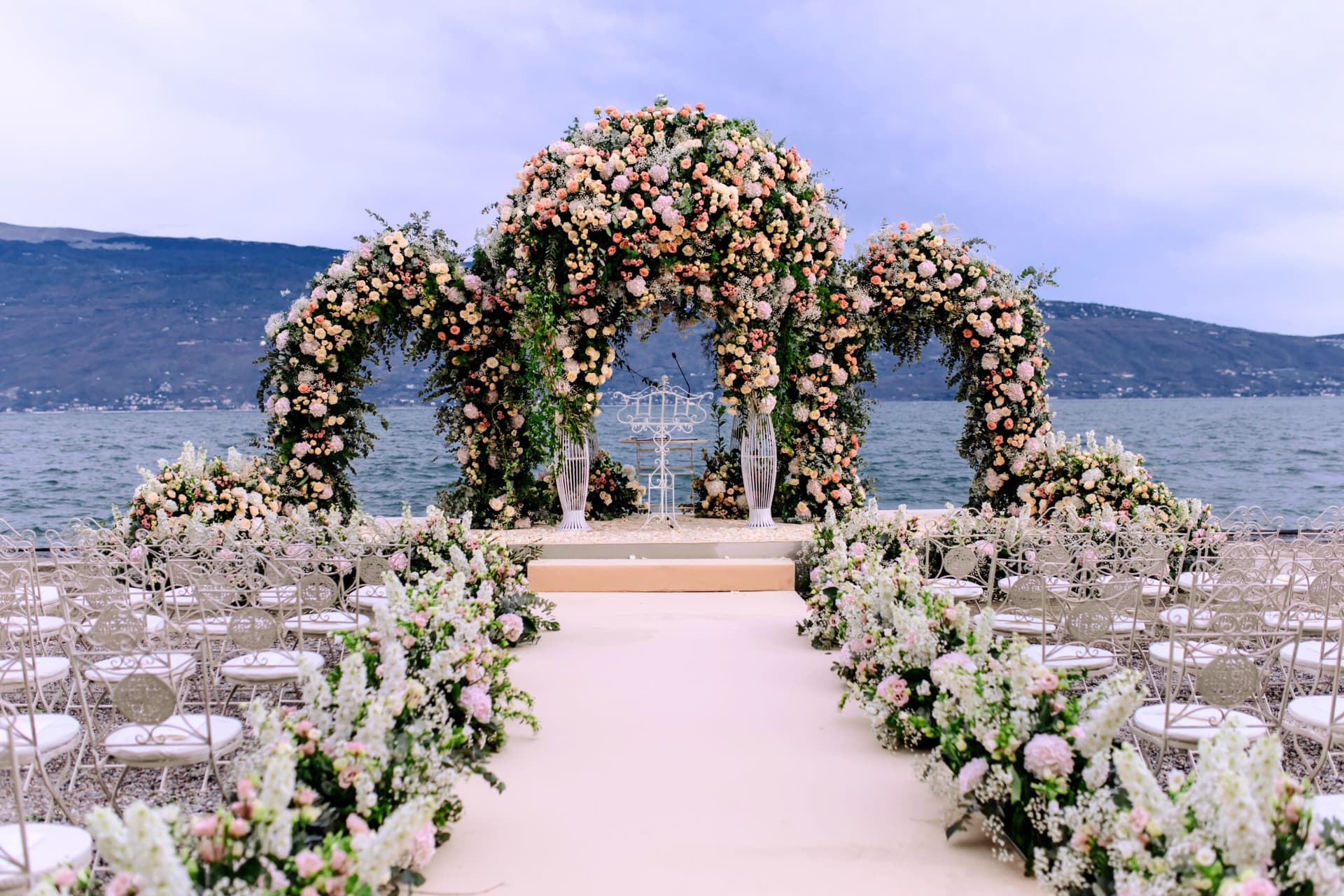
For most of the 2010s, weddings quietly became productions. They were beautiful, yes, but also strangely exhausting to look at. Identical ceremony arches. Identical champagne towers. Identical photos of brides staring at a horizon that did not exist ten minutes earlier. Somewhere along the way, weddings stopped being gatherings and started behaving like content.
2026 brides seem to have noticed.
Instead of asking, “What do weddings usually have?” couples are asking, “What would we actually do if nobody expected anything from us?” That question is the core of what planners and sociologists are now calling an intentional wedding. It is not minimalism. It is not budget cutting. It is not anti-luxury either. It is a shift in priority.
The event is no longer built around tradition or audience approval. It is built around meaning, memory, and emotional comfort.
Ironically, the trend is less about aesthetics and more about psychology. Brides today are less interested in impressing guests and more interested in being fully present inside the day they are spending so much money on.
An intentional wedding is a wedding where every element exists for a reason that the couple actually cares about. The details are not chosen because they are expected. They are chosen because they feel correct.
This is why intentional weddings can look wildly different from one another. One couple may host a black tie dinner in a museum because they bonded over art history classes. Another may serve a 3 p.m. merienda reception because they met during review sessions in college cafés. A third might skip a ceremony aisle entirely and seat guests in a circle so nobody feels like an audience.
The difference is motivation. Traditional weddings follow inherited structure. Intentional weddings follow personal logic.
Many brides are reacting to what wedding planners now call “performance fatigue.” For years, weddings became public events designed for photographs, guest expectations, and social media approval. Couples often reported remembering the stress more vividly than the ceremony itself. Intentional planning corrects this by prioritizing emotional experience over visual spectacle.
The rise of intentional weddings is closely tied to generational psychology. Many Gen Z brides grew up watching thousands of weddings online before they ever attended one in real life. By the time they got engaged, they were not excited. They were overwhelmed.
Instead of inspiration, they experienced pressure.
Couples began to realize they were planning for hypothetical expectations. They worried about seating arrangements more than vows. They were performing hospitality rather than experiencing partnership. Intentional weddings emerged as a correction to that pressure.
There is also a practical reason. Weddings have become expensive enough that couples now want emotional return on investment. If the event costs as much as a down payment, they want to actually remember it.
Many brides now structure their timeline around rest. They schedule private dinners before the ceremony. They build quiet breaks between events. Some even choose weekday weddings simply so their closest people can stay longer instead of rushing home Sunday night.
In interviews, several brides have admitted they removed traditions not because they disliked them but because they never understood them. The garter toss, large bridal party expectations, and rigid program timelines are often the first to go. The replacement is conversation. Shared meals. Smaller rooms. Longer vows.
The most noticeable change is guest list philosophy. Couples are no longer inviting out of obligation. Instead of asking who must be invited, they ask who would genuinely affect their happiness if absent. This alone dramatically reshapes the wedding.
The ceremony is also changing. Some couples write joint vows. Others invite guests to share short readings or letters. Many are abandoning long aisles because walking alone in front of hundreds of people feels theatrical rather than intimate.
Food has become personal instead of formal. Couples are serving hometown dishes, late night comfort meals, or menus inspired by their first trip together. The goal is familiarity rather than luxury signaling.
Photography is also shifting. Instead of eight hours of posed coverage, couples request documentary style coverage. They want images of grandparents talking, friends laughing, and parents reacting during vows. The camera now records relationships, not just outfits.
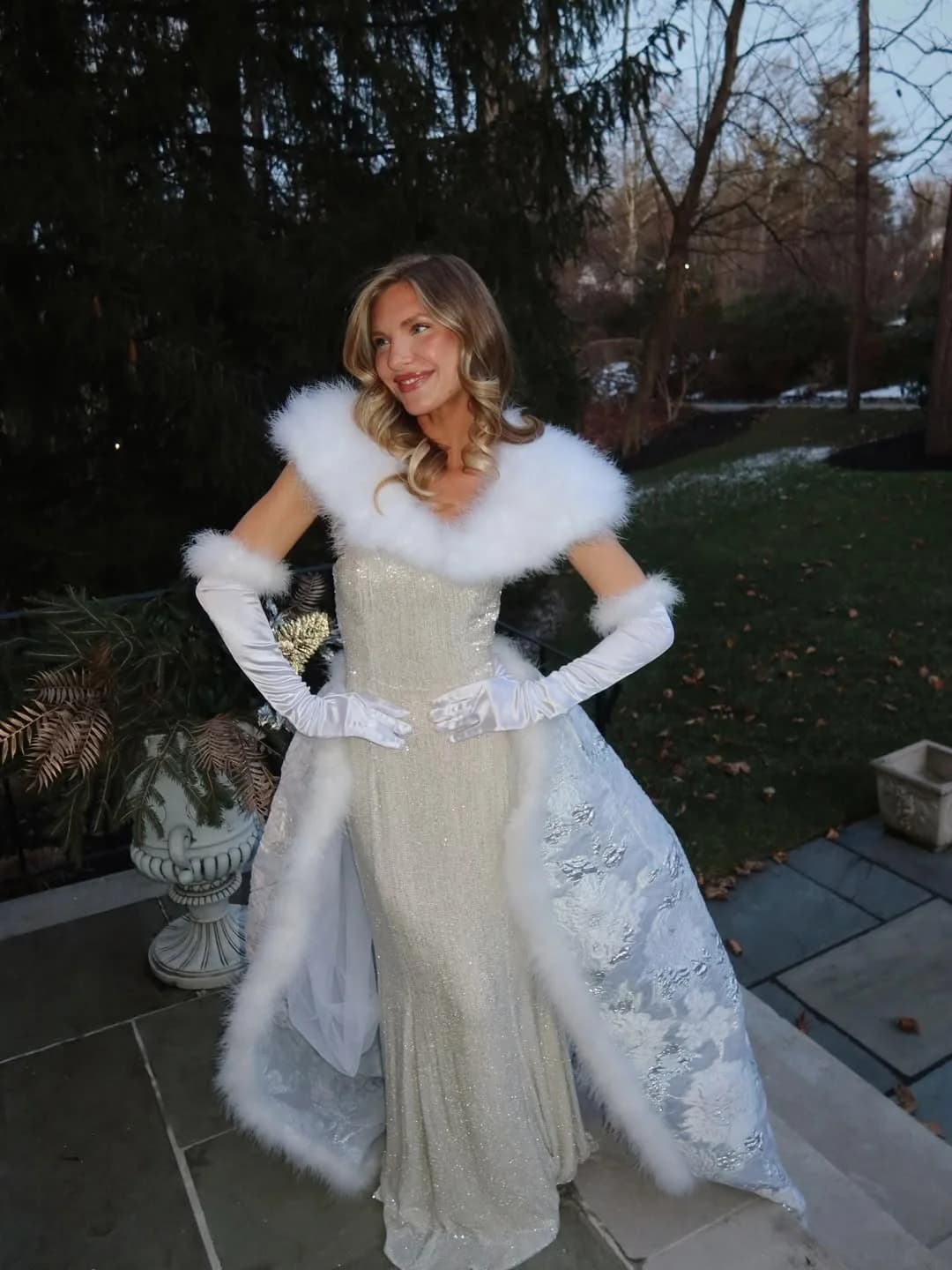
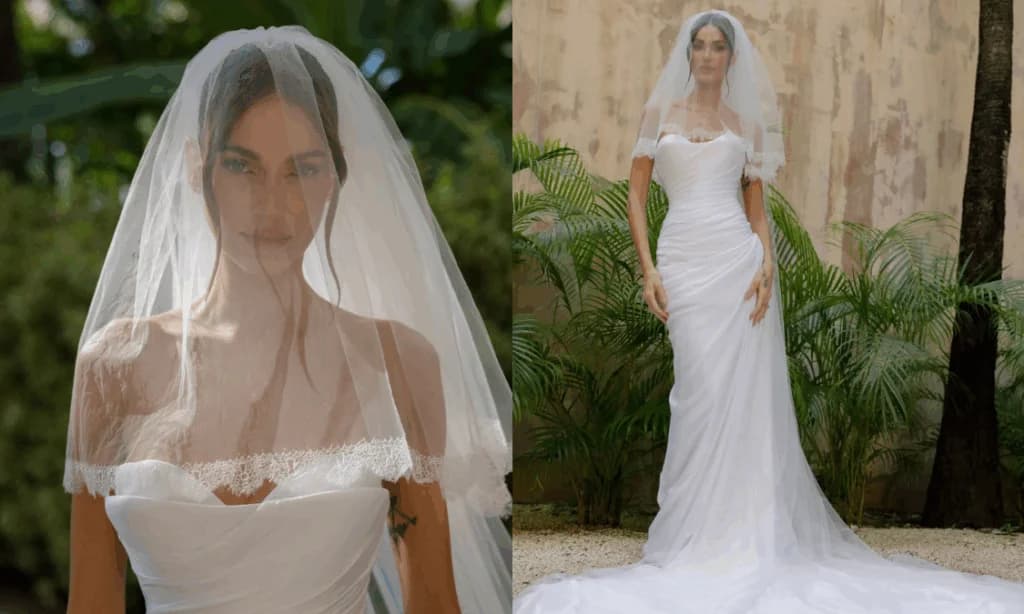
Even attire is changing. Brides are choosing dresses they can sit, eat, and breathe in. Reception outfit changes exist not for spectacle but for comfort. Shoes are selected for dancing, not photos.
Planners describe this as designing a memory rather than staging an event.
Will Reeve and Amanda Dubin held their wedding inside a museum, a choice that reflected shared interests and allowed the venue itself to become part of the storytelling rather than a neutral backdrop.
In the Philippines, Aika Robredo offered guests a medicine bar as wedding favors, a thoughtful detail tied to her public health advocacy. Instead of decorative souvenirs, guests received something useful and deeply connected to her personal work.
Another widely discussed celebration featured a bride wearing a Zoe Gustavia Anna Whalen gown constructed from textiles she had personally collected over the years. The dress was not only fashion but biography, literally made from pieces of her past.
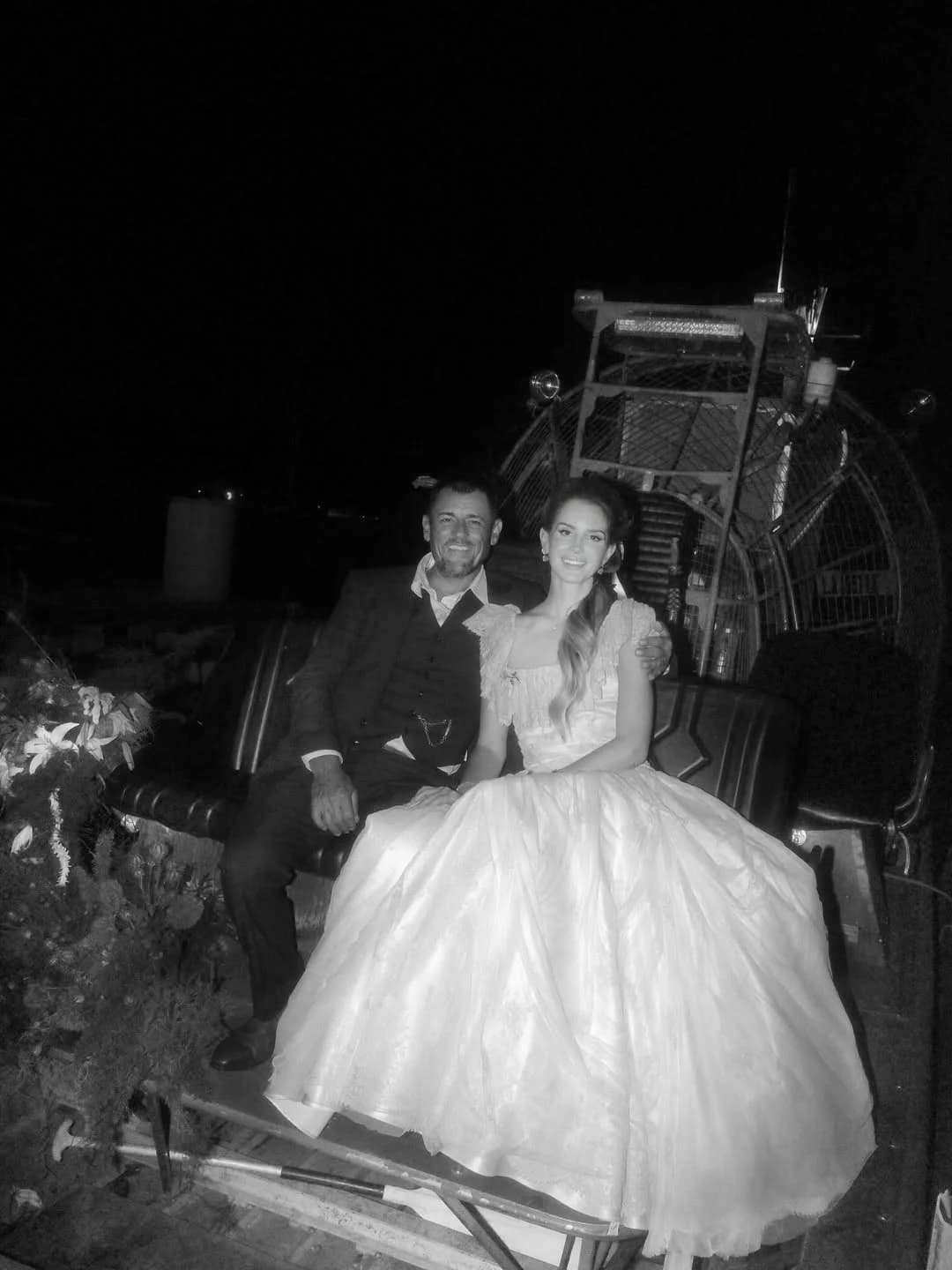
Lana Del Rey’s wedding also resonated with many brides planning today. Her ceremony was notably restrained and private, with a setting that felt closer to everyday life than spectacle. The styling was simple, the atmosphere unforced, and the celebration appeared designed around intimacy rather than public display. What stood out was not scale but mood. The wedding looked less like a production and more like a real moment shared with a small circle. That restraint is precisely what many couples now want. They are not trying to minimize the importance of the day. They are trying to experience it fully.
Other couples have taken similar approaches. Some replaced stage programs with long communal dinners. Others hosted multi day gatherings where guests could genuinely spend time together. The common thread is coherence. The wedding reflects the couple’s real life rather than a borrowed template.
Intentional weddings are not smaller weddings. They are clearer weddings.
The shift happening in 2026 is not about rejecting tradition. It is about choosing which traditions deserve to stay. Brides are no longer trying to meet a standard wedding. They are trying to recognize themselves inside it.
When the night ends, what couples remember is rarely the arch or the linens. They remember whether they were relaxed enough to talk to each other. They remember whether they ate. They remember whether they laughed with the people they love.
An intentional wedding is simply a wedding designed to be lived in, not performed.
Need more wedding and proposal expert insights? Follow Wedded Wonderland. For structured planning and early alignment, Wedded Concierge begins with a dedicated strategy session prior to any recommendations.
Search real weddings, venues and vendors from around the world.
Search Wedded Wonderland