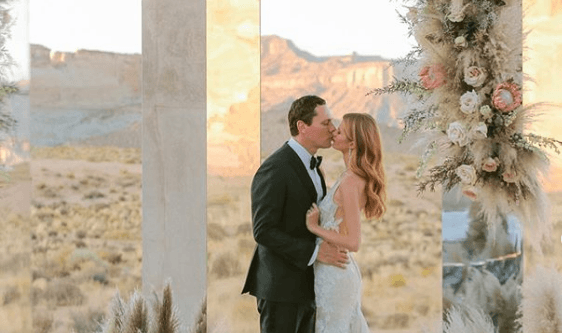
Besides bachelorette party games, wedding dresses hold a high place of esteem in the hearts of brides, then and now. As times have changed, so have these gowns evolved throughout history and in particular, over the last two centuries. For instance, the dresses our brides used to don in the 1800 century look unrecognizable today. Over the years, these gowns have changed in color, texture, fit, and even shape. Keep on reading to see how they have evolved with time.
For many years, red has been the preferred color of wedding dresses in Asia and the larger Indian subcontinent. Due to its symbolism of good luck, sexuality, and happiness, it has retained this position in the hearts of many Asian brides up to date.
In England, Queen Victoria broke away from the tradition of her times during her big day in 1840. She decided to wear an ivory-colored satin, ditching the crown for an orange blossom wreath. As the 20th century came in and the 1910s dawned, the trends took another major shift. During that troubled decade in which the WW1 was fought, most brides preferred wearing loose dresses. They opted for floating floor sweepers wherein they moved easily. At that time, wedding dancing became popular, and these costumes provided wearers the much-needed space to dance.
As the 1920s dawned, the gowns took a twist that was more sophisticated with flapper-style gowns becoming the order of the day. Many brides at that time preferred white dresses with high scoping necklines, straights, slim fits, low waists, and romantic veils.
When the 1930s set in, brides simplified things by sticking to silk and rayon costumes. They had tight silhouettes, elongated sleeves, and high necklines. When the1940s came in, the trend took another direction. During this decade, brides donned in high-necked costumes and long sleeves.
In the 50s, ballgowns emerged. These trending gowns were all over town and they had huge skirts. These dresses looked like lampshades, and some brides did not like them. In the same decade, we saw the appearance of strapless gowns. This trend was a reaction to the high-neck and long-sleeved that had dominated the previous decade. However, it took some time for this trend to entrench itself since most girls still had a sentimental attachment to sleeved dresses.
With the setting in of the 60s, we also saw another drastic departure from the tradition of the previous decades. Once more, we saw the reemergence of smaller gowns sweeping away the large and free-fitting dresses that had characterized the early part of the 20th century. The ballgowns of the previous decade faded although some brides decided to go for something that was a hybrid of the ballgown and the trending slim dresses. Additionally, this decade saw a reduction in the height of the gowns with mutton sleeves being the in-thing at that time. Most brides in those days adjusted their costumes to conform to the craze of the miniskirt that was also trending at that time. In addition, most of the gowns at that time had puffy elbows and high necklines.
When the 70s set in, bigger sleeves came back creating an exact opposite of what had taken place in the previous decade. These huge sleeves became a trending craze that spread like a bonfire.
The dawn of the golden decade of the 20th century, the 80s, wiped away of the long and big sleeves brides had cherished in the previous decade. In that dispensation, we saw girls dumping sleeves and went for strapless gowns. The craze was so impactful that in those days, it was almost impossible for brides to buy a strapped gown. Once again, there was the resurgence of smaller and tight-fitting dresses as the decade drew to a close. These tight costumes had puffy shoulder sleeves.
When the 90s arrived, the opposite happened with brides going back to the same sleeves they had ditched in the previous decade. Most brides that time were now tired of strapless gowns, and they began demanding for them.
With the setting in of the new millennium and the 21st century that ushered it in, we saw the emergency of tighter A-line wedding gowns. Additionally, dresses that flowed easily as well as tighter ones marked the early years of this century, thus creating a wider pool of options for modern brides. Additionally, the costumes were embellished by embroidery.
As the 2010s arrived, we saw sleeves making a resounding comeback. Now brides have a wider pool to choose between short and long sleeves.
With all these changes and trends, you can agree with the words of Solomon that, “There is nothing new under the sun…” What is trending now was once around with the only difference being how we are receiving and modifying it.
Betty Moore is a content writer who is interested in a wide range of spheres from wedding design and fashion trends to wedding business and sharing her ideas. She is also an aspiring designer striving to bring design to another level like we all do. If you are interested in wedding design & business, you can find her on Twitter. Read and take over Betty’s useful insights!
Search real weddings, venues and vendors from around the world.
Search Wedded Wonderland