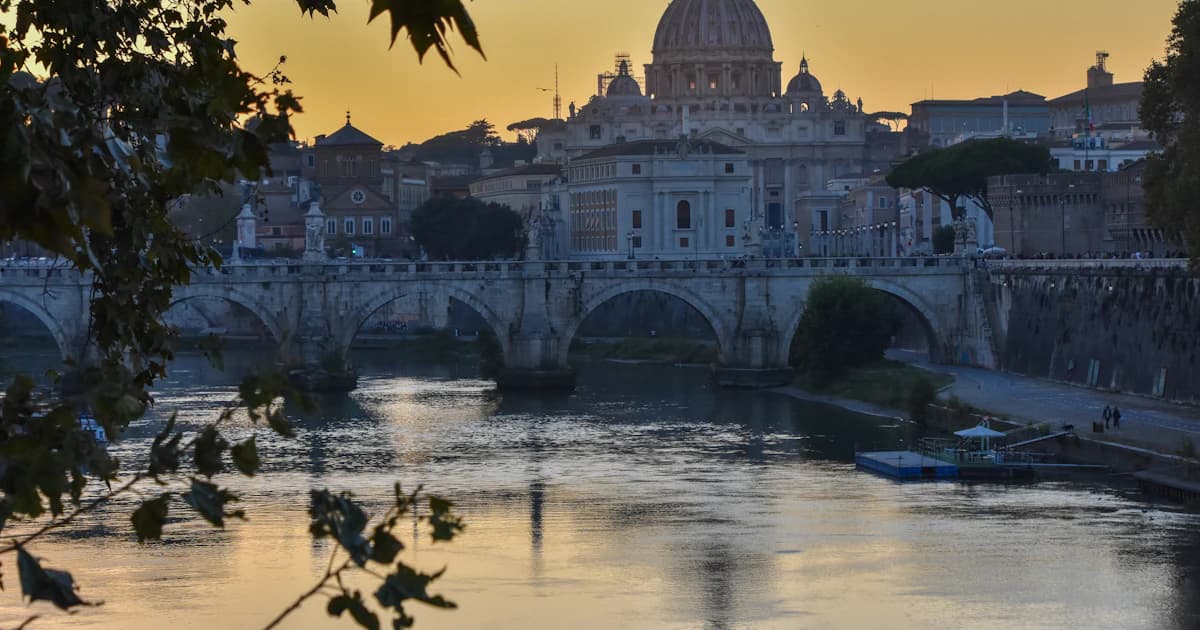
Few cities carry the weight of romance quite like Rome. For couples considering getting married in Rome, the city offers two thousand years of architecture as a backdrop, a world-class hospitality scene, and a guest experience that begins the moment your loved ones land at Fiumicino. It also comes with an Italian legal process that rewards early, careful planning.
This guide covers both sides of the equation: the venues worth dreaming about and the paperwork that turns the dream into a legally binding marriage.
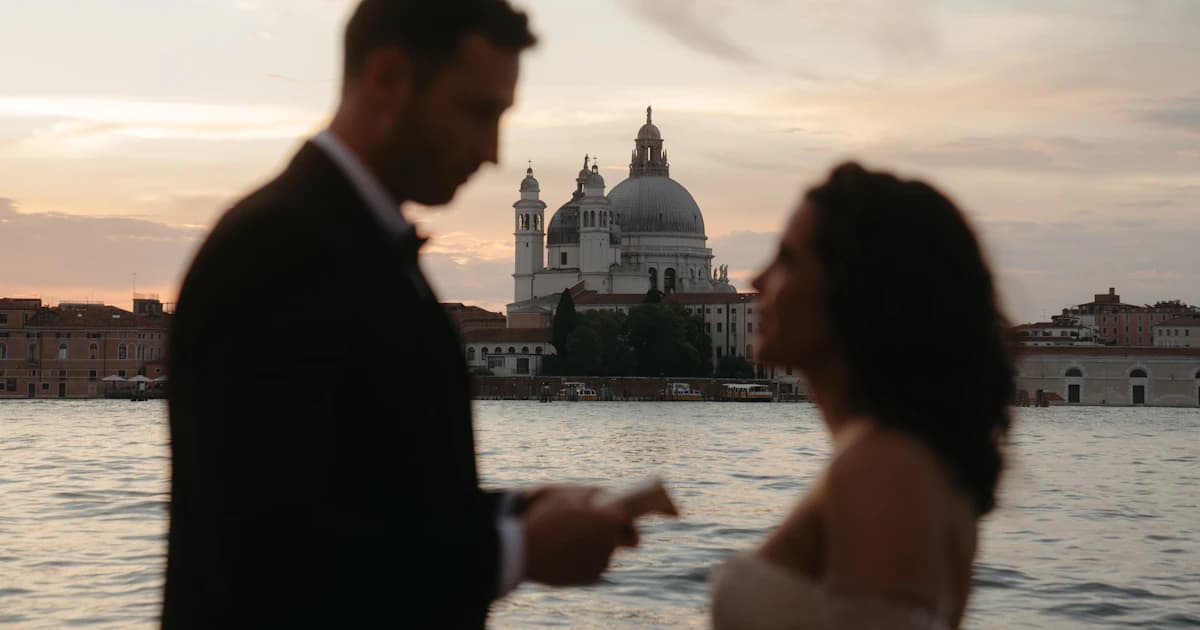
Rome is one of the rare destinations where the city itself does much of the design work for you. Ceremonies unfold against Baroque churches, Renaissance palazzi, and terraces overlooking domes that have stood for centuries. No amount of styling can replicate that sense of permanence, which is precisely why so many couples choose the Eternal City for their vows.

Practicality matters just as much as beauty when guests are flying in from across the globe. Fiumicino sits roughly half an hour from the historic centre; direct flights arrive daily from North America, the Gulf, and Asia; and the city’s five-star hotel inventory is among the deepest in Europe. Guests can fill the days around your wedding with private museum access, vineyard excursions in the surrounding hills, and long lunches in Trastevere. A Roman wedding is rarely a single day; it is a multi-day celebration with the city as co-host.
Before choosing a venue, you need to decide what kind of ceremony you are planning, because the answer shapes everything from paperwork to location. In Italy, couples have three routes.
A civil ceremony is a legally binding marriage performed by an official of the Comune di Roma in one of the city’s designated wedding halls. It is the most common choice for international couples who want the legal marriage to happen in Rome itself. The ceremony is conducted in Italian, so non-Italian speakers are required to have an interpreter present, and two witnesses must attend.
Italy’s Concordat with the Holy See means a Catholic wedding celebrated in Rome carries full civil validity, provided the church paperwork and the civil paperwork are both completed. Couples will need baptism and confirmation certificates, a pre-marriage course, a nulla osta from their home diocese, and approval from the Vicariate of Rome. Protestant, Jewish, and Orthodox ceremonies are also possible in the city’s churches and synagogues. Where the denomination has a formal agreement (intesa) with the Italian state, the marriage can carry civil validity once the Comune formalities are completed; otherwise, or for simplicity, many couples pair the ceremony with a separate civil marriage.
A symbolic ceremony has no legal standing, and that is exactly its appeal for many luxury couples. You complete the legal marriage at home, quietly and on your own schedule, then celebrate in Rome with total creative freedom over the location, the officiant, the vows, and the timing. Rooftop terraces, private villa gardens, and historic courtyards become available in a way they rarely are for a civil ceremony. For couples planning a large, design-led celebration, this is often the path of least friction and greatest flexibility.
Ceremony type | Legally binding in Italy | Where it can take place | Paperwork load |
|---|---|---|---|
Civil | Yes | Designated Comune halls | Moderate to high |
Catholic | Yes (with civil registration) | Approved churches in Rome | High |
Other religious | Sometimes (denominations with an intesa, plus civil registration) | Churches, synagogues | High |
Symbolic | No | Anywhere the venue permits | Minimal |
Rome’s venue landscape is broad enough to suit almost any vision, from an intimate civil ceremony to a 300-guest reception in a private palazzo. The categories below are organised by venue type rather than a ranked list, because the right choice depends entirely on your ceremony route, guest count, and aesthetic.
Rome’s civil marriages are concentrated in two historic settings. Most civil ceremonies take place at the Complesso di Vignola Mattei, a deconsecrated sixth-century church set in greenery beside the Baths of Caracalla, with ceremonies available most days of the week. The Sala Rossa at the Campidoglio, inside Palazzo dei Conservatori on Michelangelo’s Capitoline square, hosts civil weddings on Fridays, Saturdays, and Sunday mornings. Hall fees are set by Roma Capitale and vary by residency, season, and day; the U.S. Embassy currently cites a range of roughly €1,392 to €1,624. Both venues are strikingly beautiful but are strictly ceremony spaces, so your reception will take place elsewhere.

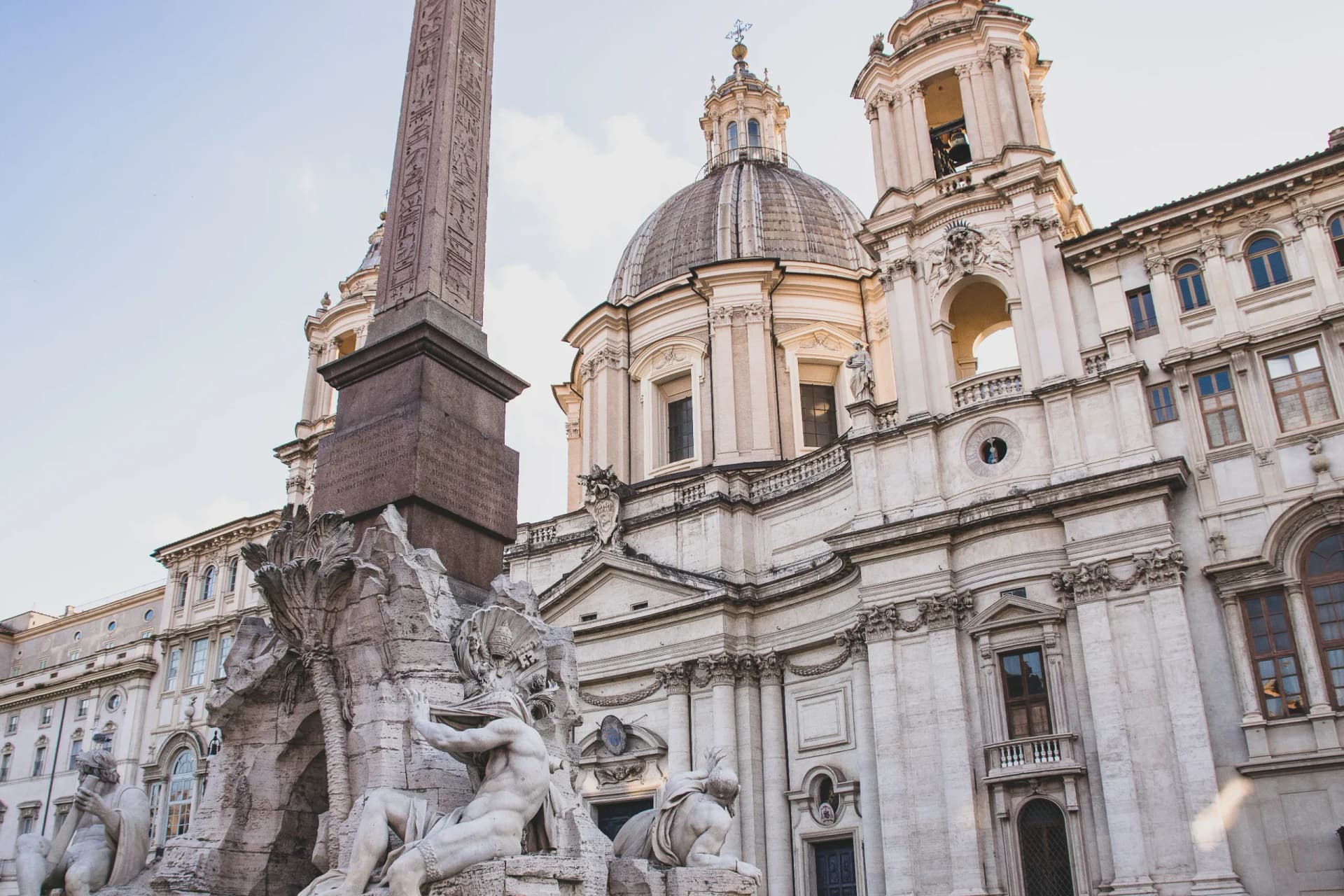
Couples sometimes arrive hoping to marry in St. Peter’s Basilica, and it is worth setting expectations early: that is not a realistic option. What is realistic, and arguably more atmospheric, is one of Rome’s hundreds of parish churches, some of which hold Caravaggio altarpieces or Bernini sculptures. Churches such as Santa Maria in Trastevere, Sant’Agnese in Agone on Piazza Navona, and Santa Maria del Popolo are among those that international couples pursue. Each requires permission from the parish priest and the Vicariate of Rome, which is why church weddings demand the longest planning lead time.

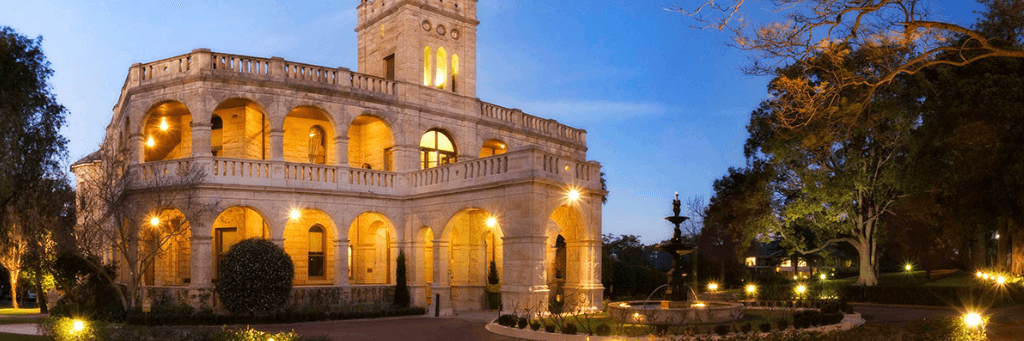
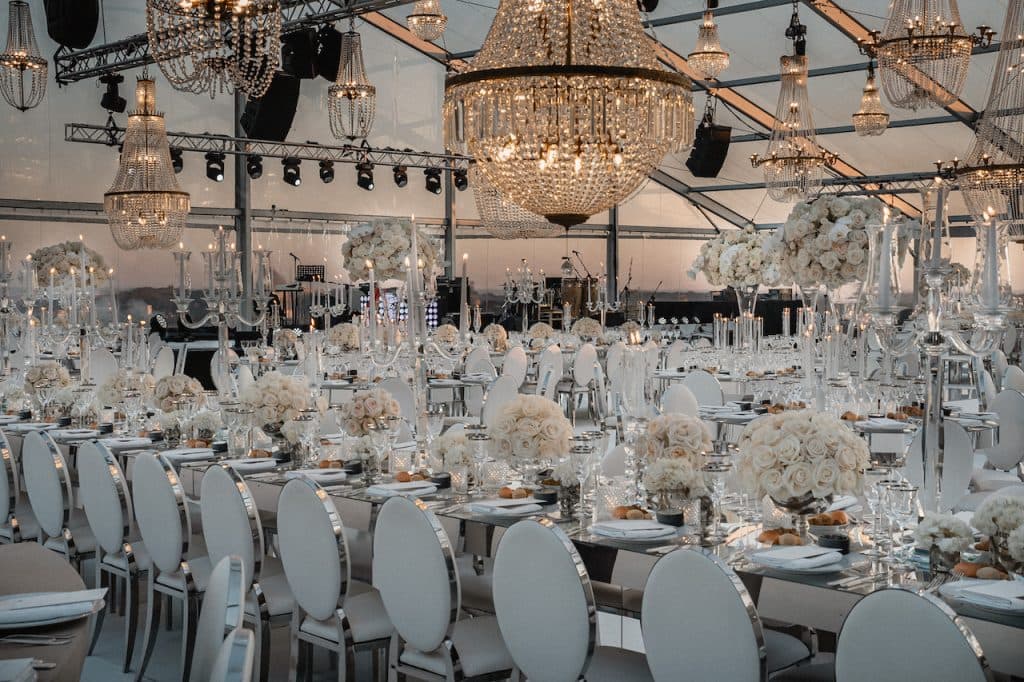
This is where Rome’s luxury wedding scene truly lives. Properties such as Villa Aurelia on the Janiculum Hill, Villa Miani with its terrace views across the whole city, and Palazzo Brancaccio with its gilded ballrooms host the kind of celebrations that define a destination wedding. These venues typically accommodate 100 to 400 guests, offer gardens for ceremonies and interiors for dining, and give your design team a blank canvas with exceptional bones. Many are available for exclusive hire, which means your wedding is the only event on the property that day.

Rome’s grand hotels combine a venue, guest accommodation, and concierge-level service in a single address. Hotel de Russie’s secret garden near Piazza del Popolo, the Hassler’s terrace above the Spanish Steps, Hotel de la Ville’s rooftop, and the Rome Cavalieri’s sprawling grounds on Monte Mario are all established wedding settings. They suit couples who want a seamless, hosted weekend where guests never need to leave the property between events. Full or partial buyouts are possible at several of these properties for couples who want complete privacy.
Some couples choose Rome as the base for the weekend but hold the main celebration in the countryside less than an hour away. The Castelli Romani hills offer lakeside estates at Nemi and Castel Gandolfo and historic villas around Frascati, while Tivoli is home to Renaissance gardens and private properties in the shadow of Villa d’Este. This approach gives guests the best of both: city energy during the week and a private estate for the wedding itself.

The legal process for foreign nationals marrying in Rome is well established, but it involves several offices and a strict sequence. Below is the pathway for a civil marriage, with notes on how it differs by nationality.
Every foreign national needs a document confirming there is no legal impediment to their marriage. For US citizens, this takes the form of a sworn declaration, the Dichiarazione Giurata, obtained by appointment at the US Embassy on Via Vittorio Veneto. Australian citizens obtain a Nulla Osta from the Australian Embassy in Rome. UK citizens follow a different path entirely: they obtain a Certificate of No Impediment from their local register office in the UK, have it legalised with an apostille, and also prepare a bilingual statutory declaration. Most EU nationals can obtain the equivalent certificate from their home authorities before travelling.
Declarations issued by an embassy in Italy must then be legalised at the Legalisation Office of the Rome Prefettura on Via Stendhal, which operates on limited weekday morning hours. This step authenticates the embassy official’s signature so the Comune will accept the document. UK documents legalised with an apostille in the UK do not require this step, but they do require an official Italian translation certified in Italy.
US and Australian citizens also need an Atto Notorio, a sworn statement made before two witnesses confirming there is no obstacle to the marriage, which can be obtained at the Rome Court or at an Italian Consulate in your home country before departure. Our strong recommendation is to obtain it at home. The Rome Tribunale works on walk-in mornings, witnesses must be arranged, and queues are unpredictable, which is not how you want to spend the days before your wedding.
With documents in hand, both partners attend an appointment at the Marriage Office of Rome City Hall on Via Petroselli to make the Declaration of Intention to Marry. You will present passports, the no-impediment documents, the Atto Notorio where applicable, and any divorce or death certificates from previous marriages, all translated into Italian. The Comune then confirms the ceremony date and hall.
On the day, the ceremony takes place in Italian with your interpreter and two witnesses present, and you receive an Italian marriage certificate. To have the marriage recognised in your home country, the certificate must then receive an Apostille from the Prefettura. Your planner can collect and courier this to you after you have departed, so there is no need to stay in Rome waiting for it.
Rome’s most sought-after venues and churches book 12 to 18 months in advance for peak-season Saturdays, so venue selection is the first decision to lock. At the same point, engage your planner and begin conversations with the Vicariate if a church ceremony is in play, as ecclesiastical approvals move slowly.
Nine to twelve months out, finalise your ceremony route and confirm whether the legal marriage will happen in Rome or at home. Six months before the wedding, begin gathering birth certificates, previous marriage documents, and translations, since no-impediment certificates typically have a six-month validity window. Two to three months out, book your embassy and Atto Notorio appointments, ideally completing the Atto Notorio at an Italian consulate at home.
In the final week, both partners attend the Declaration of Intention at the Comune, usually two to four days before the ceremony. After the wedding, the Apostille is obtained and couriered to you. A planner who has run this sequence many times will keep every appointment in order, which is the single biggest stress reducer in the entire process.
Rome sits among Italy’s more expensive wedding cities, and costs scale quickly with guest count and venue exclusivity. The civil hall fee for non-residents is modest, in the range of €1,400 to €1,650, and church offerings typically range from several hundred to a few thousand euros. The real investment lies in the venue hire, which for private villas and palazzi commonly starts around €15,000 to €20,000 and rises well beyond €50,000 for exclusive use of the most prestigious properties.
For a full-service luxury wedding of 100 to 150 guests, including venue, catering, design and florals, entertainment, photography, and planning, couples should expect an all-in budget that begins around €150,000 and frequently reaches €400,000 or more for multi-day celebrations. Hotel buyouts, welcome dinners, and guest experiences are additional. These figures are indicative, and your planner will build a precise budget around your venue shortlist and vision.
Late April through June and September through mid-October are Rome’s sweet spots, with warm evenings, reliable skies, and gardens in full bloom. These months also carry the highest demand, which is why early venue holds matter. July and August bring intense heat, and much of the city, including some suppliers and restaurants, slows or closes around Ferragosto in mid-August.
Religious calendars affect church availability too. Holy Week, Easter, and major Vatican events such as canonisations or jubilee celebrations can restrict church bookings and strain city logistics. Winter weddings are quieter and more affordable, and a December celebration in a candlelit palazzo has a glamour all its own.
Wedded Wonderland works with couples who want a Roman wedding delivered end to end, from the first venue visit to the final guest departure. Our network includes the planners, villas, hotels, florists, and photographers who work in Rome week in and week out, and we match you with the ones suited to your style rather than handing you a generic list. We coordinate the legal pathway in parallel with the design, so embassy appointments and church approvals move on the same timeline as the florals and the menu. The result is a multi-day celebration that feels effortless to you and unforgettable to your guests.
Getting married in Rome asks a little more of couples than a wedding at home, but it gives back immeasurably more. With the right venue, a clear ceremony route, and the paperwork sequenced correctly, the Eternal City becomes the most extraordinary host a wedding could have. The couples who enjoy it most are the ones who start early and surround themselves with people who know the city intimately.
Written by

SEO Specialist
Ayrton Christian Braga is an SEO Specialist at Wedded Wonderland, where he writes optimized articles and web pages that center on destination weddings, cultural wedding traditions, and guides for everything in between.