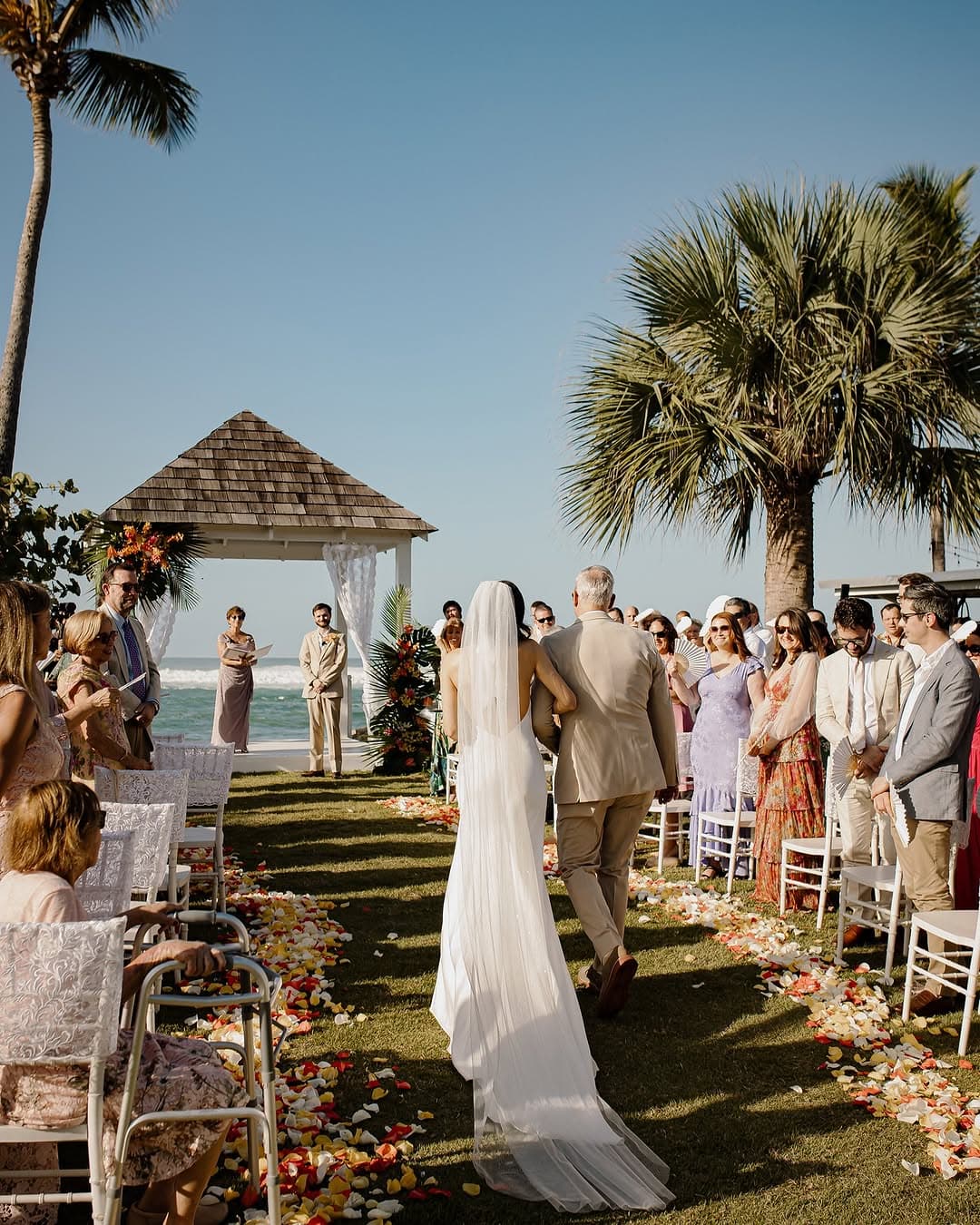
A destination wedding is a ceremony and reception held outside of the couple’s hometown or current place of residence. It’s a unique and memorable way to celebrate a special day with loved ones in a beautiful and often exotic location. Whether you dream of saying “I do” on a sandy beach, in a charming European village, or amidst the mountains, a destination wedding offers endless possibilities. These weddings can be held domestically or abroad, providing a range of options to suit your preferences and budget.
Destination weddings offer a myriad of benefits that make them an attractive option for many couples. Here are some key advantages:
By choosing a destination wedding, you’re not just planning an event; you’re creating an experience that you and your guests will cherish forever.
Did you know that every country has different visa, residency and religious requirements necessary to be legally married in that destination country?
For example, France requires that at least one of the applicants must be either a French citizen or a legal resident of France to have a legal ceremony. If neither qualifies, the couple will need to complete the required 40 days’ residency in France before their destination wedding. Additionally, to be legally recognised, a wedding ceremony in France must take place at a Town Hall (Mairie).
As another example, Bali requires that a legal marriage ceremony must include both a religious and a civil ceremony, and that both partners practice the same religion.
Yes, it’s true! Beyond entering the country, there are additional requirements to be legally married overseas. Be sure to conduct extensive research into the specific country or countries you are considering as your destination. Start this research by contacting the country’s local Embassy for your nationality.
One step that most countries require is a Certificate of No Impediment (CNI), which is proof that the couple is legally allowed to marry overseas. This should be obtained from the relevant country department a couple of months before traveling.
If the process required by that country seems overly complicated and unachievable, then couples may want to consider legally marrying at home, and a symbolic ceremony abroad as an easier alternative.
Planning a wedding abroad is one thing, but asking guests to travel is another! However, as our founder and CEO Wendy El-Khoury says, “Couples think many guests won’t come, but they’re packing their bags. They’re coming.” The rise of destination wedding attendance is growing enormously.
With so many guests attending destination weddings, ensuring everyone is legally allowed to travel is crucial. Guests may require visas, which vary based on nationality and length of stay. Researching visa requirements for them can make the process easier. Additionally, displaying this research in a way that is easily accessible for your guests is ideal.
Since different countries have varying visa processing times, send guest invitations or save the dates well in advance and communicate frequently via your wedding website. This will ensure guests have more than enough time to plan, prepare and book travel to your destination. Also consider organising a specific hotel or resort close to the wedding venue to use as guest accommodations.
Couples bringing vendors to their wedding destination may need additional permits and documentation. To avoid legal complications, consider hiring a mix of local and international vendors for your destination wedding. To connect with international wedding services – our Wedded Concierge can help you get in touch with vendors, wedding planners and venues that we know and trust. Taking the stress out of choosing who to work with internationally.
Additionally, think about the time of year and weather conditions when planning your destination wedding. Some locations may be more suitable during certain seasons, so it’s important to plan and choose your wedding day accordingly.
Ultimately, the perfect destination will align with your personal preferences and priorities, creating a magical setting for your big day.
When planning a destination wedding, one of the most important factors to consider is the local cost of goods and services, as they can vary greatly depending on the location of your big day.
For example, the price of flowers can differ based on seasonal availability and the local region’s climate. Take this in to account when choosing your wedding date.
Some flowers, like peonies, are widely available and affordable in Europe but may be expensive or even unavailable in tropical locations. To avoid paying high import fees, it’s best to use local specialty flowers.
A local florist can offer insights into what’s in season, helping couples stay within their budget while still achieving their desired aesthetic for their destination wedding.
Our CEO and Founder, Wendy El-Khoury points out that in some cases, “flowers may not even be allowed into the country” due to customs laws, making it essential for couples to plan accordingly for their big day. This is where leaning on local vendors and suppliers becomes even more important, as they will have local knowledge and can source everything that is needed on the ground.
When planning a destination wedding, it’s essential to consider local customs and religious traditions that may influence catering and alcohol options. In some countries, such as those in the Middle East, alcohol regulations vary, and certain venues may prohibit its service altogether due to religious laws.
Similarly, some cultures emphasize specific dietary requirements, such as halal or kosher catering, which may affect menu choices. Understanding these customs in advance ensures that your celebration respects local traditions while creating a seamless experience for you and your guests.
Choosing the right venue and accommodation for your destination wedding involves more than just finding a beautiful setting—it’s about ensuring a seamless experience for you and your guests while respecting local customs and traditions. Some countries have specific requirements for wedding ceremonies, such as legal documentation, residency periods, or cultural rituals that must be incorporated. Additionally, certain religious or cultural traditions may influence venue availability, catering, or the structure of your celebrations.
When selecting a venue, consider locations that align with your vision—whether it’s a beachfront resort that can host multiple events, or a historic site that offers a culturally immersive experience. Some resorts provide dedicated wedding packages that accommodate religious or multi-day celebrations, including pre-wedding ceremonies, welcome dinners, or cultural performances.
Understanding these options ensures your wedding not only reflects your personal style but also respects the traditions and expectations of your chosen destination.
When planning a destination wedding, scheduling conflicts can be a major obstacle that slows down the process. To prevent delays, it’s best to set designated call times with all local and international involved parties. This helps ensure that everyone is on the same page and can avoid unnecessary back-and-forth communication.
Utilizing tools like WhatsApp, Zoom, and Google Docs can also streamline communication, allowing for quick discussions and document sharing, regardless of time zones or language barriers in foreign countries.
Furthermore, hiring a professional wedding planner is crucial to navigate the logistical challenges and details that arise from planning events in unfamiliar locations. This ensures that logistical tasks are handled efficiently and prevents any potential miscommunication. Wedding planners also reduce the stress on couples by helping to connect reliable wedding vendors and venues.
Creating a wedding website is essential for keeping everyone informed. It can serve as a central hub for the latest updates, including the save the dates, wedding itinerary, dress code, travel details, visa requirements and FAQs for guests.
Additionally, email newsletters or a private social media group can be used for real-time updates, ensuring that guests stay informed and engaged.
For any on-the-ground issues or guest inquiries, consider having a local contact person or concierge service available to answer questions and assist with last-minute concerns. This local resource can be a valuable asset in ensuring everything runs smoothly during the wedding events and on the wedding day.
Setting realistic timelines is another critical aspect of the planning process. Destination weddings often come with unique challenges, so it’s essential to account for potential delays, such as shipping, permits, visa’s and vendor availability. Giving yourself extra time will help prevent unnecessary stress and last-minute rushes.
Maintaining a digital planning document, accessible by all parties involved, can keep everyone aligned and organized. Google Docs is a great tool to make use of when planning a wedding. This ensures that nothing falls through the cracks, and everyone has up-to-date information on the progress of the planning.
Other logistics to keep in mind include, how to transport valuable items such as wedding rings and a wedding dress without damage and without paying too much in luggage costs. Couples may consider sourcing valuable items in their desired location. This can be tricky to coordinate so consider finding a local planner that can be at the location helping you navigate this.
Lastly, while time constraints for Destination weddings can make reviewing contracts feel like a tedious task, it’s important not to rush through them.
Ensure that every contract is thoroughly reviewed, especially when working with international vendors or venues. This can help avoid hidden costs, unclear terms, or miscommunications that could lead to problems down the line. Taking the time to carefully read and clarify all agreements will help ensure a smooth and stress-free wedding day.
Navigating destination weddings presents various challenges like different time zones, organising overseas vendors and making it come together seamlessly from another country. This is why wedding planners are so valuable! Wedding planners will ensure your wedding day runs as seamlessly as possible.
On top of that wedding planners will make sure you, your vendors and your wedding guests are well looked after throughout the process. The local wedding planning process is difficult enough, why make planning your dream destination wedding harder than it needs to be.
For extra guidance on planning a destination wedding, our website and social media sites have more resources on this topic. Additionally, you can download our destination wedding planner here for more detail.
Beyond that, at Wedded Wonderland as a part of our concierge, we can help you organise your destination wedding. Let our network amplify your Destination wedding and connect you to international vendors, venues, wedding planners and more. We can help you save time, ensure that you are dealing with reliable people that we have personally vetted and help ease the process of planning a destination wedding.
Ready to turn the research into a plan? Browse destination wedding venues by region for vetted venues, planners and real weddings, or talk it through with a destination wedding planner who handles the venue, the travel and the vendors in one place.
Once the destination is settled, the admin starts. Our wedding planning suite carries the guest list, budget and timeline from that point on, with templates built for weddings that travel rather than a single day at home.
Search real weddings, venues and vendors from around the world.
Search Wedded Wonderland